



Gothic Pine Table
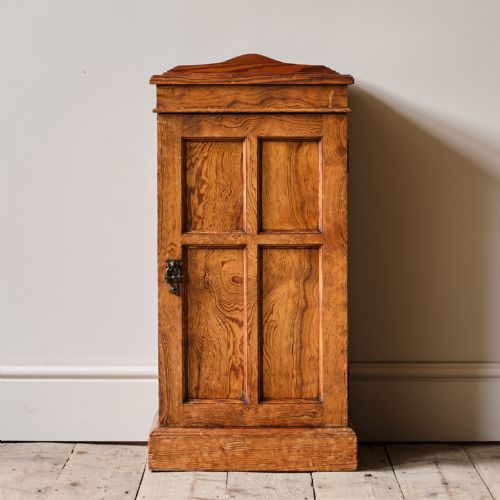
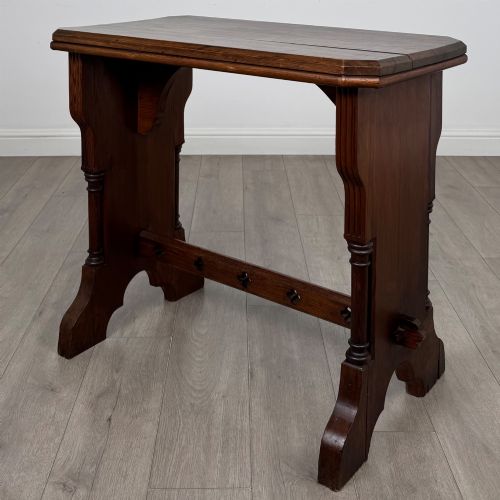
These gothic pine table examples bring architectural seriousness into domestic rooms through pointed lines and honest timber.
Gothic Pine Table
A gothic pine table draws on ecclesiastical and architectural design from the nineteenth century, uniting structural utility with pointed arches and chamfered supports. When you search for a gothic pine table, you encounter pieces designed for utilitarian rooms, churches, and libraries rather than formal drawing rooms.
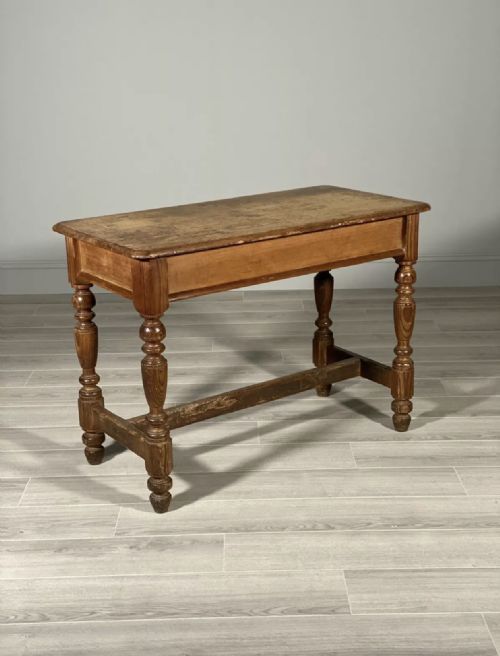
The majority of surviving examples date from the Victorian period, spanning the mid to late nineteenth century up to the early twentieth century. These include side tables, console tables, serving tables, and writing desks produced in pine and pitch pine.
Makers often drew inspiration from the Gothic Revival movement, incorporating ecclesiastical details such as panelled ends and columned supports. Continental and English workshops adapted these motifs for domestic hallways, kitchens, and studies.
Materials and construction methods
Makers relied heavily on pitch pine and standard pine, utilising the dense grain and durable qualities of coniferous timber for both tabletops and structural frames. Oak, ebony, and painted finishes occasionally appear alongside the primary pine construction to add contrast or reinforce edges.
Construction techniques prioritised durability, often employing sturdy pedestals, chamfered legs, and columned supports capable of handling heavy daily use. Iron and brass hardware, including structural brackets and decorative handles, frequently secure joints and drawers.
Gothic Pine Table Retail Price Guide 2026
Typical asking prices for gothic pine table among the pieces listed under this phrase on Sellingantiques today, from the lower quarter to the upper quarter. They describe what is for sale here now, not the wider market.
The archive shows form variations ranging from narrow hall tables to large refectory dining tables.
Evaluating construction and finish
Quality rests in the selection of the timber and the crispness of the architectural detailing. Dense, resinous pitch pine with a strong grain commands attention over softer, plain deal boards.
The sophistication of the joinery and the presence of deliberate ecclesiastical details, such as carved mouldings or pedestal arrangements, distinguish standard utilitarian items from finer examples associated with specific design traditions.
AW Pugin
The Gothic Pine Table Glossary
- Pitch pine
- A dense, highly resinous pine timber valued for its distinct grain pattern and durability in nineteenth-century furniture. It was frequently chosen for ecclesiastical and institutional tables.
- Gothic Revival
- An architectural and decorative style popular during the Victorian era that revived medieval pointed arches, trefoils, and heavy structural forms. This aesthetic heavily influenced nineteenth-century furniture makers.
- Ecclesiastical
- Design elements or pieces originating from churches and religious institutions. These items often feature austere lines, sturdy construction, and pointed architectural motifs.
- Console table
- A table designed to stand against a wall, frequently supported by brackets or architectural legs. In nineteenth-century interiors, these pieces served hallways and reception rooms.
- Refectory table
- A long, narrow dining or serving table built with substantial timber legs and often a central stretcher. Survivors in pine provide generous proportions for communal use.
Gothic Pine Table: Frequently Asked Questions
Where were these tables originally used?
Many examples originated in churches, vestries, rectories, and institutional libraries before entering domestic circulation.
Their sturdy construction suited spaces requiring durable surfaces for writing, serving, and administrative tasks.
How do I care for pitch pine furniture?
Maintain the timber by dusting regularly with a dry cloth and avoiding excessive moisture on the unsealed grain.
Applying occasional natural wax helps preserve the lustre of nineteenth-century pine surfaces without sealing the wood.
Are these tables suitable for modern kitchens?
The robust timber construction makes them practical for everyday use as kitchen prep surfaces or sideboards.
Their narrow proportions also allow them to fit comfortably into hallways and narrow dining spaces.
How can I tell a Victorian table from a later copy?
Examine the timber shrinkage, tool marks, and construction joints for signs of nineteenth-century hand manufacturing methods.
Original pieces typically display period-appropriate hardware, such as brass or iron fixings consistent with the eighteen-fifties to eighteen-eighties.