




Edwardian Pine Bedroom Furniture
Edwardian pine bedroom furniture brings honest domestic utility and warm timber grain into modern bedrooms without fuss.
Edwardian Pine Bedroom Furniture
When you search for edwardian pine bedroom furniture, you are looking at practical pieces made for daily domestic use around the turn of the twentieth century. The selection ranges from straightforward chests of drawers and washstands to taller wardrobes and dressing tables.
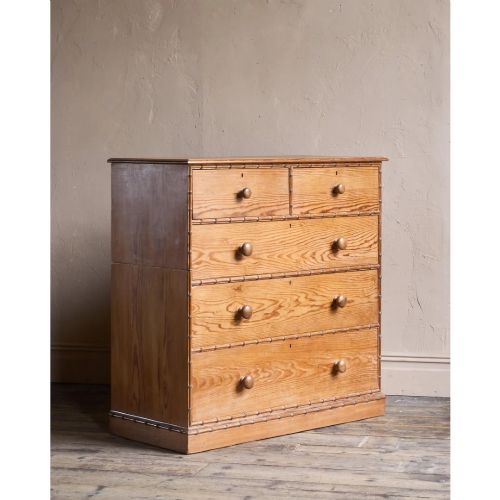
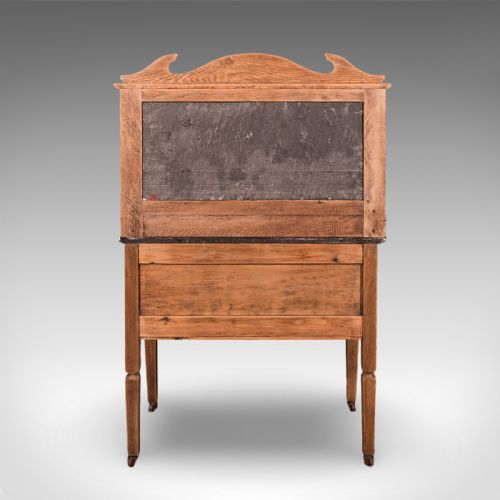
You are most likely to meet chests of drawers and washstands built from solid pine, often carrying the simple lines characteristic of the Edwardian era alongside earlier Victorian survivals. These pieces served bedrooms across English homes, offering dependable storage and washing facilities before built-in utilities became standard.
Materials and construction
Makers relied on solid pine and pitch pine for the primary carcases, sometimes selecting faux bamboo turnings or incorporating marble tops for washstands. Iron and brass hardware provided the structural pulls and hinges, while occasional painted finishes or wax treatments sealed the timber.
Craftsmen utilised traditional joinery methods to build pieces designed to withstand heavy daily use. Details such as inlaid sections, waxed surfaces, and fitted metal handles demonstrate how utility met simple decorative restraint.
Edwardian Pine Bedroom Furniture Retail Price Guide 2026
Typical asking prices for edwardian pine bedroom furniture among the pieces listed under this phrase on Sellingantiques today, from the lower quarter to the upper quarter. They describe what is for sale here now, not the wider market.
Materials appearing across current listings include pine, pitch pine, metal, brass, glass, marble, and paint.
Factors in quality
Quality rests primarily on the integrity of the timber selection and the retention of original surfaces, whether waxed, painted, or inlaid. Pieces showing careful joinery and thoughtful detailing stand apart from purely utilitarian workshop output.
The presence of original hardware, intact marble surfaces, and well-preserved structural proportions distinguishes finer examples. Surviving elements like original paint or specialised stylistic touches elevate a piece beyond standard domestic furniture.
The Edwardian Pine Bedroom Furniture Glossary
- Pitch pine
- A resinous softwood known for its durability and prominent grain pattern. It was frequently used in wardrobes and larger storage pieces.
- Washstand
- A low table designed to hold a basin and jug for morning ablutions. These often feature marble tops to protect the wood from splashes.
- Faux bamboo
- A decorative technique where wood is carved and painted to resemble bamboo stalks. This style gained popularity during the nineteenth century.
- Waxed finish
- A protective treatment rubbed into the timber to nourish the grain and provide a soft sheen. It is characteristic of traditional pine care.
Edwardian Pine Bedroom Furniture: Frequently Asked Questions
What pieces make up edwardian pine bedroom suites?
These bedroom groups typically consist of chests of drawers, washstands, dressing tables, and wardrobes. Each item was designed to handle specific daily domestic tasks.
Together they provide a cohesive look using uniform timber and straightforward construction methods typical of the period.
How do I care for waxed pine furniture?
Maintain waxed surfaces by applying a traditional beeswax polish periodically and buffing gently. Keep the timber away from direct heat sources to prevent drying.
Avoid using modern silicone sprays or excessive water which can damage the traditional finish of the wood.
Did Edwardian furniture use paint finishes?
Makers frequently applied paint finishes to pine furniture to brighten modest rooms or match specific decorative schemes. Painted surfaces range from simple single colours to more elaborate decorative treatments.
Original paint survives on several pieces, offering a distinct visual texture compared to bare or waxed timber.
How do I distinguish Edwardian pine from Victorian pine?
Edwardian pieces generally lean towards lighter proportions and simpler lines influenced by Arts and Crafts ideals. Victorian examples often display heavier mouldings or darker waxed surfaces.
Stylistic hints such as Art Nouveau motifs help pinpoint the transition into the twentieth century.