



Honey Pine Dressing Table
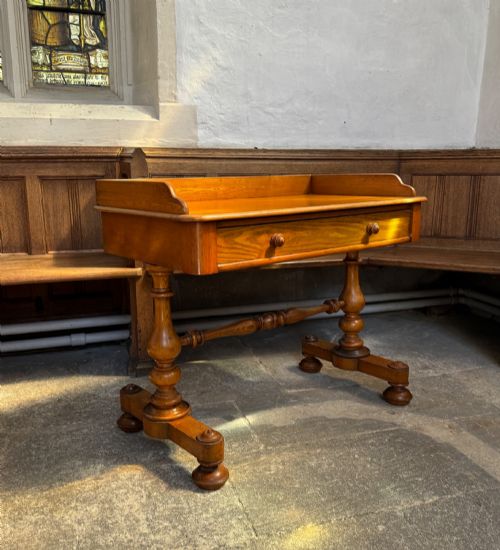
A honey pine dressing table brings warmth and simple utility to a bedroom, crafted in resilient softwoods from the Victorian and Edwardian eras.
Honey Pine Dressing Table
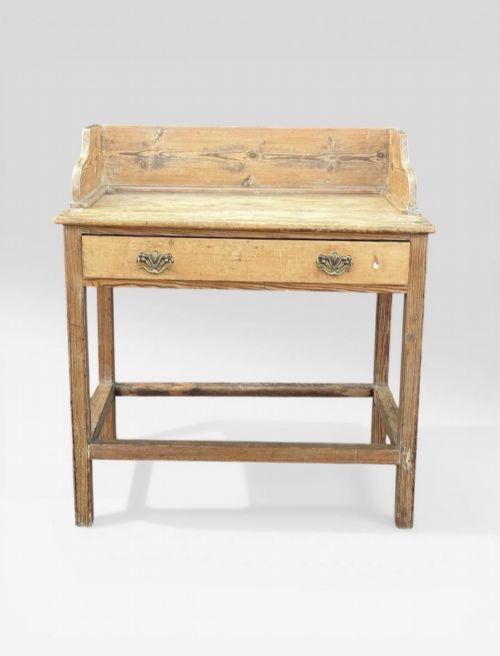
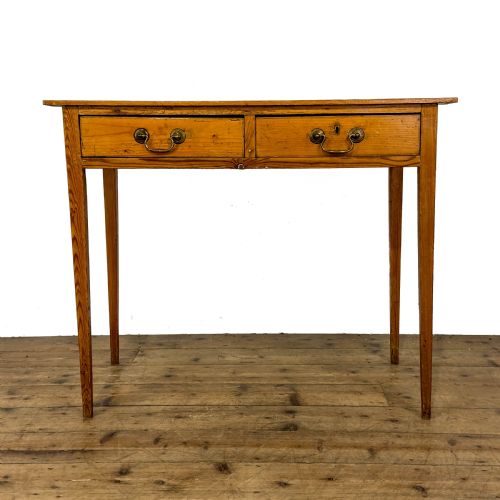
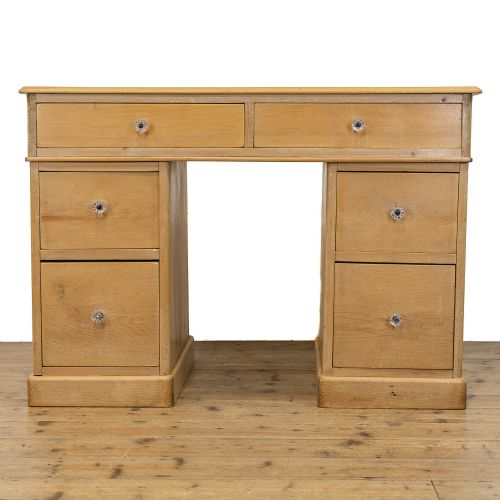
You are most likely to meet Victorian and Edwardian pine dressing chests and washstands on this page, often featuring drawers and occasional brass or glass fittings. The selection also includes earlier 19th-century and Georgian side tables that share the same warm timber character.
How they were made
Makers utilised native softwoods, specifically standard pine and pitch pine, shaped into straightforward frames with dovetailed drawers and turned legs. Surfaces were sometimes stencilled, simulated to mimic other timbers, or finished to highlight the natural grain of the wood.
Hardware such as brass handles and glass components were integrated into the case pieces, whilst occasional bone details appeared on finer compartments. Construction relied on traditional joinery suitable for utilitarian domestic items intended for daily service.
What varies in quality
The distinction between standard utility items and finer examples lies in the choice of materials, such as the selection of dense pitch pine over plain deal, and the presence of decorative details like gothic carvings or stencilling. Finer workmanship shows in the precision of the drawer construction and the integration of specialised elements like faux bamboo turning.
Proportion and surface preservation also separate the ranges, with well-proportioned bowfronts and intact original hardware holding greater presence than altered or heavily stripped utility pieces.
The Honey Pine Dressing Table Glossary
- Pitch pine
- A dense, resinous softwood often used for more robust Victorian furniture. It provides a distinct, prominent grain pattern that finishes to a deep honey tone.
- Faux bamboo
- A decorative turning technique where softwoods are carved to resemble the joints and rings of real bamboo. This style gained popularity during the late 19th century.
- Washstand
- A domestic table designed to hold a basin and jug for morning ablutions. These often share dimensions and drawer configurations with dressing tables.
- Kneehole desk
- A small writing table featuring a central recess for the legs, flanked by pedestals of drawers. They utilise the same timber and construction methods as dressing chests.
Honey Pine Dressing Table: Frequently Asked Questions
How do I clean honey pine?
Dust regularly with a soft, dry cloth to prevent dirt accumulation on the soft timber surface. Avoid harsh chemical cleaners that strip the historic finish.
Apply a traditional beeswax polish occasionally to nourish the pine and maintain its warm lustre without building up sticky residues.
Can I use a washstand as a dressing table?
Washstands share similar heights and proportions with dressing tables, making them practical for modern vanity use. Many include lower shelves or drawer space suitable for daily storage.
Adding a small mirror to the top surface easily adapts the historic washstand into a functional dressing space.
What is pitch pine?
Pitch pine is a heavier, more resinous variety of softwood chosen for its durability and prominent growth rings. It resists knocks better than standard deal and ages to a rich colour.
Tables built from pitch pine often carry a heavier visual weight and distinct striped grain.
How do I date an antique pine table?
Examine the construction methods of the drawers, looking for hand-cut dovetails and tool marks left by early 19th-century makers. Machine-sawn timber and simpler butt joints typically indicate later Victorian or Edwardian production.
Hardware styles, timber selection, and overall design motifs like gothic arches or faux bamboo also help narrow down the decade.