


Pine Vanity Unit
A pine vanity unit brings warm, honest timber and practical utility to a bathroom or bedroom through enduring washstands and dressing tables.
Pine Vanity Unit
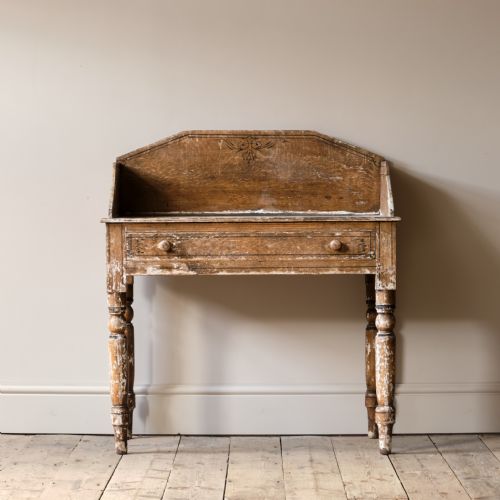
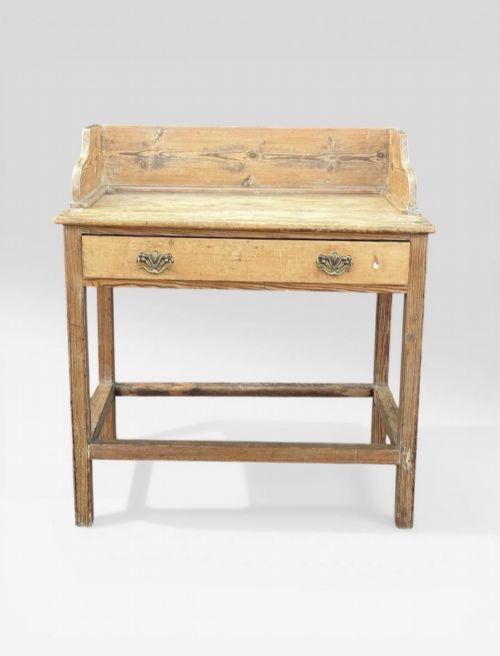
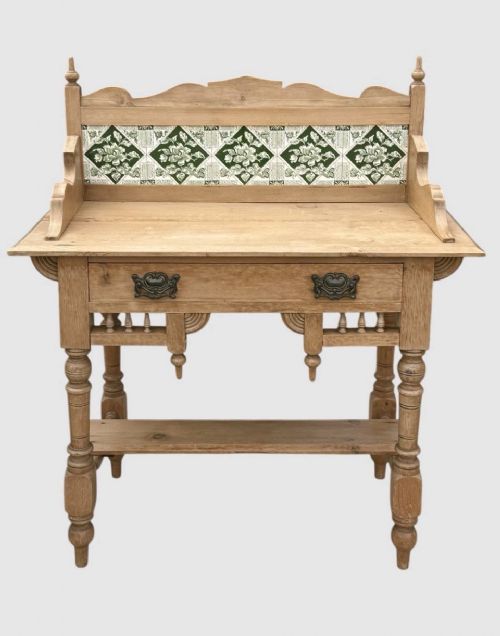
When you search for a pine vanity unit, you are looking at practical antique washstands, dressing tables, and dressing chests adapted for modern washrooms and bedrooms. These pieces range from simple country washstands to elaborate pedestal dressing tables with mirrors and drawers.
The versions you are most likely to meet on this page date from the nineteenth and early twentieth centuries, spanning the Regency, Victorian, and Edwardian periods. Many began life as wash stands or dressing chests in softwood and pine, often finished with paint, scumble glaze, or original stencilled decoration.
How they were made
Constructed primarily from pine and softwood, these pieces rely on traditional joinery suited to domestic furniture of the nineteenth century. Cabinetmakers paired timber carcases with fitted marble, ceramic, or wooden tops to handle daily use.
Hardware details such as brass handles and glass components complement the painted or scumble glazed surfaces, while some pieces incorporate stencilled decoration directly onto the wood.
One past piece was suggested as ideal for a nursery baby change unit.
What varies in quality
Quality in these pieces rests upon the integrity of the timber and the retention of original decorative finishes, such as scumble glazing or stencilling. Pieces that retain their original brass hardware and fitted tops sit higher in the range than those with later replacements.
Proportion and construction depth also separate standard utility furniture from finer examples, particularly in pedestal dressing tables and country dressers where balanced proportions elevate the piece.
The Pine Vanity Unit Glossary
- Washstand
- A piece of furniture designed to hold a basin and ewer for washing, frequently converted today to house modern plumbing. These often feature raised backs and timber tops.
- Scumble glaze
- A decorative paint technique used to imitate the grain of more expensive hardwoods over a softwood base. It creates a translucent, textured surface layer.
- Pedestal dressing table
- A dressing table featuring banks of drawers on either side of a central kneehole space. They provide substantial storage beneath the mirror surface.
- Softwood
- Timber derived from conifer trees, such as pine, which was commonly used for domestic British furniture. It accepts paint and scumble glazes readily.
Pine Vanity Unit: Frequently Asked Questions
Can I use an antique washstand as a basin unit?
Yes, many buyers adapt nineteenth-century washstands to hold modern countertop basins and plumbing. The sturdy pine construction provides a reliable base for daily bathroom use.
Plumbers can modify the interior shelving or back panels to accommodate modern pipes while preserving the exterior antique appearance.
How do I care for a painted pine surface?
Maintain painted or scumble glazed pine by dusting with a dry cloth and avoiding harsh chemical cleaners. Moisture should be wiped away promptly to protect the historic finish.
Applying a traditional wax polish occasionally helps nourish the surrounding exposed wood without harming decorative painted layers.
How do I date a pine vanity piece?
Dating relies on stylistic clues from the Regency, Victorian, and Edwardian periods, alongside construction methods like dovetail joints and backboard thickness. Hardware styles and original stencilled decoration also offer clear chronological markers.
Examining the type of timber preparation and secondary woods helps confirm the era of manufacture.