
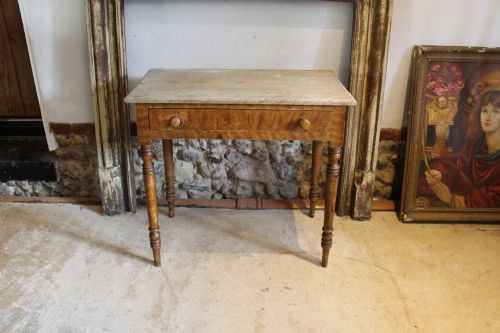
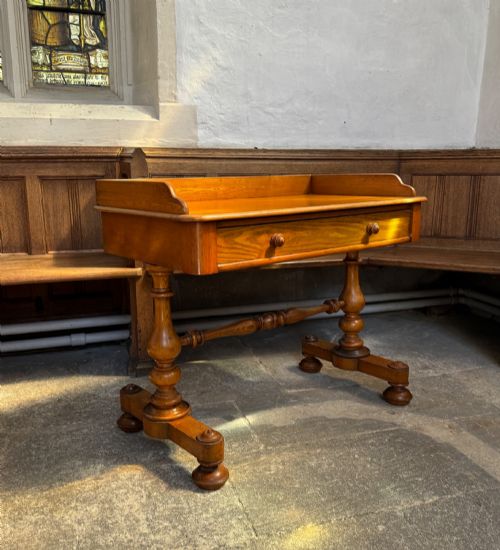
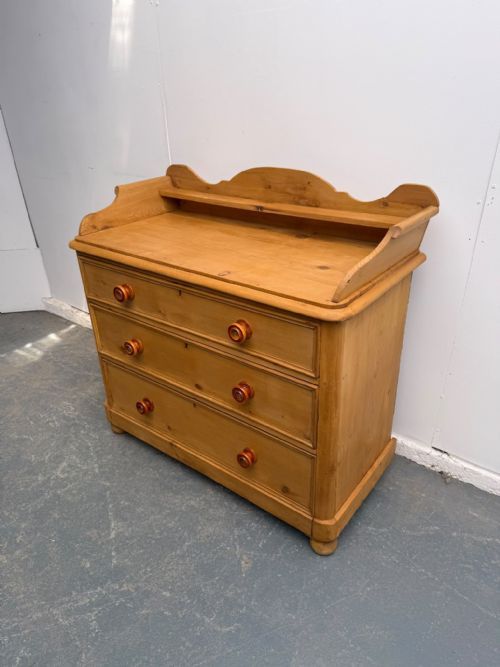
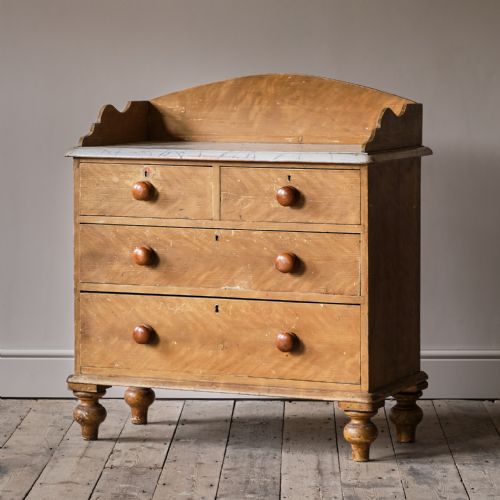

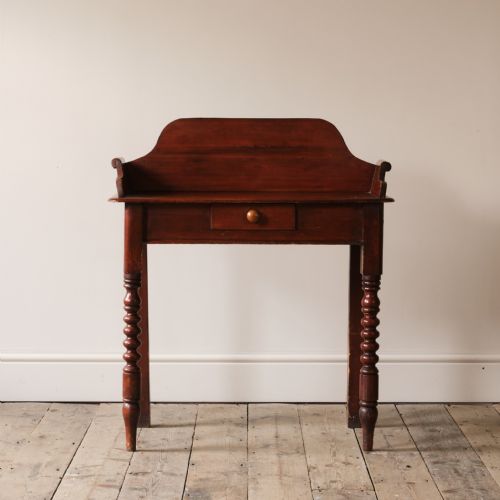
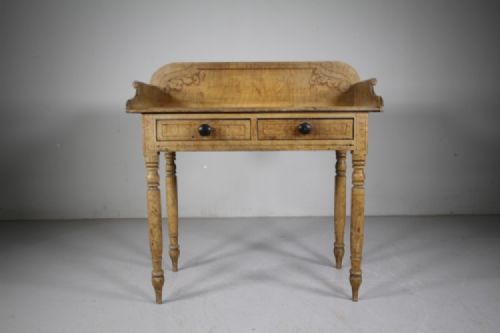


Victorian Pine Washstand
These Victorian pine washstands bring honest nineteenth-century utility to a room, offering practical surfaces and fitted galleries built for daily ablutions.
Victorian pine washstand
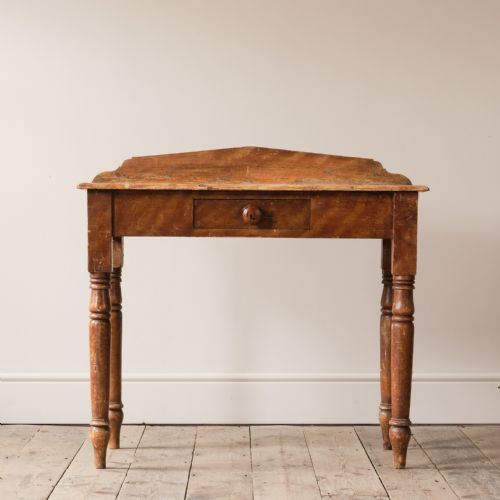
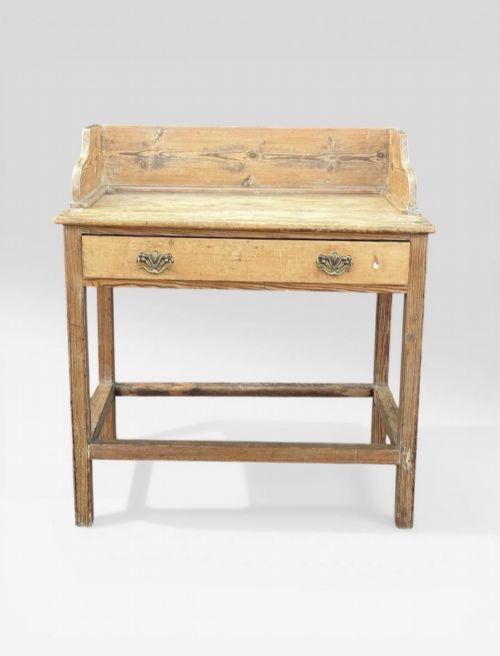
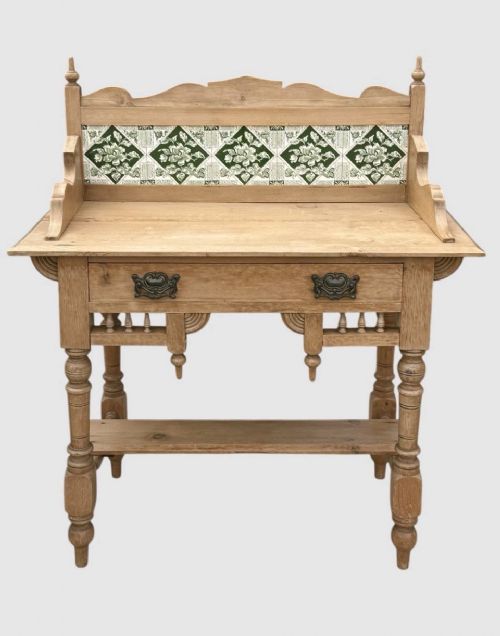
A victorian pine washstand is a domestic timber basin stand designed for washing before the era of plumbed bathrooms. These pieces appear as simple side tables, drawer units, or larger setups complete with tiled gallery backs and marble tops.
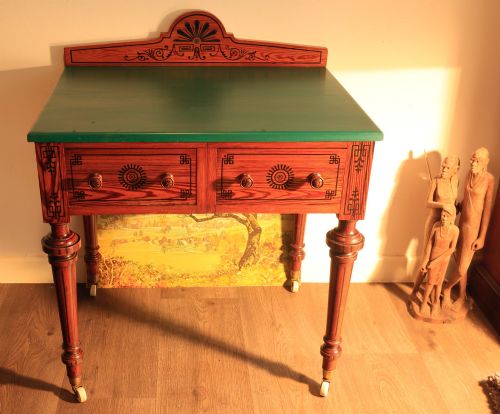
Buyers select these items for bedrooms and dressing rooms to gain both a sturdy wooden surface and a touch of rustic character. Variants span from natural light pine to painted, scumbled, or faux bamboo surfaces.
How they were made
Makers constructed these washstands primarily from solid pine, occasionally combining it with ash, metal, zinc, and iron fittings. Tops frequently incorporated marble slabs or painted faux marble to resist water damage from basins.
Surfaces often received decorative treatments including scumble glaze, original paint, or natural grain finishes. Gallery backs were fixed to the rear to protect bedroom walls from splashes during use.
Retail Price Guide 2026
Typical UK retail prices for victorian pine washstand, calculated from the Sellingantiques database of over a million retail prices indexed since 2003. This retail price guide relies exclusively on Sellingantiques data; no external sources or auction records are used, so the figures do not describe the wider market.
The listings show materials spanning pine, ceramic, paint, scumble glaze, wood, metal, zinc, and iron across the nineteenth century.
What varies in quality
Quality rests in the survival of original surface finishes, such as scumble glaze or early paint, versus later stripping. Pieces retaining intact tiled gallery backs, marble tops, and original drawers stand higher in the range.
Construction detail separates simple utilitarian items from finer examples, visible in jointing and the selection of timber. The presence of integrated tile work and shaped galleries alters the architectural weight of the stand.
The Victorian Pine Washstand Glossary
- Scumble glaze
- A translucent oil-based paint manipulated with combs or rags to imitate more expensive timber grain. This decorative finish appears on several nineteenth-century pieces.
- Gallery back
- A raised wooden, tiled, or marble upstand at the rear of the washstand. It prevents water from splashing against the wall during washing.
- Faux bamboo
- A decorative turning technique applied to wood to simulate natural bamboo canes. This style appears on specific Victorian washstand frames.
- Washstand
- A dedicated piece of nineteenth-century furniture designed to support a basin and jug. These units often double as side tables or dressing tables.
Frequently Asked Questions
What is a Victorian pine washstand?
A Victorian pine washstand is a nineteenth-century wooden piece designed to hold a washing basin and jug before plumbed bathrooms existed. They typically feature a protective gallery back and a lower shelf or drawers.
Today, buyers use them as side tables or vanity units in bedrooms and bathrooms. Their sturdy timber construction and practical surfaces suit modern interiors.
Did washstands come with marble tops?
Many Victorian washstands feature marble tops or painted faux marble surfaces to resist water damage from basins. Other examples rely on plain or scrubbed pine timbers.
Marble-topped variants often incorporate tiled gallery backs to further protect walls from splashes. These upgraded versions provided greater durability during daily use.
How do I care for a painted washstand?
Painted and scumbled washstands require gentle cleaning with a dry or slightly damp cloth to preserve the historic finish. Avoid harsh chemical cleaners that can strip original nineteenth-century paint layers.
Keep the timber away from direct heat sources and excessive moisture. Treating the pine surface with appropriate wax helps maintain the wood over time.
Can I use a washstand as a modern sink?
While original washstands were built to hold portable ceramic basins and jugs, some buyers adapt them for modern plumbing. Doing so usually requires modifying the wooden top or interior shelf to accommodate modern pipes.
Unmodified pieces function well as side tables, desks, or dressing tables without altering their historic structure. Preserving the original timber top maintains the piece's character.