
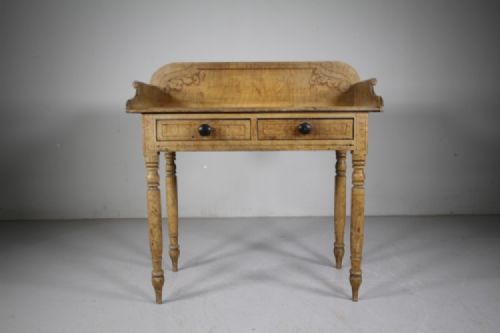


Rustic Pine Washstand
A rustic pine washstand brings honest nineteenth-century utility and painted country charm directly into a modern bedroom or bathroom.
Rustic Pine Washstand
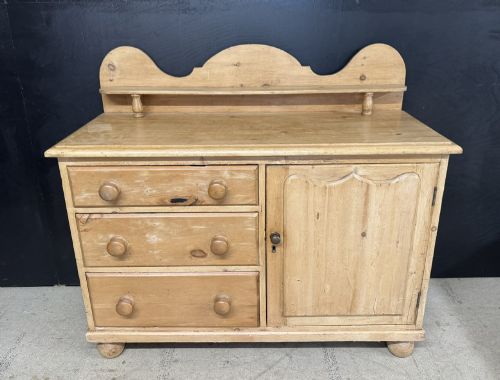
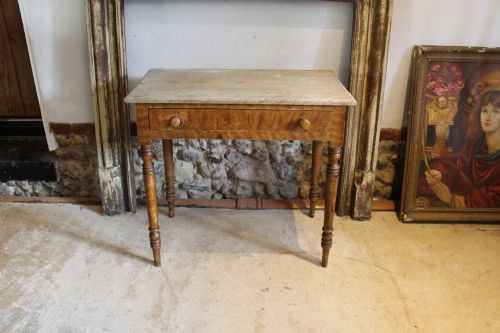
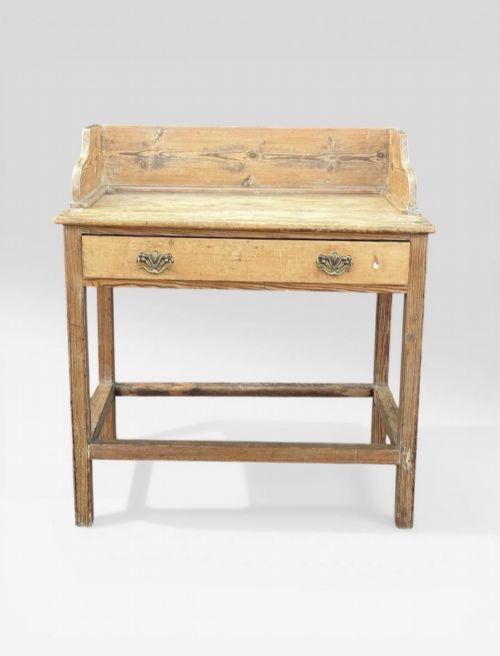
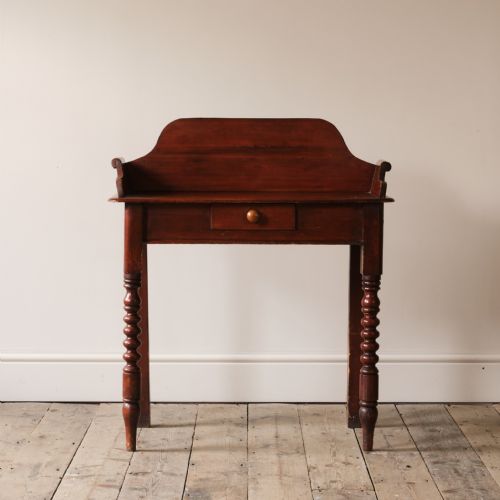
A rustic pine washstand is a nineteenth-century utilitarian piece designed to hold a basin and pitcher for daily washing before plumbed bathrooms became common. The forms span simple wash tables, basin stand units, and console tables with integrated gallery backs.
Most examples originate from the Victorian period, appearing in styles such as Victorian Country, English Country, and Rustic Farmhouse. These items often share forms with side tables, small chests of drawers, and dressers.
Buyers will encounter items constructed entirely from pine and pitch pine, sometimes sharing functional similarities with small writing desks and bedside tables.
How they were made
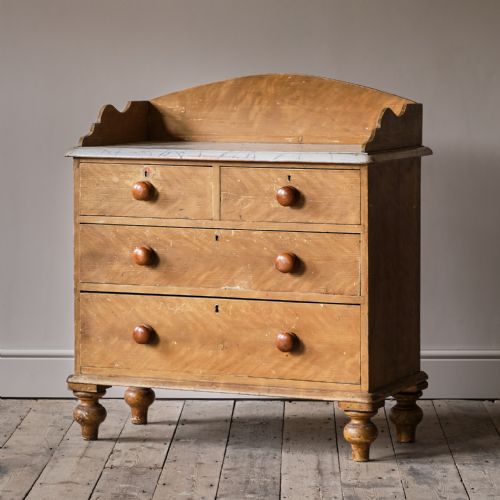
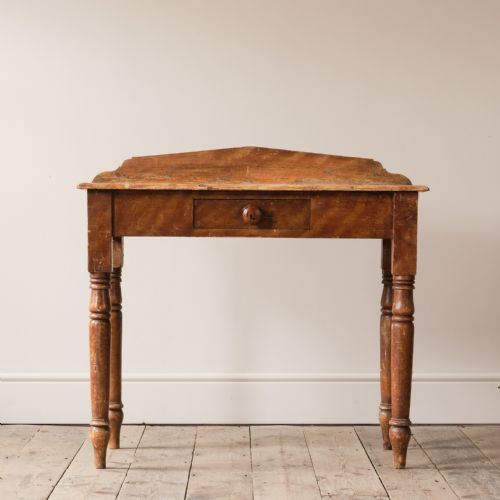
Makers built these pieces primarily from solid pine and pitch pine, utilising robust timber suited to domestic utility and heavy everyday use. Surfaces were frequently treated with a waxed finish or coated in scumble glaze and original paint.
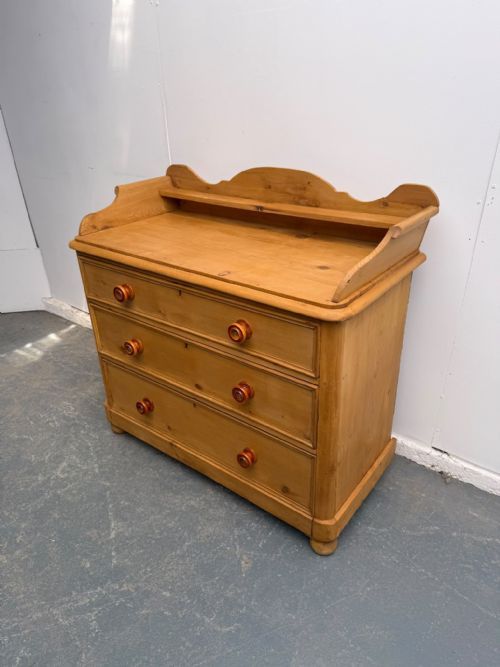
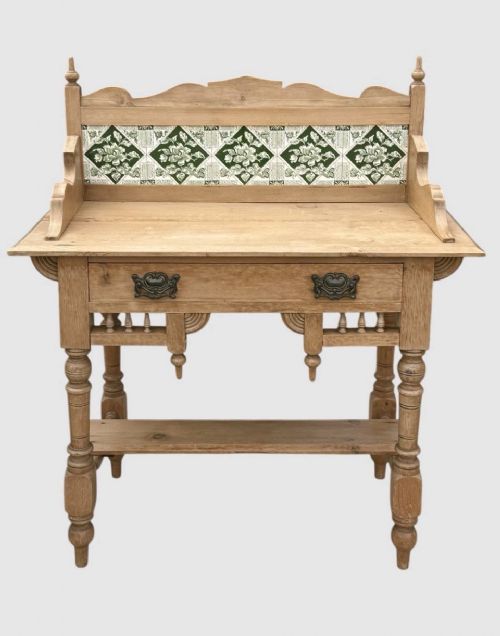
Construction details incorporate practical hardware including brass and metal fittings alongside ceramic elements. Certain iterations feature a built-in gallery back to protect walls from splashes during washing.
Nineteenth-century housemaids used scumble glaze to turn humble pine into convincing oak, fooling everyone until the washbasin got too heavy.
What varies in quality
Quality rests significantly on the survival of original painted surfaces, scumble glazes, and waxed finishes rather than a uniform factory appearance. Pieces retaining their early paint schemes and original gallery backs command greater interest.
Proportion and scale distinguish the finer examples, particularly smaller washstands and tables with well-balanced dimensions. The integration of period hardware such as brass handles and ceramic components further separates standard utility pieces from more decorative ones.
The Rustic Pine Washstand Glossary
- Scumble glaze
- A translucent or tinted top layer manipulated with combs or rags over a lighter ground to imitate the grain of costlier hardwoods. It was widely applied to nineteenth-century pine furniture.
- Gallery back
- A raised wooden border or upstand positioned along the rear edge of a washstand or table. This feature prevented water splashes from damaging the wall behind.
- Pitch pine
- A durable resinous softwood species utilised in nineteenth-century cabinet making. It offers distinct grain patterns and robust structural strength.
- Wash table
- A functional nineteenth-century wooden table specifically designed to support a basin, jug, and washing accessories. It represents an earlier or simpler form of the washstand.
- Victorian Country
- A domestic style reflecting nineteenth-century rural craftsmanship. It prioritises straightforward construction and practical utility over ornamental display.
Rustic Pine Washstand: Frequently Asked Questions
What is a rustic pine washstand?
A nineteenth-century wooden piece designed to hold a wash basin and pitcher in the bedroom before indoor plumbing. They typically feature a sturdy pine frame, sometimes incorporating a gallery back and drawers for storage.
Today, buyers repurpose these practical items as bathroom vanity units, hallway consoles, or bedside tables in period and modern homes alike.
How do I care for original paint?
Original nineteenth-century paint and scumble glaze require gentle maintenance using dry dusting or a very softly dampened cloth. Avoid modern chemical cleaners and abrasive polishes that can strip fragile historical finishes.
Preserving the dry, aged surface keeps the authentic character and visual depth intact for years to come.
Are these washstands waterproof?
Historical pine washstands were built for daily washing with jugs and basins, but their original waxed or painted surfaces are not impervious to standing water. Promptly wiping away spills protects the historic timber and nineteenth-century finishes from moisture damage.
Using protective trays or placing modern marble tops on top can help if you plan to use them with active modern plumbing.
How do I date a Victorian washstand?
Dating relies on examining construction methods, timber types such as pitch pine, and the presence of original brass or ceramic hardware. Nineteenth-century examples often display hand-cut joints and distinct tool marks characteristic of the period.
The inclusion of specific Victorian Country styles and original scumble paint finishes further helps narrow the production era to the mid-to-late nineteenth century.