




Antique Pine Vanity Desk
An antique pine vanity desk brings warmth and character to a room, offering functional workspace combined with traditional charm.
Antique Pine Vanity Desk
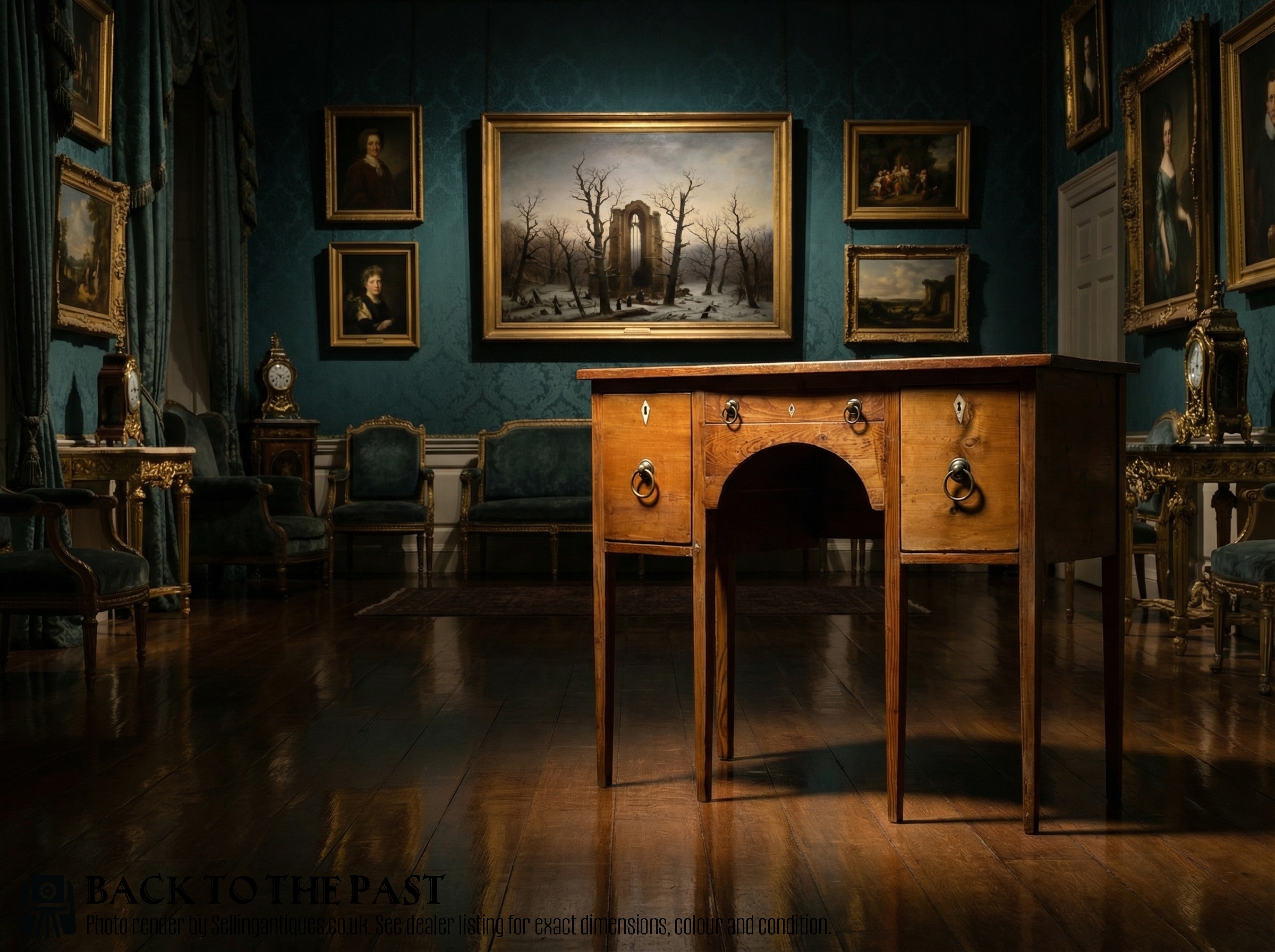
When you search for an antique pine vanity desk, you are looking at practical wooden furniture designed for writing, grooming, or occasional wash use. The pieces found here span the Georgian, Regency, Victorian, and Edwardian periods, reflecting centuries of domestic utility.
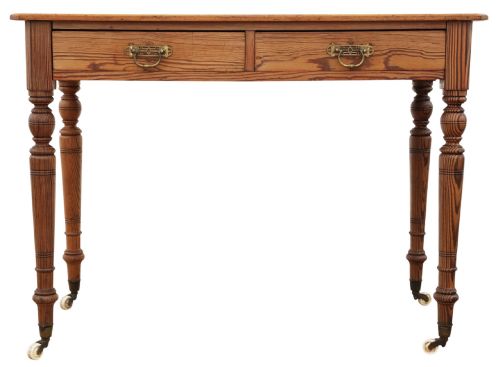
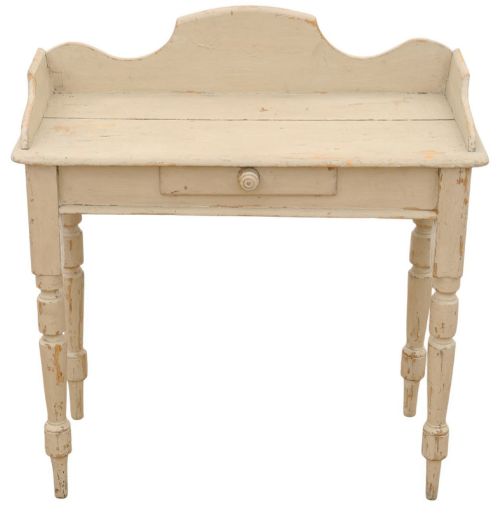
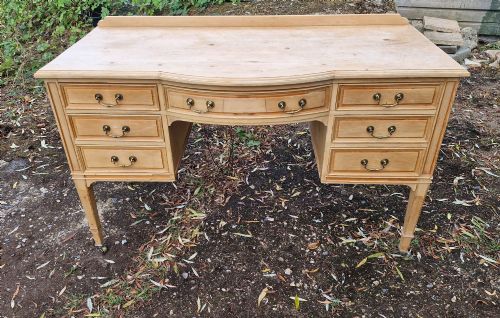
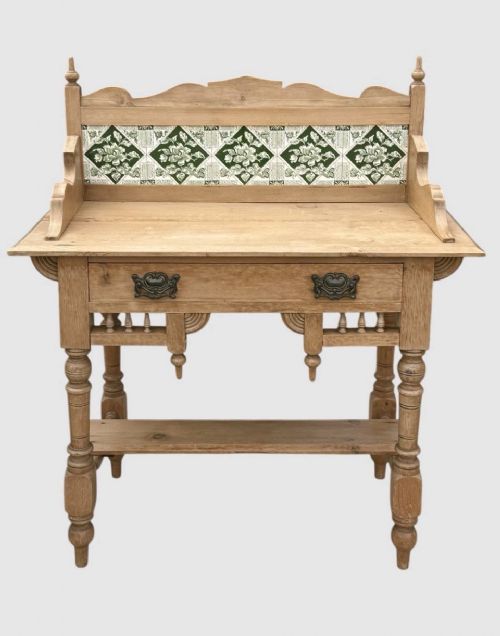
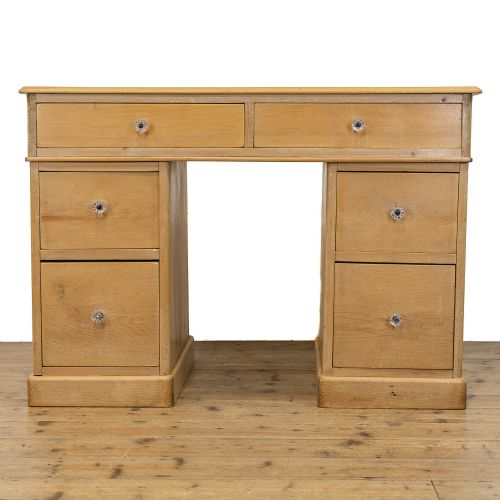
You are most likely to meet Victorian and Edwardian examples on this page, often built as kneehole writing tables, dressing tables, or washstands. These forms frequently double as versatile vanity desks due to their proportions and layout of drawers.
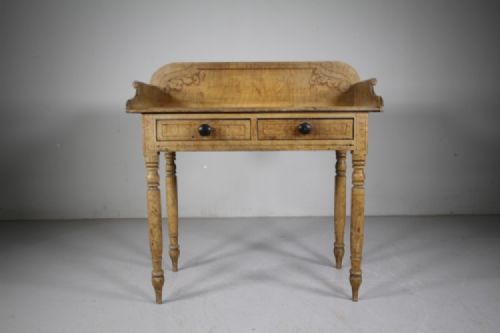
Origins range from English country workshops to Swedish Gustavian interiors, incorporating regional traits like painted surfaces, tile gallery backs, or drop leaf sides. Each piece demonstrates how straightforward timber was adapted for daily personal use across different social settings.
How they were made
Makers utilised solid pine and pitch pine for the primary construction, relying on the timber's grain and stability for everyday furniture. Secondary materials like brass, ceramic, iron, and glass appear in hardware, handles, and tile splashbacks.
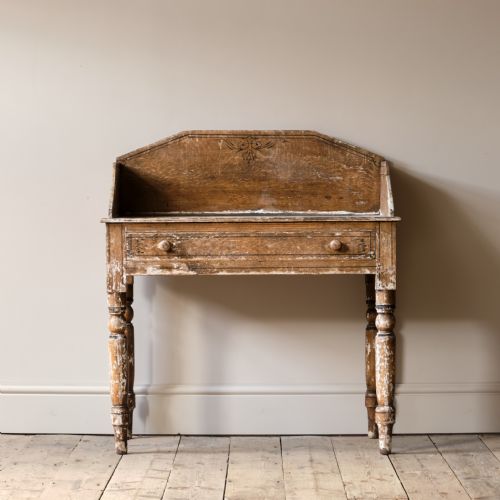
Surfaces were frequently finished with paint, showing either original stencilled decoration or simple country colours that have aged over time. Joinery methods varied from straightforward rustic construction to refined bowfront cabinetry seen in earlier Georgian and Regency pieces.
Some washstands quietly retired from splashing water to spend their golden years holding hairbrushes and perfume bottles.
What varies in quality
The distinction between standard utility items and finer examples rests on the sophistication of the joinery and the selection of timber. Well-figured pitch pine and balanced proportions elevate a piece beyond basic utilitarian workshop output.
The Antique Pine Vanity Desk Glossary
- Pitch pine
- A dense, resinous variety of pine known for its pronounced grain pattern and durability. It was frequently utilised for 19th-century writing and dressing tables.
- Kneehole
- A configuration featuring a central recess for the legs, flanked by pedestals of drawers. This layout provides comfortable clearance when seated at a desk.
- Gallery back
- A raised wooden or tiled upstand along the rear edge of a piece. It protected walls from splashes when the furniture functioned as a washstand.
- Drop leaf
- A hinged flap on the side of a table that can be folded down to save space or raised to extend the surface area.
- Gustavian
- A Swedish style inspired by French neoclassical design, characterised by light painted finishes and restrained classical ornamentation.
Antique Pine Vanity Desk: Frequently Asked Questions
What is an antique pine vanity desk?
An antique pine vanity desk is a historical wooden table used historically for writing, grooming, or washing. These pieces date from the Georgian, Victorian, and Edwardian eras.
They combine practical storage drawers with a usable surface, making them adaptable for modern bedrooms and studies.
How do I identify the period?
Dating relies on observing construction methods, hardware types, and stylistic influences. Georgian and Regency pieces often show refined proportions and bowfront designs.
Victorian and Edwardian items frequently include practical additions like tile gallery backs or stencilled decoration.
How do I use one today?
These pieces fit naturally into bedrooms as dressing tables or into home offices as compact writing desks. Their drawers provide convenient storage for modern stationery or cosmetics.
Placing them in a hallway or living room introduces traditional texture and historic utility to the space.