
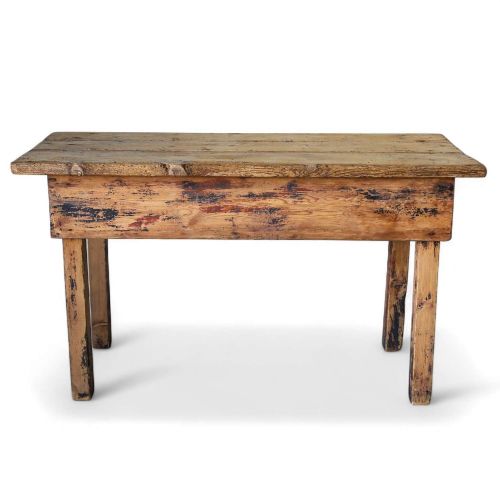
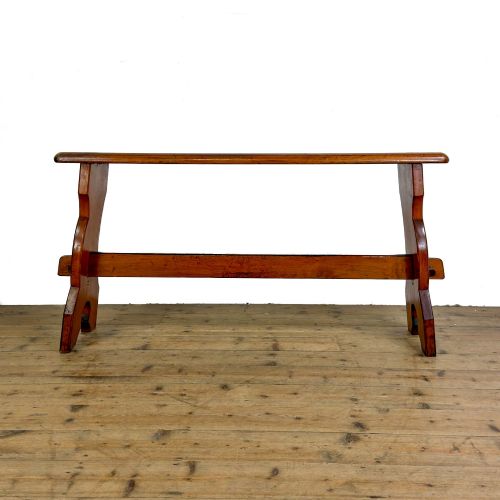
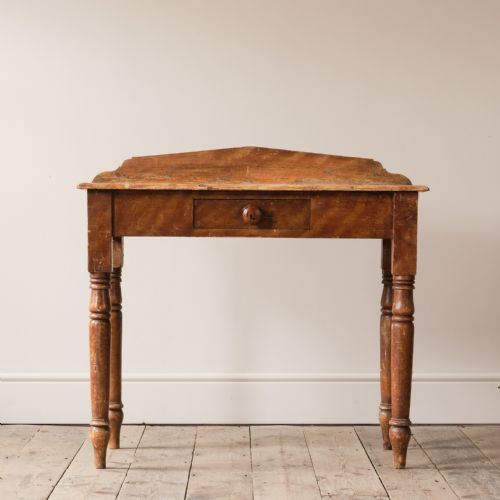
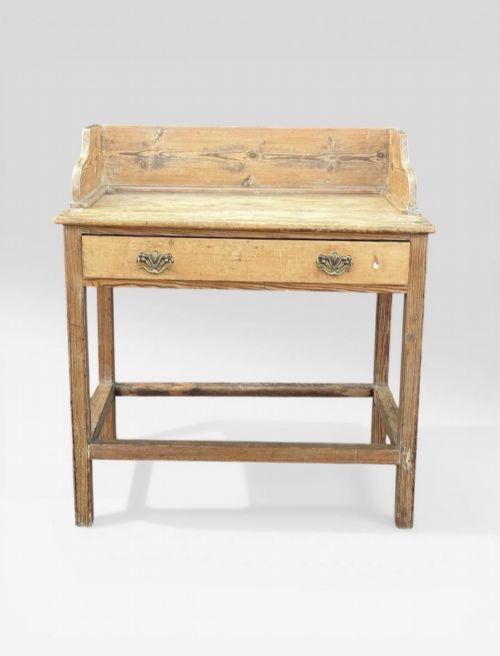

Vintage Pine Hall Table
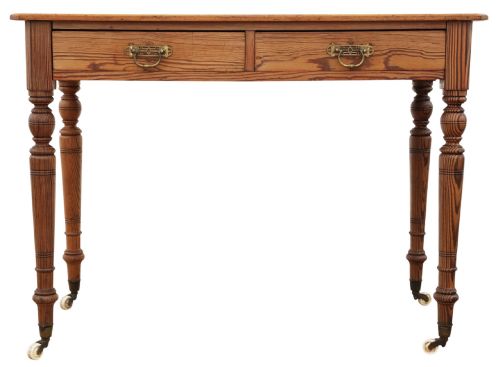
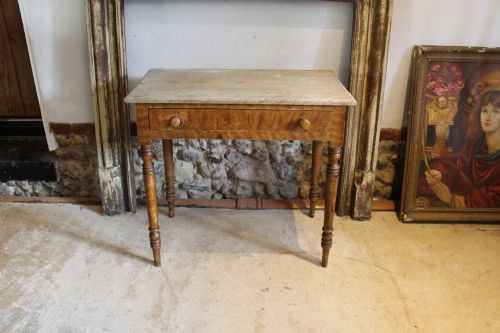
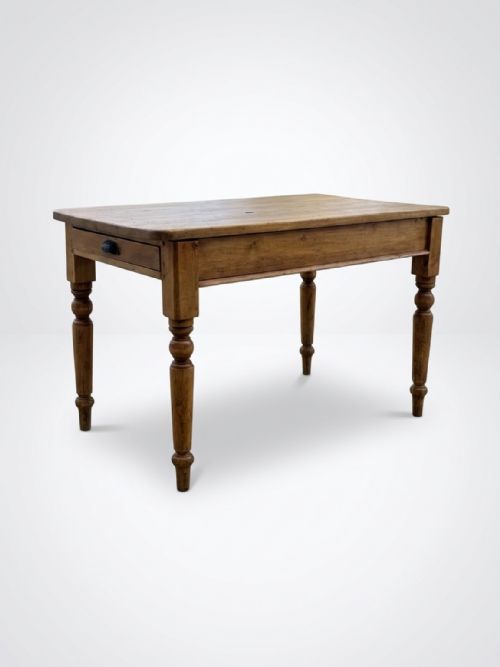
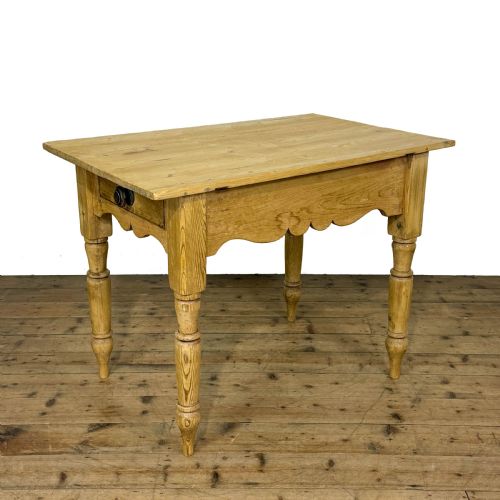
A vintage pine hall table brings domestic warmth and practical surface space to a narrow entranceway, using simple timber construction to make an understated statement.
Vintage Pine Hall Table
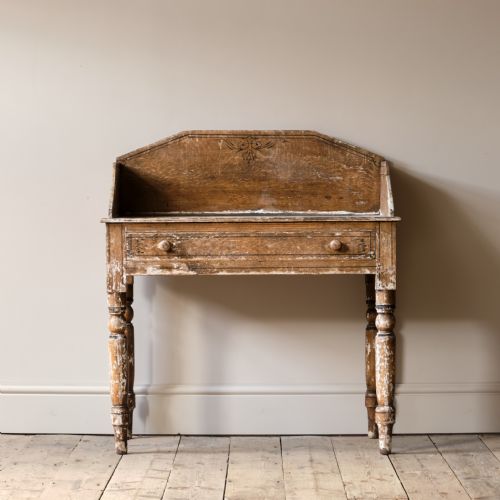
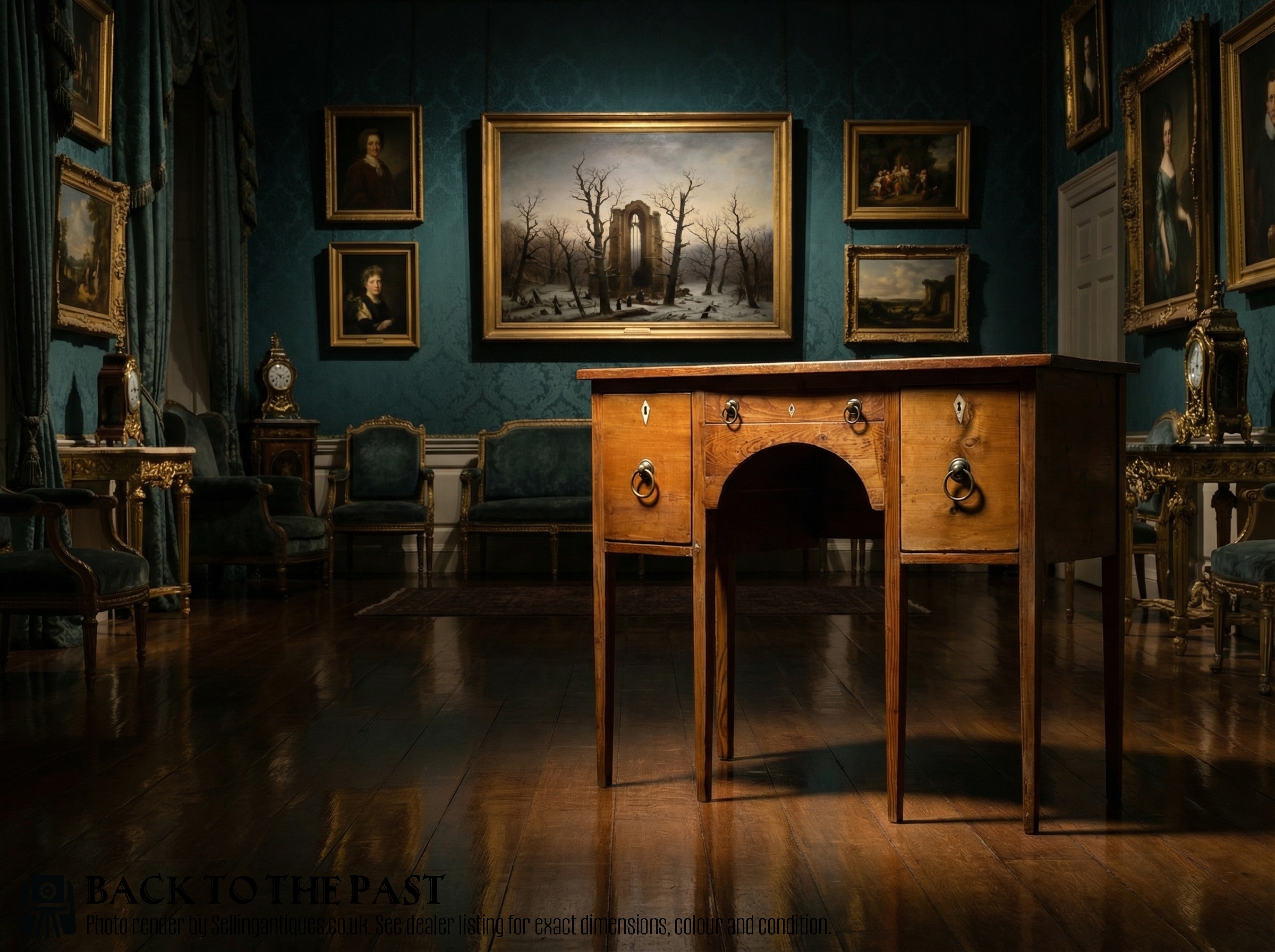
A vintage pine hall table encompasses various narrow timber surfaces designed for transitional spaces, drawing from side tables, washstands and console forms. These pieces often originate from the nineteenth and early twentieth centuries, reflecting utilitarian domestic origins.
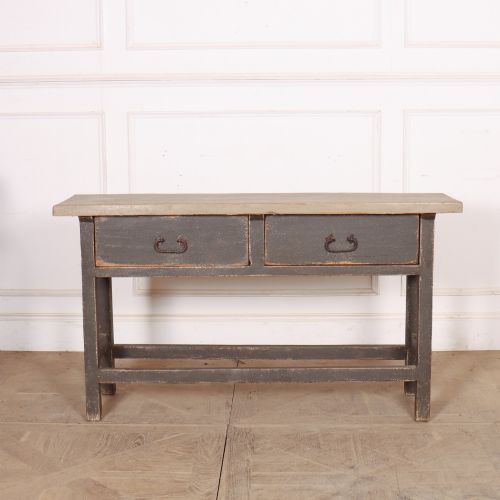
The selection ranges from stripped natural timber to examples retaining original paint finishes in shades like green or scumble. Many pieces display regional English, Welsh, Scottish or Scandinavian country characteristics.
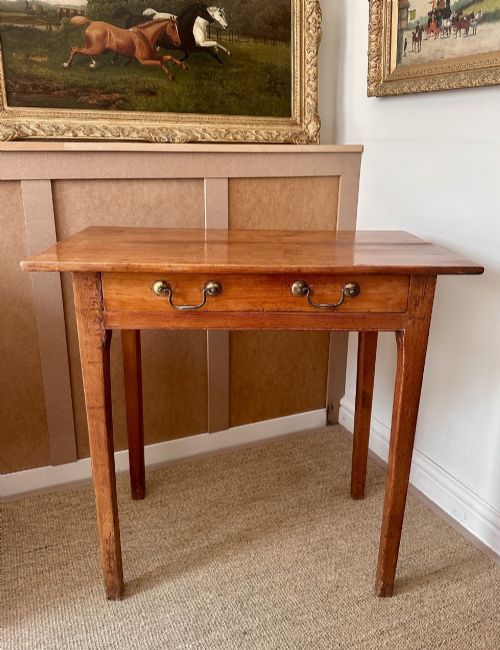
Compact proportions define these items, allowing them to fit narrow corridors while offering a surface for correspondence, lamps or keys. Sturdy construction ensures they handle daily hallway use without dominating the room.
Materials and construction methods
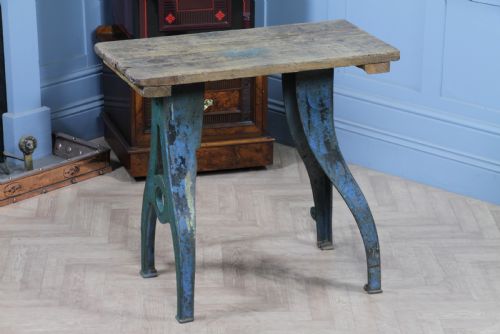
Makers utilised native pine, pitch pine and occasional painted timber, sometimes pairing the wooden tops with metal or cast iron bases. Joinery relied on traditional methods suited to domestic workshops and regional cabinet makers.
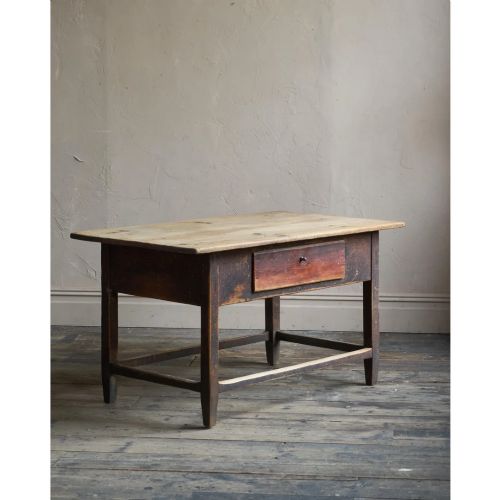
Surfaces frequently show the marks of original paint, scumble finishes or wax polish applied over decades of use. Timber selection prioritised utility and local availability, resulting in durable construction with visible grain.
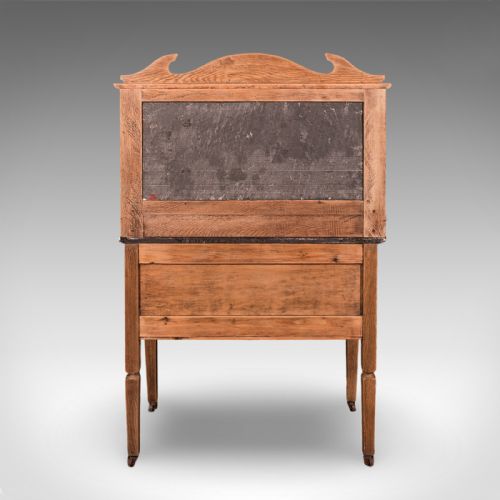
Several items began life holding washbasins or chapel hymn books before finding new duties in modern hallways.
Judging quality in pine hall furniture
Quality rests upon the integrity of the original timber, the survival of early paint finishes and the honesty of the construction. Pieces retaining untouched surfaces or clear regional traits stand apart from heavily altered examples.
Proportion and stability dictate the usefulness of these narrow tables, where balanced legs and tight joints matter more than ornate decoration. The character of the wood and the depth of the patina reveal how the piece aged through use.
The Vintage Pine Hall Table Glossary
- Scumble
- A decorative paint technique involving a translucent top layer manipulated to simulate wood grain or texture. This finish appears on Victorian pieces to elevate simpler timbers.
- Washstand
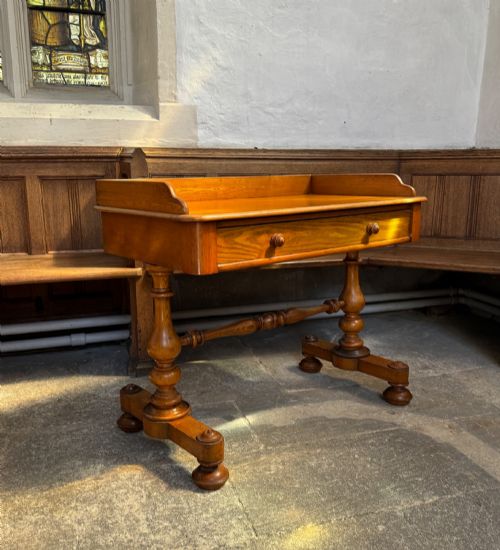
- A domestic piece designed to hold a basin and pitcher, frequently adapted today as a narrow side table. These items often include small ledges or lower shelves.
- Console table
- A narrow table intended to stand against a wall, sometimes fixed in place or supported by brackets. These forms suit hallways and tight circulation spaces.
- Pitch pine
- A resinous North American pine variety prized for its durability and strong grain pattern. Nineteenth-century makers utilised this timber for items requiring extra strength.
- Box stretcher
- A system of horizontal wooden bars connecting the lower legs of a table on all four sides. This framework adds rigidity to tables used in active domestic environments.
Vintage Pine Hall Table: Frequently Asked Questions
How do I style a vintage pine hall table?
Keep the top uncluttered by placing a single lamp, a small ceramic bowl for keys, or a slim mirror above it. The natural wood grain or original paint provides enough visual interest on its own.
Allow the surrounding space to remain open so the narrow proportions of the table can function effectively without crowding the entranceway.
Can I use a washstand as a hall table?
Many nineteenth-century washstands share the exact narrow depth and height required for a modern hallway surface. Their original basins have long since departed, leaving a flat wooden top.
Look for models with rear upstands or lower undershelves, which provide extra character and practical display areas for everyday items.
How do I care for painted pine furniture?
Dust the surface regularly with a soft, dry cloth and avoid harsh chemical cleaners that might lift historic paint layers. Protect the wood from direct heat sources and strong sunlight.
Occasional applications of a gentle, natural wax help preserve bare pine timbers without altering the authentic patina built up over generations.
Are these tables sturdy enough for daily use?
Constructed for hardworking domestic environments, nineteenth and early twentieth-century pine tables use solid timber and traditional joinery. They handle daily placement of bags, post and keys easily.
Check that the legs and stretchers remain firm, as sturdy underlying frames ensure the table stays level on hard hallway floors.