
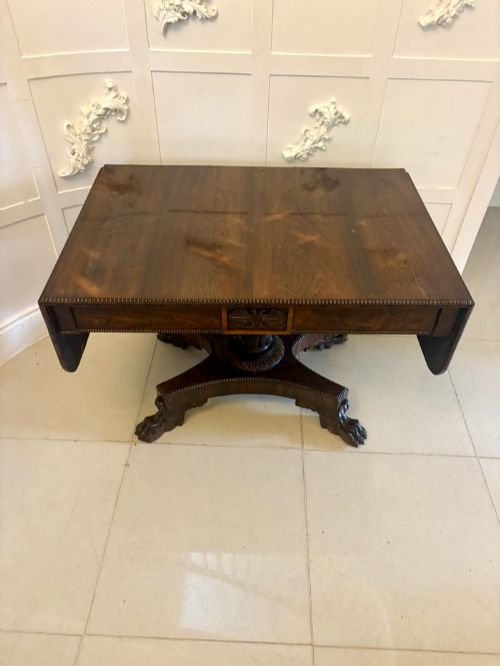
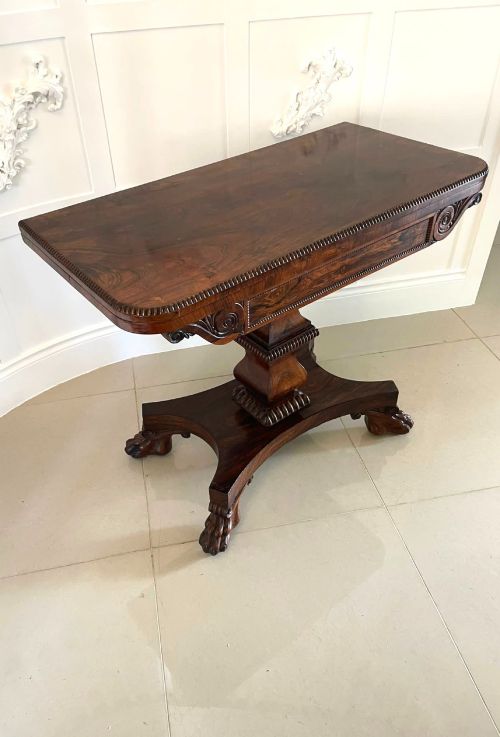
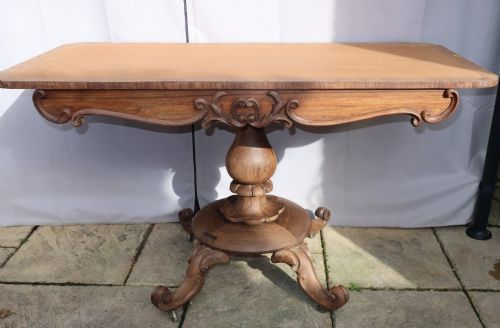
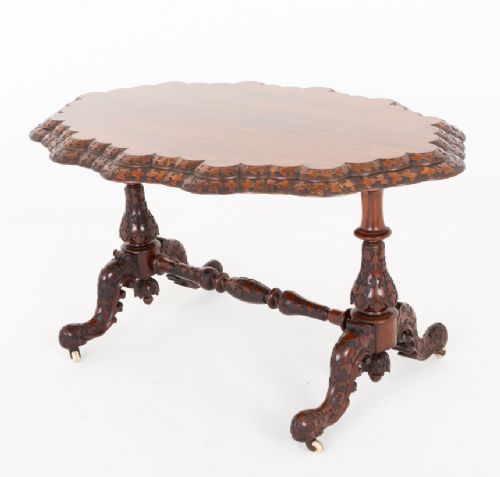




Carved Rosewood Sofa Table
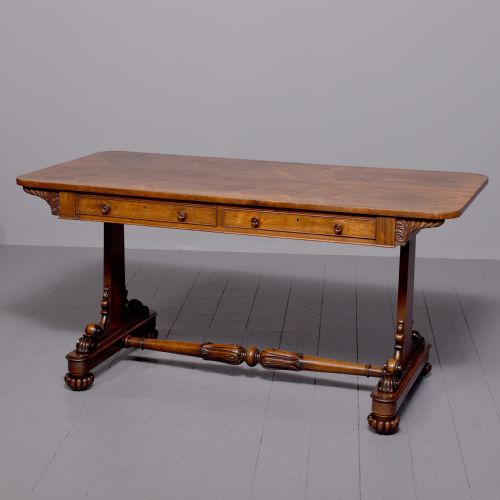
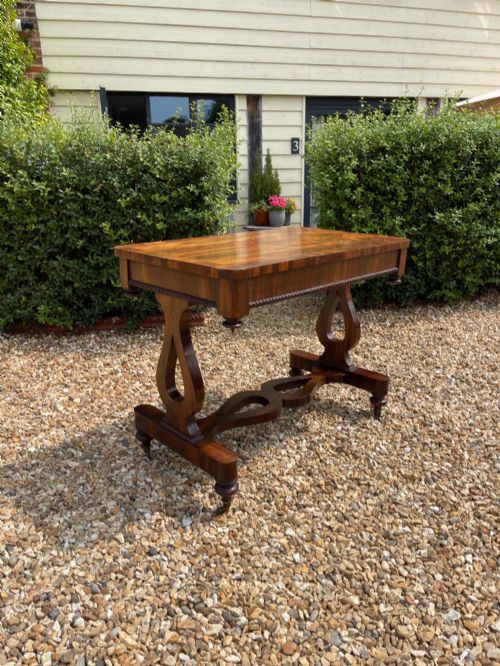
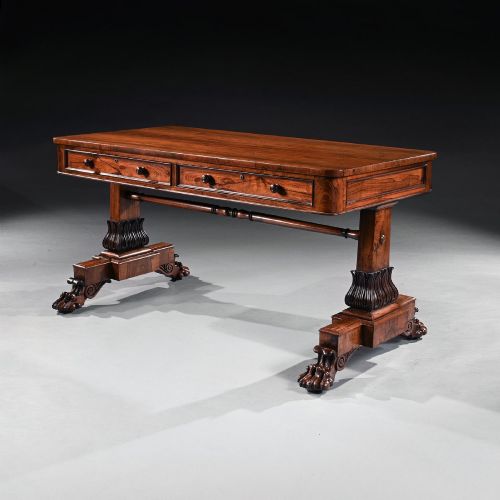
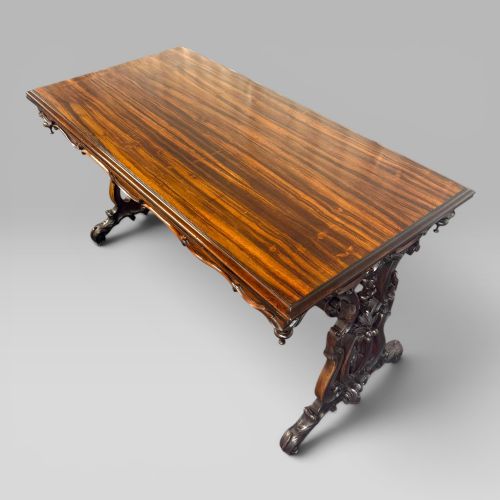
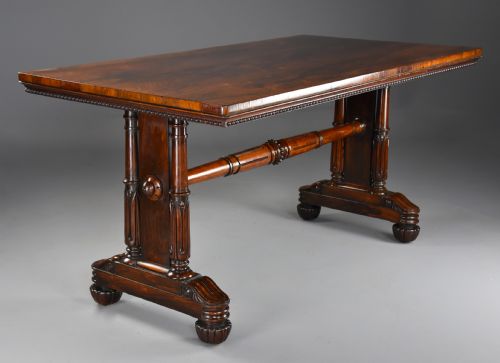
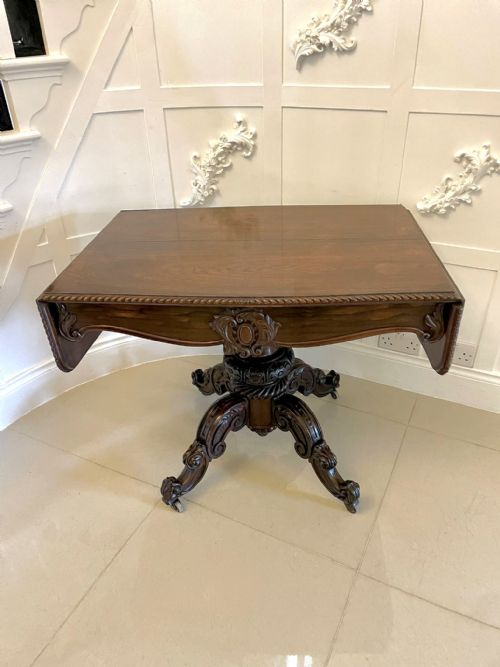
These carved rosewood sofa table examples bring substantial nineteenth-century timber and refined carving directly into domestic spaces.
What these pieces are
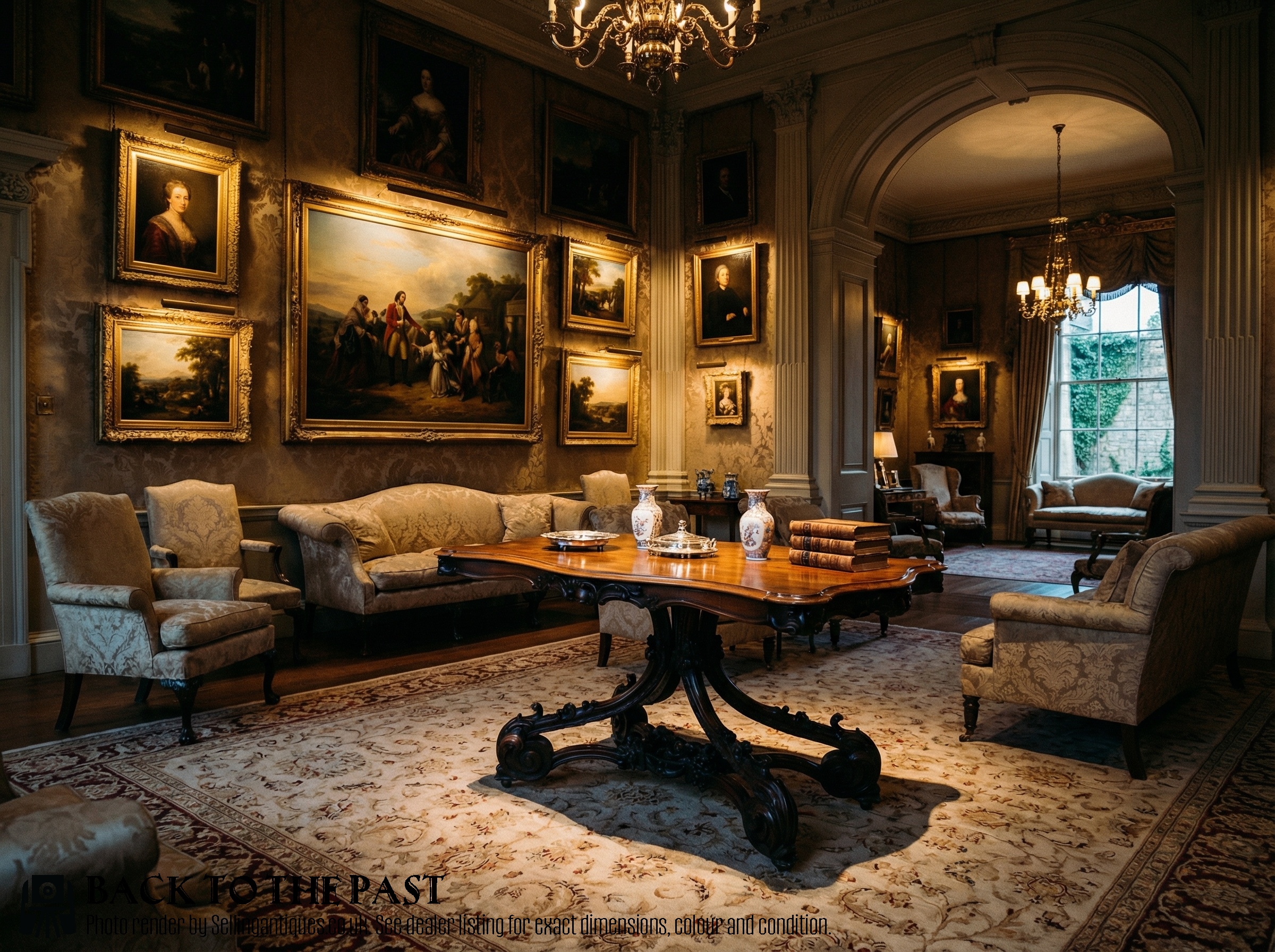
A carved rosewood sofa table represents a specific form of nineteenth-century occasional, centre, side, library, and writing furniture designed for principal rooms. The selection includes pieces spanning the Regency, William IV, and Victorian periods, alongside specific dates such as eighteen-seventy and eighteen-sixty.
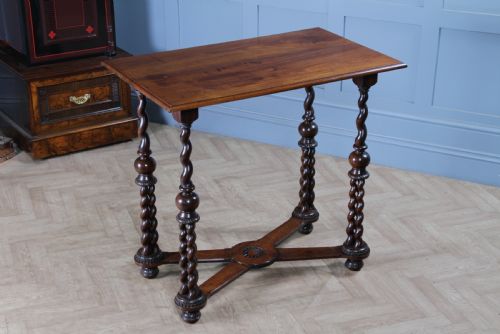
Buyers frequently encounter variants labelled as occasional tables, centre tables, side tables, stretcher tables, and library tables alongside specific sofa table formats. Regional craftsmanship also appears, including examples identified as Irish centre tables from the nineteenth century.
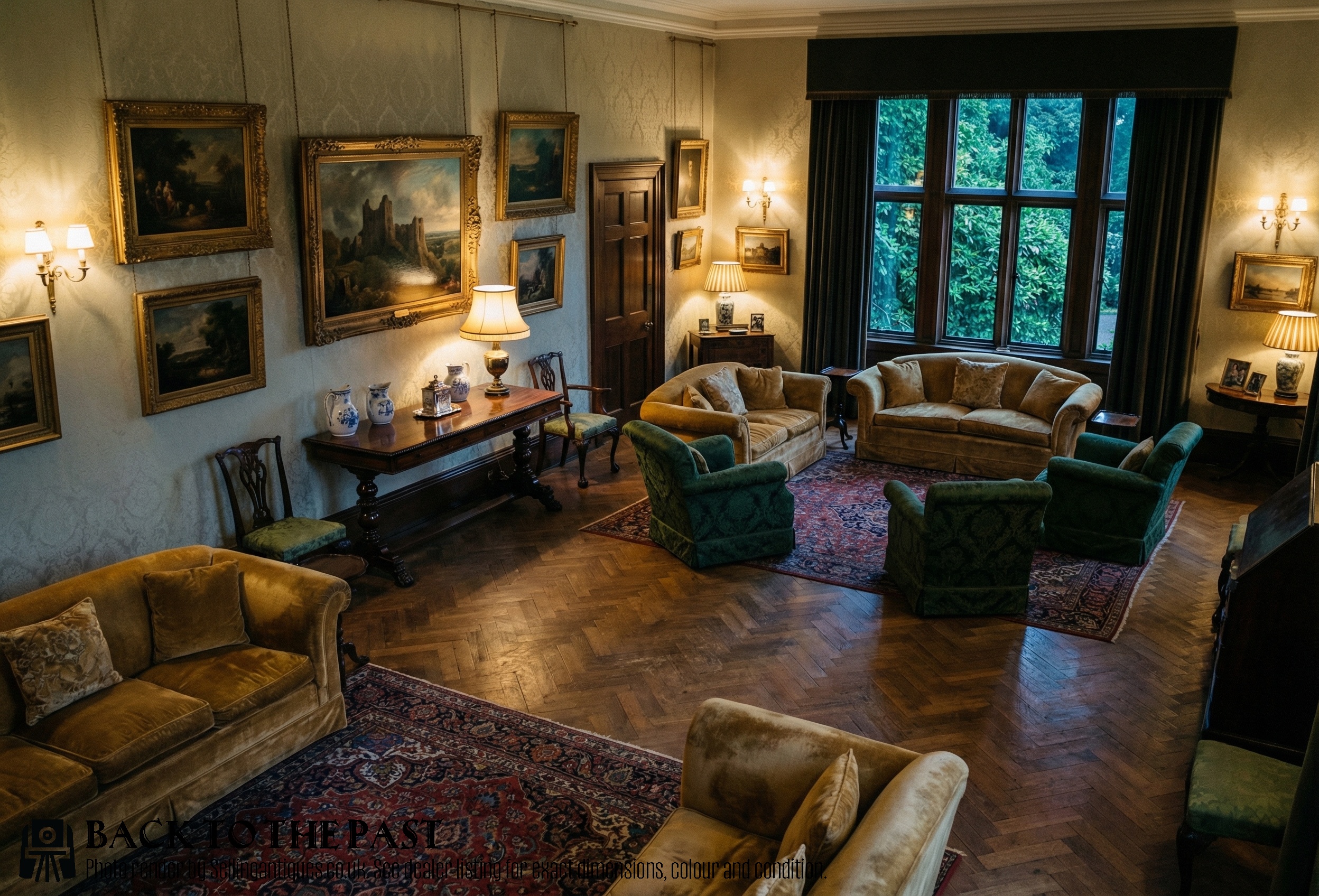
How they were made
Construction relies primarily on rosewood and rosewood veneer, utilising the dense grain and deep natural colour of the timber for structural and decorative effect. Workshops integrated brass, leather, and ceramic elements into the design depending on the intended function of the table.
Carving defines the surface detail across the styles present, linking Regency classicism with Victorian Rococo revival forms. Cabinetmakers shaped the solid rosewood and applied veneers onto sturdy carcases to achieve the required stability for library and writing use.
Retail Price Guide 2026
Typical UK retail prices for carved rosewood sofa table, calculated from the Sellingantiques database of over a million retail prices indexed since 2003. This retail price guide relies exclusively on Sellingantiques data; no external sources or auction records are used, so the figures do not describe the wider market.
Some nineteenth-century makers evidently decided that plain legs were simply a missed opportunity for botanical sculpture.
What varies in quality
Quality rests in the crispness of the carved ornament and the selection of rosewood figures across the top surfaces. Finer examples display superior timber matching in the veneers and deeper, more deliberate sculptural execution in the carved mounts and supports.
The integration of secondary materials such as brass fittings and leather inserts distinguishes standard utility pieces from higher-grade library and writing tables. Proportion and structural integrity further separate modest nineteenth-century examples from exceptional pieces.
The Carved Rosewood Sofa Table Glossary
- Rosewood
- A heavy, durable timber prized for its dark grain and rich colour, widely utilised in nineteenth-century cabinet making. It takes a high polish and provides a stable base for carved details.
- Veneer
- A thin layer of superior rosewood applied to a secondary wood carcase to present an even, figured surface on table tops. This technique allowed makers to display decorative grain patterns economically.
- Regency
- An English design style spanning the early nineteenth century characterised by classical restraint, Grecian motifs, and balanced proportions. Pieces from this period often feature restrained carved rosewood elements.
- Victorian Rococo Revival
- A mid-nineteenth-century style embracing asymmetrical scrollwork, naturalistic floral carving, and exuberant curves. Tables in this style showcase elaborate rosewood manipulation.
- Stretcher Table
- A form incorporating horizontal rails connecting the legs near the base to provide additional rigidity. This construction method appears in nineteenth-century variants designed for heavier domestic use.
Frequently Asked Questions
What is a carved rosewood sofa table?
A carved rosewood sofa table is a nineteenth-century occasional or centre furniture piece constructed from dense rosewood timber and detailed with carved ornament.
These tables reflect periods from Regency to Victorian, serving functional roles in libraries, studies, and principal rooms.
How do I identify a Regency table?
Regency tables display classical restraint, balanced proportions, and specific architectural motifs inspired by ancient Greece and Rome.
They rely on the natural grain of rosewood rather than excessive surface ornamentation to achieve their formal presence.
Where were these tables placed?
These tables occupied principal reception rooms, libraries, and drawing rooms as centre pieces, side tables, or writing desks.
Their finished backs and detailed rosewood surfaces allowed them to sit away from walls in the middle of a room.
What materials are used?
Construction primarily involves solid rosewood and rosewood veneer over supportive timber carcases.
Secondary materials include brass fittings, leather writing surfaces, and ceramic components depending on the specific table type.