


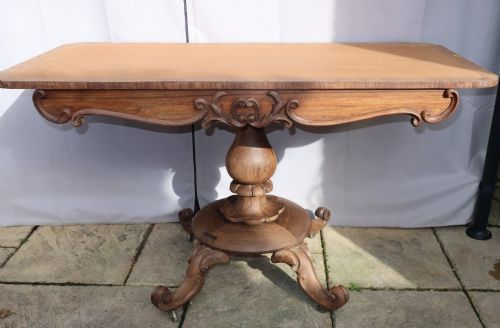
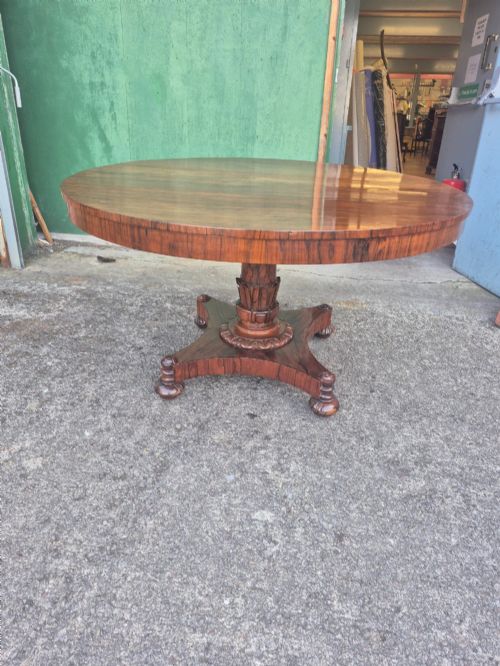
Carved Pedestal Breakfast Table
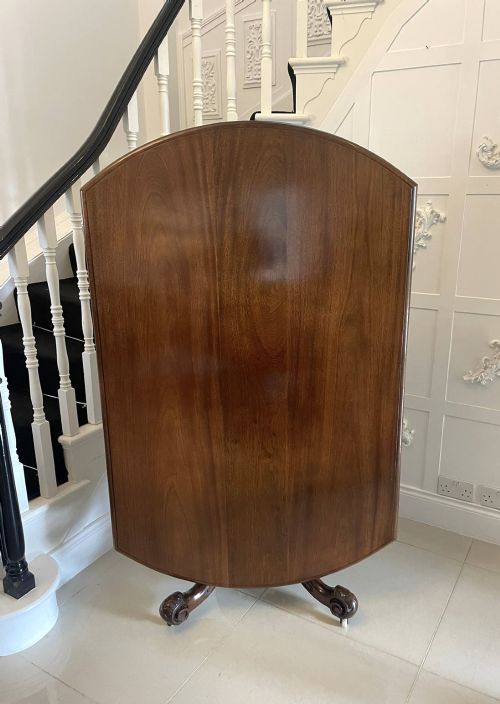
A carved pedestal breakfast table offers a sturdy central pillar supporting a generous round or oval top, designed for morning meals and easily tilted out of the way when not in use.
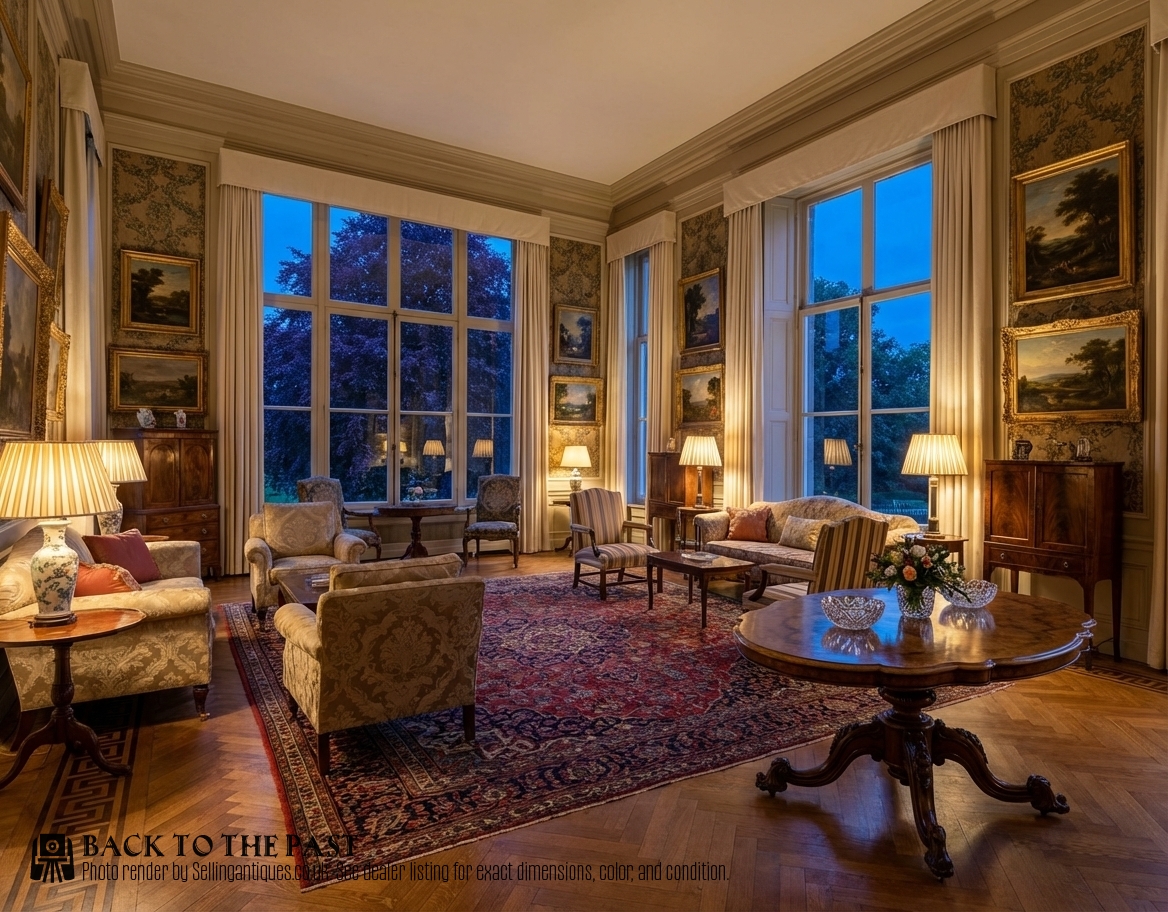
Carved Pedestal Breakfast Table
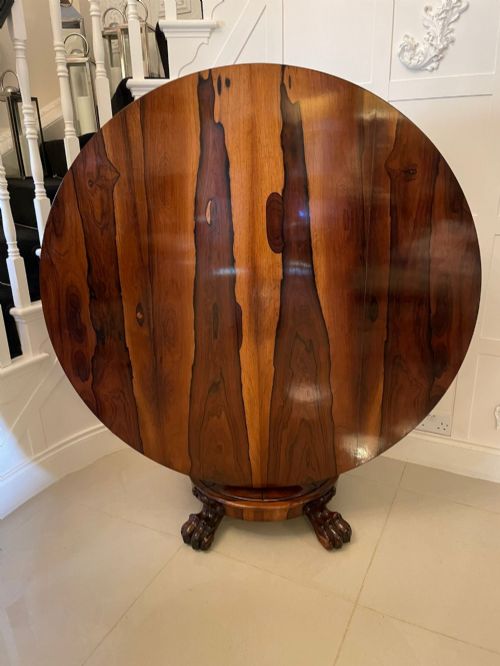
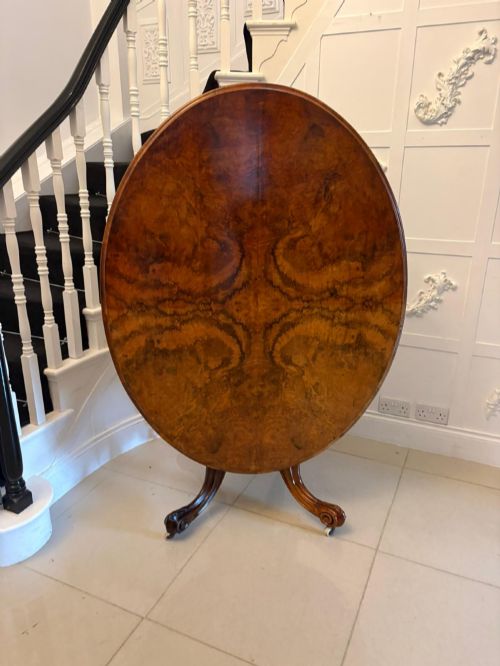
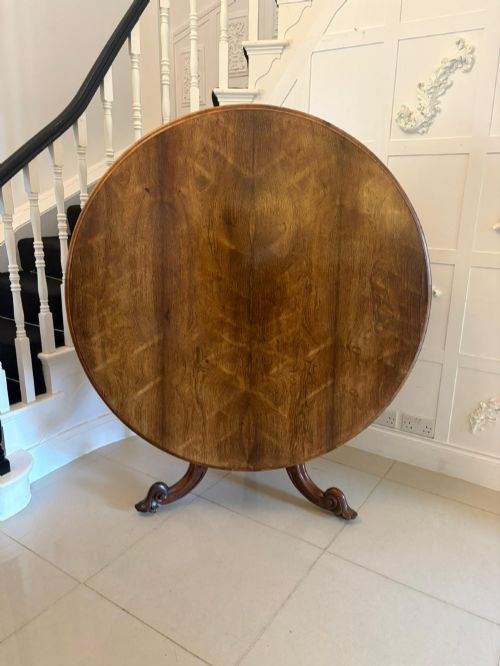
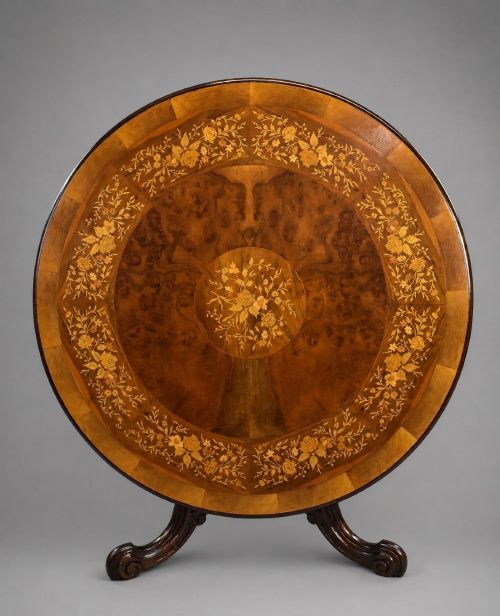
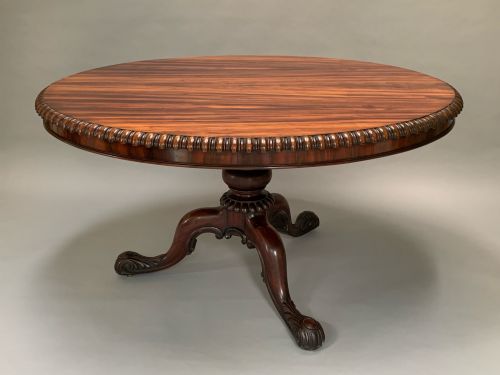
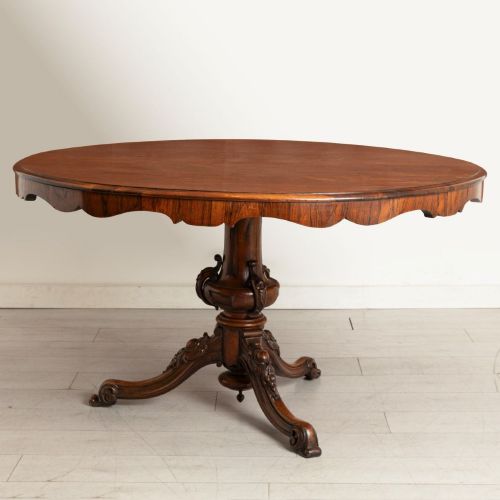
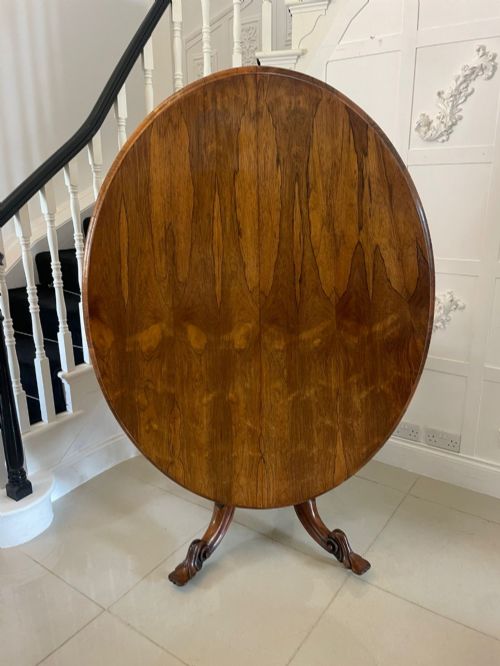
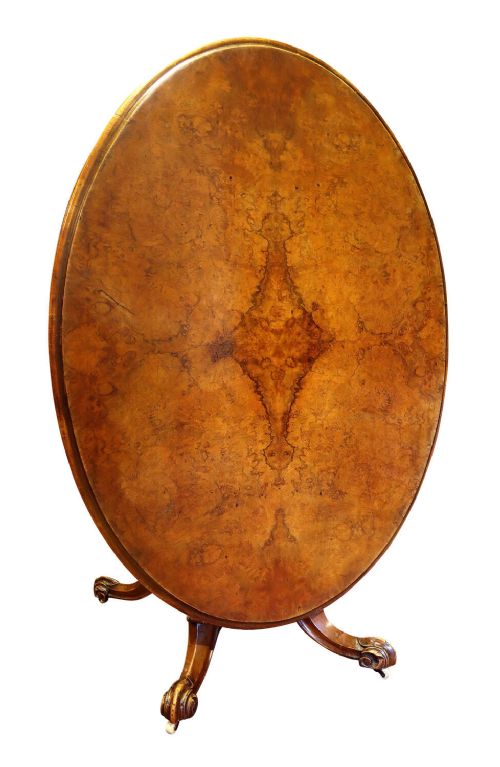
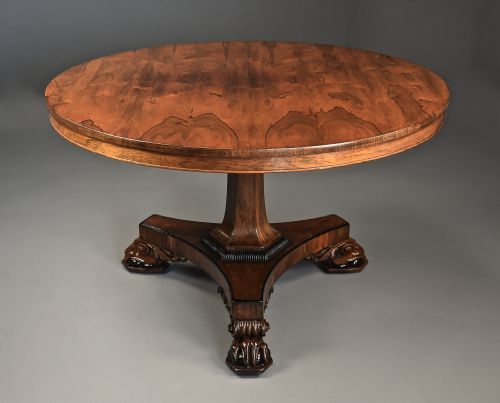
A carved pedestal breakfast table is primarily a nineteenth-century form spanning the Regency, William IV and Victorian periods. These pieces frequently appear in rosewood and burr walnut, often featuring circular or oval tops supported by heavy carved bases.
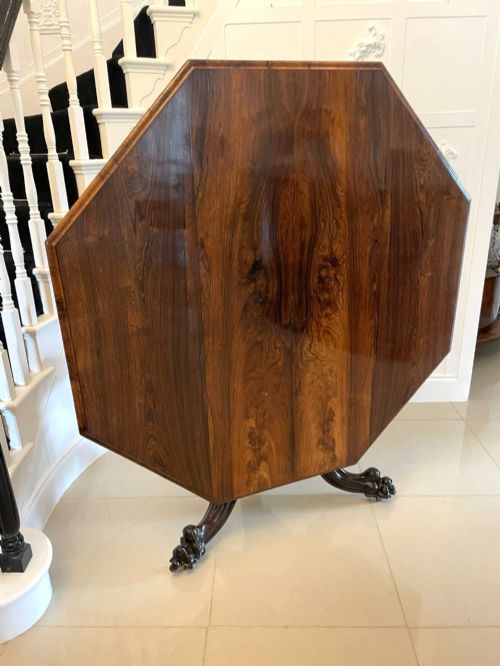
Makers designed these heavy timber pieces for domestic dining and social rooms, incorporating tilt-top mechanisms that allowed the top to stand vertically against a wall. The scale ranges from compact tripod tables to grand six-seater models with triform or quadrapod pedestals.
How they were made
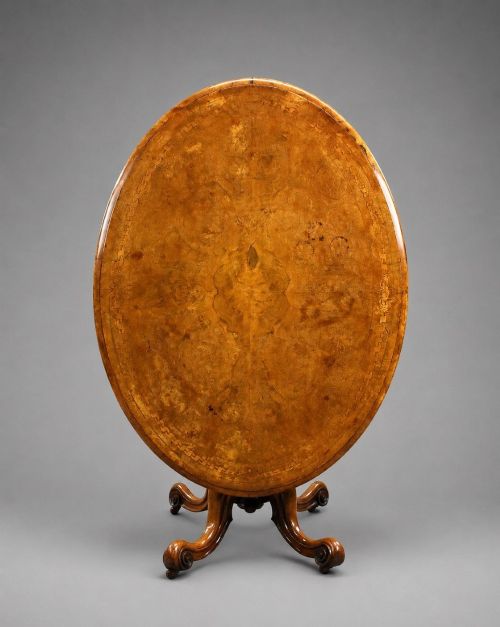
Cabinetmakers constructed these tables using solid foundational timbers like mahogany and oak, applying finely figured veneers such as burr walnut, flame mahogany and rosewood across the prominent surfaces. Craftsmen utilised boxwood inlay and marquetry for decorative contrast on tabletops.
The central pillars and heavy feet required substantial turning and hand carving, often featuring scrollwork, acanthus leaves and solid rosewood components. Tilt-top mechanisms relied on brass catches and sturdy timber blocks to secure the heavy top in position.
Carved Pedestal Breakfast Table Retail Price Guide 2026
Typical asking prices for carved pedestal breakfast table among the pieces listed under this phrase on Sellingantiques today, from the lower quarter to the upper quarter. They describe what is for sale here now, not the wider market.
What varies in quality
The choice of timber grain dictates the visual appeal of a piece, with richly figured burr walnut and book-matched rosewood veneer marking the upper tier of production. Plain or hastily matched timbers indicate simpler workshop output.
Carving depth and sharpness on the pedestal and base separate standard production from exceptional cabinet work. Crisp hand-chiselled foliage and solid timber bases outshine shallow machine-carved details and applied mouldings.
Gillows
The Carved Pedestal Breakfast Table Glossary
- Tilt-top
- A tabletop hinged to the pedestal base so it can pivot vertically to save space. This mechanism uses a brass catch to lock the surface horizontal.
- Triform base
- A pedestal support resting on three feet or a triangular platform. This design provides stability for heavy circular breakfast tables.
- Quadrapod base
- A pedestal supported by four feet radiating outwards. It typically carries larger oval or round tabletops from the Victorian era.
- Loo table
- A large nineteenth-century round or oval table used for card games and breakfast. These pieces commonly feature tilt-top mechanisms.
- Burr walnut
- Timber taken from a walnut tree growth showing intricate swirling grain patterns. Cabinetmakers sliced this wood into thin veneers for tabletops.
Carved Pedestal Breakfast Table: Frequently Asked Questions
How do I date a pedestal table?
Dating relies on observing the combination of timber choices, base geometry, and carved details. Regency and William IV examples often display heavier rosewood construction with bold scrolling pillar supports, while later Victorian pieces frequently showcase burr walnut veneer and oval tops.
Cabinetmaking techniques inside the pedestal and the presence of secret drawers or specific wood types like pollard oak also offer clues. Comparing the base carving style to documented workshop patterns helps narrow the decade of production.
How do I care for a rosewood table?
Polished timber surfaces require protection from direct sunlight to prevent the rich rosewood and walnut colours from fading over decades. Keeping the room at a stable humidity level prevents the underlying timbers from splitting or the veneer from lifting.
Dusting with a dry soft cloth maintains the finish without moisture damage. Avoid placing hot dishes or wet glasses directly onto antique polish to prevent permanent ring marks.
Where were these tables used?
These tables stood primarily in country house morning rooms, large parlours, and dining spaces where families gathered for breakfast or social card games. Their versatile size made them suitable for central placement in spacious reception rooms.
The tilting mechanism meant servants could easily move and store the furniture to transform the room for dancing or entertaining guests.