


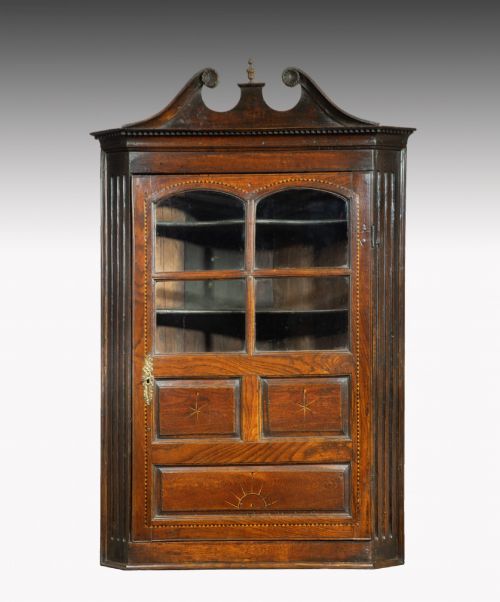
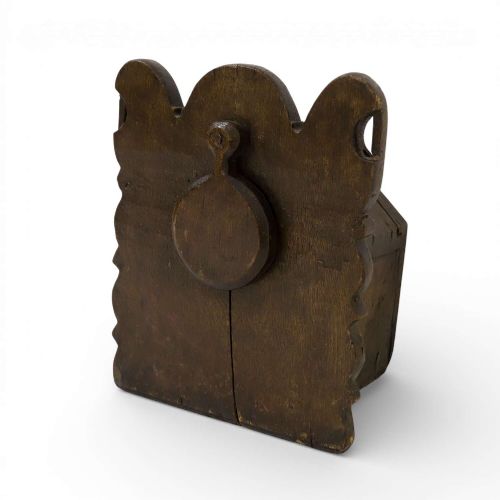
Carved Oak Wall Hanging
A carved oak wall hanging brings substantial texture to a room, spanning useful cupboards and mirrors built across centuries.
Carved Oak Wall Hanging
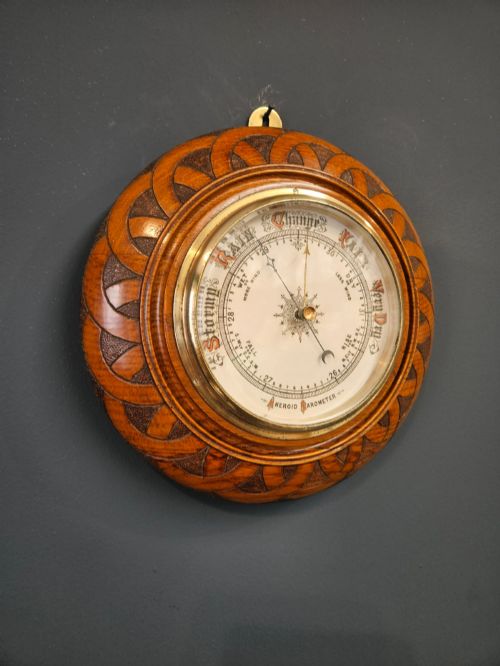
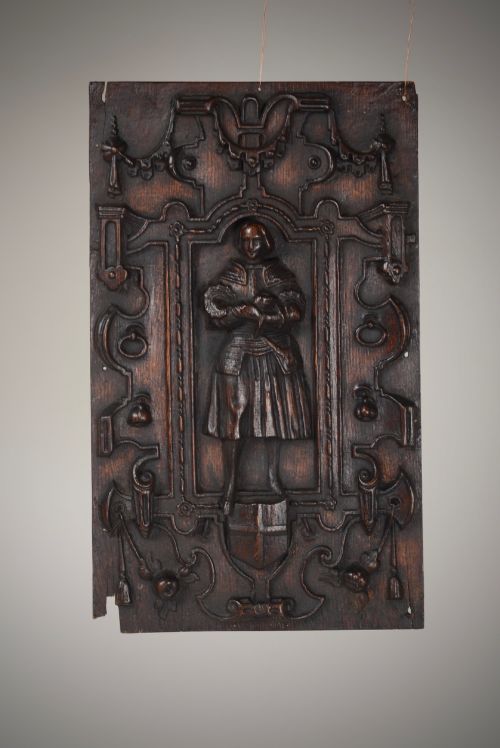
A carved oak wall hanging encompasses a diverse group of functional and decorative domestic items designed to be mounted on a room's vertical surfaces. The selection ranges from 17th-century panels and salt boxes to Victorian cupboards, mirrors, and barometers.
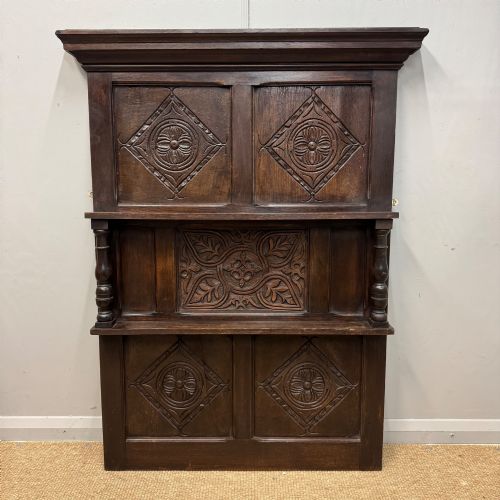
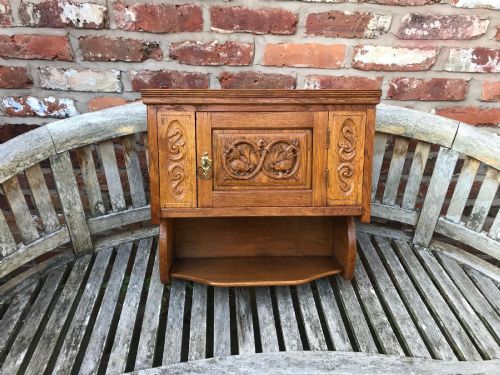
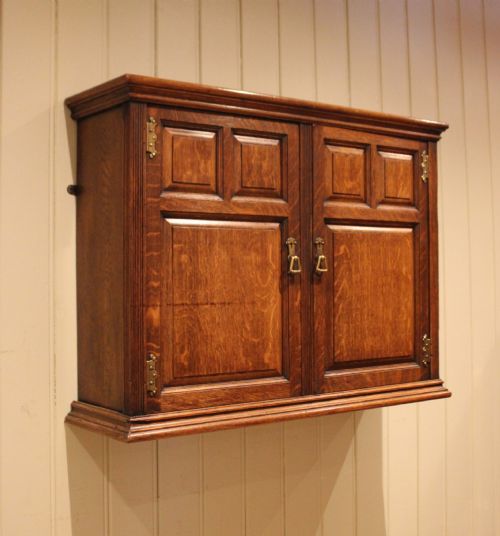
The most common iterations met here are Victorian and 19th-century pieces, including wall cabinets, mirrors, and hanging shelves fashioned from solid timber. These objects often display regional British craftsmanship alongside continental European influences such as French Rococo or Gothic Revival.
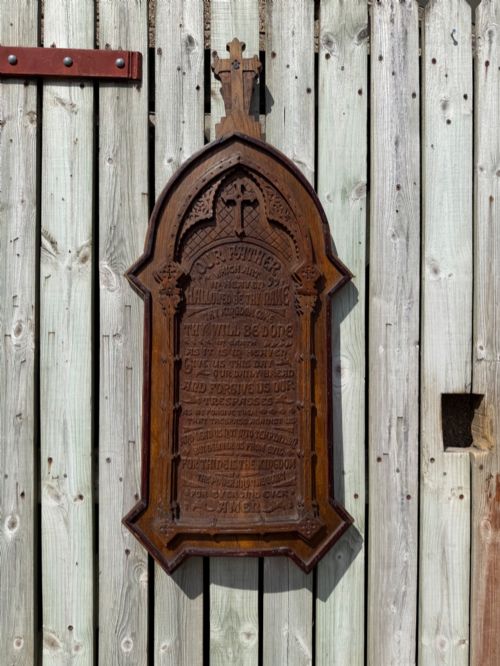
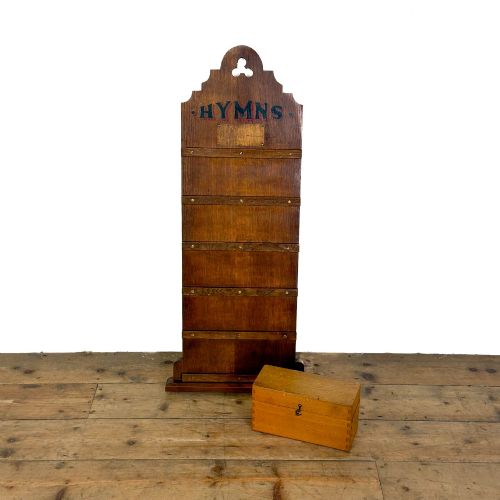
Beyond storage cabinets and mirrors, the form extends to specialised items like barometer cases, coat racks, and hymn boards. Each piece utilises wall space practically while showcasing period woodworking traditions.
Materials and Construction
The foundation of these pieces is solid oak, selected for its durability and prominent grain, frequently paired with secondary elements like brass, iron hardware, and glass. Iron hinges, latches, and red paint traces appear on earlier domestic boxes, while later barometers incorporate brass bezels and thermometers.
Makers employed traditional carving techniques, ranging from deep relief work on panels and cupboard doors to chip carving and fret cutting on mirrors and shelves. Surfaces were sometimes left scrubbed or bleached, while others retained historic finishes, gilding, or pokerwork decoration.
One surviving 18th-century board bears a date, initials, and text, proving that kitchen chores once came with a side of permanent record-keeping.
Assessing Quality and Execution
Quality in a carved oak wall hanging rests on the depth and crispness of the carving, distinguishing mechanically repetitive patterns from hand-executed relief work. The handling of the timber grain and the integrity of the original joints dictate the structural longevity of items like corner cupboards and hanging cabinets.
The presence of original hardware, such as hand-hammered iron hinges or period brass dials on barometers, elevates an object's integrity. Finer examples balance robust construction with balanced proportions, whether in a simple candle box or an elaborate overmantel mirror.
Hyde & Sons Sleaford·John Moyr Smith
The Carved Oak Wall Hanging Glossary
- Aneroid barometer
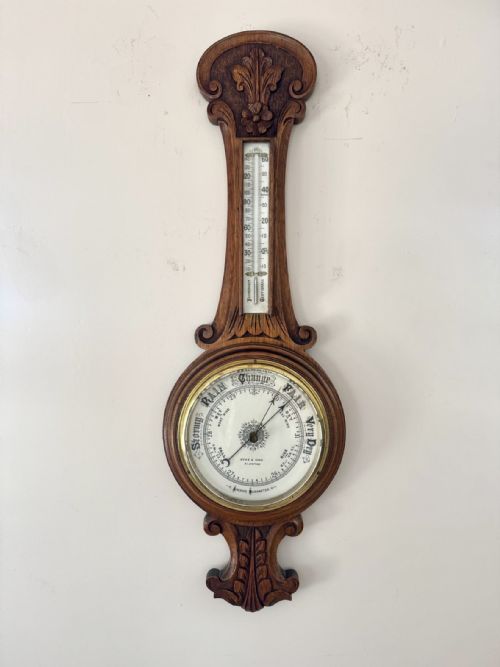
- A device that measures atmospheric pressure using a flexible metal box rather than liquid mercury. These instruments are frequently housed in carved oak wall cases dating from the Victorian and Edwardian eras.
- Salt box
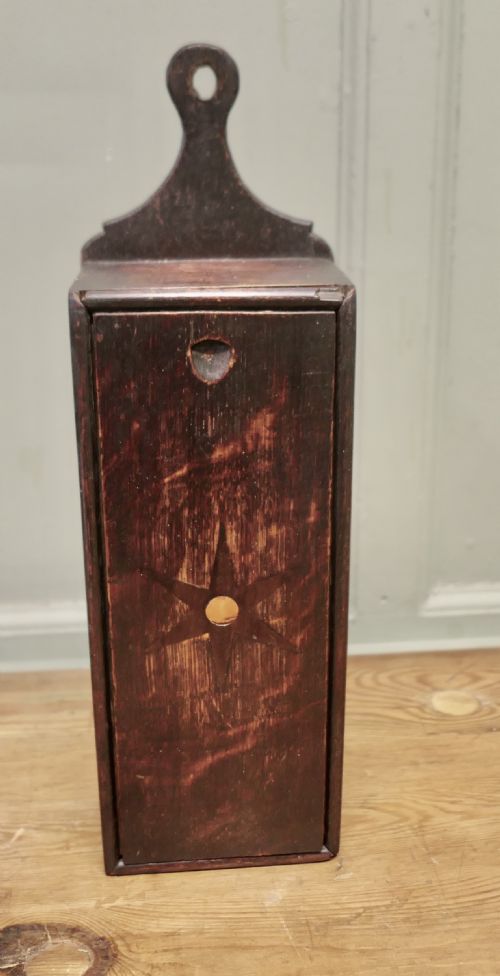
- A domestic wall-mounted container historically used for storing dry kitchen salt. Early examples often feature hinged sloping lids and original iron hardware.
- Overmantel panel
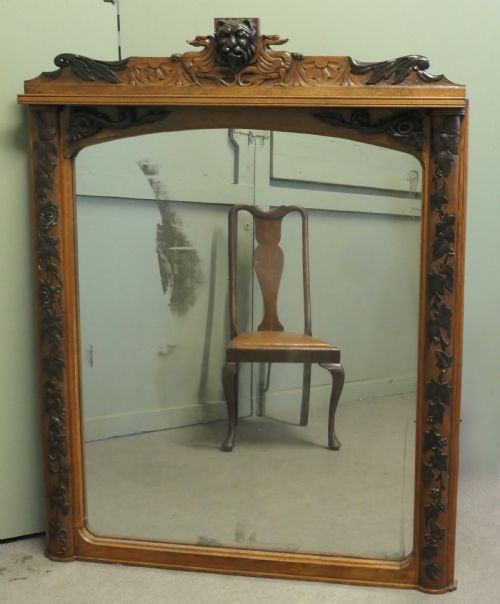
- A large decorative woodwork element or mirror designed to be hung specifically above a fireplace mantelpiece. They often feature extensive relief carving or gilt gesso details.
- Chip carving
- A primitive decorative technique where small chips are removed from the surface of the wood to create geometric patterns. This method appears on Dutch Frisian boards and folk art pieces.
- Pokerwork
- A method of decorating wood by burning designs into the surface with a heated tool. The Arts and Crafts movement utilised this technique on wall-mounted cabinets.
Carved Oak Wall Hanging: Frequently Asked Questions
How do I hang a heavy oak wall cabinet safely?
Heavy wall cabinets require secure fixing directly into wall studs or the use of appropriate masonry anchors depending on your wall type. Ensure the internal mounting brackets or historic hanging loops are structurally sound before loading the interior.
Distributing weight evenly inside cupboards prevents undue stress on antique joints and original hinges over time.
Were these barometers originally designed for walls?
Yes, barometer cases from the Victorian period onwards were specifically constructed with hanging apertures or flat backs for vertical display. They served both a scientific purpose for weather forecasting and a decorative function in the home.
Many incorporate carved oak frames matching the domestic furniture styles of their respective decades.
How should I care for antique oak wood?
Maintain antique oak by dusting with a dry, soft cloth and avoiding modern silicone-based polishes that build up on the wood surface. Natural wax can be applied sparingly to nourish dry timber when necessary.
Keep pieces away from direct heat sources and strong sunlight to prevent the oak from splitting or the historic finish from fading.
Can I date a piece by its carving style?
Carving styles offer strong clues to a piece's age, reflecting the prevailing aesthetics of periods like the 17th century, Gothic Revival, or Arts and Crafts. For instance, geometric strapwork usually points to earlier centuries, while stylized floral motifs often indicate late Victorian production.
Combining stylistic analysis with an inspection of the timber, fastenings, and backboards yields the most accurate date.