

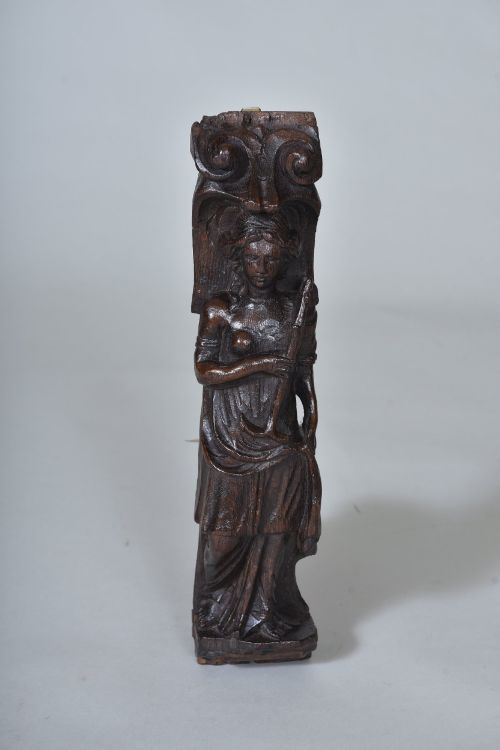
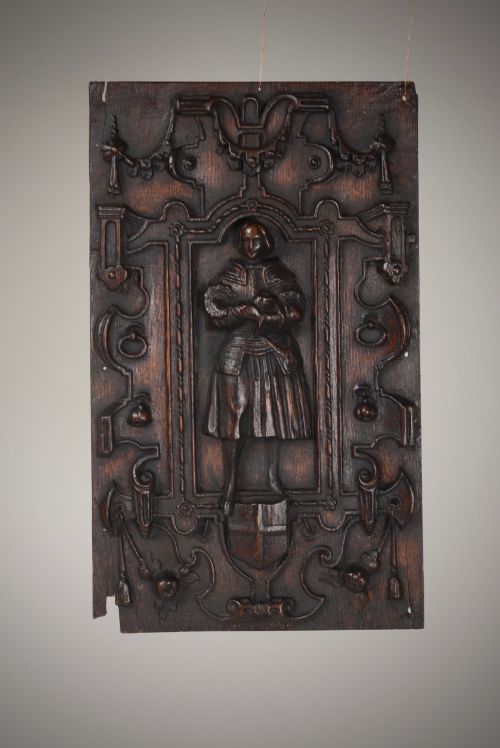
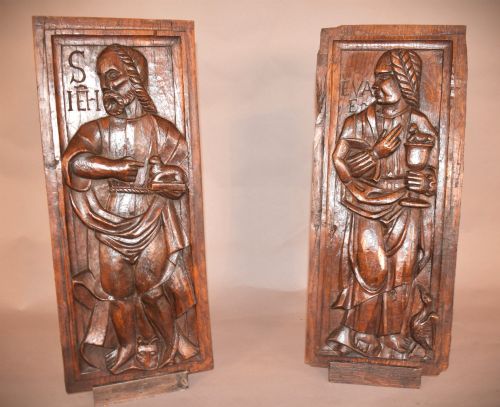


Carved Oak Figure Panel
A carved oak figure panel brings centuries of architectural history indoors, offering tangible relief work and figurative sculpture for the collector.
Carved Oak Figure Panel
A carved oak figure panel captures historical craftsmanship through wooden relief work, wall art, and architectural salvage. These works range from early pieces featuring figures like Joan of Arc and angels to later classical scenes.
Most examples found here date from the sixteenth century through to the nineteenth century, encompassing Jacobean, Gothic Revival, and Renaissance styles. Buyers encounter both single panels and pairs depicting men, women, and mythical creatures.
Originating as architectural elements or furniture components, these carvings function primarily as wall sculptures and plaques today. The selection includes specific figurative representations alongside architectural fragments like caryatids and griffin terminals.
How they were made
The primary material across the selection is oak, supplemented occasionally by fruitwood for specific furniture elements. Artisans also applied polychrome paint to enhance certain carved wooden surfaces.
Makers utilised traditional hand-carving techniques to shape deep relief scenes, architectural arches, and figural sculptures directly into solid timber. These methods produced robust architectural salvage and decorative plaques designed for longevity.
Carved Oak Figure Panel Retail Price Guide 2026
Typical asking prices for carved oak figure panel among the pieces listed under this phrase on Sellingantiques today, from the lower quarter to the upper quarter. They describe what is for sale here now, not the wider market.
Forms recorded across the inventory include architectural salvage, wall sculptures, caryatid terminals, and figural reliefs.
What varies in quality
Depth and precision of the chisel work distinguish standard architectural fragments from master figurative carvings. Crisp detailing in facial expressions and drapery elevates the visual impact of individual panels.
The integrity of the timber and the preservation of original surface treatments dictate the standing of each piece. Surviving polychrome paint and stable historical structures command greater interest among collectors.
The Carved Oak Figure Panel Glossary
- Relief
- A sculptural technique where figures project from a flat background. This method defines the primary appearance of wall plaques and panels.
- Caryatid
- A carved human figure serving as an architectural support element. These serve in place of a column or pilaster.
- Polychrome
- The practice of decorating architectural elements in multiple colours. Traces of this finish survive on selected historical wood carvings.
- Ecclesiastical
- Relating to the Christian Church and its architecture. Pieces carrying this description often originate from religious furnishings or decorative schemes.
Carved Oak Figure Panel: Frequently Asked Questions
Where did these panels originate?
These panels typically derive from dismantled architectural settings, historic furniture like settles, or ecclesiastical buildings.
Craftsmen integrated them into rooms as wall art or overmantles before they entered the antiques market.
How should I hang a heavy wooden panel?
Heavy oak carvings require secure fixings anchored directly into wall studs or masonry.
Professional framing or custom metal brackets ensure the weight is distributed safely without damaging the antique timber.
How do I identify seventeenth-century work?
Seventeenth-century pieces display characteristic tool marks, dense oak grain, and specific stylistic traits associated with the Jacobean period.
Comparison with documented examples helps confirm the period of the figures and architectural motifs.
Can these panels be kept in modern rooms?
These carvings adapt well to contemporary interiors when placed away from direct heat sources and sudden humidity changes.
Stable indoor environments protect the dry oak and any surviving polychrome paint from degradation.