

Carved Oak Furniture Panel
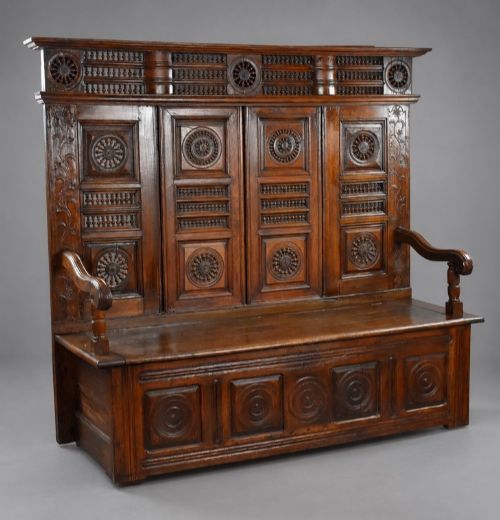
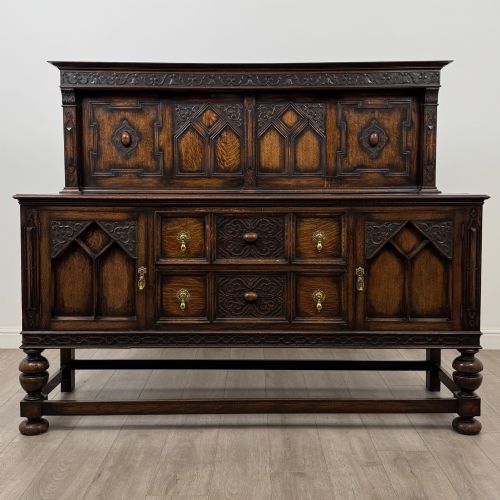
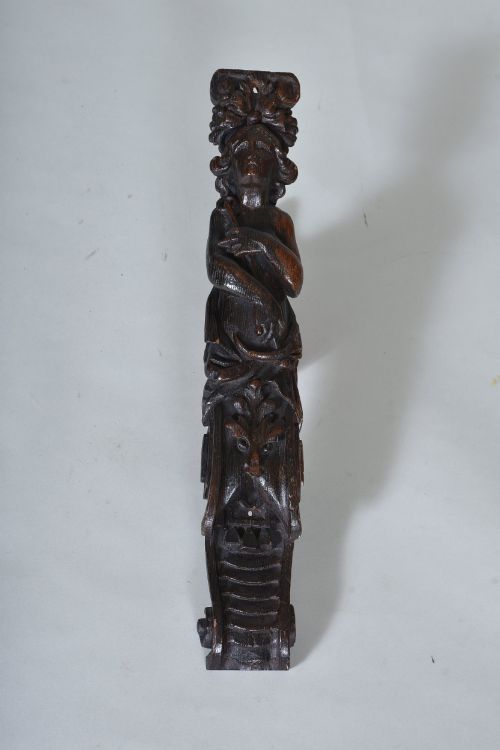
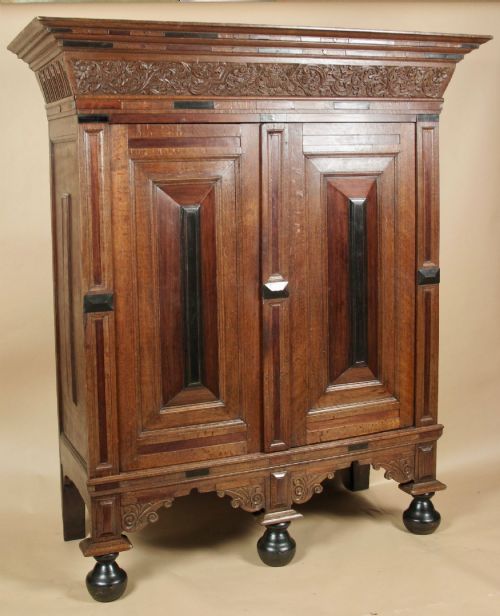
When you search for carved oak furniture panel, you seek timber fragments that once formed parts of larger historical pieces like coffers, cupboards and wainscot chairs.
Carved Oak Furniture Panel
A carved oak furniture panel represents a distinct segment of historical woodwork, frequently salvaged from older items or created as decorative elements within larger domestic structures. When buyers examine this phrase, they encounter components originating from periods such as the seventeenth century, the eighteenth century, and the Edwardian era.
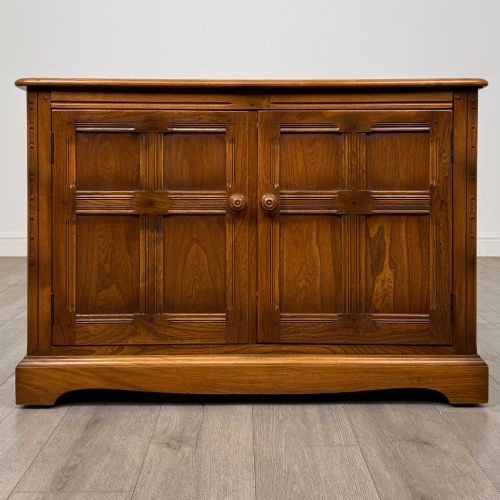
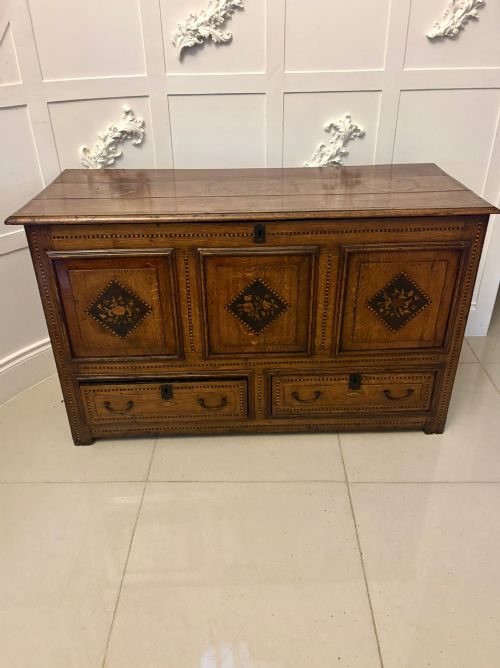
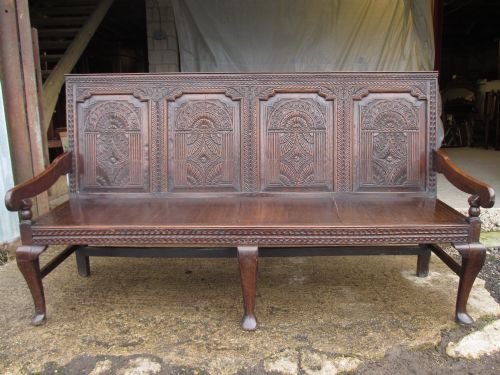
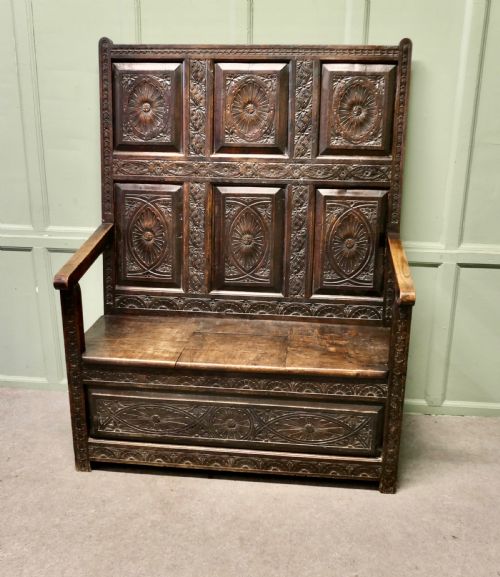
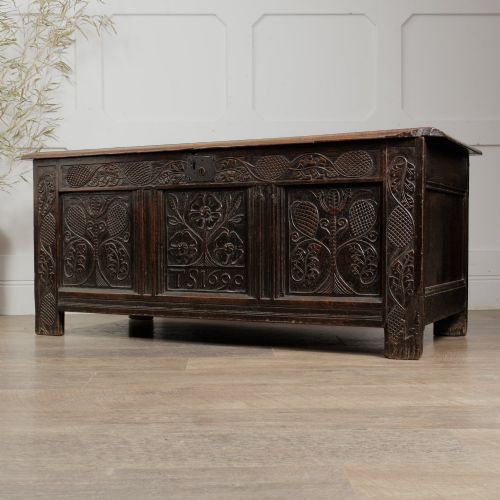
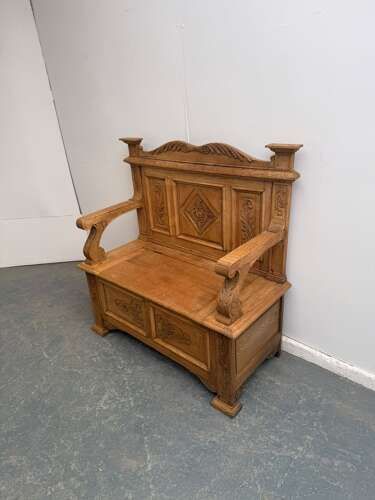
The objects associated with this search term often include individual carved sections alongside complete items that incorporate prominent panelwork, such as mule chests, coppers, and armchairs. Pieces span regional English origins, including Welsh and Lancashire workshops, reflecting traditional domestic joinery.
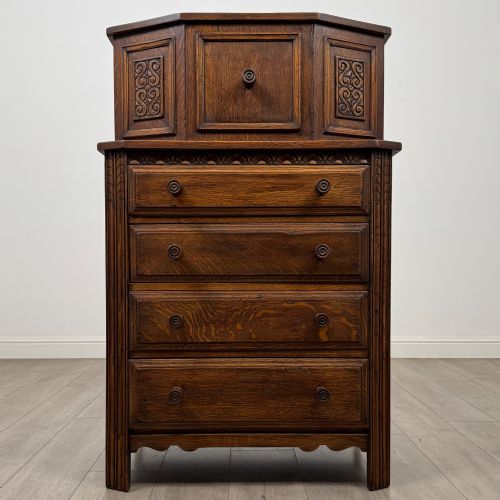
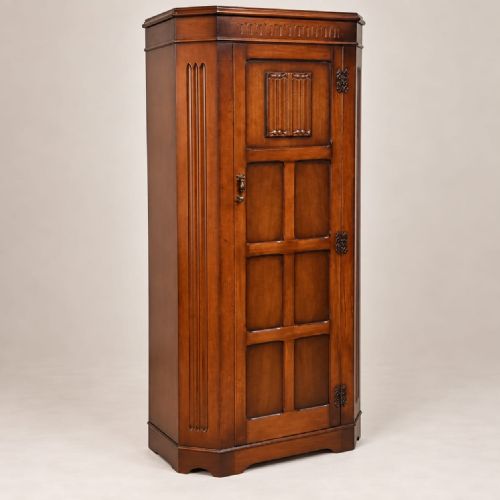
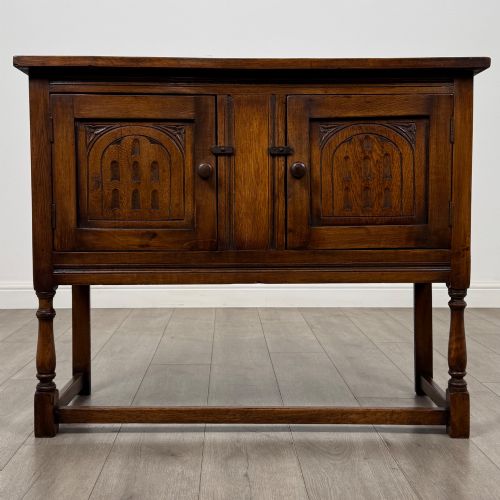
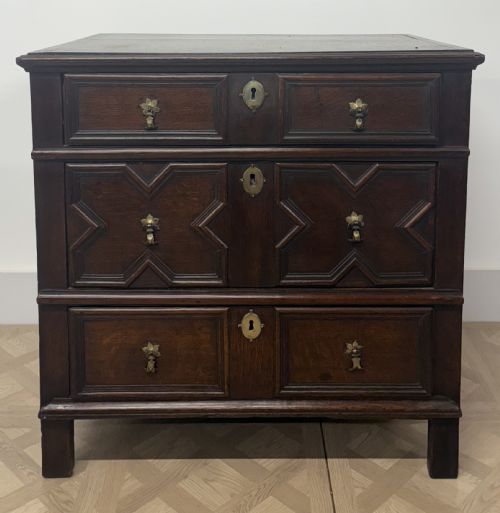
Jacobean and Charles II styles dominate the older selections, bringing deep relief carving and geometric motifs to the surface. Meanwhile, later revivals from the Victorian and Edwardian periods demonstrate how cabinetmakers continued to utilise traditional panel construction techniques.
Materials and Construction
Makers relied principally upon native oak, sometimes enhanced with secondary timbers like ebony or rosewood, alongside marquetry inlay for contrast. Construction depended on traditional joinery methods such as mortise and tenon frames designed to hold floating panels securely while allowing for natural wood movement.
Carving was executed by hand using gouges and chisels directly into the seasoned timber, producing low or high relief patterns including scrolls, foliage, and strapwork. Surfaces were typically finished with wax or left to age naturally, developing a dark patina over centuries of handling and exposure.
Current listings span periods from the 17th century through to the Edwardian era, featuring materials such as oak, brass, iron, and marquetry inlay.
Assessing Quality
Quality rests heavily upon the crispness and depth of the hand carving, where skilled depth of relief separates proficient vernacular work from simpler production. The choice of timber also dictates standing, with quarter-sawn oak displaying prominent medullary rays that signal superior log selection.
Integrity of construction matters deeply, distinguishing pieces that retain their original pegged joinery and untouched surfaces from those altered or assembled from disparate fragments at a later date. Age-related wear should appear natural and harmonious across the entire wooden surface.
The Carved Oak Furniture Panel Glossary
- Mule chest
- A traditional storage chest featuring one or more drawers beneath the main internal compartment. These hybrid items bridge the design gap between simple coffers and full chests of drawers.
- Wainscot chair
- A heavy wooden armchair constructed using joined panel techniques rather than turned framing. They are principally associated with seventeenth-century domestic interiors.
- Marquetry inlay
- The art of applying thin slices of various coloured woods into a prepared surface to form decorative patterns. It frequently highlights panels on high-status furniture.
- Medullary rays
- Natural ribbon-like flecks visible in quarter-sawn oak that indicate high structural stability and premium timber selection. Collectors actively look for this visual characteristic.
- Coffer
- A large rectangular box used for domestic storage, often featuring front panels decorated with carved motifs. Early examples frequently utilise heavy pegged oak construction.
Carved Oak Furniture Panel: Frequently Asked Questions
What is a carved oak furniture panel?
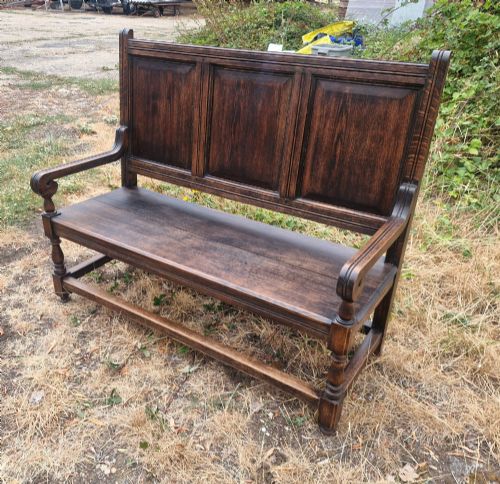
A carved oak furniture panel is a flat wooden component, often decorated with relief carving, that serves as a structural or decorative element within larger items like chests, cupboards, and settles.
These pieces showcase historical joinery and decorative motifs ranging from seventeenth-century strapwork to later revival styles.
How were these panels historically used?
Carpenters integrated these panels into the framework of domestic furniture to enclose space while accommodating the natural expansion and contraction of timber.
They formed the decorated fronts of coffers, the backs of wainscot chairs, and the doors of cupboards in early homes.
How can I tell the period of oak furniture?
Dating relies on observing tool marks, construction methods such as hand-cut pegs, and the specific style of the carving relative to known historical eras.
Earlier seventeenth-century pieces display different joinery rhythms and patination compared to Victorian or Edwardian revivals.
How do I care for antique oak panels?
Maintain these wooden items by keeping them away from direct heat sources and sudden humidity changes that cause timber to split or warp.
Applying a traditional beeswax polish occasionally helps nourish the surface and preserve the historic patina.