
Arts and Crafts Panel
An arts and crafts panel brings tangible texture and honest historic craft into a room through carved timber, beaten metal or coloured glass.
Arts and Crafts Panel
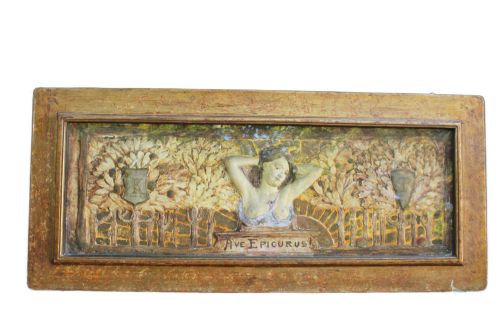
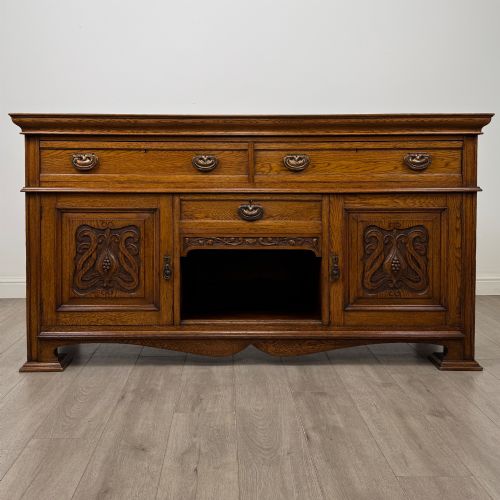
When you search for an arts and crafts panel, you encounter a varied selection of architectural fragments, furniture inserts, and dedicated decorative artworks originating from the late nineteenth and early twentieth centuries. These pieces display the characteristic hand of the maker, whether carved directly into solid timber or worked in metals such as copper and brass.
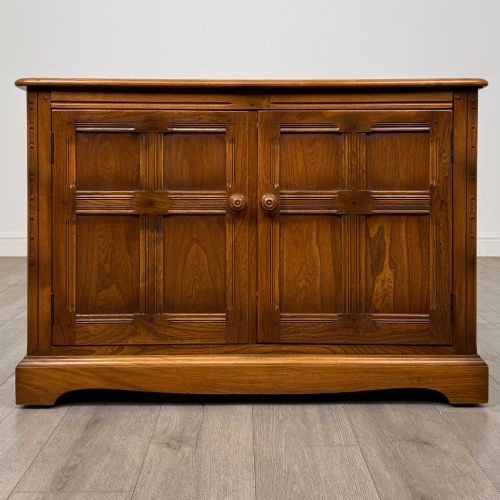
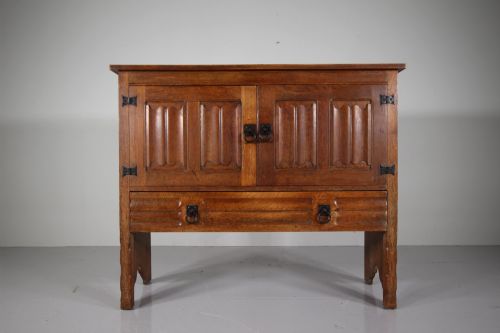
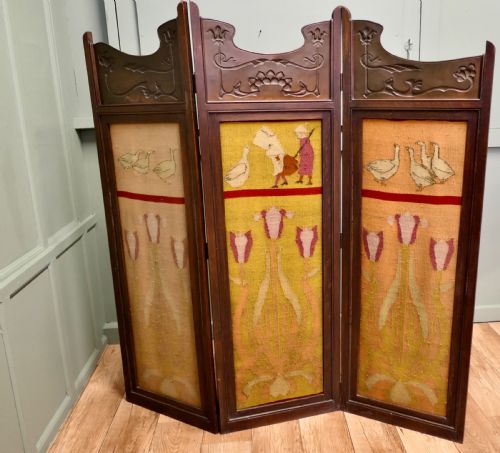
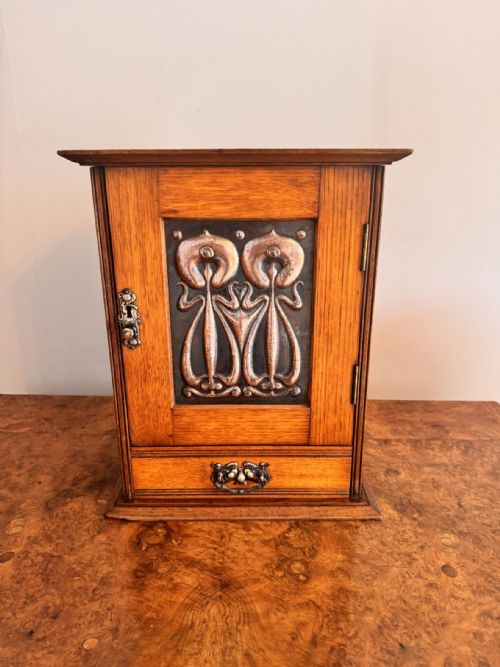
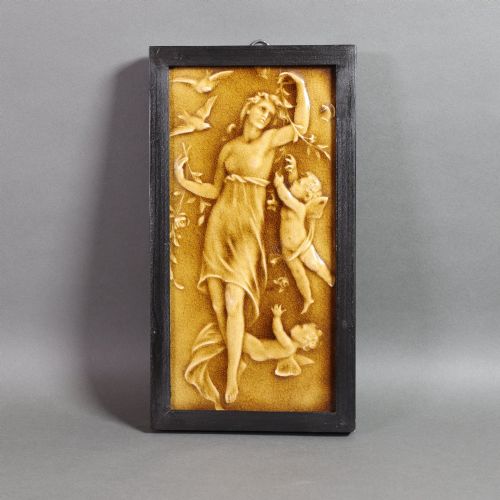
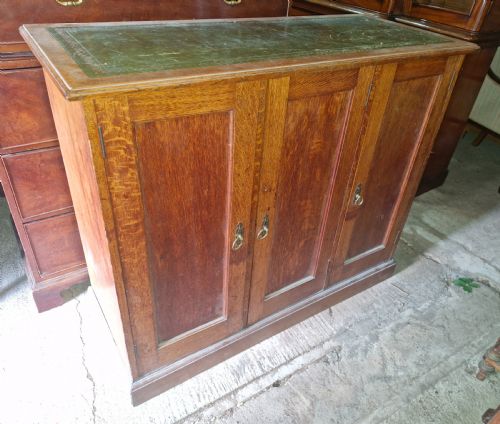
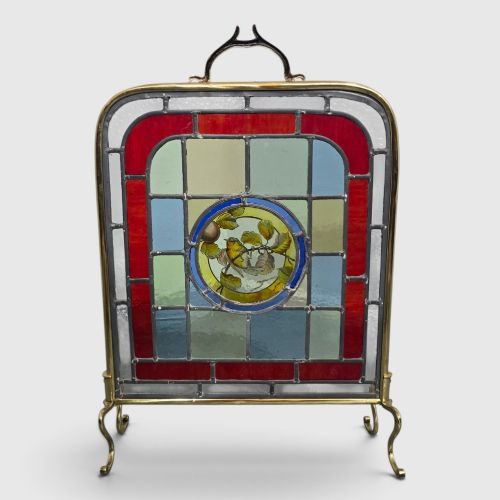
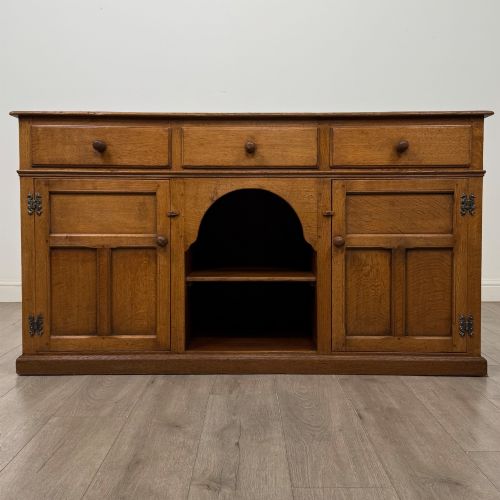
The most common versions on this page are carved oak panels featuring traditional motifs like parchment folds or saints, alongside metal panels integrated into cabinets, fire screens, and room dividers. Stained glass windows and painted tiles also appear frequently under this search, reflecting the movement's wide embrace of different domestic media.
Origins stretch across the Edwardian era back through the late nineteenth century, capturing the height of the British Arts and Crafts movement alongside later revivals. Buyers often utilise these panels for architectural salvage projects, wall hanging, or as standalone decorative accents within period interiors.
Judging the Workmanship
Quality rests primarily on the depth and confidence of the hand execution, distinguishing genuine studio pieces from mass-produced decorative imitations. A superior carved panel reveals crisp, deliberate chisel marks rather than the uniform flatness associated with mechanical routing.
The choice of materials further elevates a piece, with heavy gauge metals, well-fired enamels, and select quarter-sawn oak demonstrating superior workshop standards. Integration into original furniture or framing also dictates desirability, as panels retained within their intended cabinets or screens hold greater historical context.
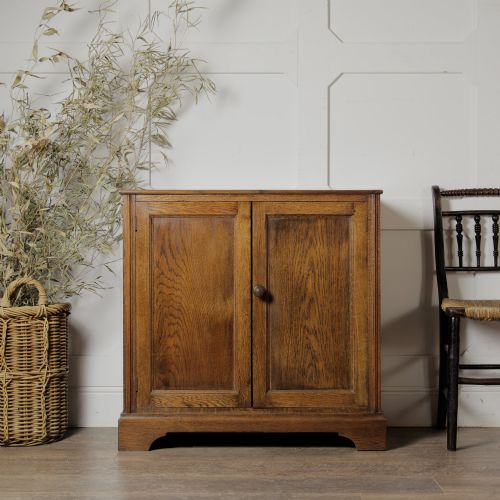
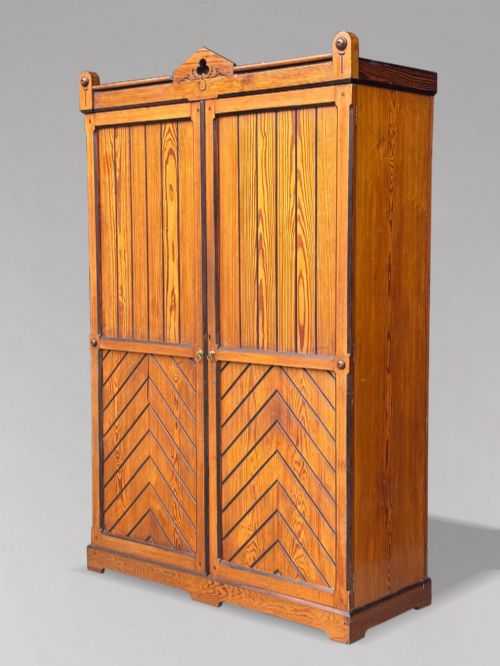
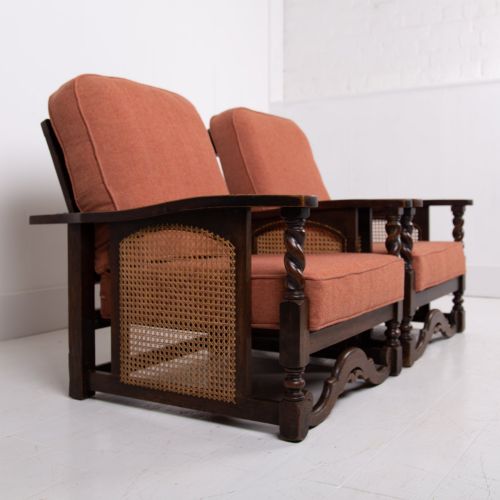
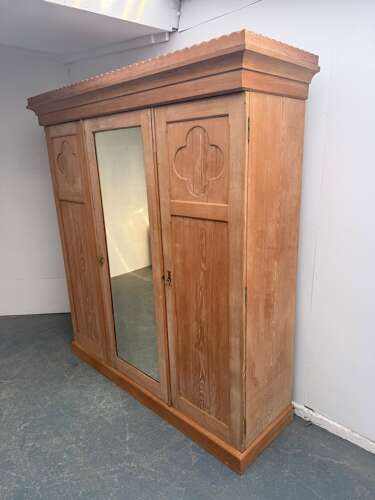
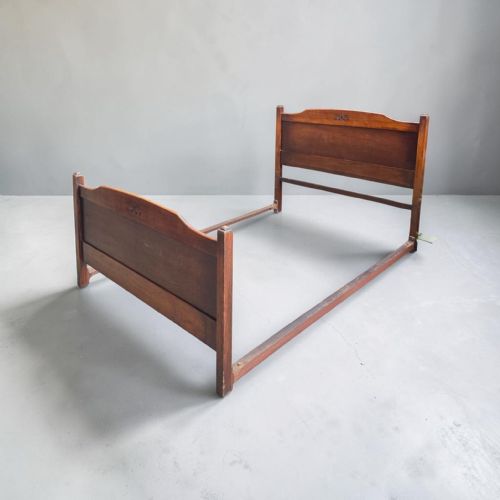
The documented forms range from large wardrobes and room dividers to small tiles, mirrors, and framed textile hangings.
Liberty & Co·Murrle Bennett·Maple & Co·Rowley Gallery·Heals·William Morris
The Arts and Crafts Panel Glossary
- Parchemin
- A style of wood carving that mimics folded parchment or linen, frequently seen on late nineteenth-century oak panels. This technique adds linear texture to furniture surfaces without requiring deep sculptural relief.
- Repoussé
- A metalworking technique where the artisan hammers the design from the reverse side to create a raised relief on the front. Copper and brass panels often utilise this method to depict floral or mythical motifs.
- Lead light
- A window or panel constructed from small panes of glass held together by narrow strips of lead came. These are common in cabinets and folding screens from the Edwardian period.
- Crewelwork
- A type of embroidery using wool yarn on a heavy fabric ground, used historically for decorative wall hangings and textile panels. It provides a tactile, multi-textured surface popular in early twentieth-century interiors.
Arts and Crafts Panel: Frequently Asked Questions
How were these panels originally used in homes?
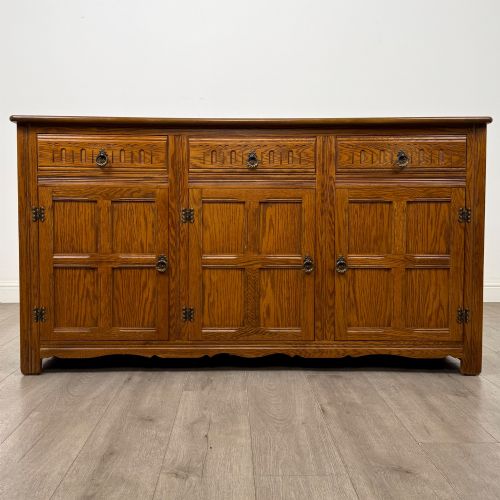
Many panels served as structural components of larger furniture pieces like cupboards, sideboards, and coppers, or functioned as standalone decorative wall hangings.
Others were incorporated into architectural settings such as church screens, room dividers, and fire guards to add warmth and artistic expression to domestic spaces.
Are these panels suitable for modern wall mounting?
Most wooden and metal panels lend themselves well to wall display provided appropriate fixings are used to support their weight.
It is important to assess the reverse of each piece to ensure stable hanging points or framing are present before installation.
What distinguishes Arts and Crafts from Art Nouveau?
The Arts and Crafts movement typically emphasises honest construction, traditional materials, and medieval or folk-inspired motifs like oak foliage and heraldic figures.
Art Nouveau introduces more fluid, asymmetrical, and whiplash organic lines, though the two styles frequently overlap in pieces from around nineteen hundred.
How do I care for antique oak and copper?
Oak benefits from occasional treatment with traditional beeswax to nourish the timber and maintain a soft, protective sheen without sealing the grain.
Copper panels require minimal intervention, needing only gentle dusting to preserve the natural historic patina accumulated over the decades.