
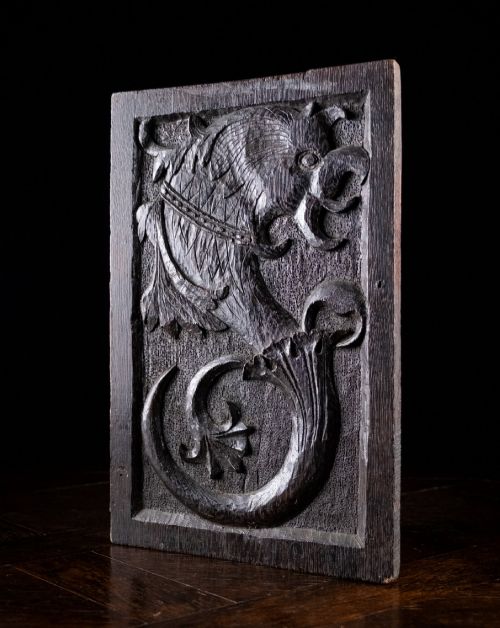
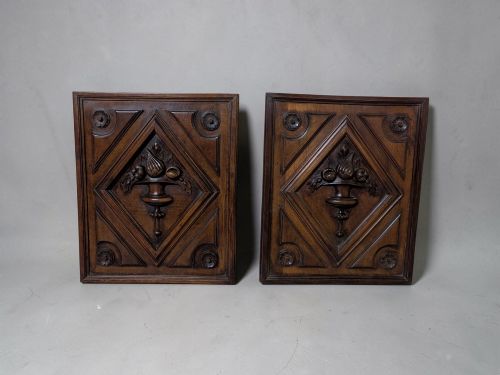
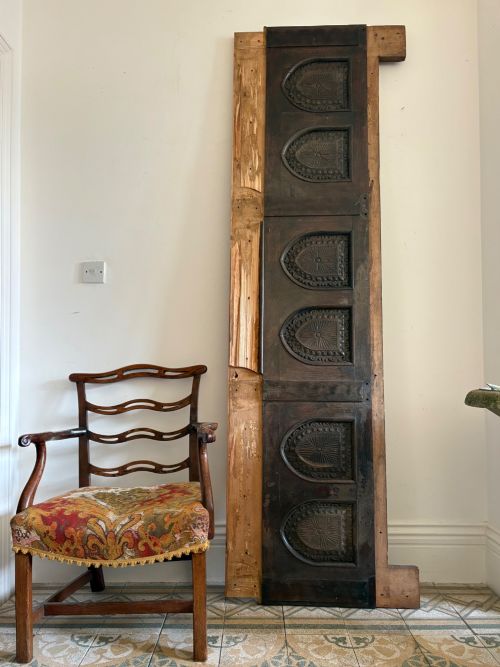
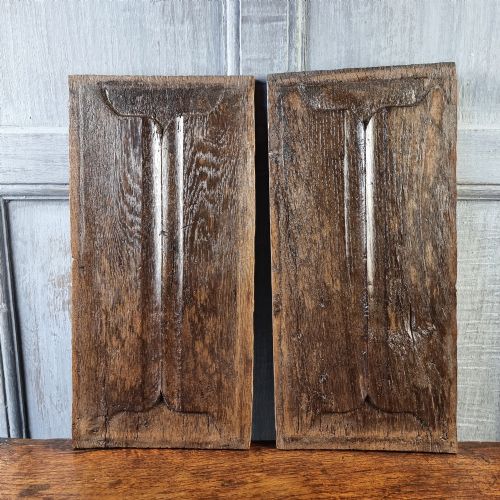




Dark Oak Decorative Panel
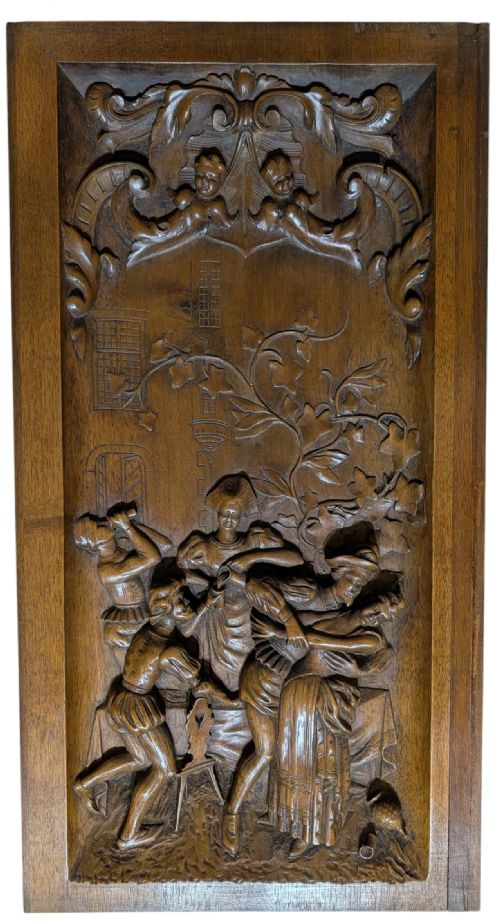
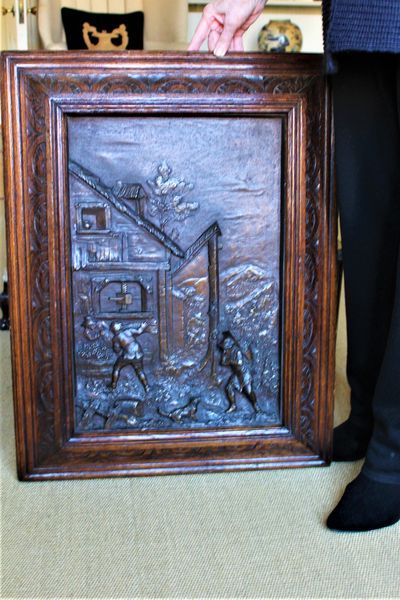
A dark oak decorative panel brings centuries of carved grain and heavy timber directly to an interior wall.
Dark Oak Decorative Panel
A dark oak decorative panel brings historic architectural salvage and carved woodwork directly into modern interiors as wall art or fitted joinery. Buyers searching for a dark oak decorative panel will encounter architectural fragments, fire screens, wall plaques, and coffers derived from centuries of carpentry.
The selections available range from early sixteenth and seventeenth century linenfold and parchemin carvings to nineteenth century revivals inspired by Tudor and Jacobean motifs. Most examples found here originate from British domestic or ecclesiastical buildings, showing the deep patination of aged timber.
Forms vary from single carved panels to pairs and sets of four door panels intended for wall mounting or display. These wooden works demonstrate the enduring appeal of dense grain finished with centuries of wax and handling.
How they were made
Carpenters shaped these panels using native oak, chosen for its durability and suitability for deep relief carving. Artisans employed hand chisels and gouges to produce motifs like linenfold, parchemin, and geometric Renaissance Revival patterns directly into the solid timber.
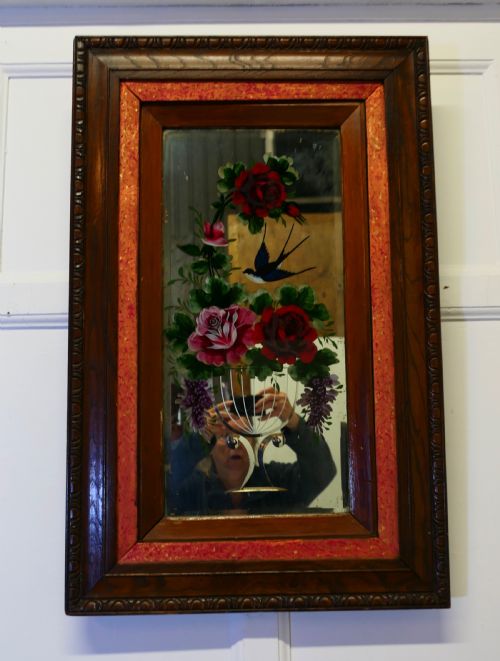
Surfaces developed their characteristic dark tone through centuries of oxidation, polishing, and wax application rather than modern staining. Some pieces incorporate secondary materials such as ebonised wood, silk embroidery, or mirror plate to create contrasting decorative fire screens and wall mirrors.
Materials recorded across the inventory include solid oak, ebonised wood, silk embroidery, and mirror plate.
What varies in quality
Quality in a dark oak decorative panel rests upon the crispness of the hand carving and the depth of the relief work. Pieces featuring intricate linenfold or figurative elements display a superior command of the timber compared to simpler, mechanical incisions.
The integrity of the original wood grain and the natural patination acquired over centuries dictate the visual weight of the panel. Early sixteenth and seventeenth century examples retain an authenticity of construction that later revivals attempt to emulate through historicism.
The Dark Oak Decorative Panel Glossary
- Linenfold
- A style of relief carving on wooden panels that imitates folded linen cloth. This design gained prominence in Tudor joinery.
- Parchemin
- A type of carved panel decoration resembling rolled parchment or paper. It appears frequently in late medieval and sixteenth century woodwork.
- Architectural salvage
- Building elements rescued from structures slated for demolition or alteration. These fragments include carved panels, doors, and stonework.
- Ebonised wood
- Timber treated with chemical stains or black finishes to imitate ebony. This technique was popular in Victorian and revival furniture.
- Renaissance Revival
- An architectural and decorative style drawing on sixteenth century classical motifs. Makers applied these symmetrical patterns to furniture and wall panels.
Dark Oak Decorative Panel: Frequently Asked Questions
How do I hang a heavy wooden panel?
Heavy oak panels require secure fixing directly into wall studs or masonry using appropriate brackets. Professional installation ensures the substantial weight of the timber is safely supported.
Many architectural panels feature built-in rebates or mounting battens on the reverse to facilitate hanging. Consult a specialist framer if the panel lacks standard fixing points.
How do I clean dark oak wood?
Dust the carved surfaces regularly with a soft, dry lint-free cloth to prevent dirt accumulation within the recesses. Avoid using commercial liquid polishes or water on aged timber.
Apply a microcrystalline wax sparingly once a year if the wood appears dry, buffing it gently to maintain the historic sheen. Preservation relies on keeping the panel away from direct heat sources and moisture.
How can I tell a sixteenth century panel from a nineteenth century revival?
Sixteenth century panels exhibit hand-split timber marks, pegged joints, and uneven tool work consistent with early carpentry. The patination shows deep integration into the grain from centuries of handling.
Nineteenth century revivals often display mechanical saw marks and standardised dimensions beneath the historicist carving style. Comparing the back of the panel reveals the construction methods specific to each period.
Where were these decorative panels originally placed?
These carved elements formed parts of larger architectural schemes inside grand houses, churches, and public buildings. They lined walls as wainscoting or comprised doors on coffers and cabinets.
Over time, individual sections were salvaged as interiors were dismantled or remodeled. Today they function primarily as standalone wall art or architectural ornaments.