

Carved Oak Dresser Cabinet
A carved oak dresser cabinet combines substantial storage with historic character, spanning periods from the seventeenth century through the Edwardian era.
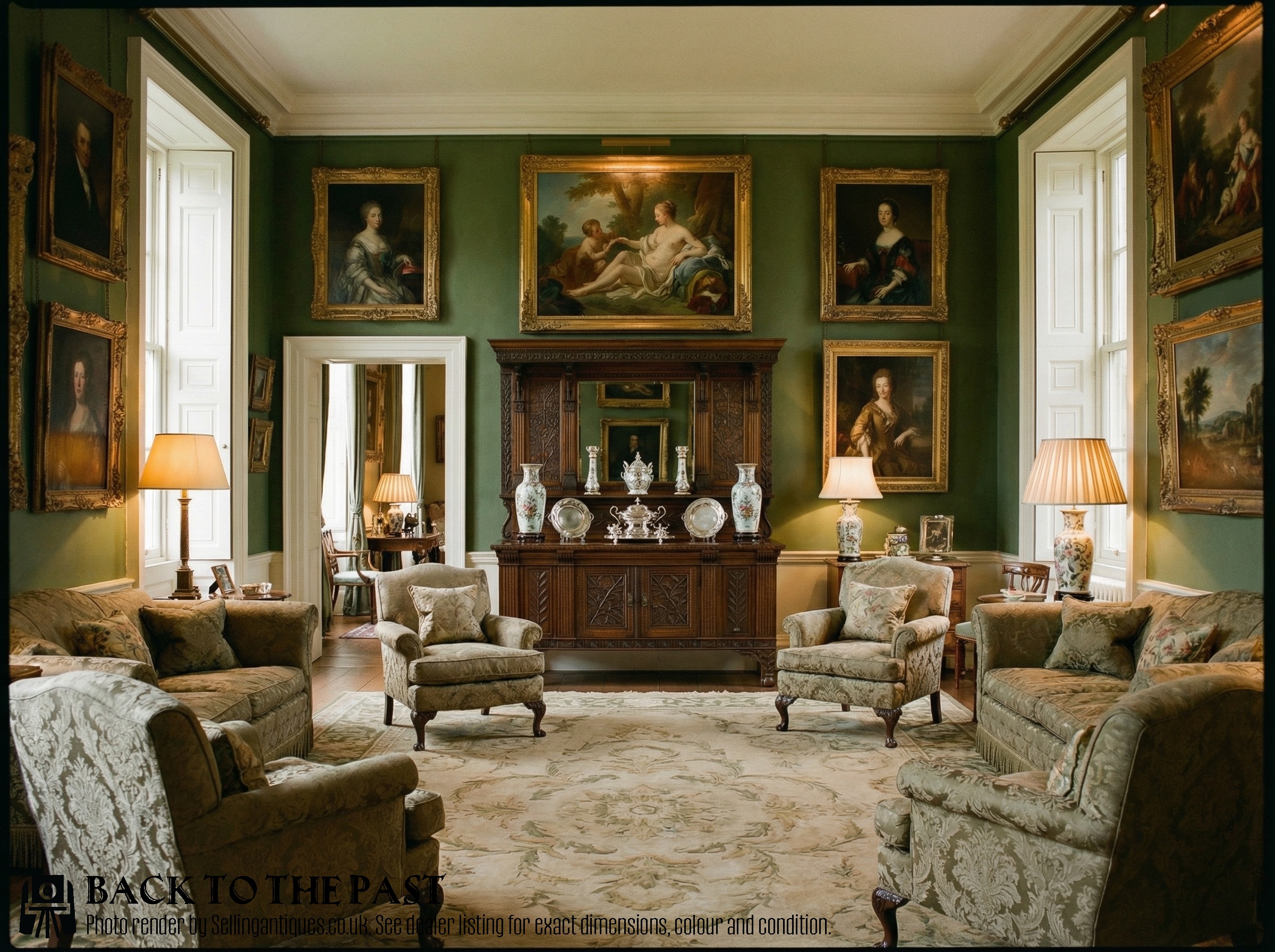
Carved Oak Dresser Cabinet
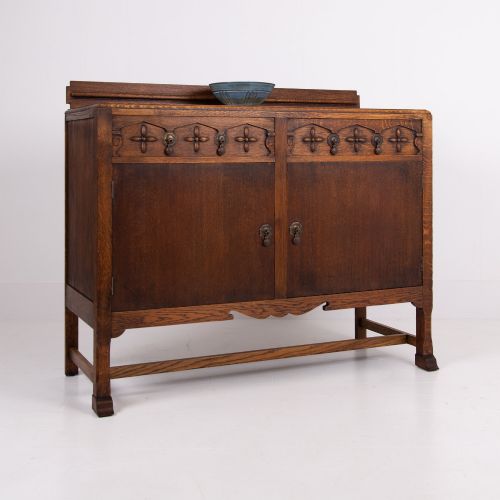
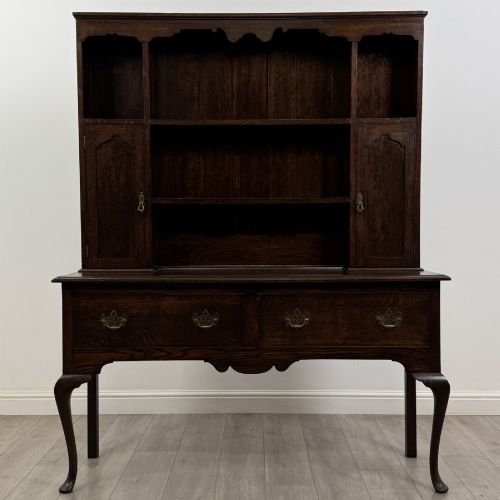
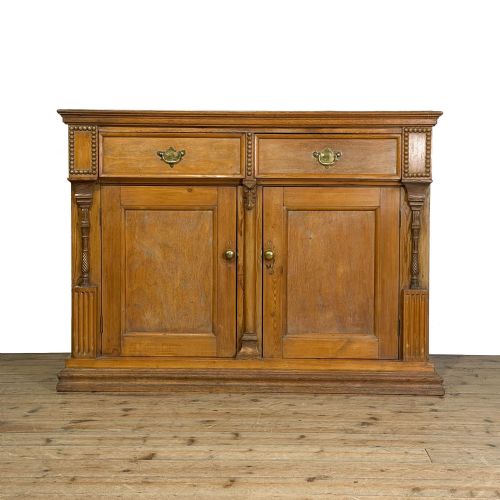
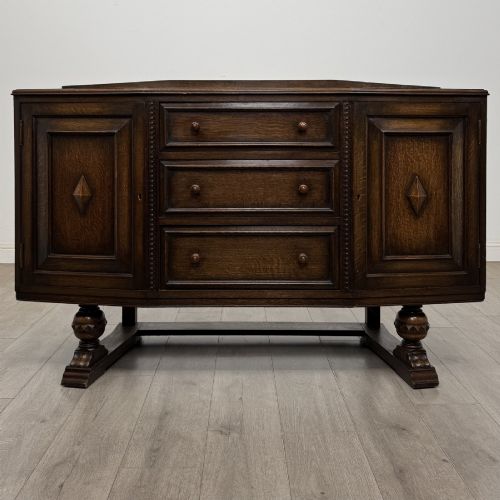
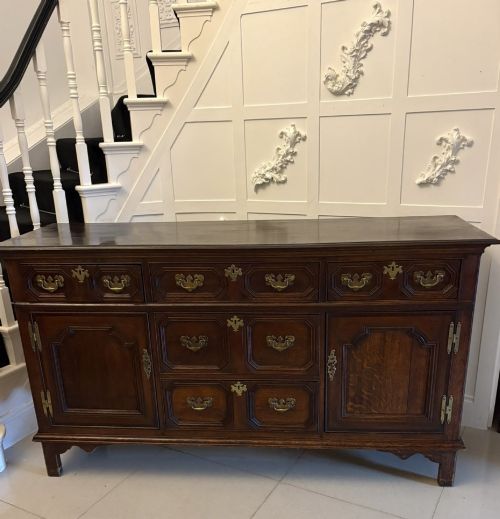
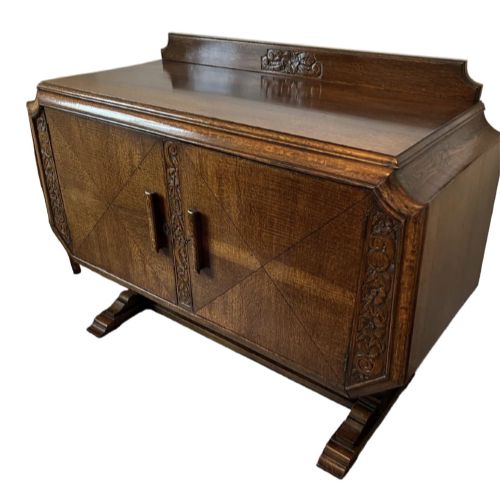
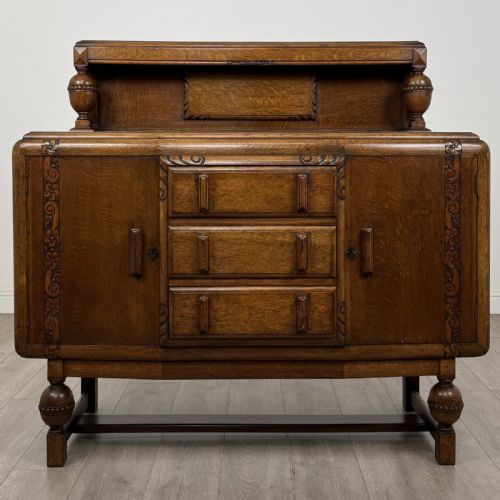
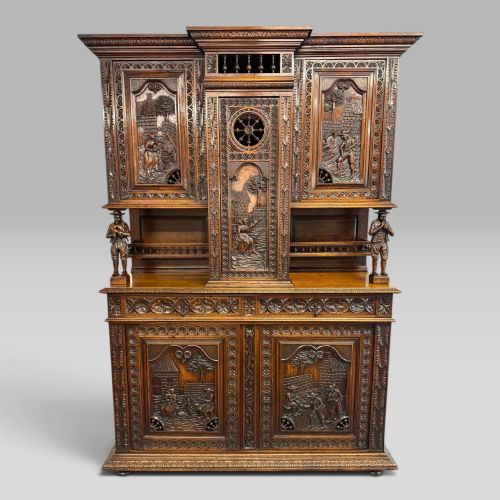
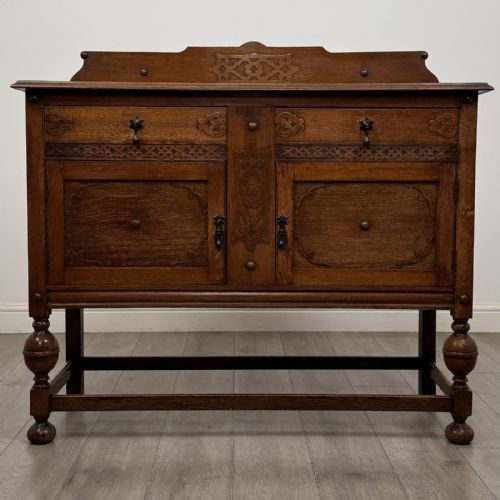
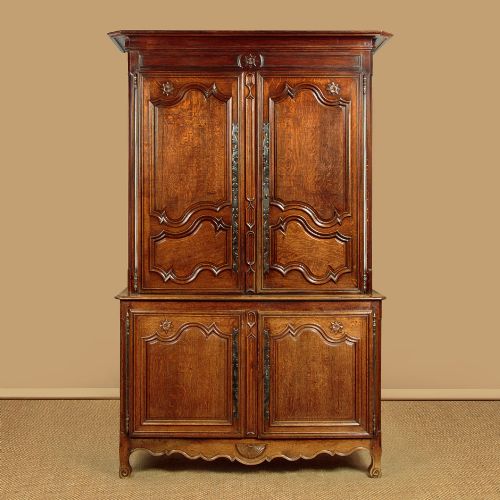
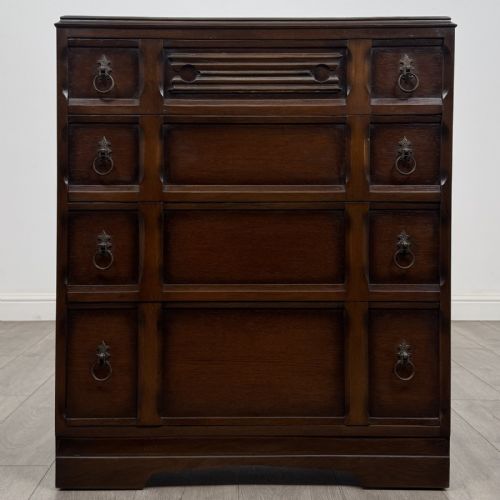
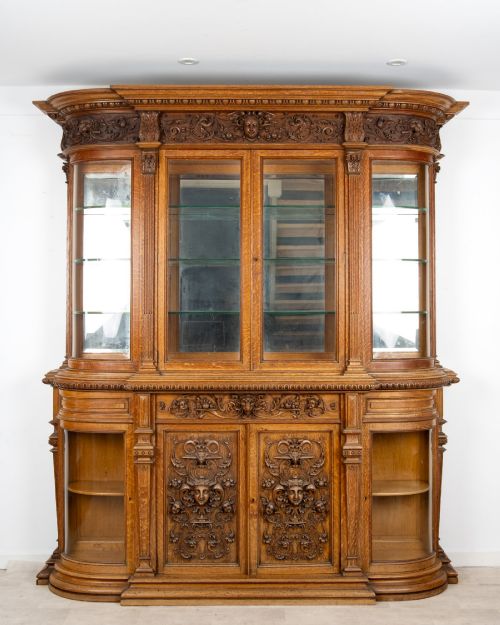
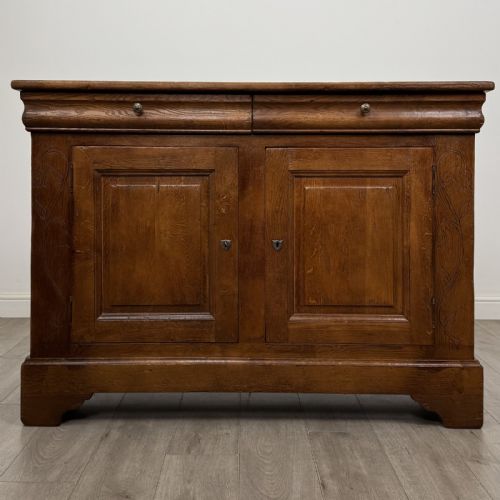
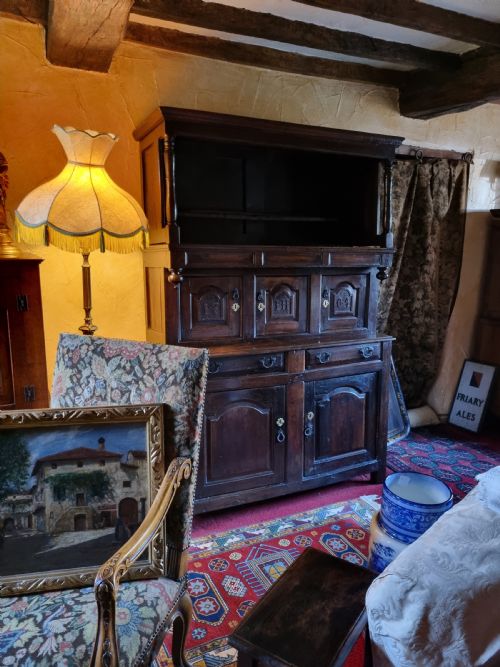
A carved oak dresser cabinet serves as a heavy utilitarian storage piece designed for dining rooms and kitchens, appearing in forms ranging from Welsh dressers with glazed upper bookcases to low dresser bases and court cupboards. The selection relies heavily on Edwardian and nineteenth-century interpretations alongside earlier seventeenth- and eighteenth-century examples.
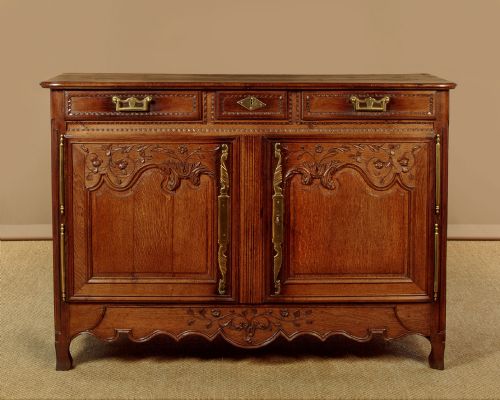
Makers shaped these pieces within distinct revivals, including Jacobean, Tudor, Gothic, and French Renaissance movements, as well as Arts and Crafts ideals. Buyers encounter sideboards, buffets, enfilades, and commodes that reflect both British vernacular traditions and continental French provincial workshops.
How they were made
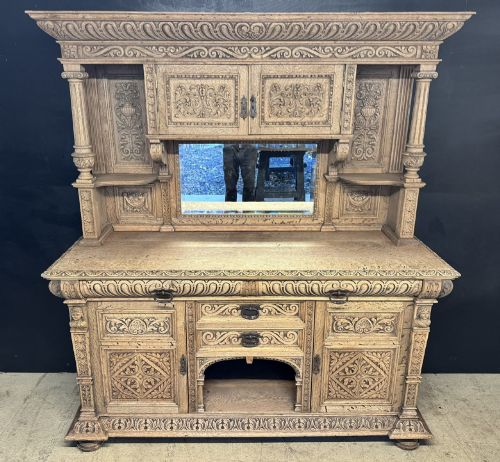
Makers constructed these cabinets using solid oak timbers, occasionally incorporating tiger oak or combining oak with mahogany, walnut, and secondary woods. Structural integrity relied on traditional joinery methods, while decorative surfaces received hand-carved relief work, linenfold panels, and barley twist turnings.
Metal components such as brass, iron, copper, and lead hardware secured doors and drawers, while glass panels appeared in glazed display cabinets and bookcase sections. French and regional British pieces demonstrated specialised regional carving styles and distinct patination achieved through waxed or polished finishes.
Carved Oak Dresser Cabinet Retail Price Guide 2026
Typical asking prices for carved oak dresser cabinet among the pieces listed under this phrase on Sellingantiques today, from the lower quarter to the upper quarter. They describe what is for sale here now, not the wider market.
What varies in quality
The standard of carving distinguishes standard production furniture from superior workshop creations, where deep relief, crisp detailing, and balanced proportions reveal the hand of a skilled carver. The selection of timber grain, particularly in golden oak and tiger oak variants, dictates the visual depth of the surface.
Originality of hardware, glass, and structural timber underpins the integrity of each piece, alongside the harmony between regional revival styles and period construction methods. Refined execution in specialised details such as linenfold panels or barley twist supports separates exceptional examples from simpler utilitarian cupboards.
Ambrose Heal for Heal and Son
The Carved Oak Dresser Cabinet Glossary
- Court cupboard
- A heavy enclosed wooden cabinet used for storing plate and food, typically featuring an upper section supported on pillars.
- Dresser base
- A low wooden sideboard fitted with drawers and cupboards beneath a broad top surface, designed without upper shelving.
- Linenfold
- A style of wood carving that imitates folded fabric, frequently seen on panelled cupboard doors from the Tudor and revival periods.
- Enfilade
- A long cabinet or sideboard with multiple doors, originating in French interior architecture for formal dining spaces.
Carved Oak Dresser Cabinet: Frequently Asked Questions
How do I identify a court cupboard?
Court cupboards present a compact, two-tier form with an upper recessed cabinet supported by sturdy pillars above a lower storage base. They originated as status furniture for displaying provisions and silverware.
Examples seen in this selection often date from revival periods while mimicking seventeenth-century proportions and heavy oak construction.
Where were Welsh dressers used?
Welsh dressers traditionally served in farmhouses and country kitchens as practical furniture for holding ceramic tableware, linens, and dry goods. The open upper shelves displayed pewter and pottery while lower cupboards concealed kitchen utensils.
Over time these pieces moved into dining rooms, occasionally incorporating glazed bookcase doors to protect more delicate collections.
What is an enfilade cabinet?
An enfilade is a long, low sideboard featuring three or more doors in a continuous line, built primarily in French provincial workshops. These cabinets provided extensive surface and interior space for dining room service.
Their substantial oak frames often display regional carving motifs distinct from contemporary British furniture.
How do I care for antique oak furniture?
Maintain antique oak by placing pieces away from direct heat sources and sudden humidity shifts that can cause timber to split. Regular dusting with a soft cloth preserves the dry-waxed or polished surface sheen.
Avoid modern silicone polishes, which penetrate the open grain of oak and dull the historic patination over time.