
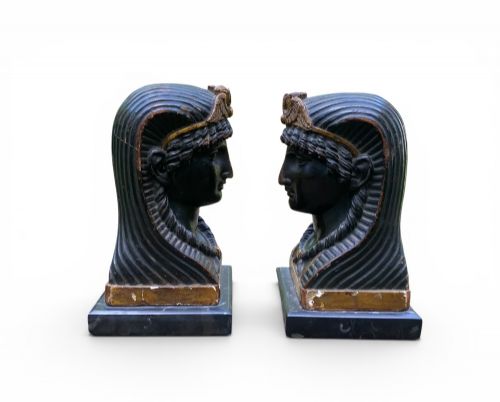
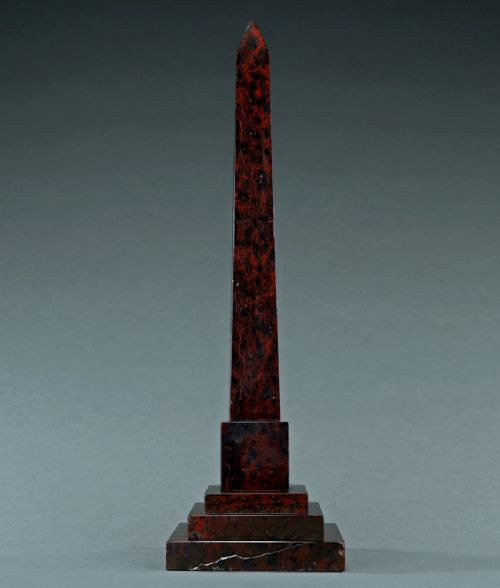


Carved Marble Ornament
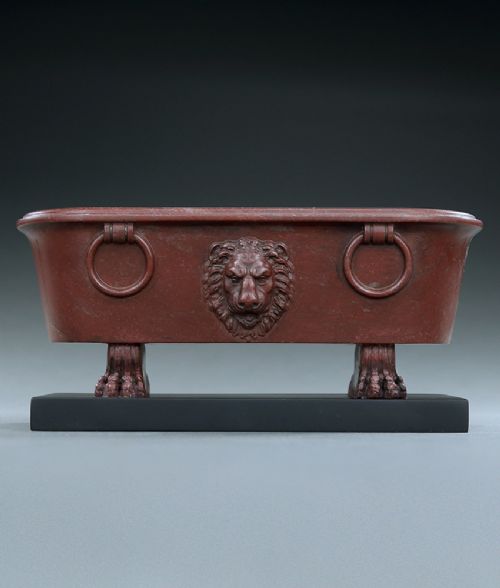
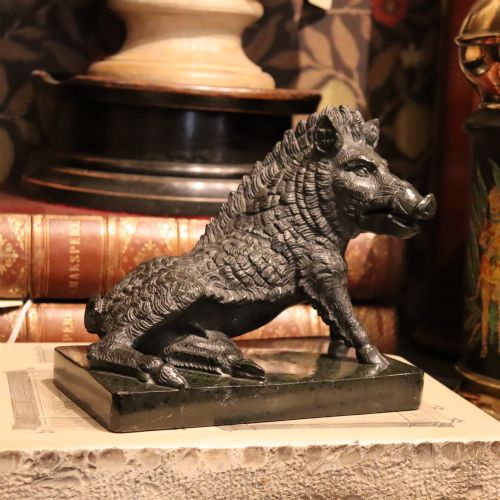
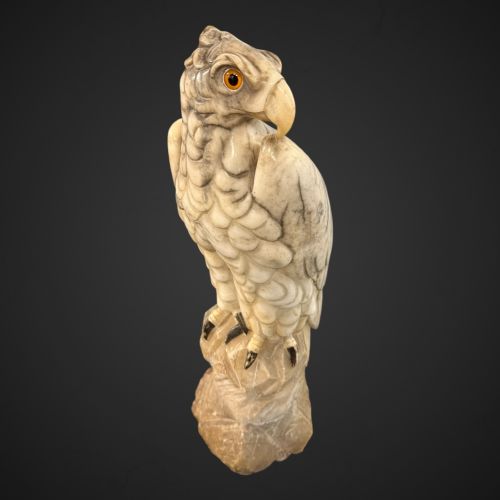
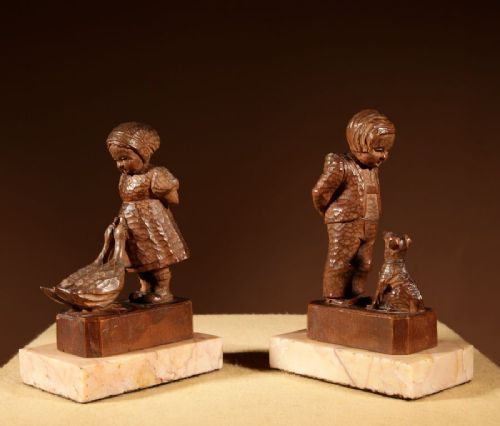
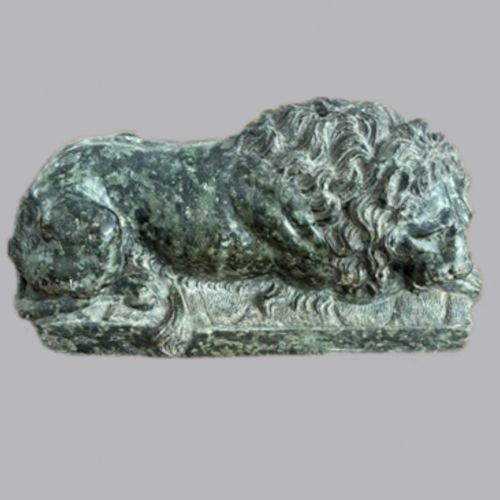
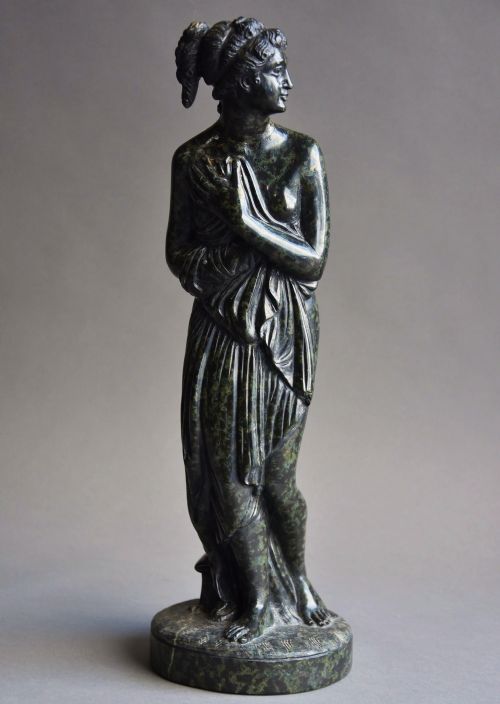
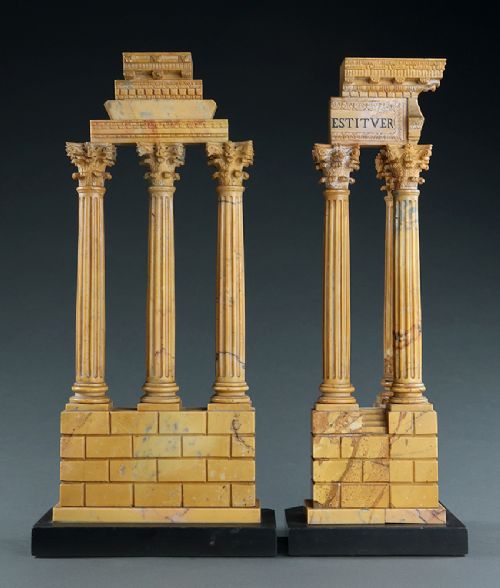
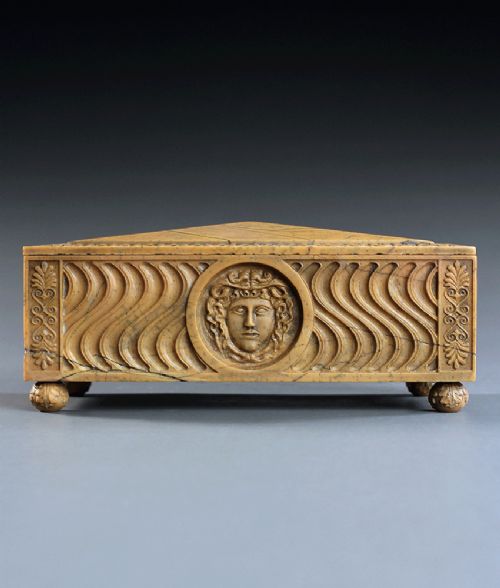
These carved marble ornaments are solid stone pieces shaped into animals, architectural models, and figures, bought to bring classical weight and historic presence into a room.
Carved Marble Ornament
A carved marble ornament is typically a sculptural object, animal figure, architectural model, or desk piece fashioned from stone and related minerals. You meet these pieces most frequently in nineteenth-century interpretations of classical subjects, alongside later twentieth-century interpretations.
The selection ranges from Grand Tour models of ancient Italian monuments and lions to Neoclassical figures and Art Deco animal studies. These pieces draw on historic styles including Victorian, Egyptian Revival, and Black Forest traditions.
Materials and carving techniques
Makers shaped these ornaments from varied mineral substances, utilising Carrara marble, serpentine marble, Siena marble, alabaster, green Egyptian onyx, and Ashford marble. Artisans worked the stone by hand, employing chisels and abrasive powders to achieve smooth contours and sharp architectural lines.
Certain desk pieces and architectural models incorporate specimen marble inlays, fitting multiple coloured stones together with precision. Other items combine carved stone figures with wooden or bronze components.
Listings feature marble, serpentine marble, wood, alabaster, Carrara marble, glass, stone, and serpentine across periods spanning the eighteenth, nineteenth, and twentieth centuries.
Distinctions in execution
Quality rests upon the crispness of the carving and the fidelity of the form to the original classical source. Finer pieces display subtle musculature in animal subjects and clean, unchipped edges on architectural columns and obelisks.
The choice of raw material also sets pieces apart, with distinct veining in Carrara or Siena marble elevating a simple geometric form into a striking display object.
Thomas Hope·Antonio Canova
The Carved Marble Ornament Glossary
- Grand tour
- A nineteenth-century tradition where travellers collected classical antiquities and miniature architectural models in Italy. These souvenirs often replicated famous Roman and Florentine sculptures in marble or serpentine.
- Serpentine marble
- A dark green or mottled stone resembling serpent skin, valued for its smooth polish and rich colour. It appears frequently in nineteenth-century decorative models and animal carvings.
- Specimen marble
- A decorative technique employing various coloured marbles fitted together to create geometric patterns or pictorial surfaces. It is commonly found on nineteenth-century desk pieces and architectural table ornaments.
- Obelisk
- A tall, four-sided tapering monument ending in a pyramid-shaped top. Makers rendered these in red serpentine, green Egyptian onyx, and Ashford marble as desk ornaments.
Carved Marble Ornament: Frequently Asked Questions
What is a carved marble ornament?
A carved marble ornament is a decorative stone object shaped into a figure, animal, or architectural model.
These pieces were produced across various periods, often referencing classical antiquity or later art movements.
How were these stone ornaments used?
Owners placed these objects on desks, tables, and mantelpieces as decorative displays and scholarly tokens.
Larger versions served as garden sculptures or substantial architectural focal points within a room.
How do I care for marble and alabaster?
Dust these stone pieces gently with a dry, soft cloth to protect their polished surfaces.
Avoid using water or chemical cleaners, particularly on softer materials like alabaster.
How can I tell the period of a stone ornament?
Dating relies on the style of the carving, the choice of material, and the specific historical revival it represents.
Nineteenth-century pieces often reflect Grand Tour or Neoclassical influences, while twentieth-century examples lean towards Art Deco forms.