






White Stone Figurine
A white stone figurine brings classical form and carved detail into a room, spanning nineteenth-century marble and alabaster works.
White Stone Figurine
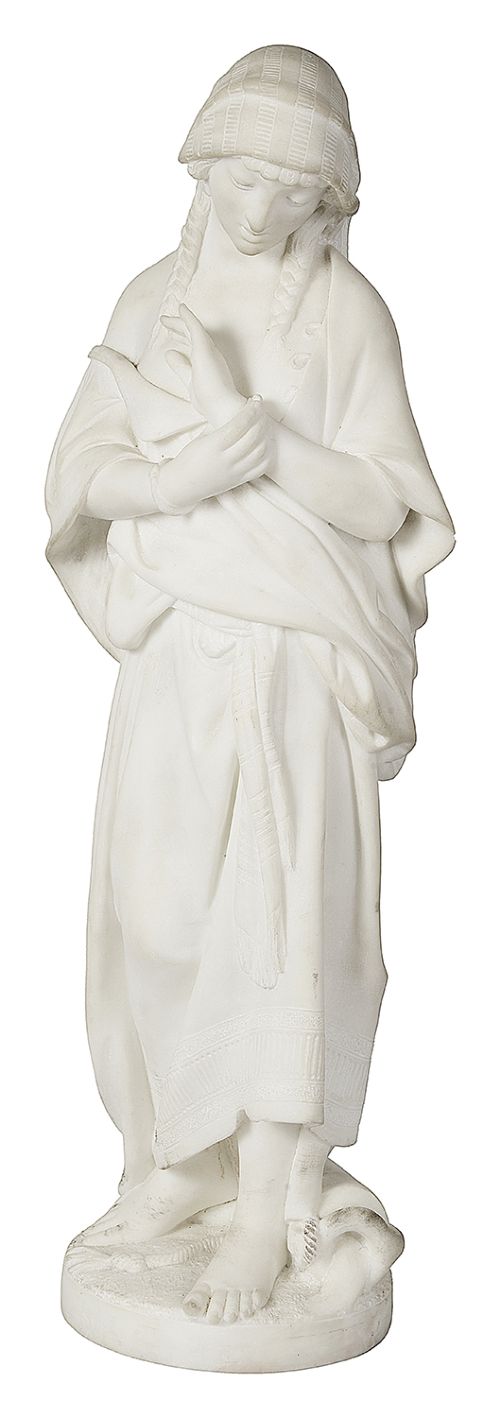
When you search for a white stone figurine, you are looking at carved sculptures, busts, and statues shaped from natural minerals. These pieces range from nineteenth-century Italian school carvings to French turn-of-the-century interpretations of mythological and domestic subjects.
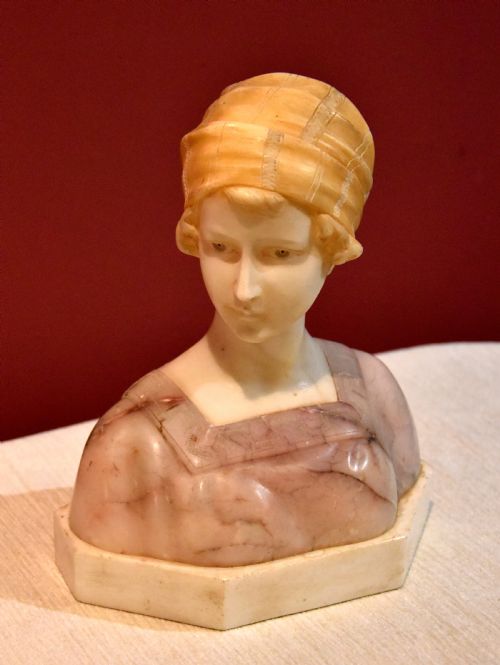
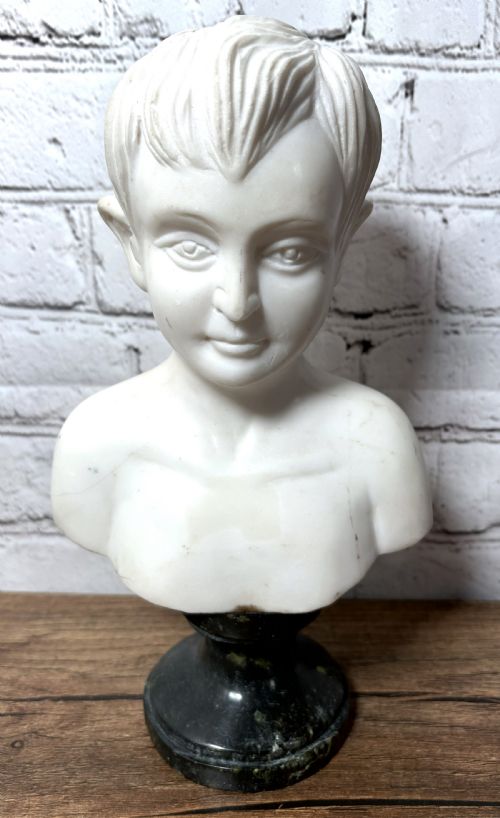
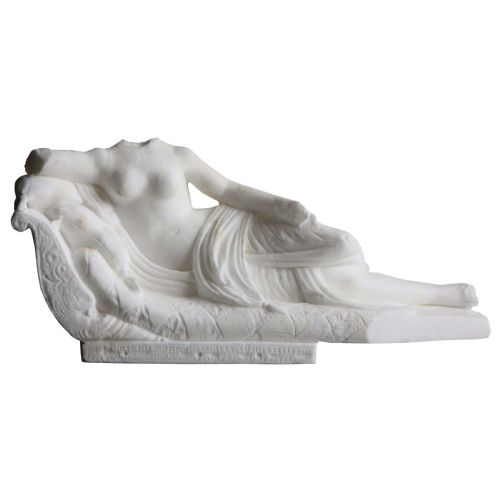
The most common examples on this page are carved busts and full figures rendered in white marble or alabaster. They capture subjects such as young girls, classical goddesses, and genre figures with smooth contours and detailed drapery.
Origins stretch across European workshops, with Italian and French makers dominating the selection. Pieces vary from grand neoclassical statues to smaller cabinet busts produced during the Victorian and Belle Epoque eras.
Materials and carving techniques
Carvers shaped these objects primarily from quarried alabaster and various grades of marble, including Carrara and variegated stone. Some pieces incorporate gilt details or onyx elements to accent the primary white medium.
Sculptors utilised traditional chisels, rasps, and abrasive powders to achieve the translucent quality of fine alabaster and the crisp edges of neoclassical marble. Many figures were hand-carved in workshops in Florence and Paris before receiving a polished finish.
Object forms range from single portraits and library busts to multi-figure mythological groups.
Judging the carving
The choice of stone also affects the finished object, as pure Carrara marble and translucent alabaster require expert selection to avoid natural flaws. Signed works by documented sculptors carry distinct artistic authority over unsigned studio output.
Barranti Florence·Auguste Henri Carli·Antonio Canova·Fritz Kochendorfer·Mieczyslaw Leon Zawiejski·Pugi·Ferdinando Vichi·Denise Delavigne·Joseph Gott·R Lusili·Greuze·A Cipriani
The White Stone Figurine Glossary
- Alabaster
- A fine-grained, soft stone that is easily carved and often exhibits a warm translucency. It was widely used in nineteenth-century European sculpture for figures and decorative busts.
- Carrara Marble
- A white or blue-grey marble quarried in the city of Carrara in Tuscany, Italy. This stone is prized by sculptors for its fine texture and consistent appearance.
- Neoclassical
- A Western cultural movement drawing inspiration from the art and culture of classical antiquity. In sculpture, this style emphasises restrained emotion, balanced proportions, and heroic subjects.
- Grand Tour
- A traditional trip of Europe undertaken by upper-class European young men of sufficient status. Souvenirs from these journeys included small marble and alabaster statues purchased in Italy.
- Orientalist
- An artistic style depicting scenes and people from the Middle East and North Africa. In stone sculpture, this appears in the specific costume and facial types of the carved figures.
White Stone Figurine: Frequently Asked Questions
What is the difference between marble and alabaster?
Marble is a metamorphic rock formed from limestone, offering high durability and a crystalline structure. Alabaster is a softer mineral composed of gypsum, known for a waxy translucency that lets light penetrate the surface.
Because alabaster is softer, carvers could achieve delicate details in hair and lace, while marble suited larger statues meant to withstand handling.
Where were these stone figurines displayed?
Nineteenth-century households placed these sculptures on mantelpieces, library tables, and dedicated pedestals in drawing rooms. Smaller busts served as desktop ornaments or cabinet pieces.
They functioned as markers of culture and education, reflecting the owner's familiarity with classical themes and European art tours.
How do I identify the period of a stone figure?
Dating relies on stylistic clues, mounting methods, and signatures carved into the base or rear of the stone. Neoclassical subjects usually point to the nineteenth century, while softer Art Nouveau curves align with the turn of the twentieth century.
Signatures often connect a piece to specific Italian or French workshops active between eighteen-fifty and nineteen-twenty.
Are these sculptures solid stone?
The pieces listed are carved from solid blocks of natural stone such as marble or alabaster. Sculptors worked directly from the raw material to form the figure and its integral base.
Occasionally, bases or supporting columns use contrasting materials like onyx or variegated marble to complement the main white figure.