
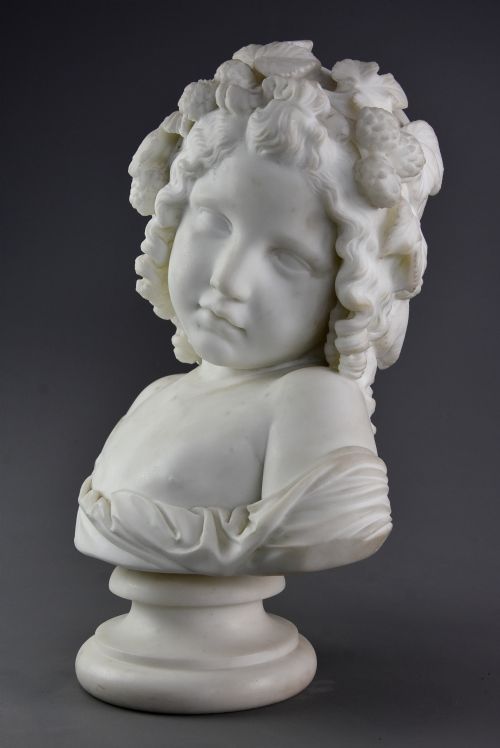
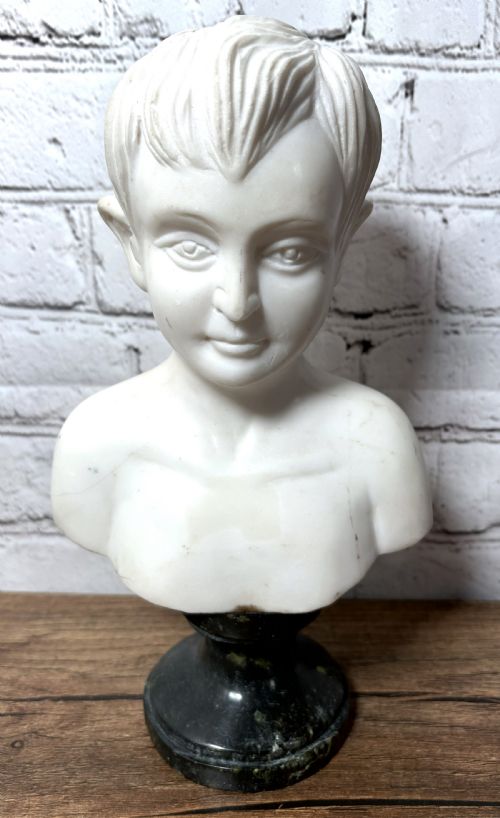


Neoclassical Child Figure
A neoclassical child figure captures youthful grace through classical sculpture, bronze, and marble, offering timeless appeal for any interior.
Neoclassical Child Figure
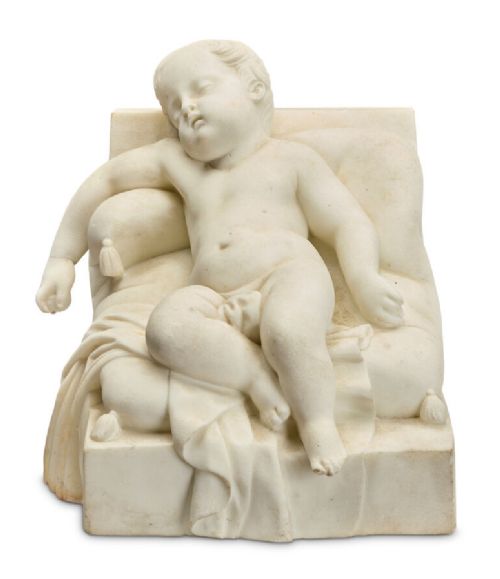
A neoclassical child figure encompasses sculpted depictions of youths and infants rendered in the enduring classical taste. These pieces draw upon ancient forms to celebrate youth through marble, bronze, and porcelain.
Buyers encountering this page will most frequently discover Victorian bronze figures, nineteenth-century marble busts, and classical engravings. These works range from grand tour souvenirs to detailed porcelain figurine groups.
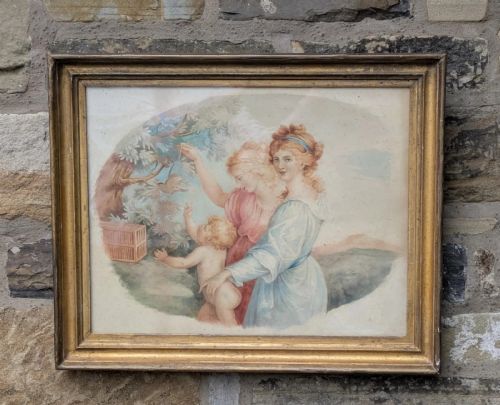
The objects appear as standing statues, portrait busts, wall plaques, and watercolour paintings. Each category brings a distinct medium and scale to the representation of the child in classical art.
How they were made
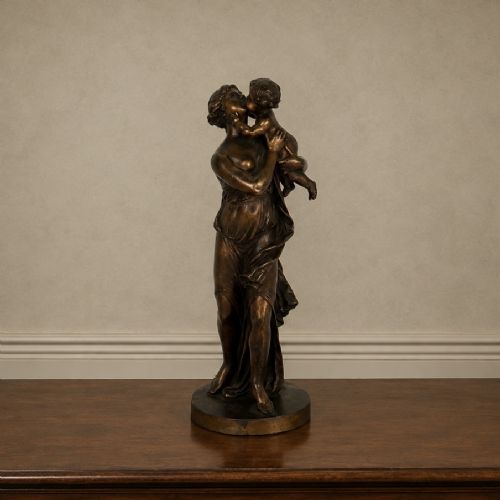
Metalwork relies on bronze casting, often utilising the lost-wax method to achieve intricate detail in figures and plaques. Giltwood and gold leaf frequently enhance associated frames and decorative mounts.
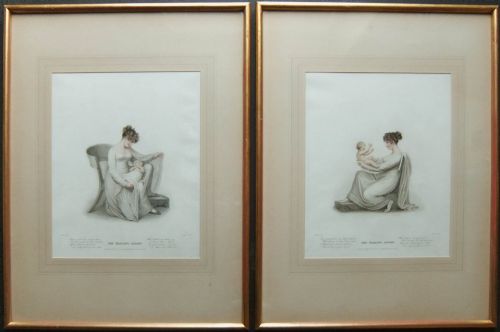
Works on paper employ watercolour and engraving techniques, utilising fine ink lines and delicate washes. Porcelain pieces involve slip casting, hand-painting, and high-temperature kiln firing.
Listings feature materials spanning Carrara marble, bronze, porcelain, and watercolour on paper.
What varies in quality
Carving finesse distinguishes master marble works from standard production pieces, evident in the realistic rendering of hair, drapery, and facial expression. The purity and grain of the Carrara marble itself set superior busts apart.
Bronze quality depends on the sharpness of the chasing work after casting, where skilled metalworkers defined the final surface details. Finer bronzes display subtle patination and crisp articulation in limbs and drapery.
In painted and engraved works, the precision of line and the preservation of delicate watercolour pigments determine the visual impact. Signatures by noted sculptors or historical workshops elevate the standing of individual pieces.
Adam Buck·Houdon·Meissen Porcelain·Coalbrookdale·Joseph Gott
The Neoclassical Child Figure Glossary
- Neoclassical
- A revival of classical style inspired by the art and architecture of ancient Greece and Rome. This aesthetic prioritises restraint, symmetry, and classical motifs.
- Carrara Marble
- A type of white or blue-grey marble quarried in the city of Carrara in Tuscany. It has been prized since classical antiquity for its fine grain.
- Grand Tour
- A traditional trip of Europe undertaken by upper-class young European men of means. Travellers frequently collected classical sculptures and small bronzes as mementos.
- Patina
- A glossy or velvety surface alteration that develops on bronze or marble over long periods of time. It results from age, handling, and exposure to the atmosphere.
- Chasing
- The art of finishing metal castings by hand using small punches and hammers. This process refines surface textures and sharpens details.
Neoclassical Child Figure: Frequently Asked Questions
What is a neoclassical child figure?
A neoclassical child figure is a sculptural or pictorial representation of a youth created in the classical style. These works draw inspiration from ancient Greek and Roman art to portray children with idealized grace.
They appear in materials such as marble, bronze, porcelain, and watercolour. Collectors seek them for their refined aesthetic and classical subject matter.
How were marble busts displayed?
Marble busts were traditionally placed in libraries, studies, and drawing rooms upon columns, brackets, or heavy wooden pedestals. Their formal presentation reflected an educated appreciation for classical antiquity.
Today, they function well on sturdy tabletops or dedicated plinths where light can model the carved surfaces. Proper placement ensures stability given the considerable weight of solid marble.
How do I care for bronze figures?
Bronze figures require minimal maintenance, relying on occasional gentle dusting with a soft, dry cloth. Avoiding abrasive cleaners and moisture preserves the original patination.
Applying a very light coat of microcrystalline wax can protect the metal surface from humidity. Stable indoor environments prevent any degradation of the bronze or underlying mount.
What distinguishes grand tour bronzes?
Grand tour bronzes were acquired by travellers visiting Italy during the nineteenth century as cultural souvenirs. They often reproduced famous ancient sculptures on a smaller scale for domestic display.
These pieces typically exhibit warm brown or dark patinas and careful chasing. Their historical context connects them directly to the tradition of European travel and education.