
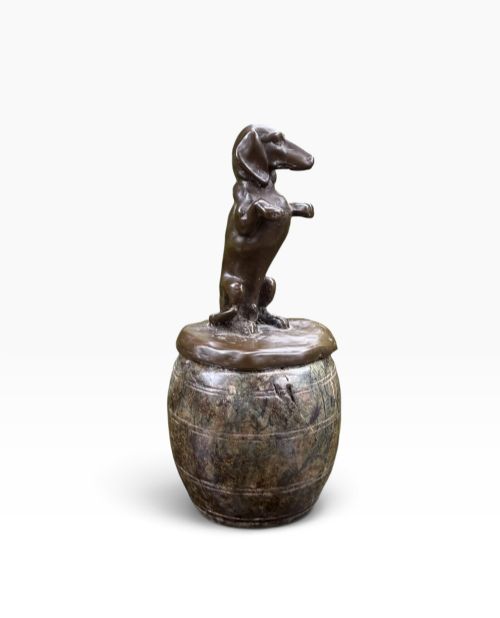
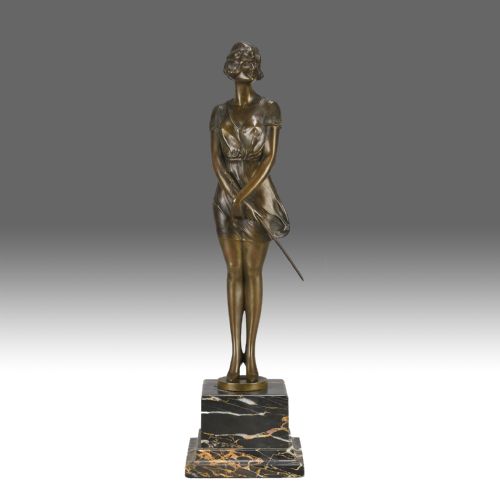
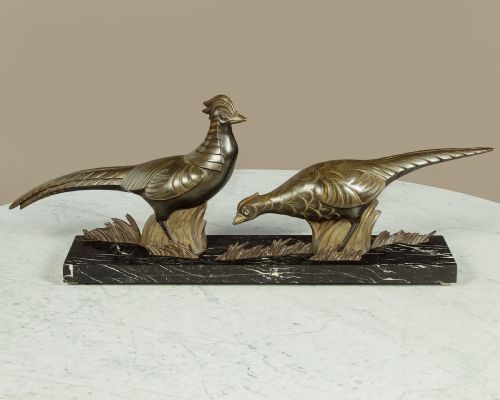
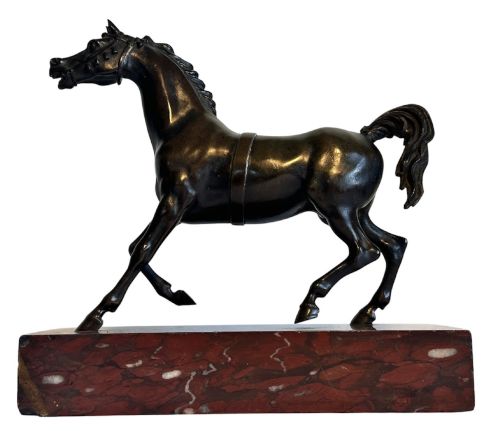




Vintage Marble Desk Statue
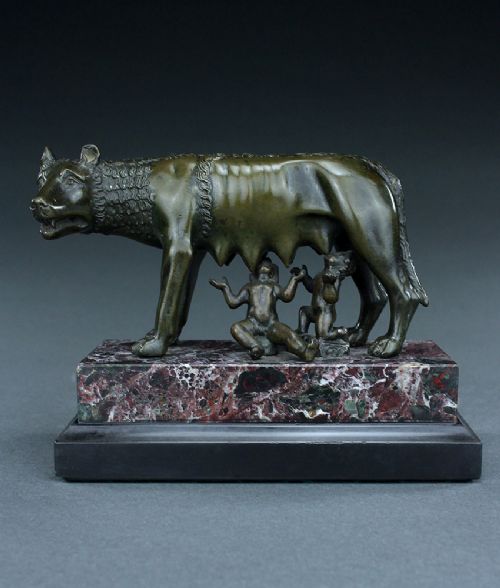
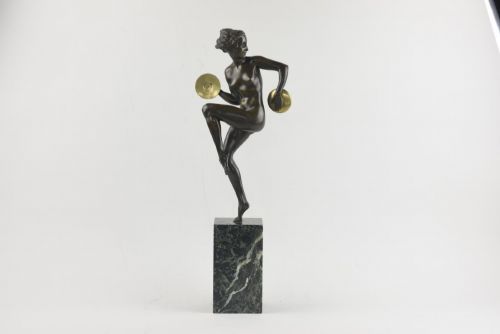
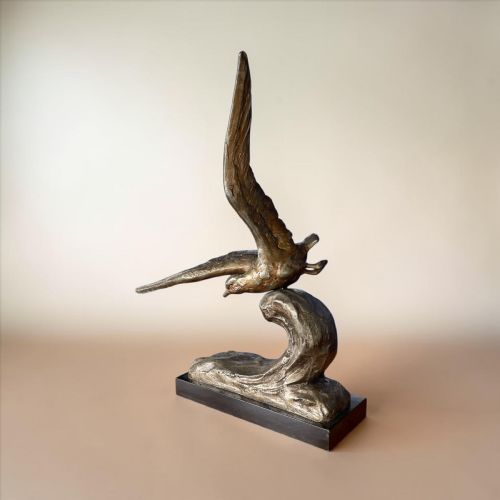
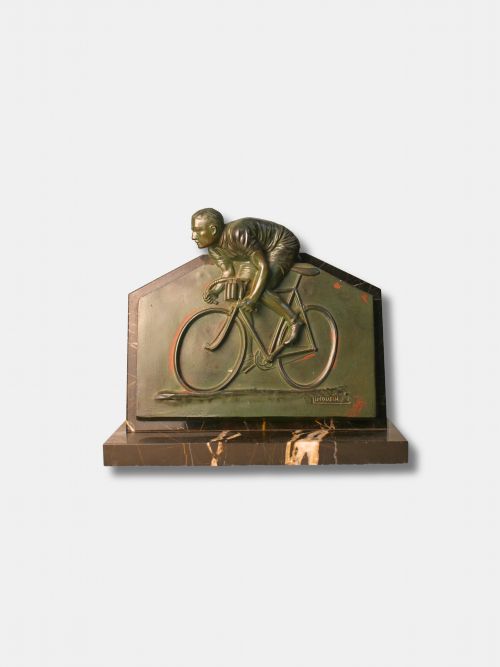
A vintage marble desk statue brings classical weight and sculptural detail to a workspace, combining carved stone with bronze or metal figures.
Vintage Marble Desk Statue
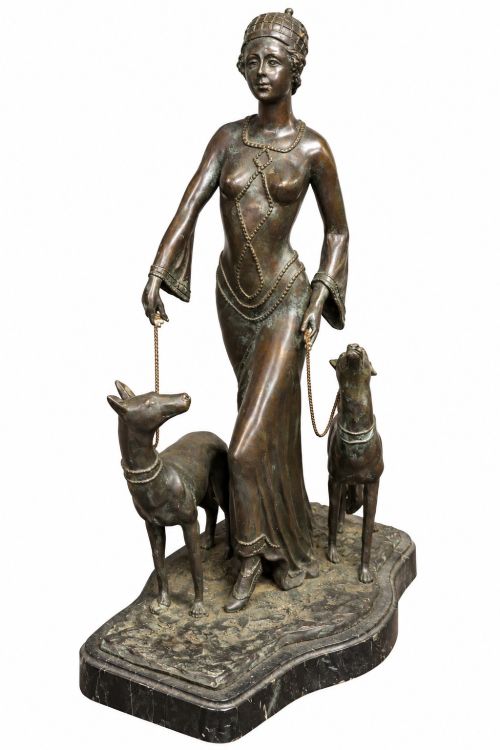
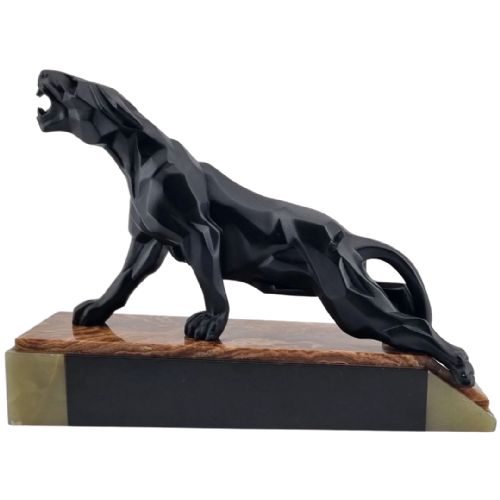
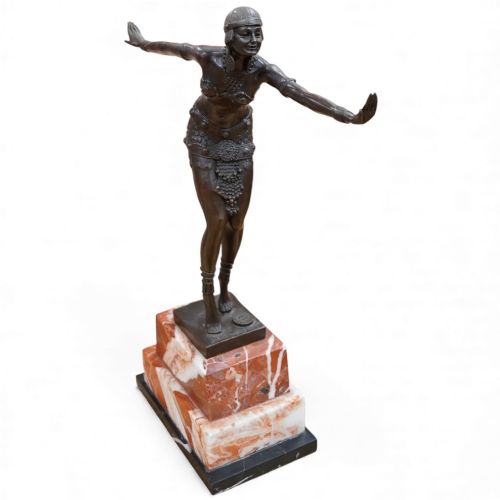
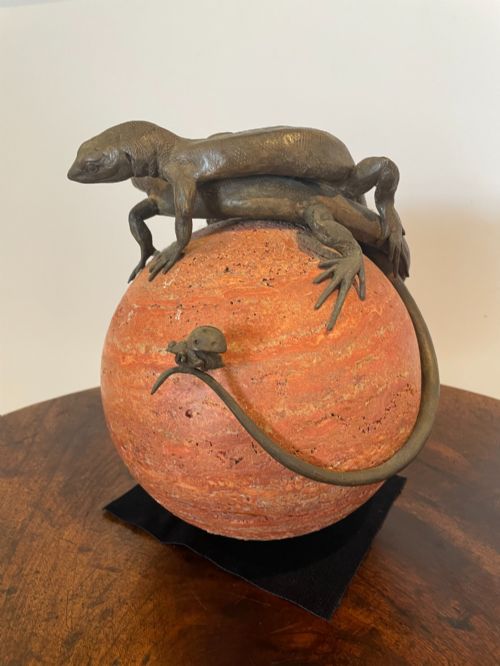
A vintage marble desk statue encompasses small animalier studies, human figures, bookends, and lamps set upon heavy stone plinths. These objects range from nineteenth-century animal studies to twentieth-century Art Deco creations.
The most common examples on this page pair a cast metal figure with a polished marble or onyx base. These small sculptures were designed specifically for tabletops, desks, and sideboards.
Originating largely from French and European workshops, these pieces draw on Grand Tour traditions, neoclassical motifs, and twentieth-century animalier subjects. They serve as functional bookends, lighting, or purely decorative desk ornaments.
Materials and Technique
Makers utilised bronze, spelter, and patinated metal for the figural elements, often casting animals and human forms using the lost-wax method. These figures were then mounted securely onto slabs of coloured marble, onyx, or jade.
Bases were cut, polished, and sometimes fitted with brass or glass components for lamps and bookends. Detail was achieved through chasing the metal and hand-finishing the stone plinths to create a heavy, stable desk object.
Object forms on this page include sculptural bookends, fitted desk lamps, racing greyhounds, and miniature aircraft models.
Assessing Quality
Quality depends upon the crispness of the metal casting and the depth of the chasing work on the figures. Superior examples show fine anatomical detail in animal and human studies rather than soft, mass-produced edges.
The selection of the stone base also determines the tier of the piece. Dense, well-figured marble or onyx with clean edges and secure fixings elevates the object above simpler cast-metal substitutes on inferior wooden or soft stone mounts.
Bruno Zach·Jules Bonheur·Aurore Onu·Zoldan Kovats·Antoine L Barye·Pierre Laurel·Christophe Fratin·C Neuhaus
The Vintage Marble Desk Statue Glossary
- Animalier
- A nineteenth-century artistic style focusing on realistic depictions of animals, particularly dogs, horses, and wild beasts. These sculptures often captured animals in motion or repose.
- Spelter
- A zinc alloy commonly used as a less expensive alternative to bronze for casting figures. It was frequently painted, patinated, or silvered to resemble bronze.
- Grand Tour
- A traditional trip through Europe undertaken by upper-class travellers in the eighteenth and nineteenth centuries. Tourists collected small bronzes and classical replicas to bring home.
- Onyx
- A banded variety of chalcedony quartz frequently used as a decorative base for statues and desk sets. Its translucent layers provide a distinctive alternative to standard marble.
- Patinated metal
- Metal treated with chemicals, heat, or acids to produce a coloured surface layer or artificial ageing. This technique protects the metal and enhances sculptural depth.
Vintage Marble Desk Statue: Frequently Asked Questions
What is a vintage marble desk statue?
A vintage marble desk statue is a small decorative sculpture featuring a carved stone base paired with a metal figure, animal, or lamp.
These pieces were produced across the nineteenth and twentieth centuries for functional or decorative office use.
How do I date these sculptures?
Dating relies on stylistic clues, such as classical neoclassical motifs versus geometric Art Deco lines. The choice of materials, including spelter or specific patinations, also indicates the period of manufacture.
Nineteenth-century pieces often favour animalier realism, while twentieth-century examples lean towards stylised human figures and aircraft models.
Were these statues used as bookends?
Many matched pairs of statues were weighted and balanced specifically to function as heavy bookends on a desk or shelf.
Single figures were intended purely as decorative desk ornaments or converted later into table lamps.
How should I clean marble bases?
Marble bases should be wiped gently with a soft, dry cloth to remove dust without damaging the polished stone surface.
A lightly damp cloth can be used for stubborn marks, followed immediately by drying with a soft cloth.