








Carved Hardwood Pedestal Stand
A carved hardwood pedestal stand provides a sturdy and decorative platform for plants, vases, and sculptures in traditional interiors.
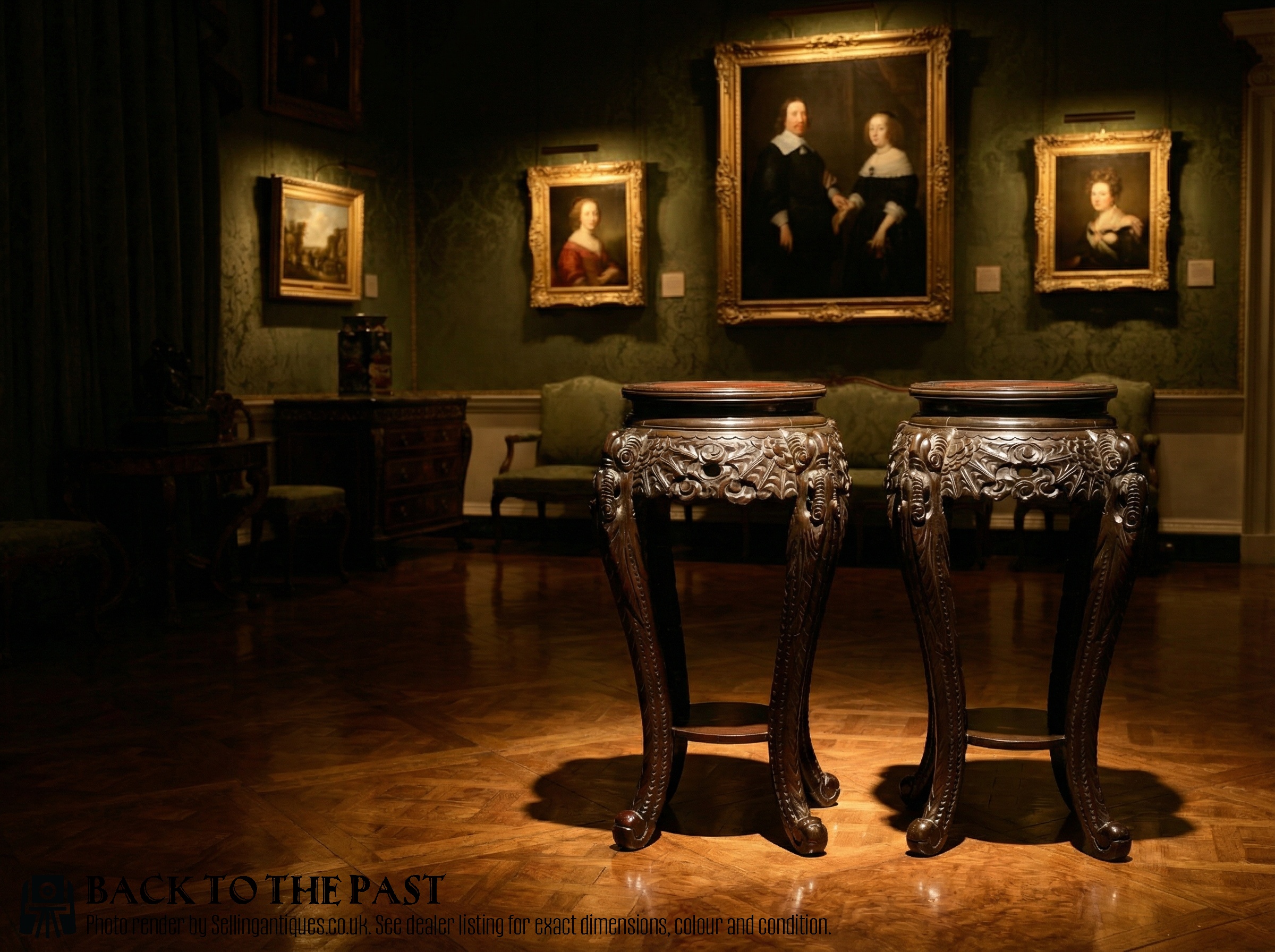
Carved Hardwood Pedestal Stand
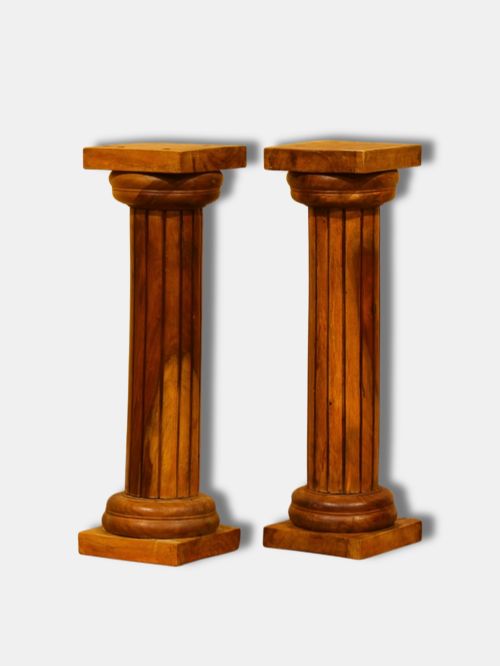
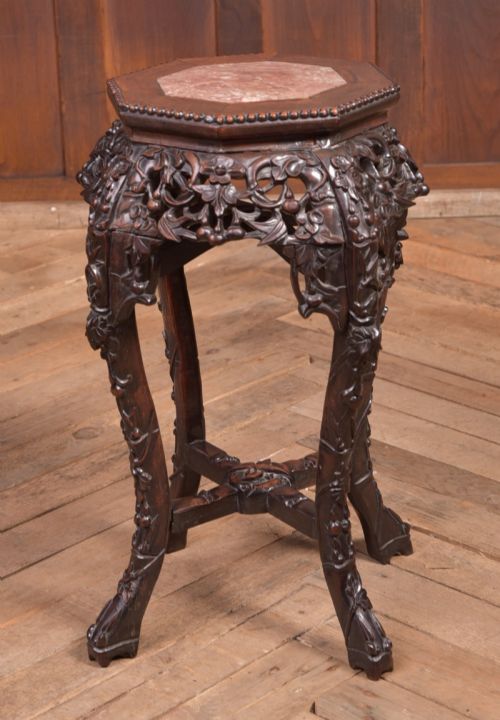
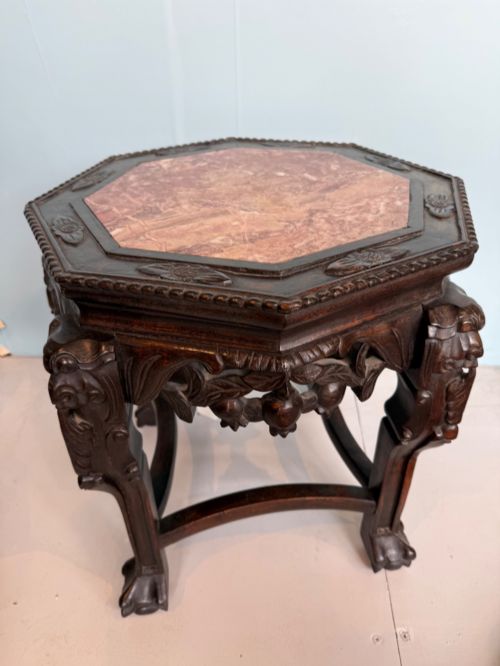
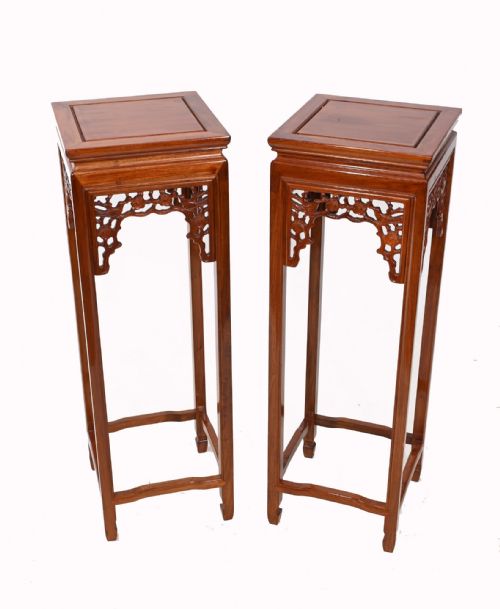
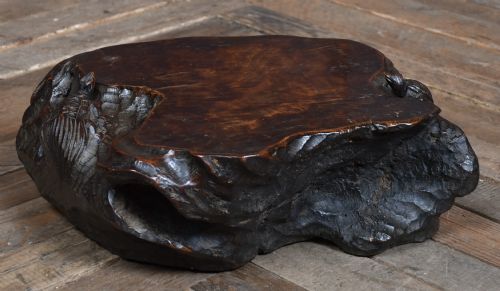
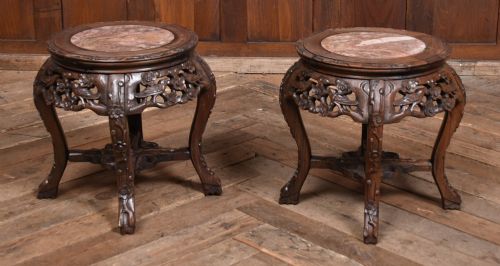
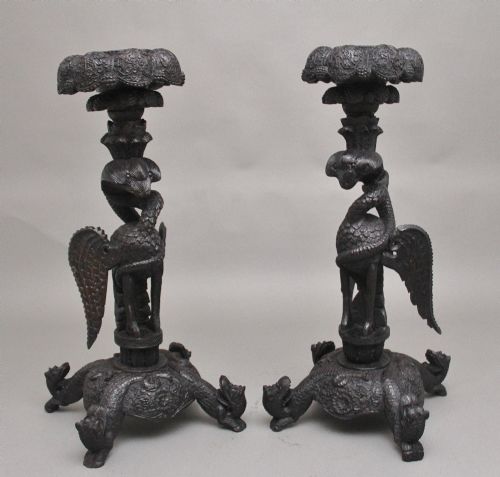
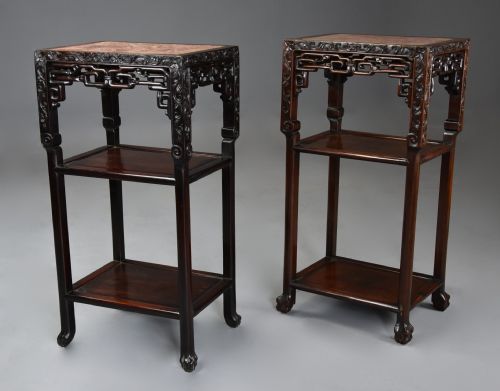
A carved hardwood pedestal stand appears in various forms on this page, including plant stands, jardiniere stands, torcheres, and occasional tables. These pieces originate predominantly from Chinese export workshops, the Qing dynasty, and Anglo-Indian makers.
The silhouettes range from tall, slender torchere stands to low bonsai display tables and rectangular pot stands suited for domestic display.
Materials and Construction
Carvers utilised dense timbers such as padouk, rosewood, teak, and ebonised wood to build these supports, allowing for deep, crisp relief carving that resists splitting under heavy loads.
Many examples incorporate inset marble panels, mother-of-pearl inlay, or lacquer finishes alongside traditional joinery techniques to secure the heavily ornamented frames.
Carved Hardwood Pedestal Stand Retail Price Guide 2026
Typical asking prices for carved hardwood pedestal stand among the pieces listed under this phrase on Sellingantiques today, from the lower quarter to the upper quarter. They describe what is for sale here now, not the wider market.
Listings feature nineteenth-century and early twentieth-century pieces incorporating rosewood, padouk, teak, and marble.
Craftsmanship and Material Depth
Quality separates pieces by the depth and precision of the hand carving, where naturalistic floral or dragon motifs retain sharp relief rather than soft, shallow detailing.
The selection of timber and the integration of inset marble or stone tops distinguish finer workshop production from standard utility items.
Liberty of London
The Carved Hardwood Pedestal Stand Glossary
- Jardiniere stand
- A decorative pedestal or small table specifically designed to support a heavy ceramic plant pot or flower bowl.
- Torchere
- A tall, slender stand historically used to hold a candle or lamp, now commonly utilised for display statues and vases.
- Padouk
- A heavy, durable tropical hardwood prized by makers for its rich colour and stability under intricate hand carving.
- Marble top
- An inset stone panel fitted into the surface of a stand to provide a stable, heat-resistant platform for displaying heavy objects.
Carved Hardwood Pedestal Stand: Frequently Asked Questions
What is a carved hardwood pedestal stand used for?
These stands serve as elevated platforms for heavy decorative items, such as ceramic vases, bronze sculptures, and large potted plants.
Historically, they placed prized objects at eye level within scholar's rooms and formal reception spaces.
How do I identify a Qing dynasty stand?
Qing dynasty stands often feature deep relief carving, traditional motifs like dragons or prunus blossom, and dense timbers such as padouk or rosewood.
They rely on traditional joinery and heavy construction characteristic of Chinese export workshops from the nineteenth century.
Why do many stands have marble tops?
Marble insets provide a durable, heat-resistant, and moisture-proof surface that protects the surrounding wooden frame from water damage.
This addition also adds structural weight to the base, improving stability for tall or top-heavy flower arrangements.
How should I care for a hardwood stand?
Maintain the timber by dusting regularly with a soft cloth and applying appropriate wax sparingly to preserve the polished finish.
Keep the piece away from direct heat sources and drastic humidity changes to prevent the hardwood and inset marble from separating.