
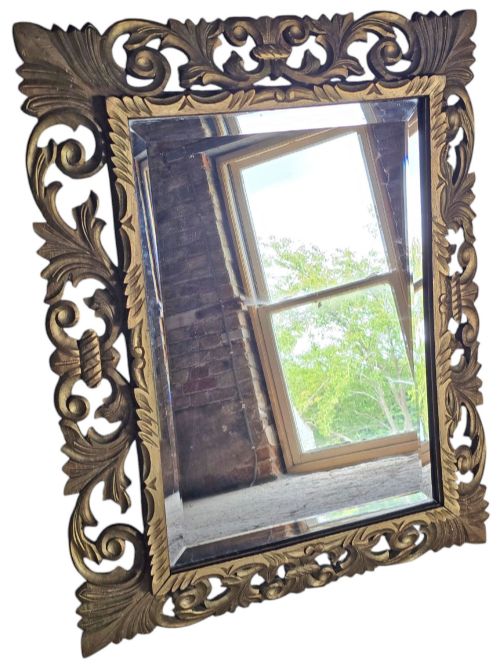
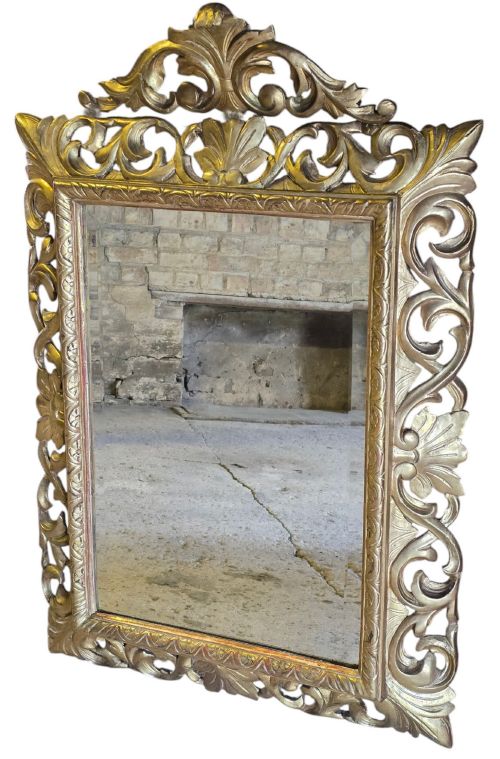
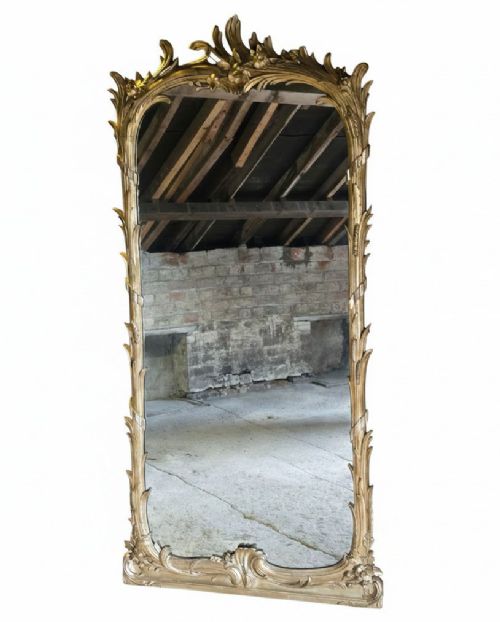
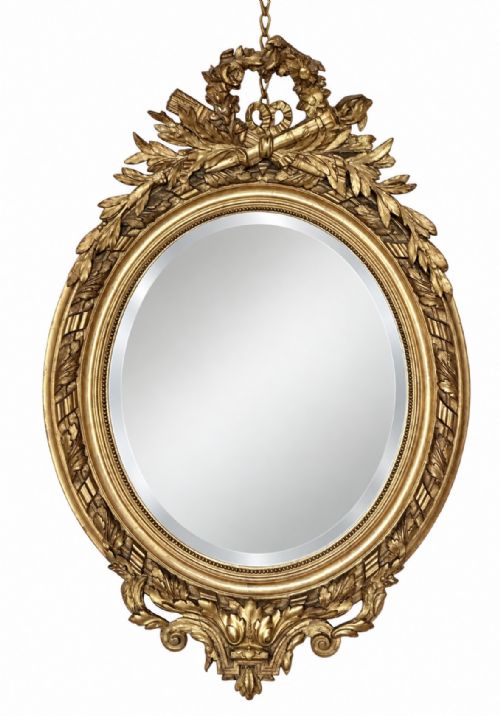


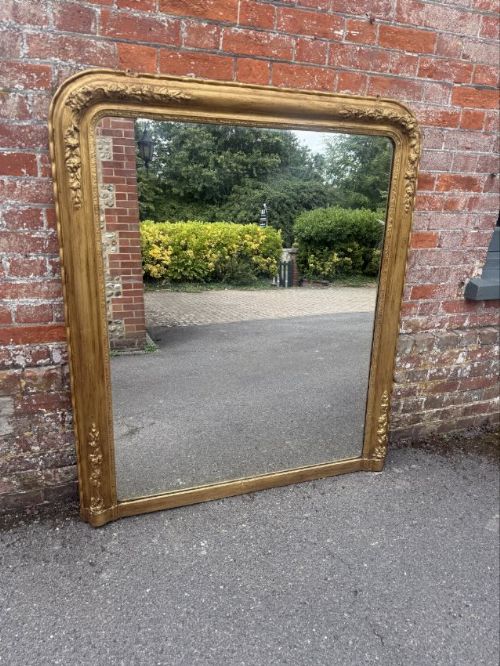
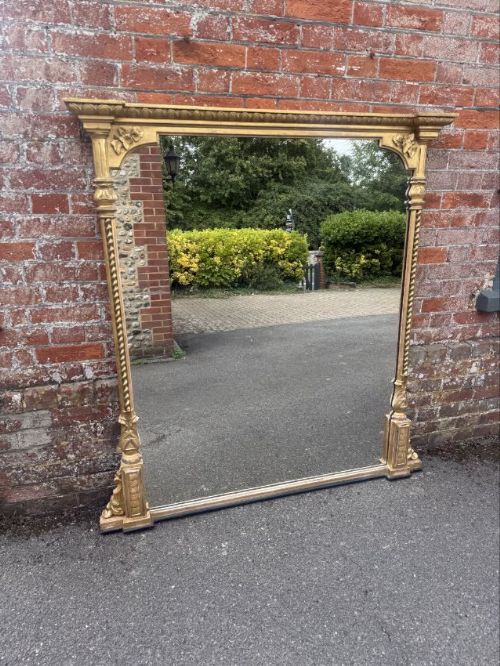
Carved Gilt Overmantel Mirror
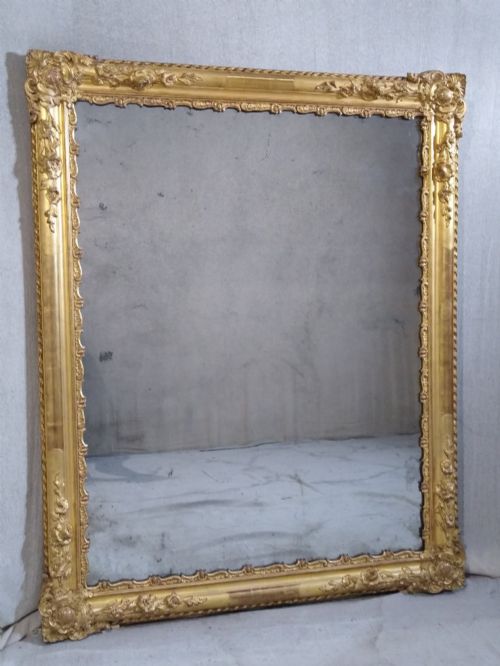
A carved gilt overmantel mirror brings warmth and scale to a room, reflecting light across grand interiors from the eighteenth, nineteenth, and early twentieth centuries.
Carved Gilt Overmantel Mirror
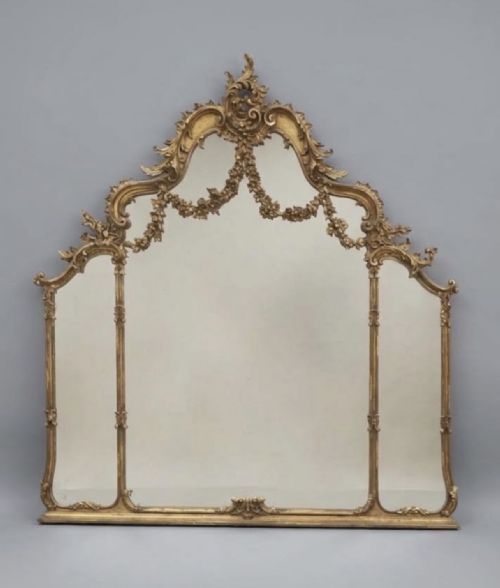
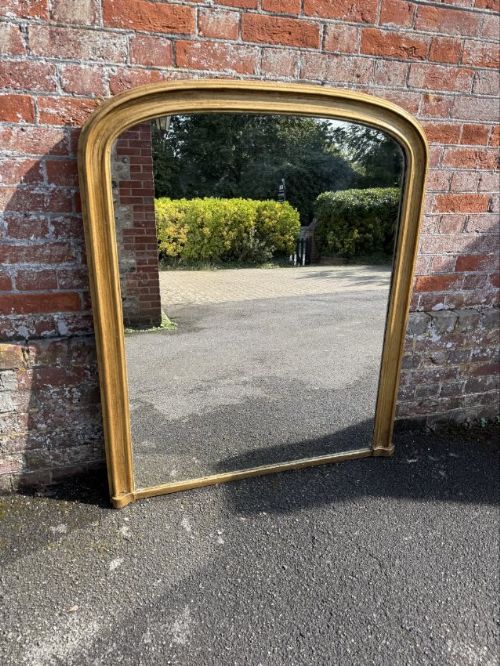
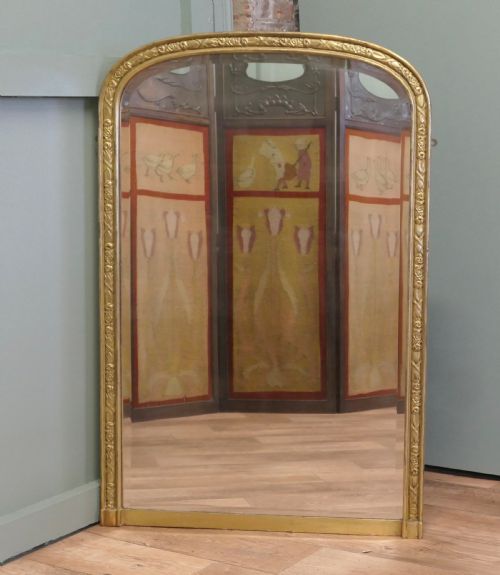
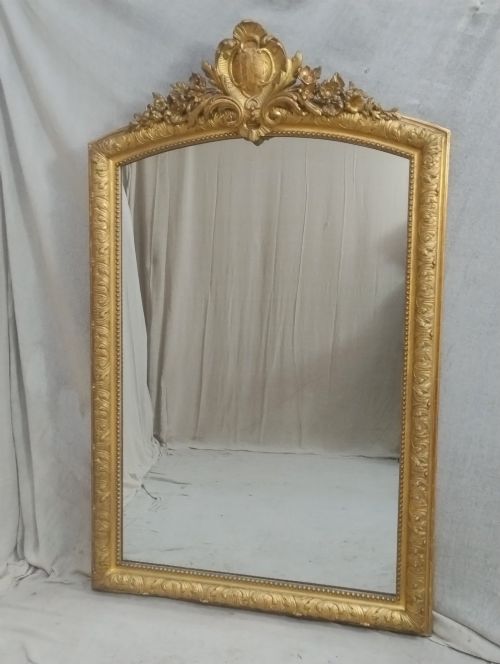
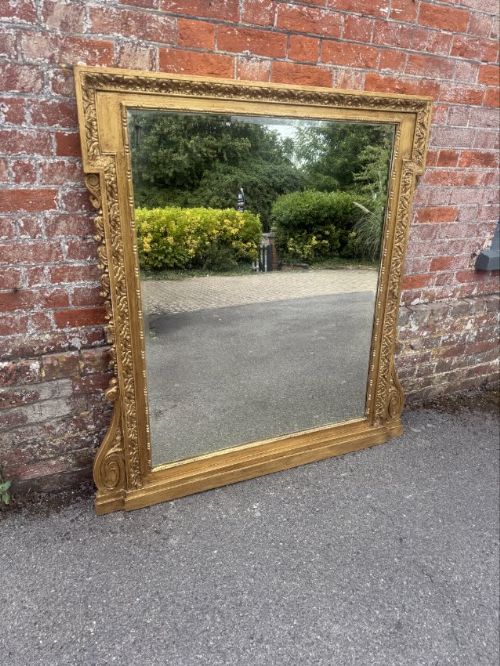
A carved gilt overmantel mirror is designed to sit directly above a fireplace mantelpiece, dominating the chimney breast with architectural presence. These large rectangular or arched plates reflect light into the main living spaces of period homes.
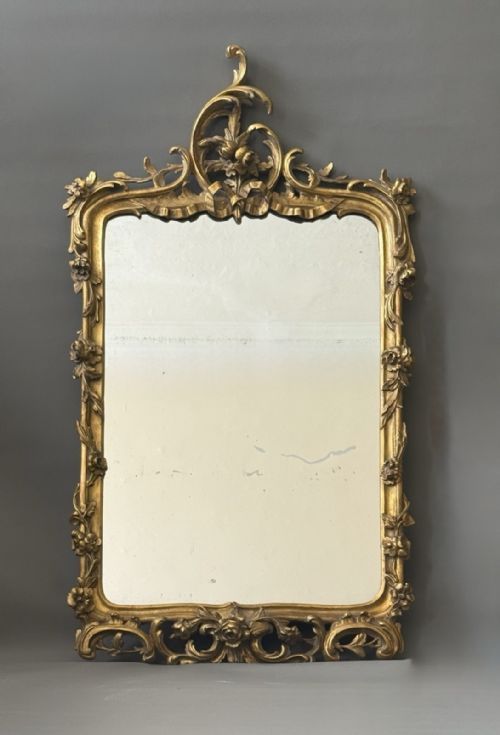
Most examples found here date from the nineteenth century, spanning Victorian, Regency, and French Louis Philippe styles. English carved wood and gesso frames sit alongside ornate French Rococo Revival pieces.
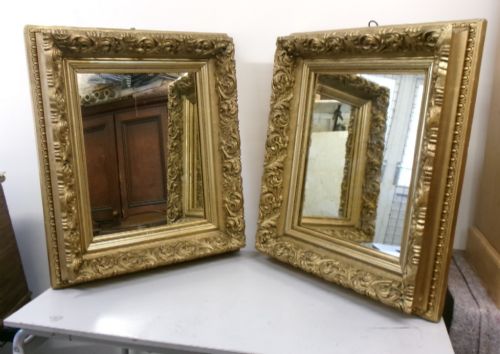
Makers utilised architectural proportions and decorative motifs such as acanthus leaves, ribbons, and rope twists. The scale ranges from practical domestic mantel widths up to monumental wall heights.
How They Were Made
Carved wooden foundations, typically pine or softwoods, provide the structural integrity for heavy mirror frames. Artisans applied layers of gesso - a mixture of chalk and binder - to the timber base to create smooth surfaces for detailed ornamentation.
Gold leaf or liquid gilding was laid over a bolus ground onto the gesso details. Composition ornament, a mouldable paste pressed into shape, often supplements hand-carved wooden elements on nineteenth-century frames.
Some nineteenth-century mirror frames hide tiny carved birds tucked into the scrolling foliage, rewarding close inspection.
What Varies in Quality
The crispness of the hand-carved wood and the depth of the gesso relief separate superior frames from simpler moulded pieces. Sharp, well-defined acanthus leaves and clean rope twists indicate skilled craftsmanship.
The condition and age of the mirror plate itself alter the character of the object, with original mercury glass showing characteristic foxing and dark spots. Intact original gilding retains a softer metallic warmth than later over-gilding.
E James
The Carved Gilt Overmantel Mirror Glossary
- Gesso
- A plaster-like material applied to wooden frames as a base for gilding. It allows artisans to carve intricate relief details before applying gold leaf.
- Overmantel
- A large mirror designed specifically to hang above a fireplace mantelpiece. These pieces often feature horizontal proportions or arched tops to fit chimney breasts.
- Giltwood
- Timber that has been coated with gold leaf or metallic paint. This finish creates a reflective, luminous surface that catches candlelight and daylight.
- Mercury glass
- A type of double-walled silvered glass produced in the nineteenth century. It often develops characteristic foxing and mottling over time.
Carved Gilt Overmantel Mirror: Frequently Asked Questions
Where should an overmantel mirror hang?
These mirrors traditionally anchor the space directly above a fireplace mantelpiece, drawing the eye upward and reflecting the room below. Their substantial weight requires secure fixing into solid masonry or wall studs.
They also function effectively on large blank walls in reception rooms, operating independently of a fireplace as primary decorative focal points.
How do I identify a nineteenth-century frame?
Nineteenth-century frames typically employ carved wood covered in thick gesso layers, often combining hand-carving with moulded composition ornament. Close inspection reveals tool marks and the subtle shrinkage cracks characteristic of aged gesso.
Backboards, fixings, and the construction of the wooden carcass offer further clues to the manufacturing period.
What is mercury glass?
Mercury glass refers to silvered glass plates popular in nineteenth-century mirrors, though they rarely contained actual mercury. Chemical silvering solutions created the reflective coating between two layers of glass.
Over decades, moisture seeps behind the glass, causing the distinctive dark patches and speckling known as foxing.
How do I clean a giltwood frame?
Giltwood surfaces require extremely gentle maintenance to preserve delicate gold leaf and gesso layers. Dusting with a soft, dry brush removes surface particles without disturbing the fragile metallic finish.
Moisture and modern chemical cleaners must be avoided entirely, as they strip the historical gilding from the wood beneath.