
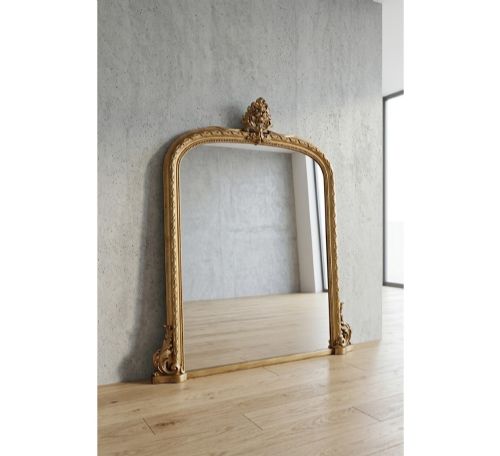
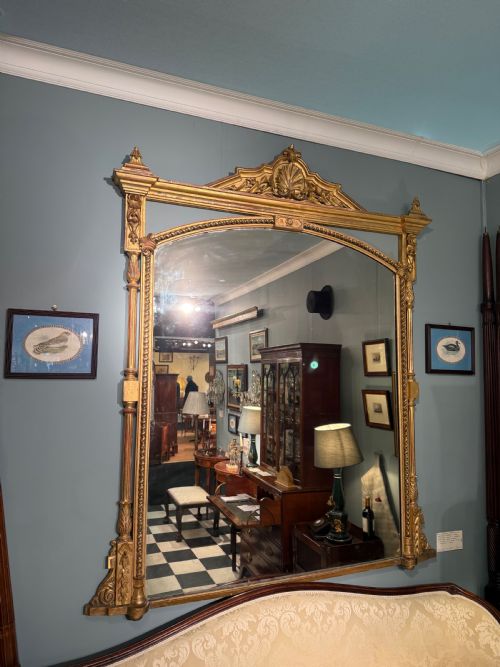
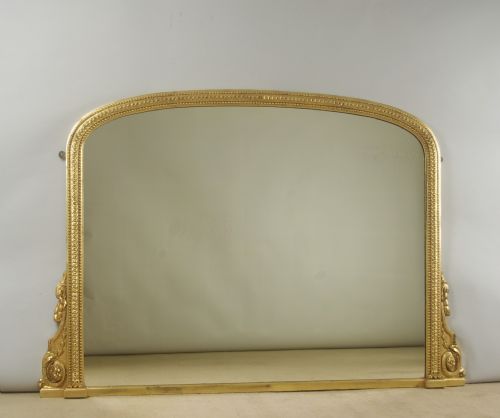
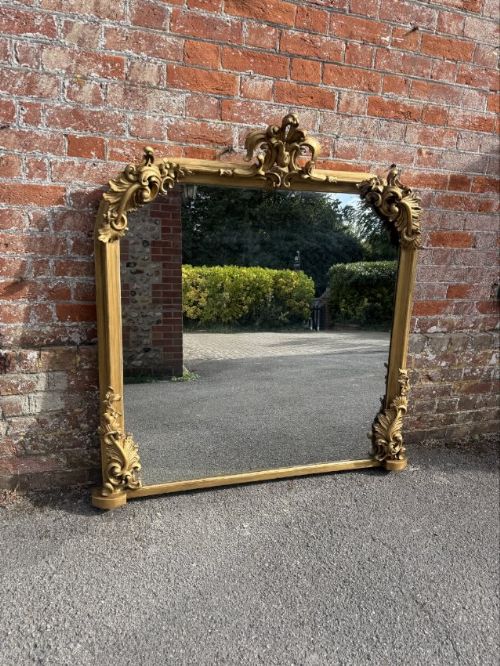

Victorian Gilded Fireplace Mirror
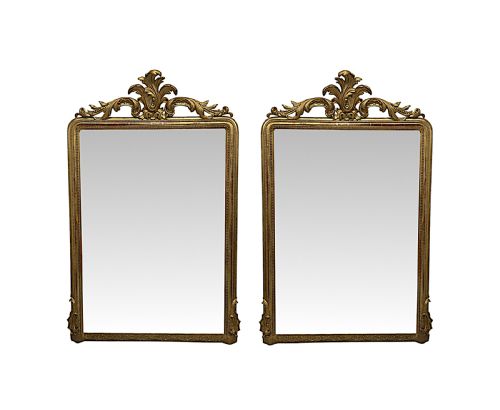
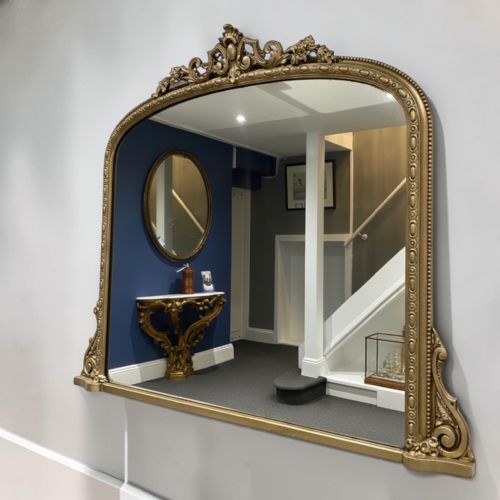
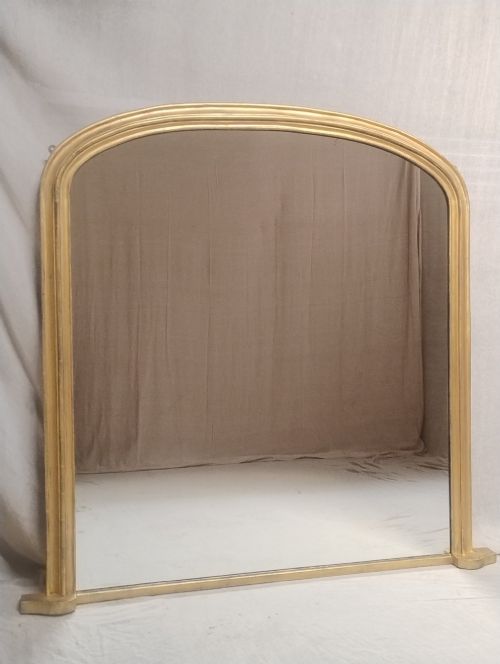
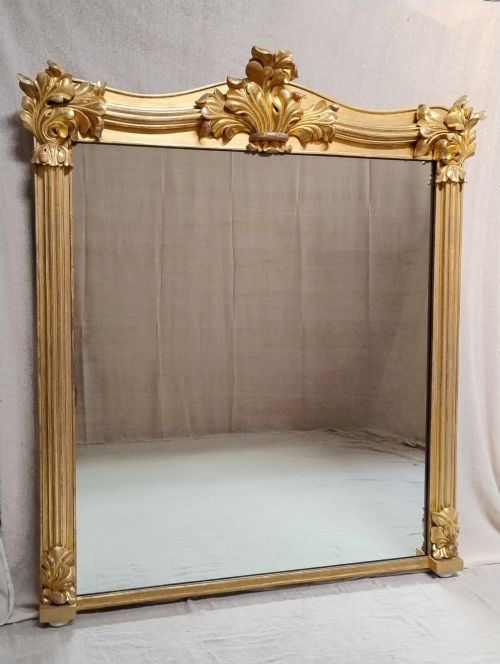
A victorian gilded fireplace mirror commands the room above a mantelpiece, bringing warmth and light into a traditional interior.
Victorian Gilded Fireplace Mirror
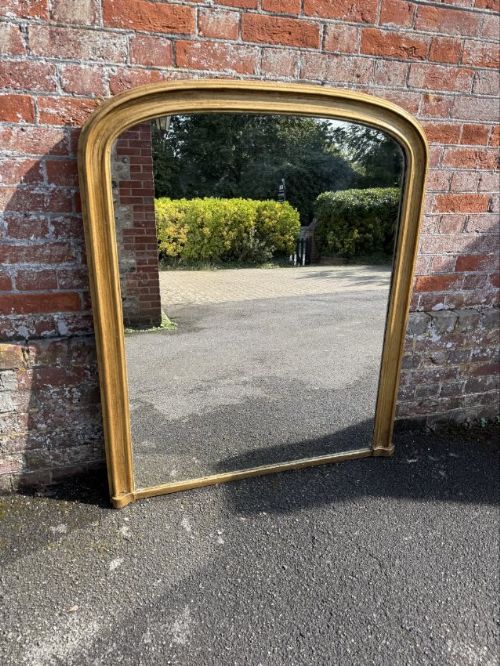
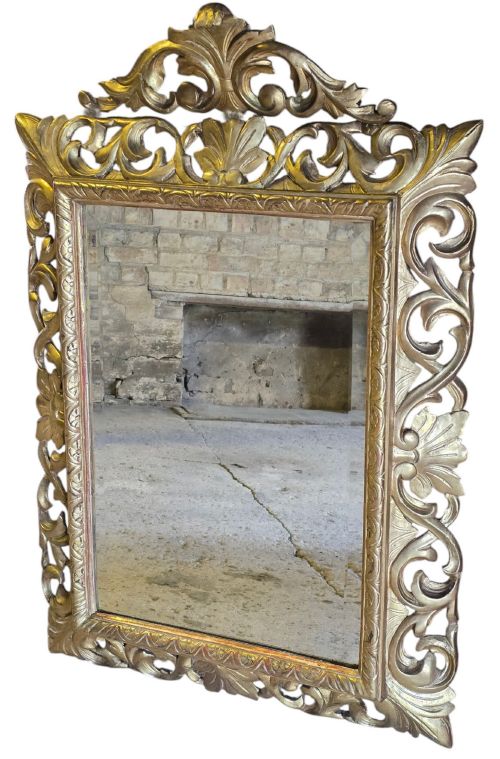
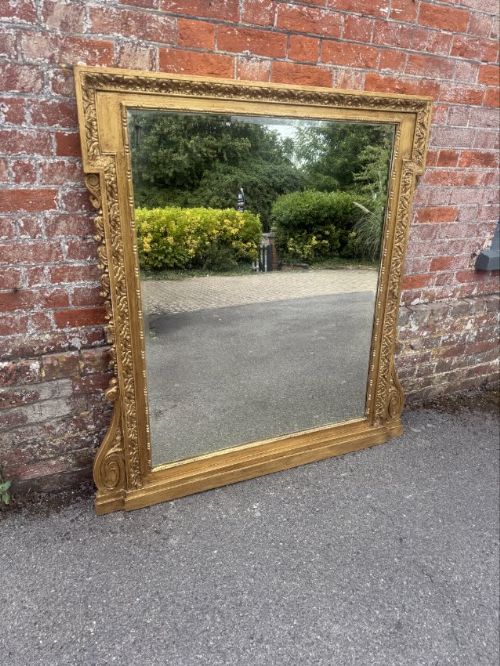
A victorian gilded fireplace mirror is typically encountered as a large overmantle mirror designed to sit directly above a hearth. The examples available here span the nineteenth century, including pieces dated from the eighteen sixties and seventies through to nineteen hundred, alongside English and French stylistic influences.
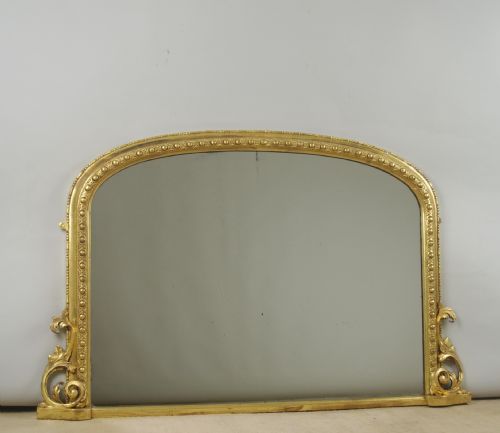
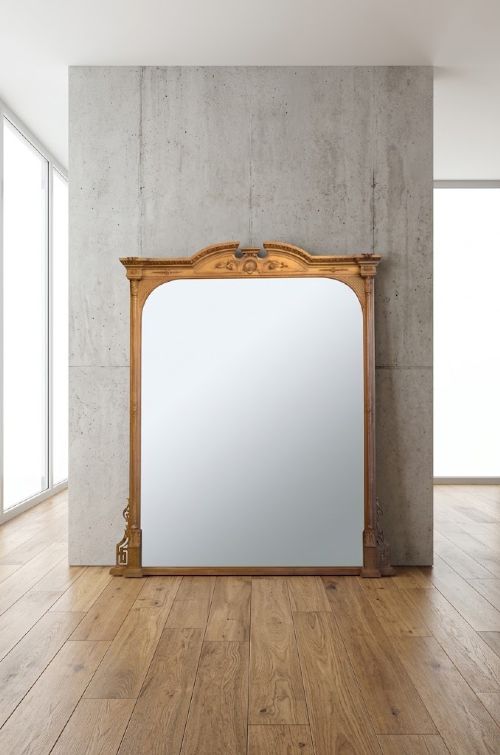
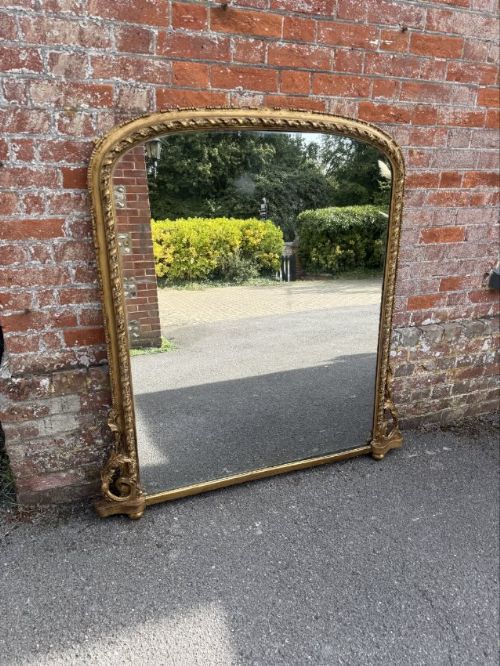
Most pieces take the form of substantial wall mirrors with arched, shaped or flat tops, often framed by carved wood and gesso. Overmantle mirrors of this scale were built to reflect natural light and visually expand the proportions of period reception rooms.
How they were made
Makers constructed the foundational frames from carved wood, applying layers of gesso to build up intricate surface ornament and relief details. Gilding was achieved using gold leaf or specialist liquid gold finishes to cover the timber substrates.
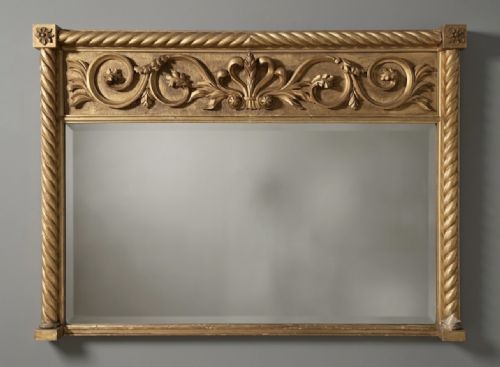
Mirrors incorporated heavy glass plates, sometimes featuring bevelled edges or triple plate configurations within a single structural frame. Frames frequently utilised decorative elements such as rope twists, columns, crestings and ribbed mouldings.
Several mirrors include nautical rope twist frames, proving nineteenth-century makers liked to bring maritime texture straight to the living room fireplace.
What varies in quality
The standard of a victorian gilded fireplace mirror rests on the depth and crispness of the hand-carved wood and gesso ornamentation. Superior examples display sharply defined moulding and substantial timber construction rather than simplified composition ornament.
Proportion and scale dictate the visual impact of each piece, with finer mirrors maintaining structural harmony across large dimensions. The integrity of the original gilding and the clarity of the antique mirror glass further distinguish exceptional examples from standard decorative items.
The Victorian Gilded Fireplace Mirror Glossary
- Overmantle
- A large mirror specifically proportioned to hang on the wall directly above a fireplace mantelpiece. These pieces often feature wide horizontal formats or tall arched profiles designed to fit low chimney breasts.
- Gesso
- A plaster-like mixture applied to wooden frame foundations to create a smooth surface for subsequent gilding. Artisans carved intricate relief patterns directly into this layered material.
- Giltwood
- Timber that has been coated in gold leaf or gold paint for decorative effect. It forms the primary visible surface on traditional nineteenth-century frames.
- Rococo Revival
- A decorative style popular in the nineteenth century characterised by asymmetrical scrolls, naturalistic floral motifs and exuberant curves. Mirrors in this idiom borrow heavily from eighteenth-century French aesthetics.
- Triple Plate
- A mirror construction style where the main glass panel is flanked by two smaller side sections within the same frame. This technique adds complexity and width to large wall mirrors.
Victorian Gilded Fireplace Mirror: Frequently Asked Questions
How do I hang a heavy overmantle mirror safely?
Due to their substantial weight and large dimensions, these mirrors require secure wall fixings anchored directly into masonry or substantial timber studs. Professional installation using heavy-duty mirror brackets ensures the piece is properly supported.
Position the mirror at a height that complements the mantelpiece below while maintaining proper clearance above the fireplace opening. The weight distribution must be carefully managed across the primary frame structure.
What styles are common in nineteenth-century mirrors?
Nineteenth-century designs frequently incorporate French Chateau, Louis Philippe, Rococo Revival and Chinese Chippendale influences alongside traditional English formats. Makers adapted historical motifs to suit Victorian interiors through elaborate carved crests and arched frames.
Stylistic details range from restrained classical columns to ornate, exuberant scrollwork and gilded rope twists. Each aesthetic reflects the diverse tastes of the period and the skill of the original workshops.
How should I clean antique gilt frames?
Dust giltwood and gesso surfaces gently with a soft, dry brush to avoid disturbing the delicate metallic finish. Moisture and standard household cleaning chemicals can permanently damage historic gilding and wood substrates.
Glass plates can be cleaned using a mild glass cleaner applied sparingly to a cloth rather than sprayed directly onto the mirror. This prevents liquid from seeping behind the glass edge and harming the silvering.