


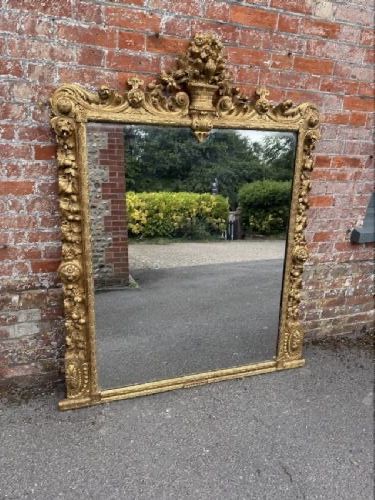
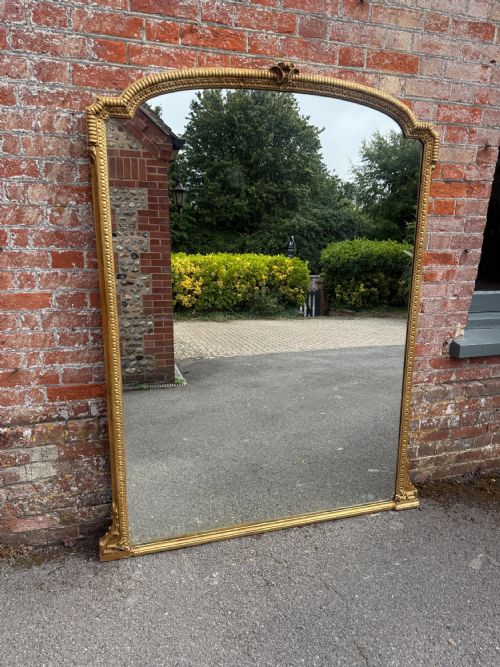
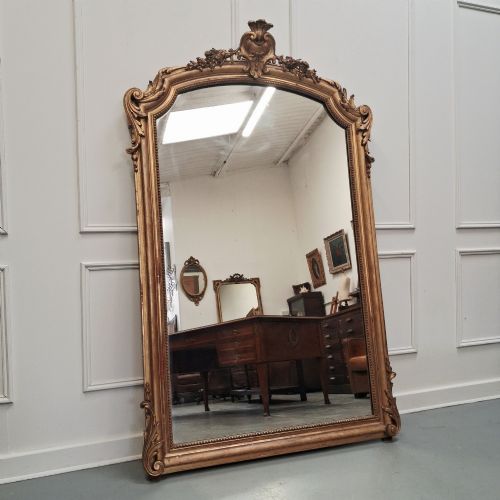
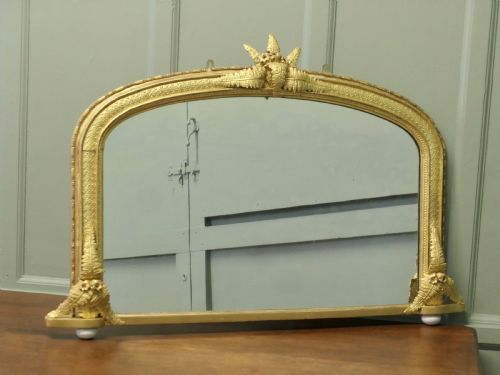
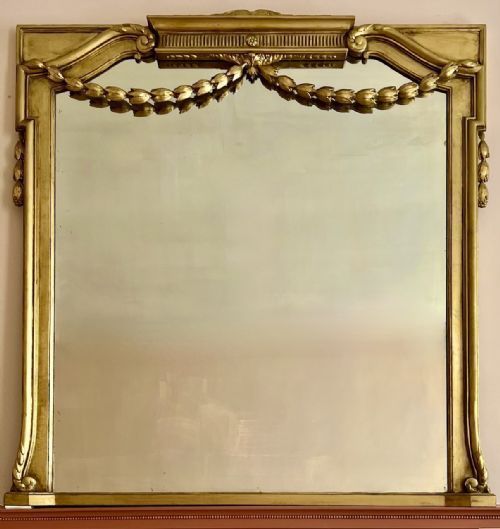
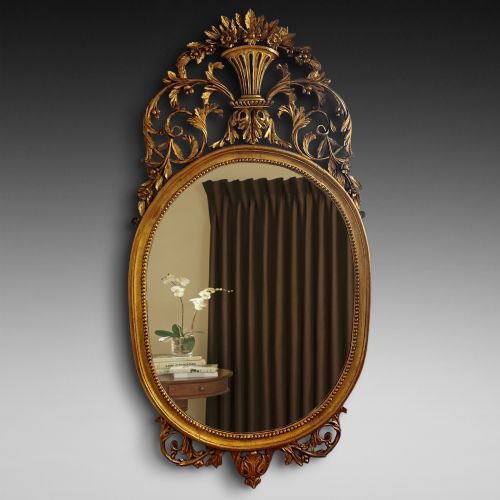
Carved Gilt Mantel Mirror
A carved gilt mantel mirror brings depth, light, and architectural presence to a room, anchoring a fireplace with period character.
Carved Gilt Mantel Mirror
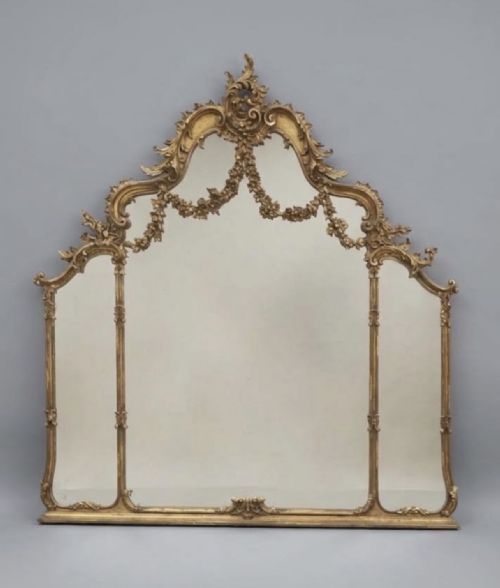
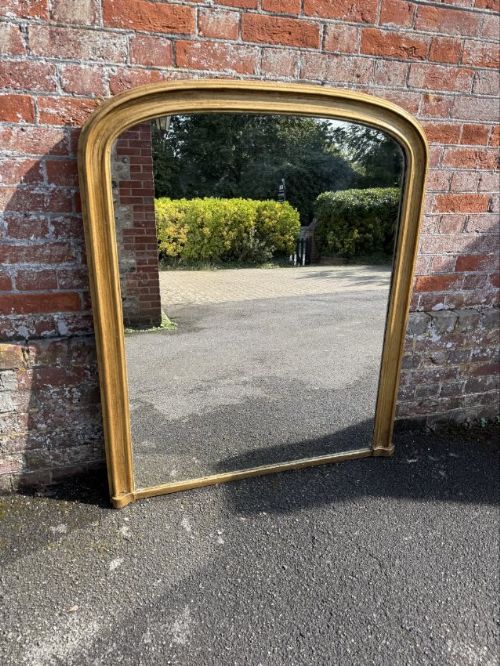
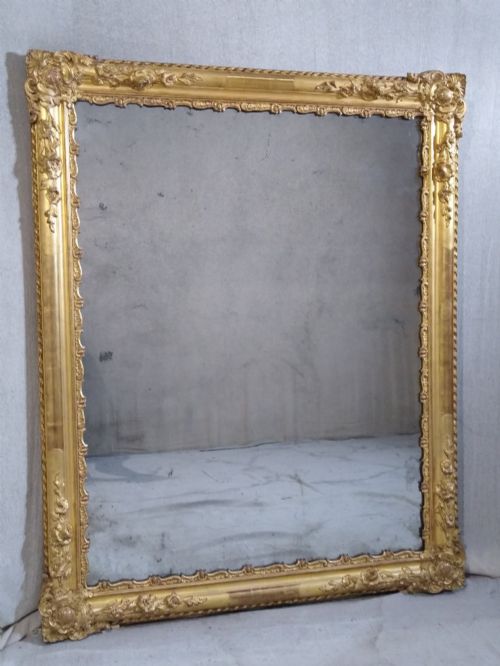
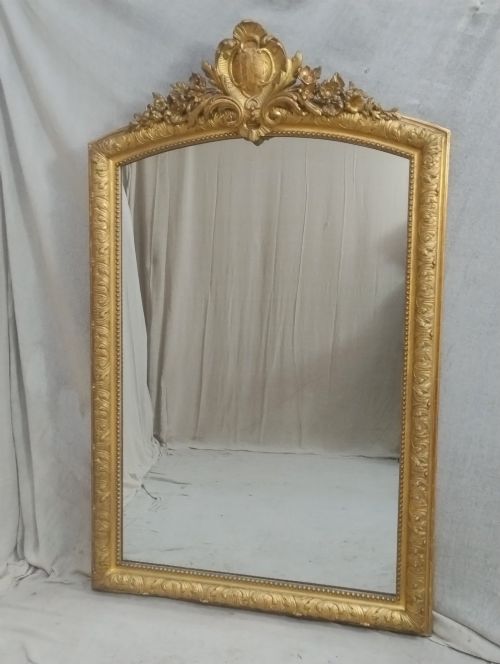
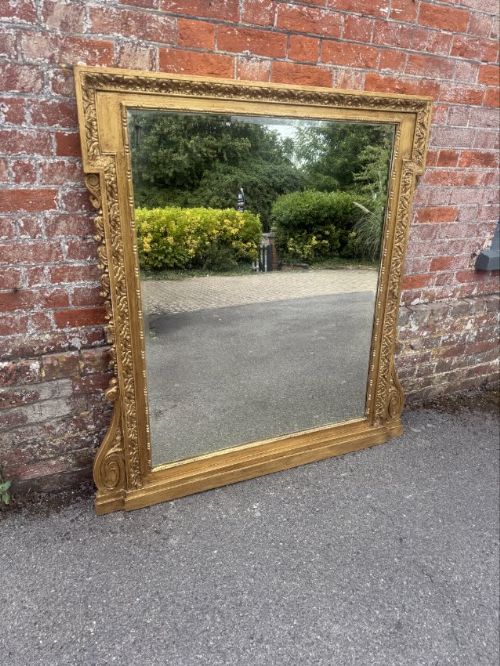
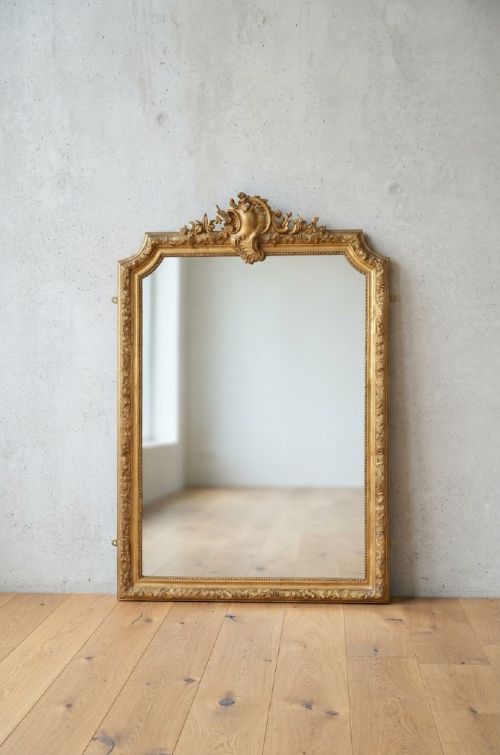
A carved gilt mantel mirror sits above a fireplace, dominating the wall with substantial proportions and reflective glass. These large frames serve as decorative centerpieces in drawing rooms and parlours, originally designed to bounce candlelight and daylight around interior spaces.
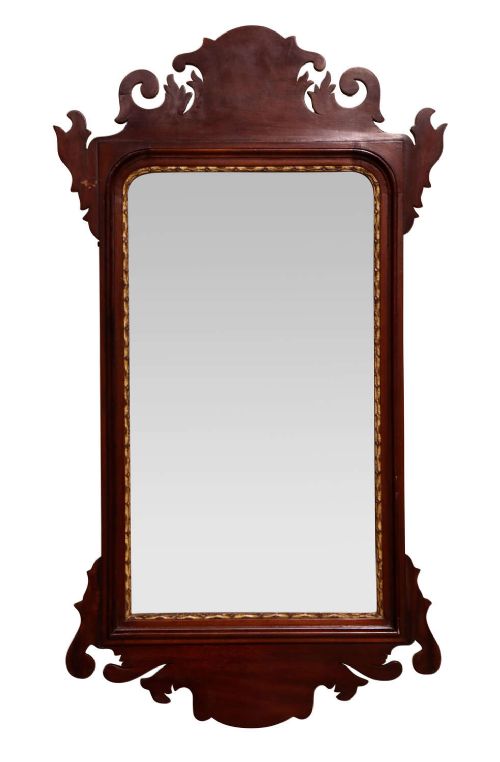
Most examples found here date from the nineteenth century, spanning Victorian, Georgian, and French periods. Overmantel mirrors and pier mirrors appear frequently, featuring rectangular, arched, or shaped tops designed to follow the lines of mantelpieces.
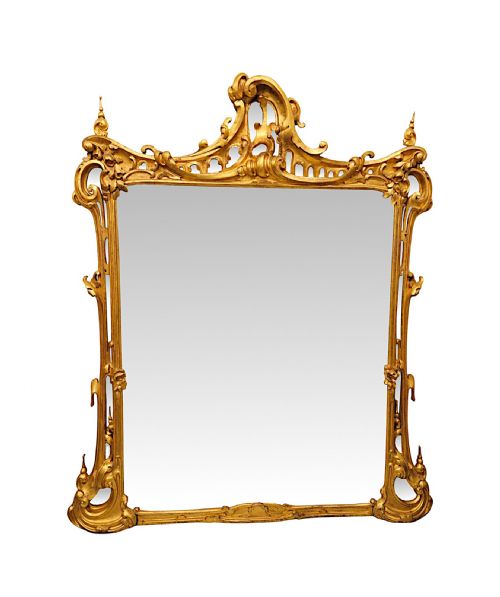
English and French workshops produced the majority of these pieces, employing regional decorative vocabularies ranging from restrained classical mouldings to ornate rococo revival flourishes. Surviving examples retain their architectural function while functioning as standalone works of decorative art.
How they were made
Carved wood provides the structural framework for these mirrors, typically utilising timber substrates shaped by hand. Craftsmen applied layers of gesso over the wood to build up smooth surfaces for detailed ornament and gilding.
Gold leaf or liquid gilding covers the gesso and carved elements, catching the light across intricate mouldings and crests. Original mirror glass, frequently showing foxing or age spots, sits secured within the rabbet of the heavy frame.
Listings feature nineteenth-century pieces from Victorian, Georgian, and Regency periods, utilising carved wood, gesso, and original mirror glass.
What varies in quality
The depth and crispness of the carving distinguish finer examples from standard production pieces, particularly where gesso relief work defines scrolls, foliage, or cresting. Pierced fretwork and applied details require skilled handwork that maintains sharp edges beneath layers of gold leaf.
Proportion and scale dictate the visual impact of a mantel mirror, with well-balanced architectural frames commanding greater presence than heavy, unrefined structures. The survival of original mirror plates, complete with period foxing or silvering wear, adds integrity to the piece.
The Carved Gilt Mantel Mirror Glossary
- Gesso
- A plaster-like mixture applied to wooden frame substrates to create a smooth surface for carving and gilding. This compound allowed artisans to model intricate relief ornamentation before applying gold leaf.
- Giltwood
- Timber carved and subsequently covered with gold leaf or metallic powder. This material defined the reflective luxury of period frames.
- Overmantel mirror
- A large wall mirror specifically scaled to hang above a mantelpiece or fireplace. These pieces often feature horizontal emphasis or arched tops to match architectural proportions.
- Pier mirror
- A tall mirror designed to hang on the narrow wall space between windows. Their vertical format maximised light diffusion in nineteenth-century rooms.
- Foxing
- Age-related spots and discoloration within the silvering of antique mirror glass. This natural oxidation indicates original nineteenth-century plates.
Carved Gilt Mantel Mirror: Frequently Asked Questions
How do I hang a heavy mantel mirror?
These frames require secure wall fixings anchored directly into masonry or heavy studwork to support their substantial weight. Professional mirror hangers utilise heavy-duty brackets that distribute the load safely across the wall.
Positioning the base close to the mantel shelf ensures proper visual alignment with the fireplace below. Leave a small gap to protect both the wooden mantel and the mirror frame from friction damage.
How do I clean a gilded frame?
Dust the carved gesso and giltwood surfaces gently with a soft, dry brush to remove settled debris without disturbing the delicate gold leaf. Avoid liquid cleaners, water, or chemical sprays, which strip historic gilding.
Specialist conservation care prevents the flaking of fragile gesso layers built up over the original wooden substrate. Regular, gentle dusting preserves the aged lustre of nineteenth-century surfaces.
What is foxed mirror glass?
Foxed glass displays dark spots, speckling, and softening of the reflection caused by chemical breakdown of the silver backing over decades. This natural ageing process proves the glass is an original period plate rather than a modern replacement.
Many collectors prize foxed plates for the atmospheric, gentle distortion they bring to interior spaces. The soft reflection complements the warm tone of antique giltwood frames.
How do I date a nineteenth-century mirror?
Examine the construction of the wooden backboards, frame joinery, and the composition of the gesso mouldings for period manufacturing clues. Georgian and Victorian pieces exhibit distinct stylistic traits, from neoclassical restraint to exuberant rococo revival curves.
Architectural clues like arched tops, triptych plate divisions, and cresting details align with specific decades between 1800 and 1900. Comparing the frame style with documented archive examples narrows the date of origin.