
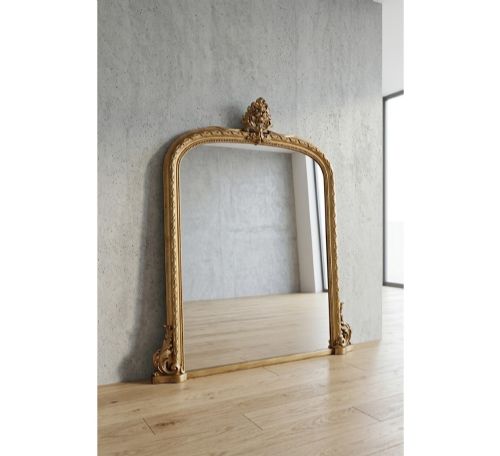
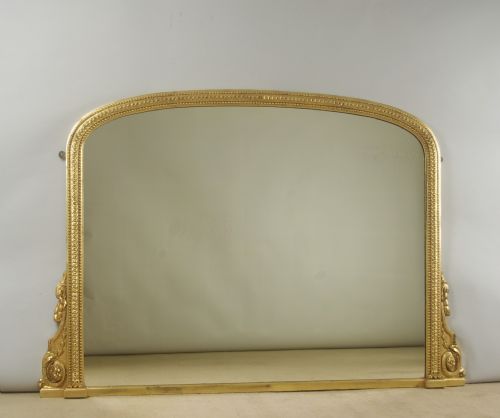
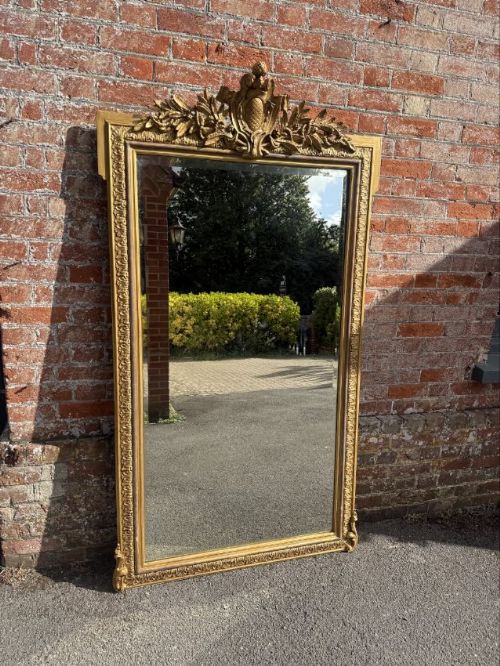
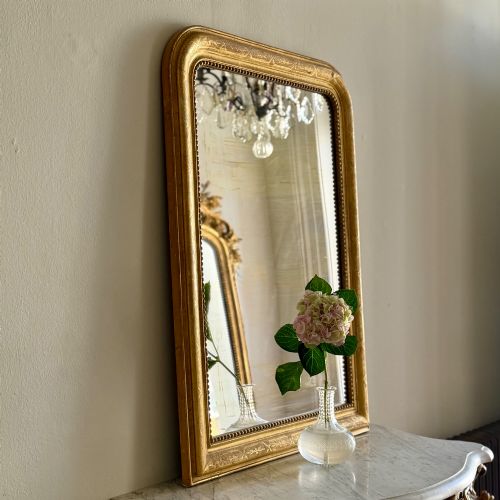
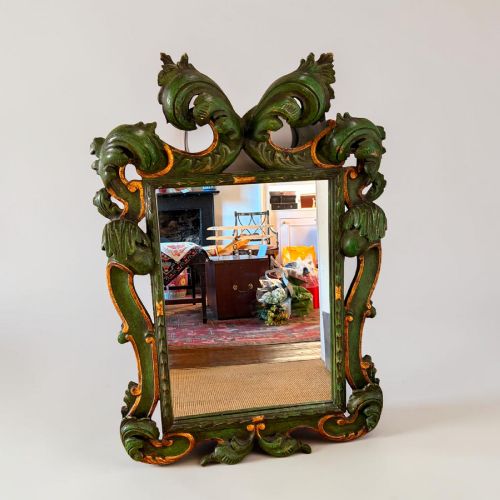
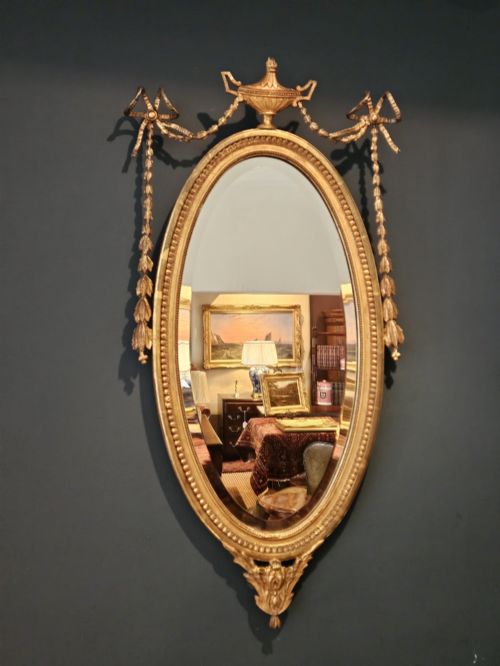
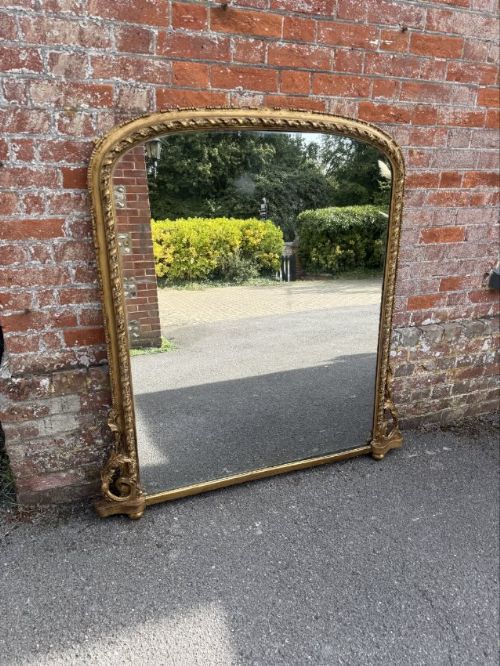
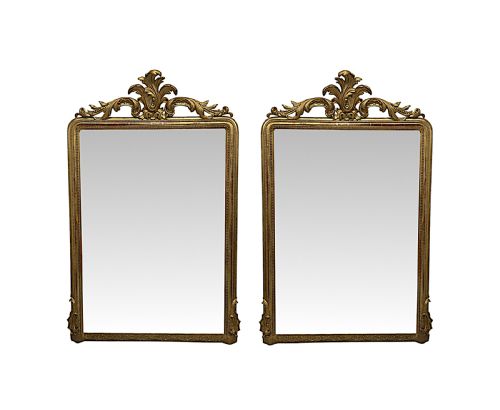
Carved Gilded Mantle Mirror
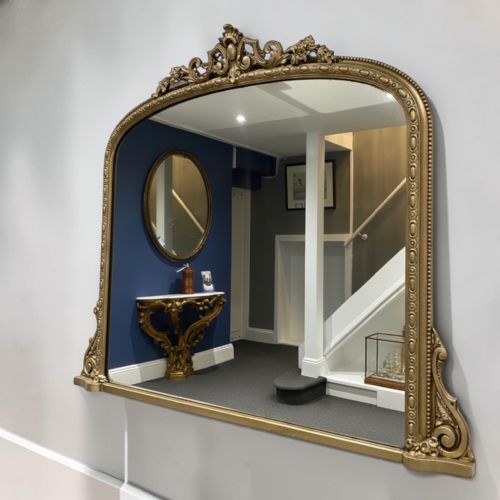
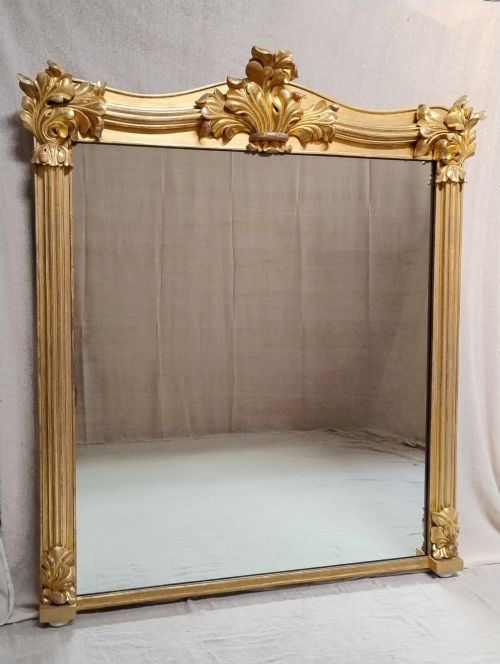
A carved gilded mantle mirror brings light and grand scale into a room, originating mostly from the Victorian, Georgian, and Regency periods.
Carved Gilded Mantle Mirror
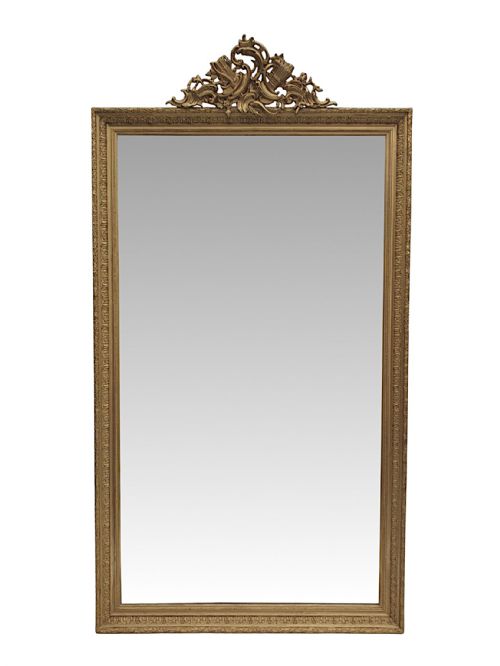
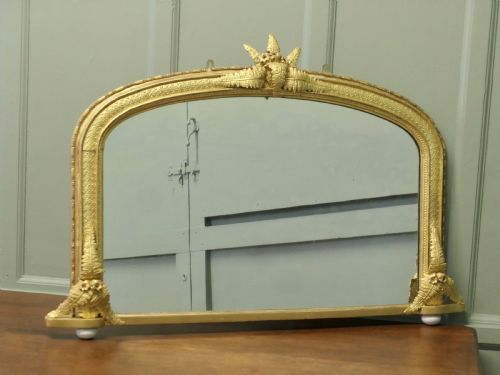
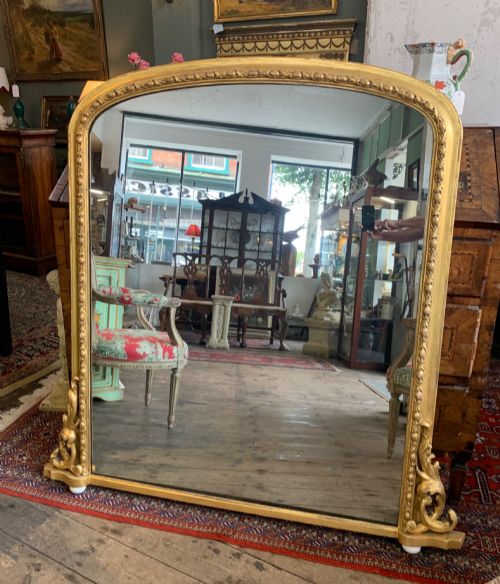
A carved gilded mantle mirror sits above a fireplace or serves as a principal wall piece, originating primarily in the 18th and 19th centuries. Buyers searching this phrase encounter large overmantel mirrors, pier mirrors, and tall wall mirrors designed to reflect light and anchor a room.
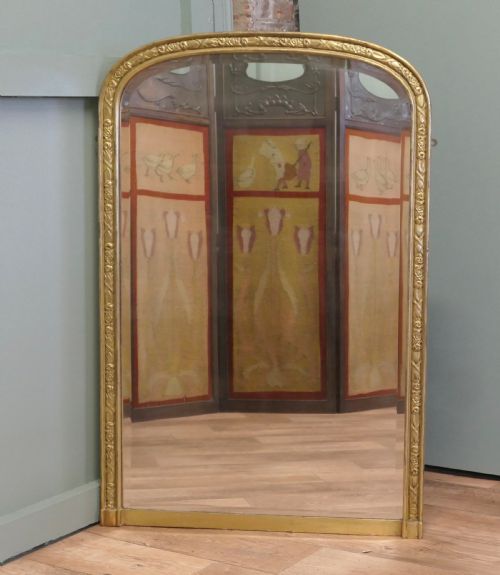
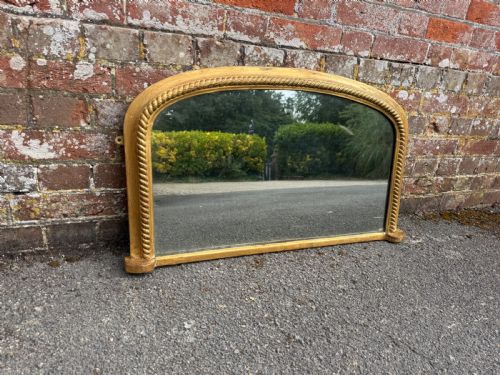
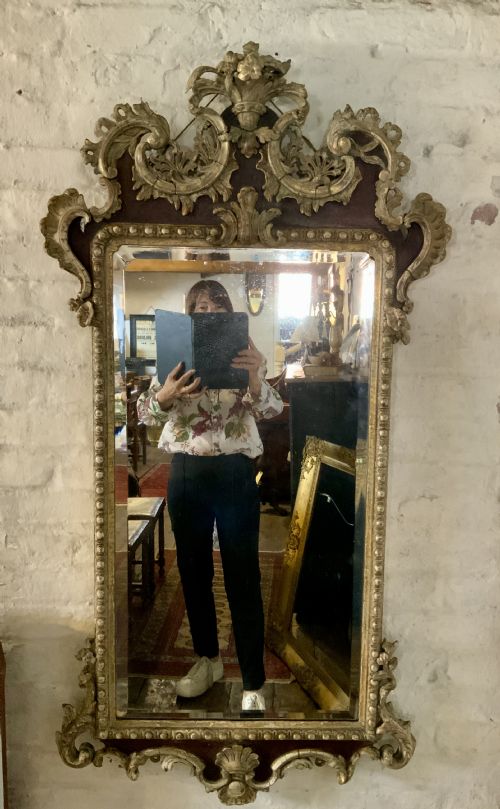
The pieces on this page span several distinct regional styles, including French Chateau, Louis XVI, and Rococo Revival, alongside English Georgian and Victorian designs. Arched tops, rectangular frames, and triple plate constructions appear frequently across the selection.
English and French workshops produced the majority of these examples, utilising wood, gesso, and gold leaf to create substantial decorative statements. Forms range from simple column frames to ornately carved cresting with rope twists or nautical motifs.
How they were made
Carvers shaped solid wood timbers, often pine or walnut, to form the structural foundation of the frame. Applied gesso provided a smooth surface layer for intricate relief ornamentation before gilding.
Craftsmen applied thin sheets of gold leaf or applied composition ornaments onto the prepared gesso base. Mirror glass, sometimes original and bevelled, was then fitted into the finished rebate at the rear.
Several mirrors gaze out with small carved wooden masks hidden within their scrolling foliage.
What varies in quality
The depth and crispness of the hand-carved detail distinguish finer examples from standard production pieces. Deep relief work on crests and corners indicates superior craftsmanship compared to shallow or cast composition ornament.
The integrity of the original gilding and the condition of the silvering on the mirror plate influence the character of each piece. Surviving original glass and undisturbed gold leaf retain the authentic visual depth intended by the maker.
The Carved Gilded Mantle Mirror Glossary
- Gesso
- A plaster-like mixture applied to wooden frames to create a smooth base for carving or gilding. It allows for sharp relief details in ornamental mouldings.
- Giltwood
- Timber that has been coated with gold leaf or metallic powder. This technique protects the underlying wood while providing a reflective surface.
- Overmantel
- A large mirror specifically designed to hang above a fireplace mantelpiece. These pieces often feature wide proportions to match the width of the hearth below.
- Composition
- A moulded mixture of whiting, resin, and glue pressed into decorative shapes. Makers used it as a cost-effective alternative to hand carving.
- Trumeau
- A decorative mirror incorporating a painted panel or oil painting above the glass. French examples frequently display pastoral or maritime scenes within the upper section.
Carved Gilded Mantle Mirror: Frequently Asked Questions
Where should I hang a mantle mirror?
These mirrors traditionally anchor the space above a fireplace mantel, where their proportions balance the hearth below. They also function effectively on principal walls in reception rooms to create an illusion of depth and light.
Ensure the wall construction and fixings can support the substantial weight of a timber and gesso frame. Positioning the glass opposite a window maximises the reflection of natural daylight into the interior.
How do I identify a Victorian mirror?
Victorian examples often display heavy gesso ornamentation, arched tops, and robust wooden construction. Stylistic cues frequently draw upon earlier Rococo or Gothic revivals popular during the nineteenth century.
Examining the backboards, fixings, and assembly methods helps confirm the period. Original fixings and undisturbed backing boards provide reliable clues to the age of the piece.
What is a pier mirror?
A pier mirror is a tall, narrow glass designed to fit the wall space between two windows. These pieces often feature matching console tables placed directly beneath them.
Their slender proportions distinguish them from wider overmantel mirrors. They serve the same functional purpose of amplifying natural light in smaller architectural spaces.
Are the mirror plates original?
Many surviving pieces retain their original glass, which often exhibits minor foxing, dark spots, or slight distortions. These natural signs of ageing confirm the antiquity of the mirror plate.
Replacement glass appears in some pieces where the original mirror deteriorated beyond restoration. Inspecting the silvering and bevel edges helps determine whether the glass dates from the same period as the frame.