
Gesso Gold Framed Mirror
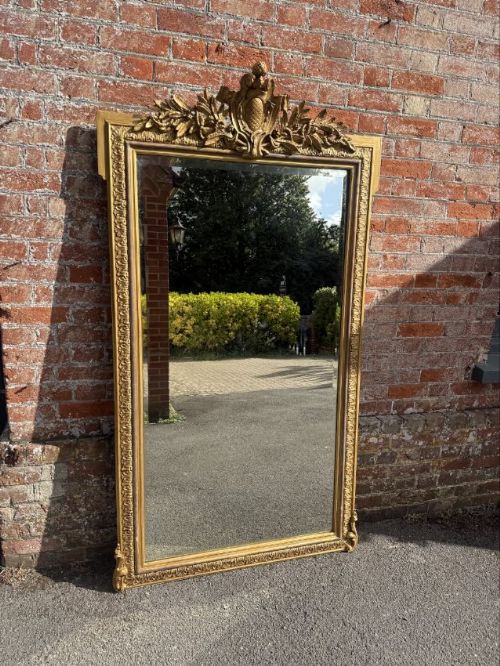
A gesso gold framed mirror brings architectural depth and reflected light into a room through carved timber and plaster relief.
Gesso Gold Framed Mirror
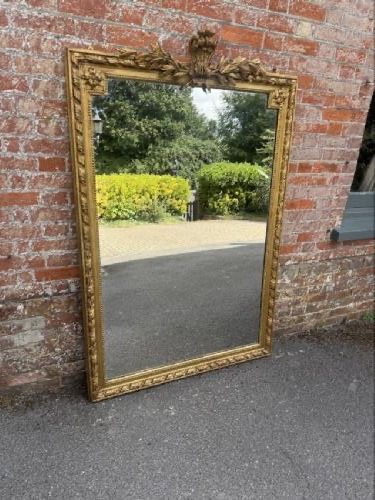
When you examine a gesso gold framed mirror, you encounter decorative furnishings designed to hang on walls or sit above fireplace mantels. The selections span major periods from the eighteenth century to the early twentieth century, showing distinct English and French influences.
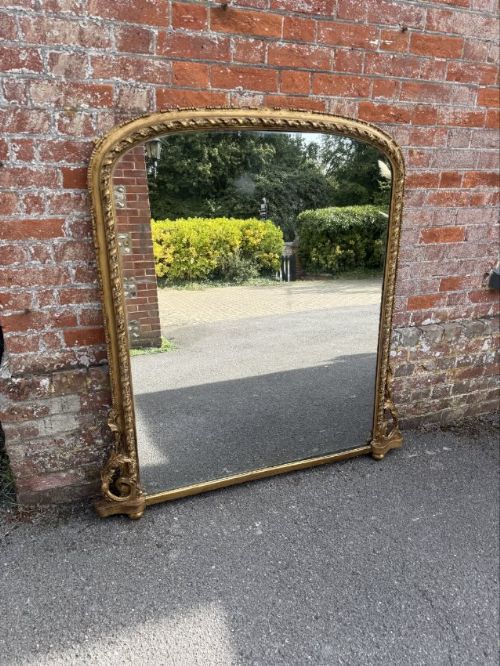
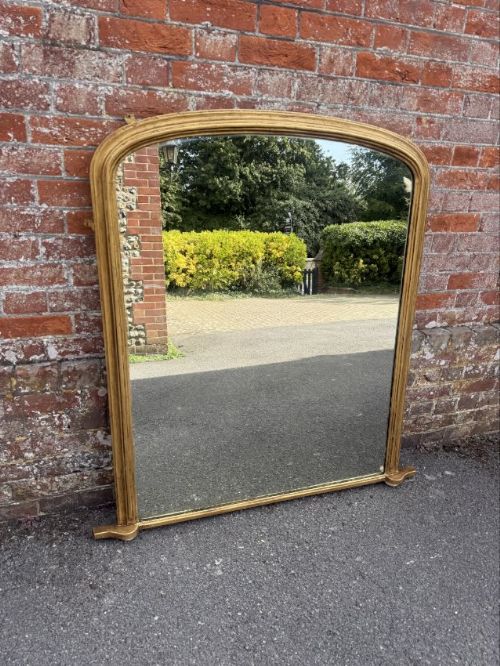
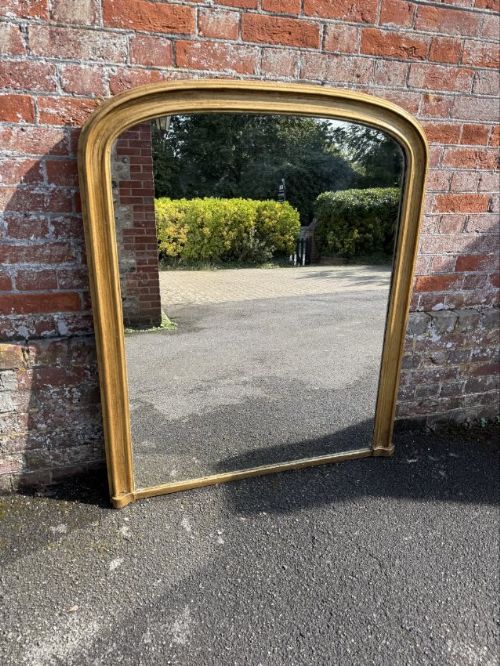
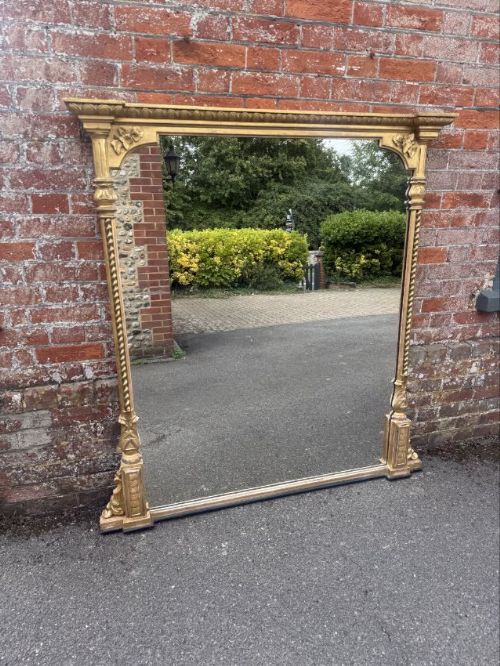
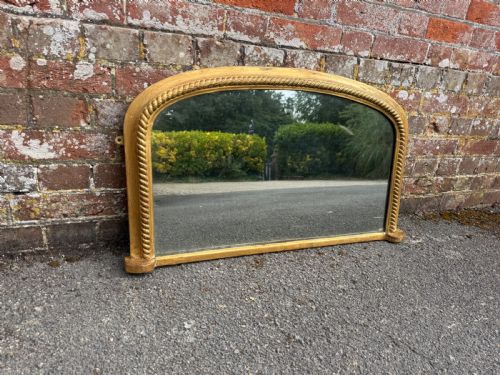
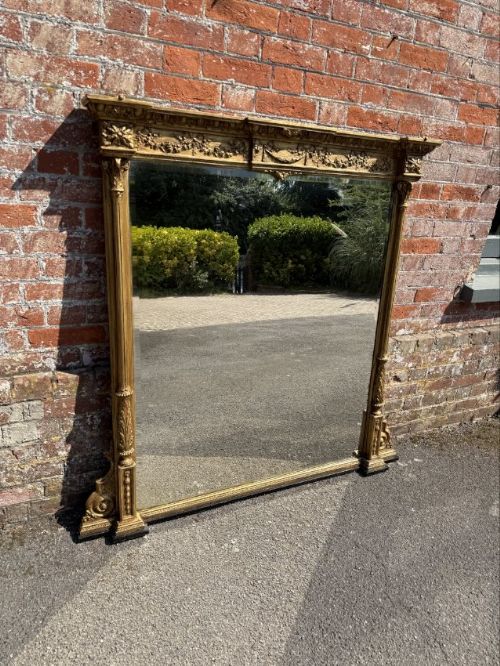
The version you are most likely to meet on this page is the nineteenth-century overmantel mirror, often featuring an arched top and substantial proportions. These pieces combine carved wood foundations with moulded plaster work, finished in gilt.
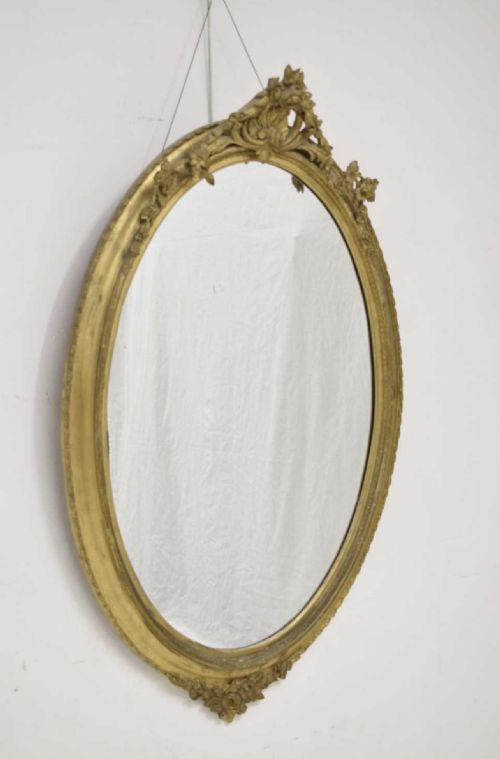
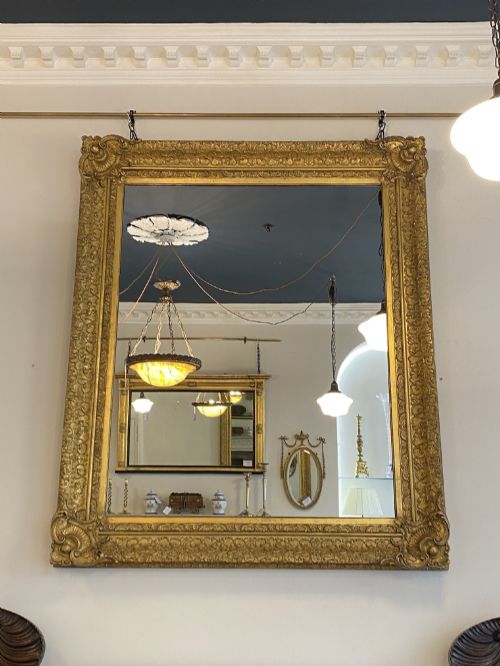
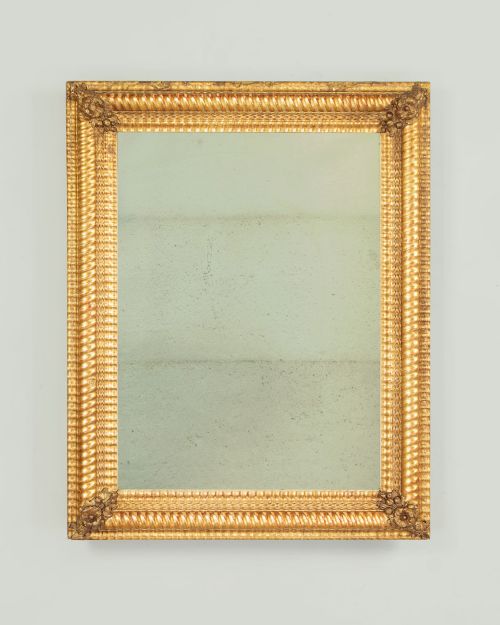
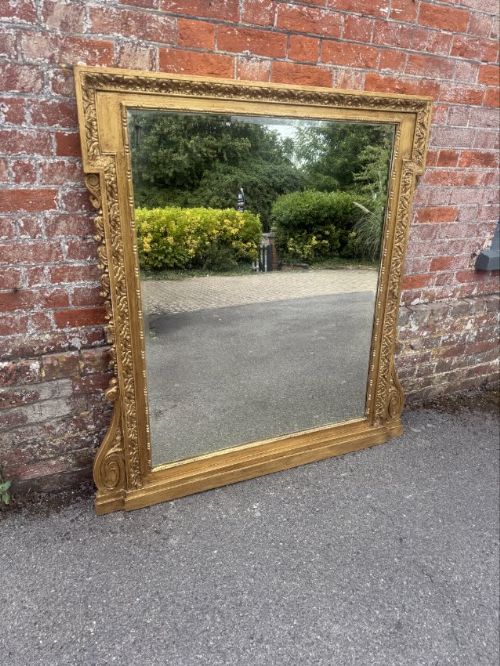
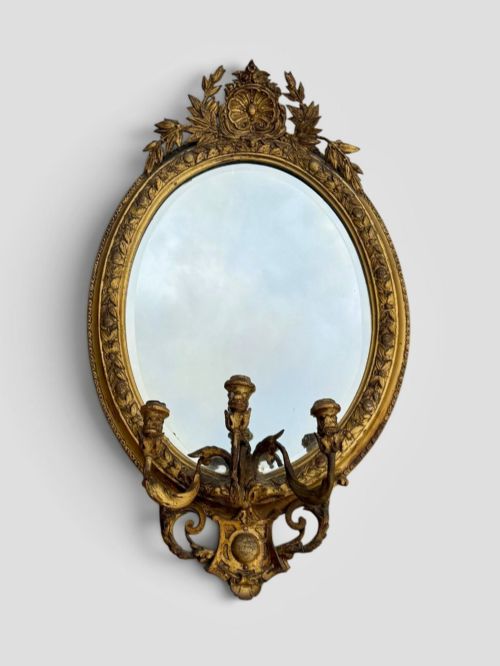
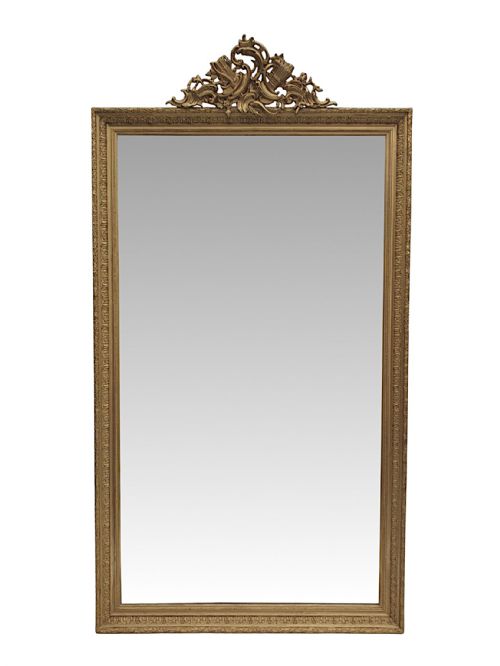
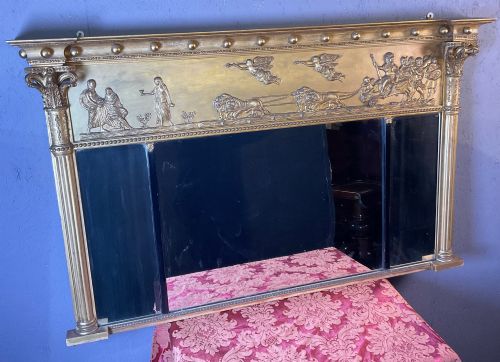
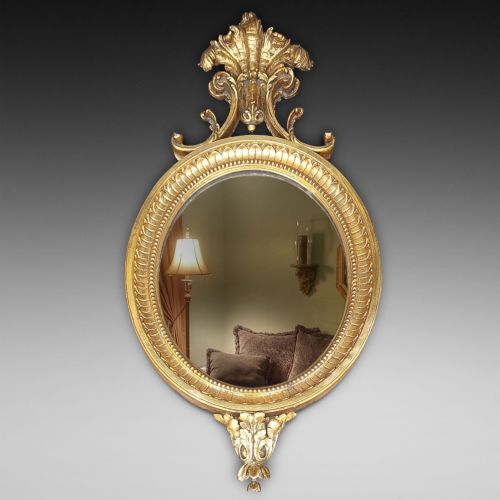
Alongside large mantel pieces, the listings include wall mirrors, pier mirrors, and smaller oval or rectangular formats. Styles range from restrained classical profiles to exuberant rococo revival curves and ornate rope twist frames.
Materials and construction methods
Craftsmen built the core frames from solid wood, usually carving details directly into the timber or applying built-up sections. Over this wooden substrate, they applied layers of gesso, a dense mixture of plaster or chalk and a binder, which allowed for crisp moulding and deep relief decoration.
Once the gesso hardened and was smoothed, artisans applied gold leaf or paint over the surface to achieve a metallic lustre. The glass components include mirror plates secured into the rebates, occasionally retaining original mercury backing on older pieces.
Factors determining quality
The distinction between ordinary and exceptional examples lies in the crispness of the modelling and the depth of the gesso relief. Superior pieces exhibit hand-carved wooden elements beneath the gesso layer rather than entirely cast plaster ornamentation.
Proportion and execution define the visual success of the piece, with finer frames displaying well-balanced ornament that complements the mirror plate. The preservation of the original gilt surface and the character of the glass further separate standard production from high-status examples.
The Gesso Gold Framed Mirror Glossary
- Gesso
- A prepared mixture of chalk, gypsum, and size used as a base for moulding and gilding on wooden frames.
- Giltwood
- Timber that has been coated with gold leaf or gold paint, forming the primary luminous surface of traditional frames.
- Overmantel Mirror
- A large mirror specifically proportioned to hang on the wall directly above a fireplace mantel.
- Girandole
- An ornamental wall mirror featuring attached candle sconces that reflect light into the interior space.
- Pier Mirror
- A tall, narrow mirror designed to hang on the wall space between windows.
Gesso Gold Framed Mirror: Frequently Asked Questions
What is a gesso gold framed mirror?
A gesso gold framed mirror is a decorative looking glass built with a wooden foundation, coated in a plaster-like gesso substance, and finished with gold leaf or metallic paint. These objects were created to adorn domestic interiors, reflecting light and adding grandeur to principal rooms.
The styles range across centuries, incorporating motifs from rococo revival, classical, and victorian design aesthetics. They serve both functional and decorative roles in traditional and contemporary settings alike.
How do you hang an overmantel mirror?
Hanging an overmantel mirror requires securing heavy-duty fixings directly into solid wall studs or masonry to support the substantial combined weight of wood, gesso, and glass. Because these mirrors often sit above fireplaces, the height must balance the mantelpiece proportions and the ceiling height of the room.
Professional mirror hangers often utilise mirror plates screwed into the heavy wooden frame back rather than relying solely on a top wire. This distributes the weight safely and keeps the piece stable against the wall surface.
How do you clean an antique gilt mirror?
Cleaning an antique gilt mirror demands extreme caution to avoid damaging the delicate gold leaf and aged gesso surface. Dust should be removed gently using a very soft, dry brush without applying moisture or modern chemical cleaning agents that can strip the finish.
The glass plate can be cleaned with a minimal amount of glass cleaner applied to a cloth rather than sprayed directly, ensuring no liquid drips onto the vulnerable frame borders or behind the antique mirror plate.
How can you tell the period of a mirror?
Determining the period of a mirror involves examining the construction techniques of the wooden frame, the composition of the gesso, and the characteristics of the glass plate. Eighteenth-century examples often display hand-carved details and thicker, individually cast or bevelled glass, while nineteenth-century pieces frequently utilise machine-rolled glass and heavier moulded plaster ornament.
Secondary woods at the back of the frame, fixing methods, and stylistic cues such as rococo scrolls or classical columns also provide clear indicators of the era of manufacture.