
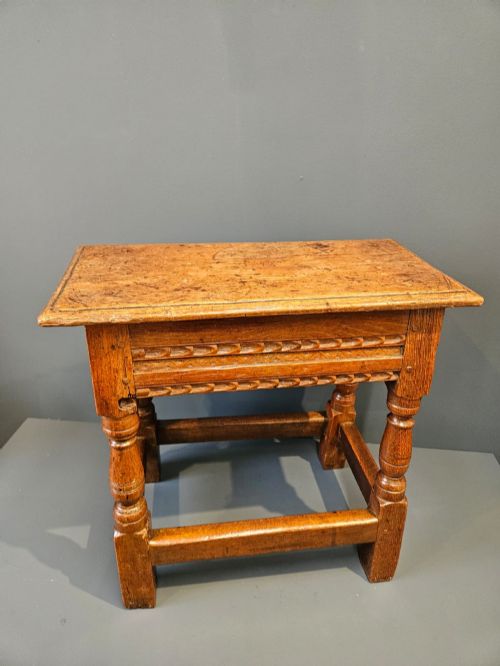
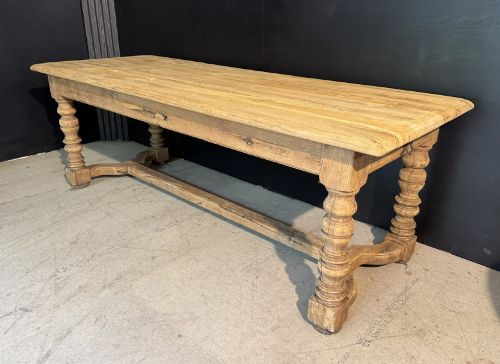
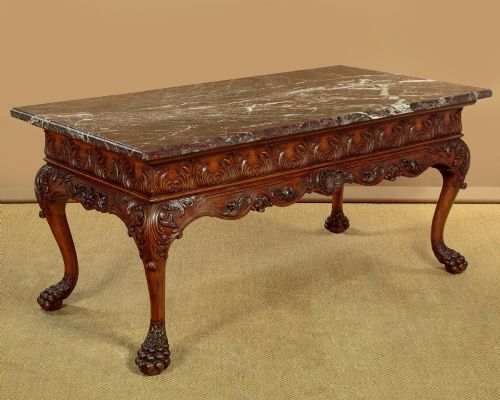
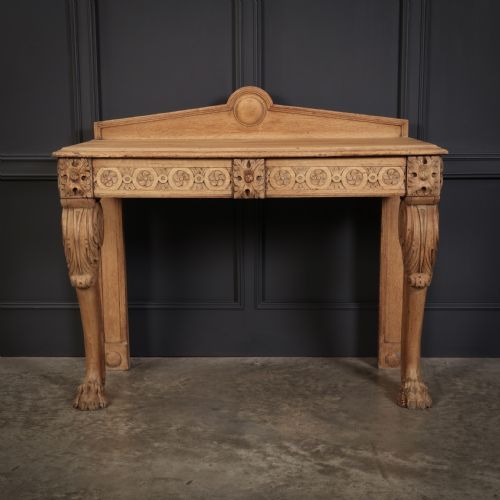
Carved Frieze Table
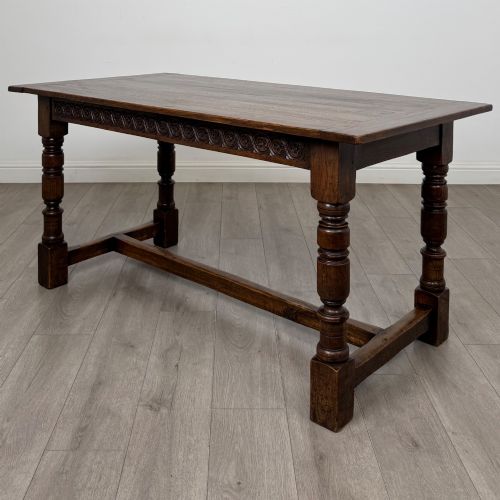
A carved frieze table is a sturdy timber surface distinguished by ornamental woodwork running beneath the top edge, bringing period character directly into daily use.
Carved Frieze Table
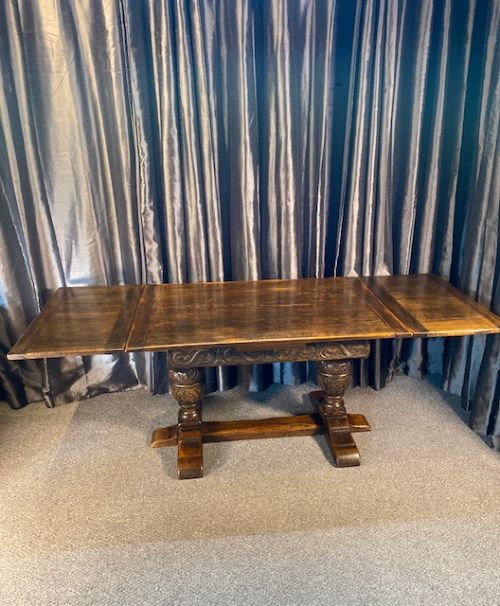
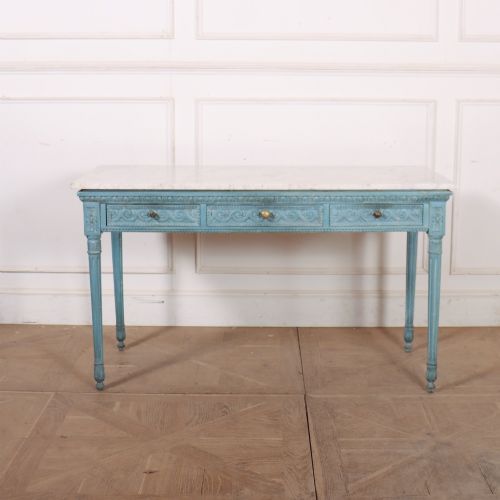
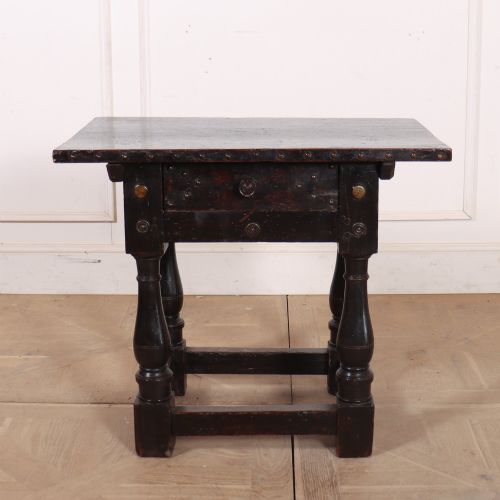
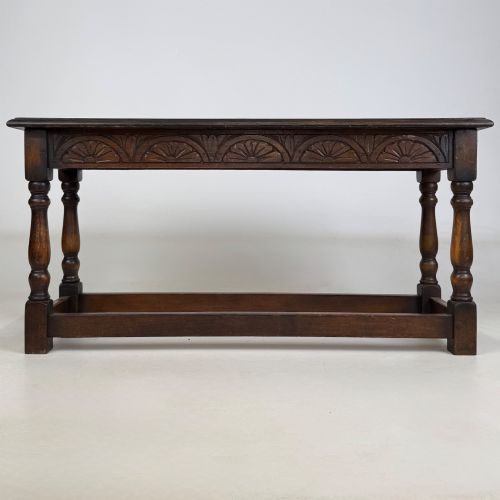
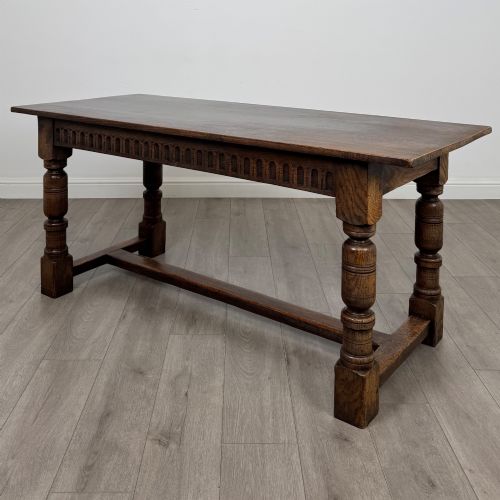
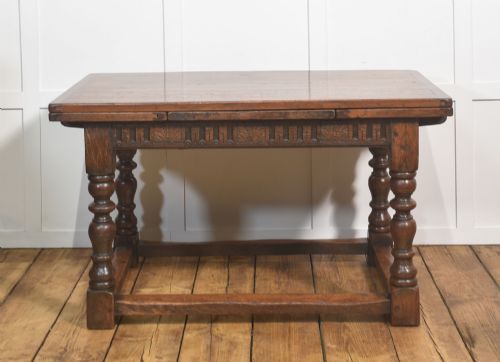
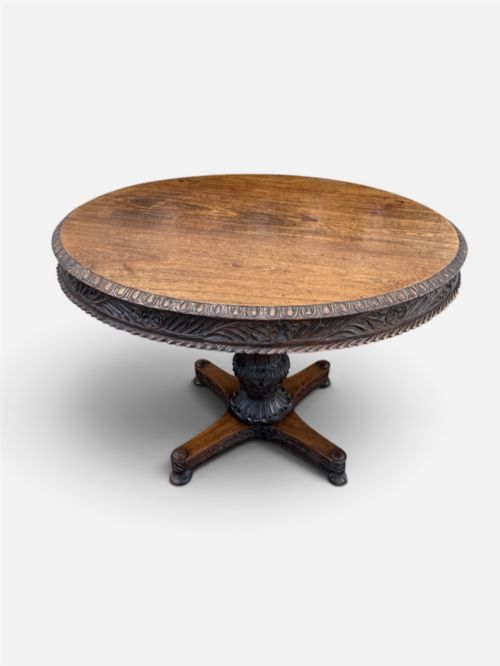
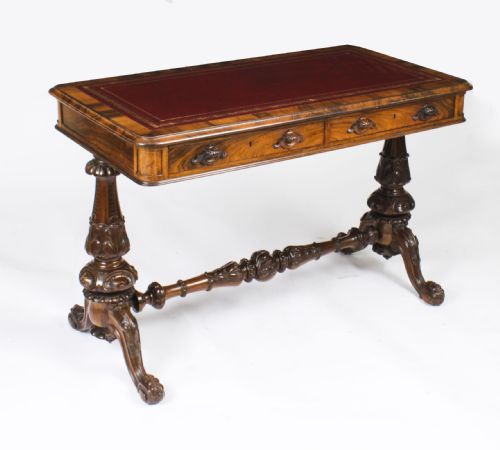
A carved frieze table brings together utilitarian surfaces and ornamental woodwork, appearing most often on this page as an oak dining or side table from the nineteenth and early twentieth centuries. These pieces span formal console designs to robust refectory forms, reflecting revival movements like the Jacobean and Gothic styles alongside domestic utilitarian pieces. Buyers searching for a carved frieze table will encounter diverse formats including writing desks, coffee tables, and narrow side tables featuring carved decoration directly beneath the top plank.
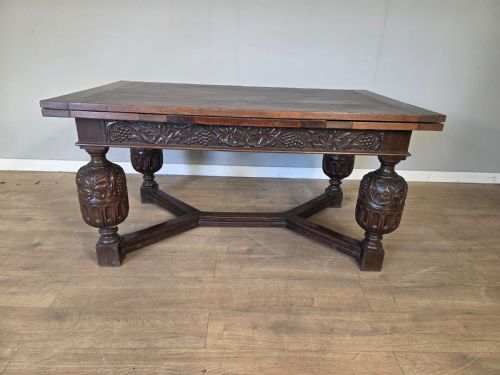
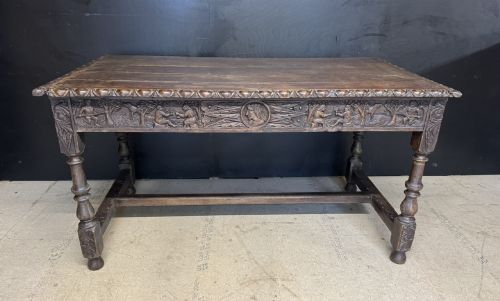
The assortment on this page draws heavily from seventeenth-century inspirations recast in later centuries, alongside Regency rosewood library tables and Victorian oak furniture. While formal console and side tables often display neat classical or floral relief, heavier refectory and dining formats showcase deep foliate or figural carving along the structural rails. This mix of periods ensures that whether the requirement is a compact hall table or a large dining surface, the decorative frieze remains the unifying design element.
How They Were Made
Makers relied principally upon solid oak, mahogany, walnut, and rosewood, pairing dense timbers with structural iron and brass hardware where movement needed reinforcement. Oak dominates the vernacular and revival pieces, accepting deep chiselling along the structural rails without splintering, whilst mahogany and rosewood accommodated finer detail on library and writing tables.
Joinery combined traditional pegged mortise and tenon joints for structural frames with hand-chiselled relief work applied directly to the frieze rails or executed on separate panels inserted into the frame. Surface finishes relied on natural wax and polish, occasionally complemented by leather inserts on writing surfaces or marble tops on neoclassical console tables.
The listings on this site span the seventeenth century through to the Edwardian period, utilising oak, mahogany, walnut, and rosewood.
What Varies In Quality
Quality rests upon the crispness of the chisel work and the selection of timber, distinguishing tables with sharply defined foliate or figural relief from those with soft, mechanical mouldings. Superior examples demonstrate thoughtful grain selection, particularly in figured walnut or rosewood tops, where the figuring complements rather than competes with the carved decoration below.
Structural integrity separates everyday utility from finer craftsmanship, evidenced by tight joinery that resists racking and the retention of original timber components rather than later replacement rails. The relationship between the scale of the carving and the proportions of the table determines whether the ornamentation feels integrated into the design or heavy-handed.
Edwards & Roberts·William Trotter
The Carved Frieze Table Glossary
- Frieze
- The horizontal structural band situated directly beneath the top surface of a table. This architectural member frequently carries the carved decoration that defines these pieces.
- Draw-leaf
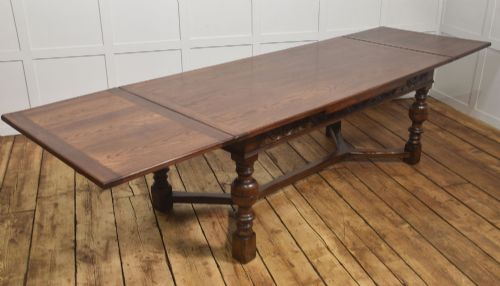
- An extension mechanism where two sliding leaves stored beneath the main top pull out to lengthen the surface. This practical arrangement appears frequently on oak dining tables from the early twentieth century.
- Refectory
- A long, narrow dining table traditionally used in communal halls and characterised by sturdy legs connected by low stretchers. Surviving examples and later revivals provide substantial seating capacity.
- Tilt-top
- A hinged tabletop that pivots to a vertical position when not in use, allowing the furniture to stand compactly against a wall. This mechanism is frequently found on nineteenth-century centre and occasional tables.
- Console table
- A wall-mounted or freestanding side table designed to stand against a vertical surface, often featuring decorative front legs and a frieze tailored for display. These pieces frequently incorporate marble tops or giltwood elements.
Carved Frieze Table: Frequently Asked Questions
What is a carved frieze table used for?
These tables serve multiple domestic functions depending on their original format, ranging from dining and meal preparation to writing and display in hallways or living rooms. Narrow side and console variations work well against walls for lamps and ornaments.
Larger refectory and draw-leaf variants provide robust dining surfaces suitable for daily family use. Writing tables and desks incorporate drawers within the frieze to organise correspondence and writing materials.
How do I care for an antique wooden table?
Maintain timber surfaces by applying natural beeswax periodically to nourish the grain and protect against moisture without building up heavy synthetic layers. Keep wooden furniture away from direct heat sources and strong sunlight to prevent timber shrinkage and splitting.
Use coasters and felt pads beneath objects placed on the surface to avoid rings and scratches on polished mahogany or oak. Gentle dusting with a dry, soft cloth prevents particulate accumulation without abrading the antique finish.
How can I tell a 17th century table from a revival piece?
Seventeenth-century originals display distinct tool marks from hand-cleaving and early pit-sawing, alongside timber movement and peg construction consistent with period joinery techniques. The wear patterns on the feet and stretcher bases reflect centuries of physical use rather than artificial distressing.
Revival pieces from the nineteenth and twentieth centuries often utilise machine-sawn timber elements, standardised fixings, and cleaner internal construction even when replicating earlier Jacobean or Elizabethan styles.
Where should I place a console table?
Console tables fit naturally against entrance hallway walls, beneath mirrors, or behind sofas to anchor a room layout and provide a surface for decorative items. Their shallow depth ensures they do not obstruct walkways in confined spaces.
Pairing a carved console with a complementary lamp or ceramic bowl highlights the detail along the frieze while maintaining practical utility.