


Elizabethan Dining Table
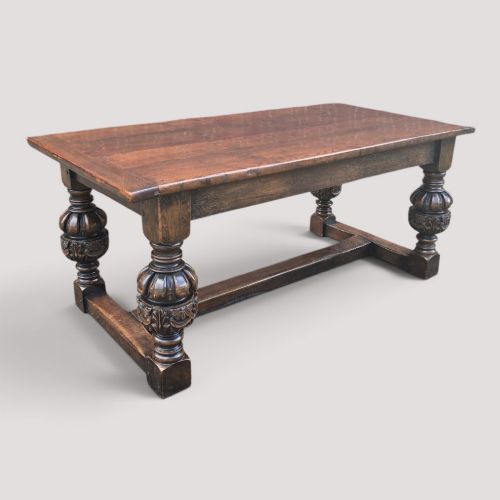
These elizabethan dining table pieces bring heavy timber presence into a room, offering grand dining surfaces built from robust oak.
Elizabethan Dining Table
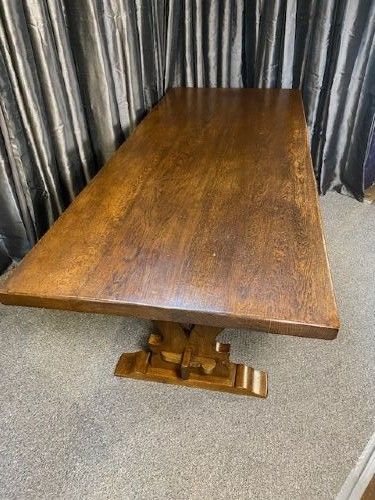
When you search for an elizabethan dining table, you are looking at substantial oak and pollard oak boards designed for communal dining. These pieces range from authentic seventeenth century examples to nineteenth century revivals and later twentieth century interpretations.
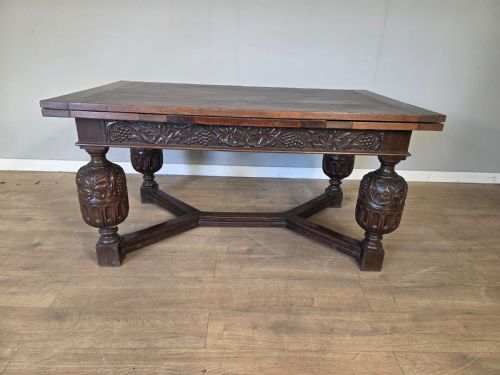
The version you are most likely to meet on this page is a nineteenth century revival refectory or extending form. These revival pieces capture the heavy timbers and sturdy proportions of the earlier Tudor and Stuart periods without requiring a museum budget.
How they were made
Makers built these tables primarily from solid oak, sometimes utilising red walnut or pollard oak for distinct grain patterns. Boards were joined to heavy stretcher bases designed to withstand daily use in large halls.
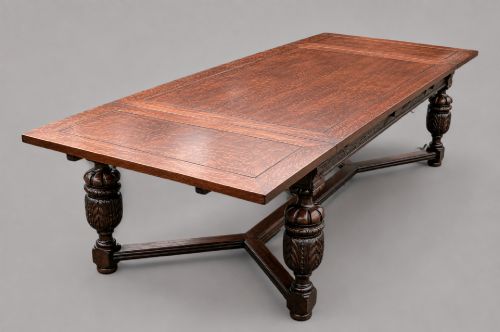
Some examples incorporate extension mechanisms alongside traditional refectory construction, allowing a large surface to adjust while maintaining structural integrity through brass fittings.
Listings feature oak, pollard oak, walnut, and brass, spanning the seventeenth century through to the twentieth century.
What varies in quality
The distinction between ordinary and exceptional examples rests in the selection of timber and the depth of proportion. Tables featuring figured pollard oak or original seventeenth century timbers to base show superior substance compared to later standard revivals.
Proportion and scale dictate the visual weight of the piece within a room. Longer twelve foot examples with matching chairs demonstrate a more complete design ambition than smaller scaled interpretations.
The Elizabethan Dining Table Glossary
- Pollard oak
- Oak timber taken from a tree that has been pruned at a height above animal browsing, producing a dense and highly figured grain. Cabinet makers utilised this timber for decorative surface impact.
- Jacobean Revival
- A nineteenth century decorative style reviving the architectural motifs and heavy dark furniture of the early seventeenth century. It frequently employs carved details and sturdy turned supports.
- Extending table
- A dining table designed with a mechanism to lengthen the top surface for additional seating. These versions appear across nineteenth century revival designs to accommodate large gatherings.
Elizabethan Dining Table: Frequently Asked Questions
How do I clean an oak dining table?
Dust regularly with a dry lint-free cloth to prevent particle buildup on the timber surface.
Apply a traditional beeswax polish occasionally to nourish the oak and maintain its natural sheen without creating a glossy film.
Can I use modern chairs with these tables?
Mixing modern seating with historic timber creates a striking contrast that highlights the age of the table. Ensure the seat height allows adequate legroom beneath the heavy side rails.
Some tables are sold alongside matching revival chairs, which preserves a unified period aesthetic across the dining setting.
How do I distinguish a revival table from an older piece?
Examine the underside construction and tool marks for consistency with nineteenth century workshop practices. Revival pieces often combine older stylistic elements with later mechanical extension systems.
Timber shrinkage patterns and construction joints offer clues regarding whether the table dates to the seventeenth century or the nineteenth century revival period.
Will a large refectory table fit in a modern room?
Measure your dining space carefully to allow sufficient clearance around the perimeter of the table for pulling out chairs. These pieces demand significant floor area due to their solid proportions.
Consider the visual weight of heavy oak timbers against your existing wall colours and room lighting before committing to a twelve foot length.