

Heavy Oak Table
A heavy oak table brings genuine weight and enduring timber character to a room, functioning as a practical hub for dining or work.
Heavy Oak Table
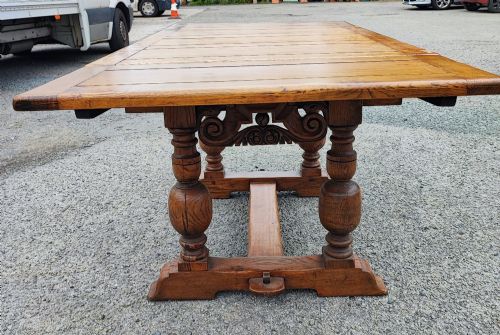
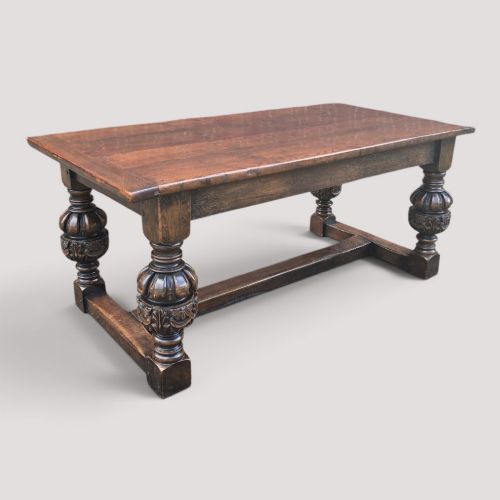
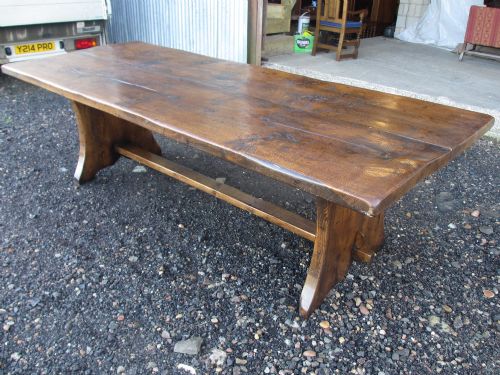
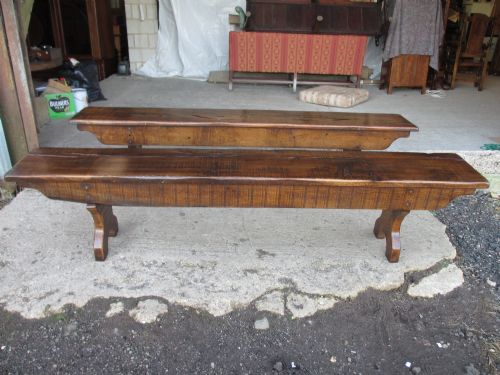
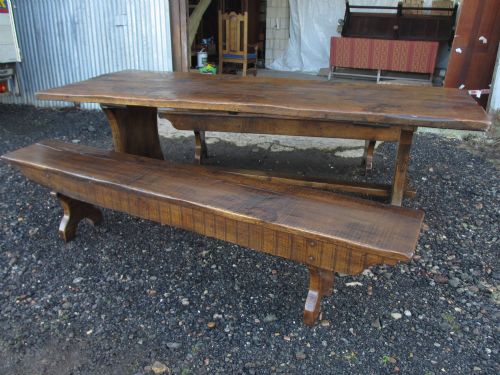
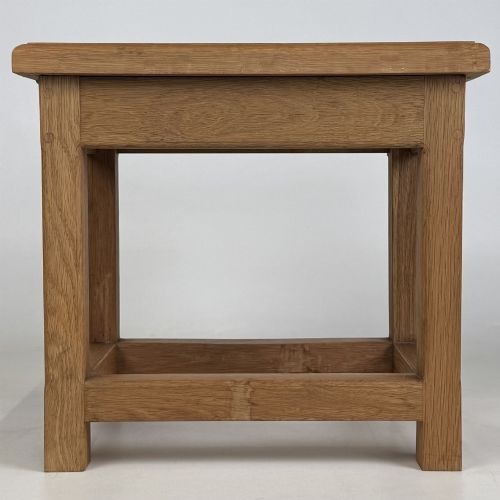
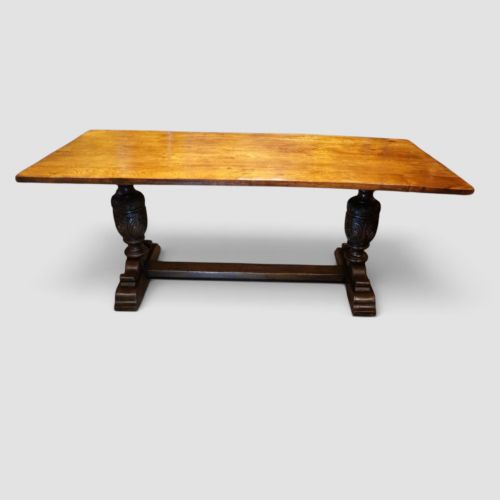
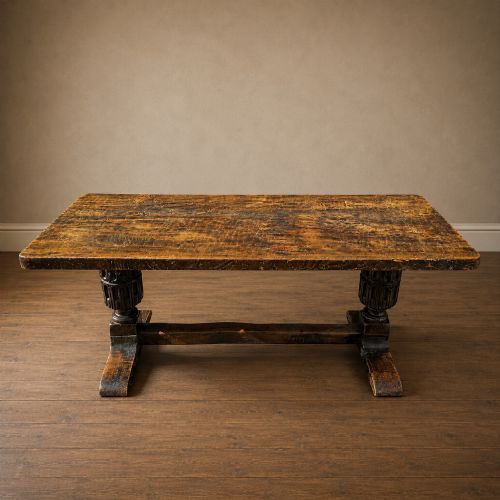
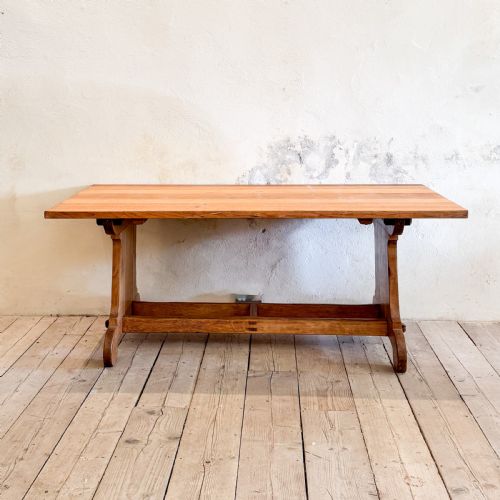
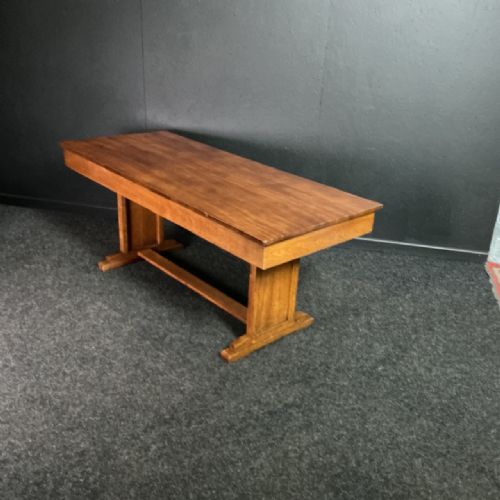
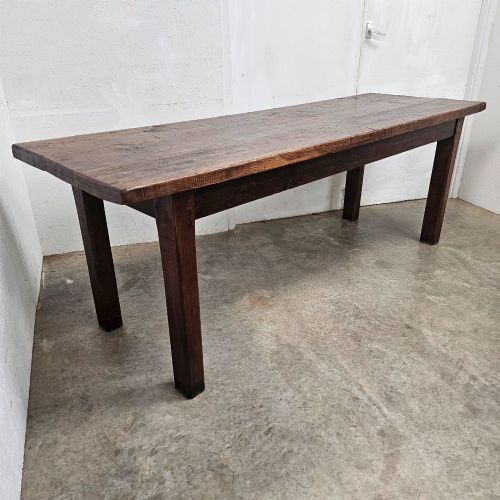
When you search for a heavy oak table, you find substantial furniture built for longevity, often taking the form of refectory dining tables, farm tables, or sturdy workbenches. These pieces originate from various eras, including the seventeenth century, Victorian period, Edwardian years, and early twentieth century.
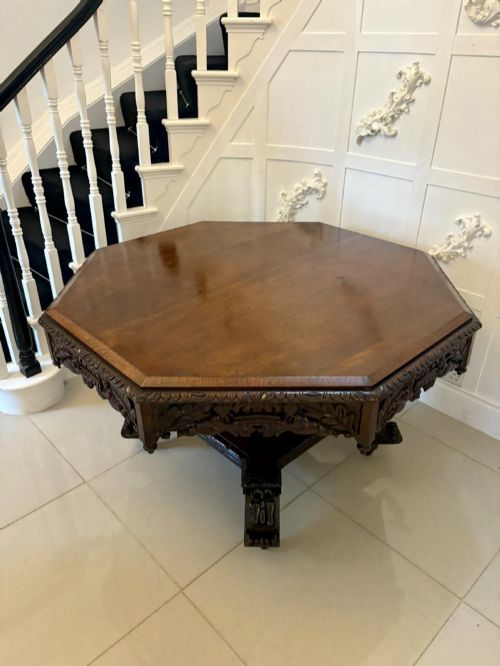
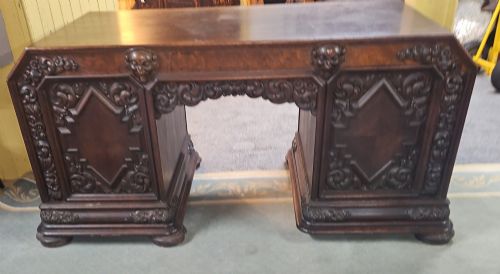
The selection frequently includes French country pieces and English tavern or library tables designed with thick timber tops and robust structural supports. Buyers meet numerous refectory formats alongside draw-leaf extensions, pedestal desks, and large central tables suited for seating many people.
What varies in quality
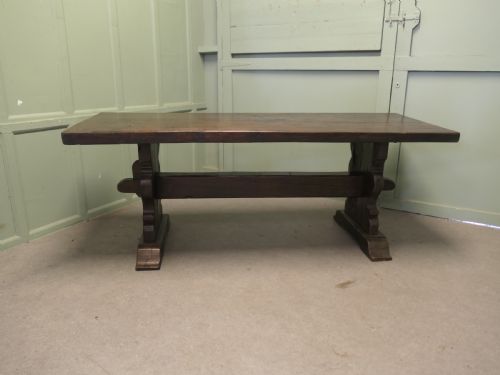
The calibre of a heavy oak table rests upon the thickness and integrity of the timber top, particularly single-plank surfaces, and the stability of its base construction. Carved detailing, from floral friezes to shaped trestle ends, displays the hand of the artisan.
Proportion and the preservation of original surface patination distinguish standard utility items from exceptional architectural examples.
Some heavy tables come with built-in vises and history from French artisans who definitely did not test them with afternoon tea.
The Heavy Oak Table Glossary
- Refectory table
- A long dining table historically used in monasteries and large halls, characterised by substantial length and heavy timber construction.
- Draw-leaf table
- An extendable table featuring sliding leaves stored beneath the main top that pull out to increase surface area.
- Trestle ends
- Support structures comprising vertical posts connected to feet or a horizontal stretcher, commonly found on refectory designs.
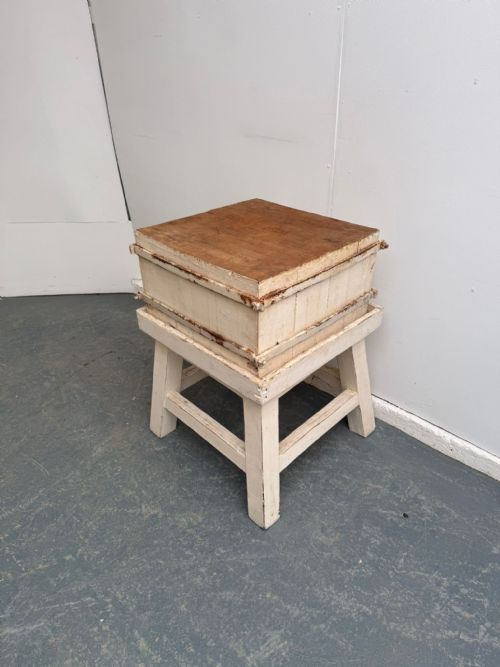
- Butchers block
- A thick-topped wooden block utilised for food preparation, frequently mounted on a sturdy standalone base.
- Plank top
- A table surface constructed from joining multiple long boards of solid timber together.
Heavy Oak Table: Frequently Asked Questions
How do I seat twelve people?
Look for large refectory or French farmhouse tables measuring over eight feet in length, which naturally accommodate multiple chairs along each side.
Verify the clearance beneath the aprons or trestle bases to ensure guests have adequate legroom when seated.
Are workbenches suitable for kitchens?
Artefacts such as French artisans' workbenches feature heavy timber tops and integrated vises that lend themselves well to kitchen island use.
Their robust construction handles food preparation tasks while adding industrial or rustic character to the space.
What is a refectory table?
A refectory table is a long, narrow dining table originally built for communal dining halls.
They rely on sturdy stretchers and thick legs to support massive timber tops without wobbling.
How do I care for oak?
Protect solid timber surfaces from excessive heat and moisture by using coasters and placemats during daily use.
Feed the wood periodically with appropriate waxes to maintain the natural moisture and rich patination of the grain.