
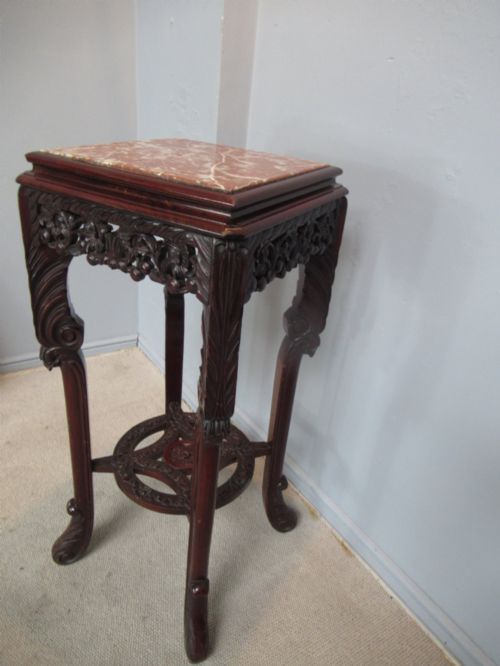
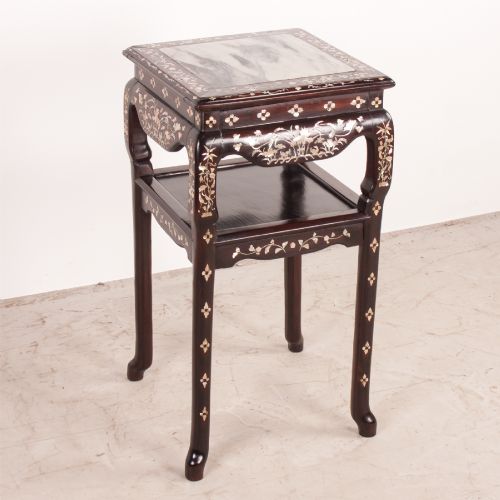
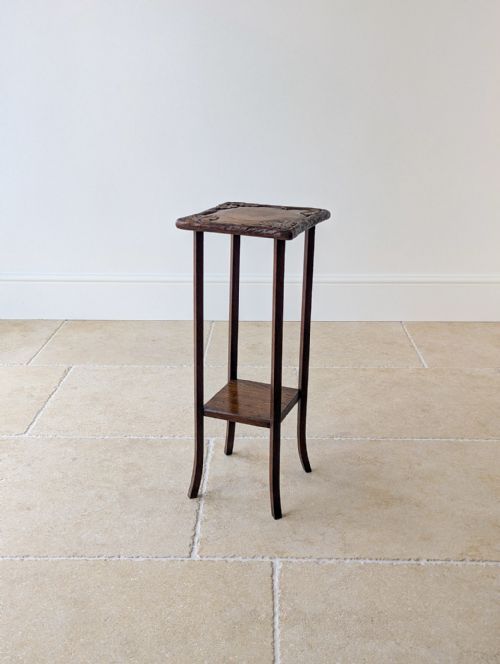
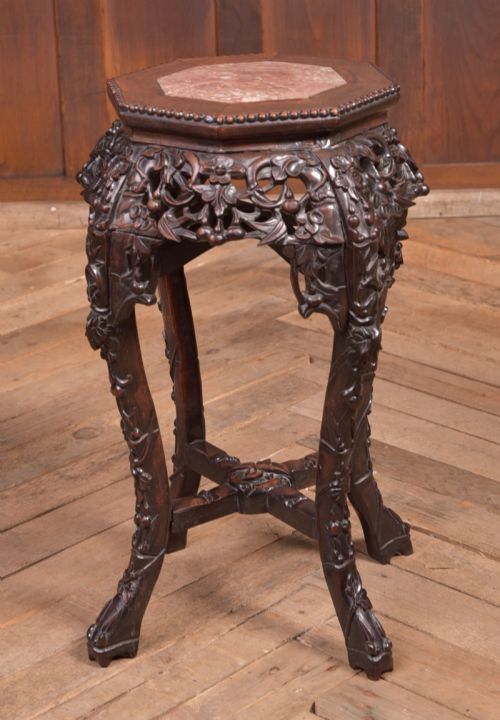
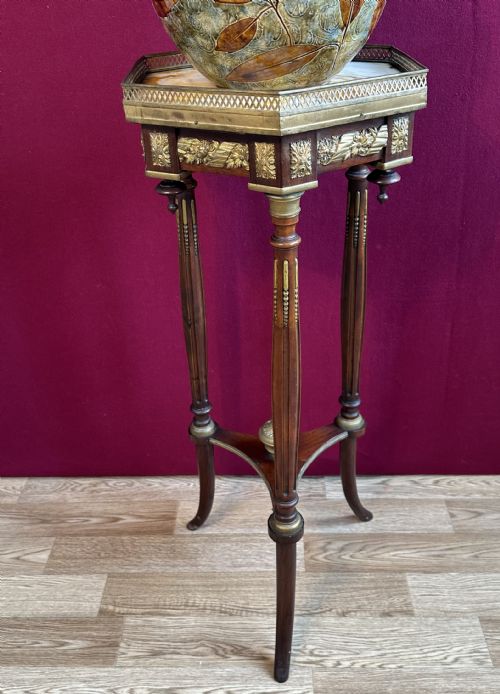
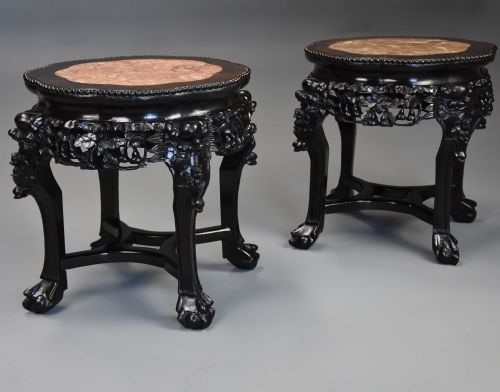
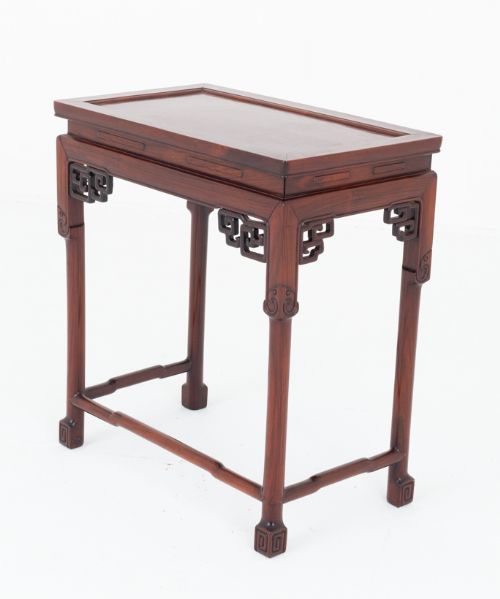

Carved Flower Stand
A carved flower stand elevates botanical displays, uniting structural timber with intricate hand-carved detail to anchor a room.

Carved Flower Stand
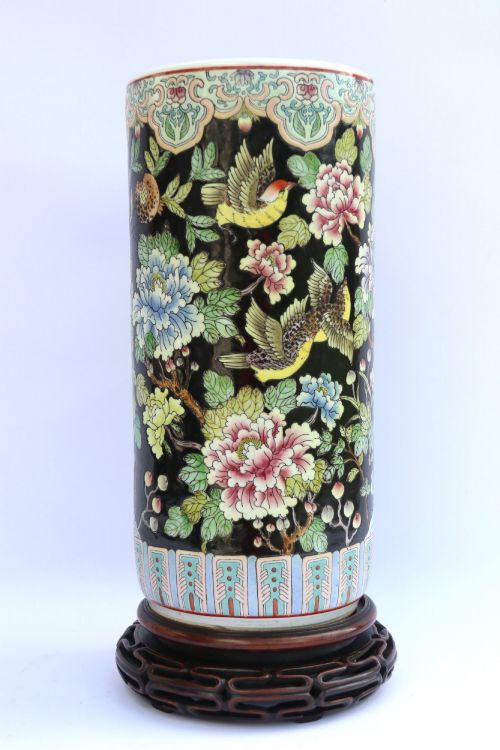
A carved flower stand takes many forms across different cultures, functioning primarily to elevate plants, vases, and urns within domestic interiors. These pieces appear as tall pedestals, low pot stands, torchères, and occasional tables designed to support weight while displaying natural forms.
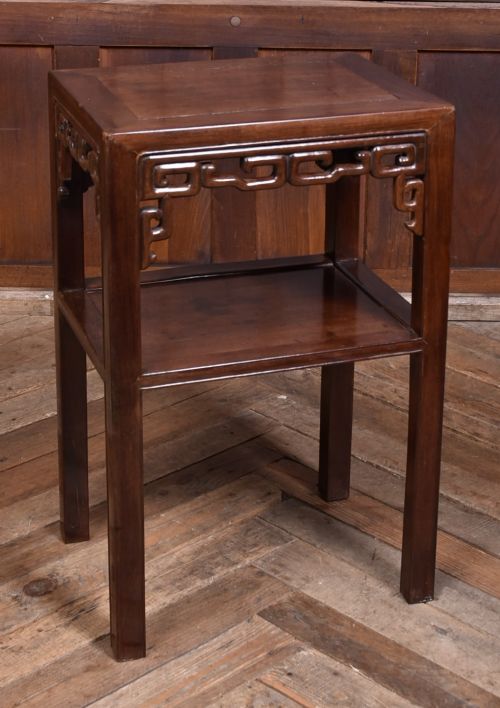
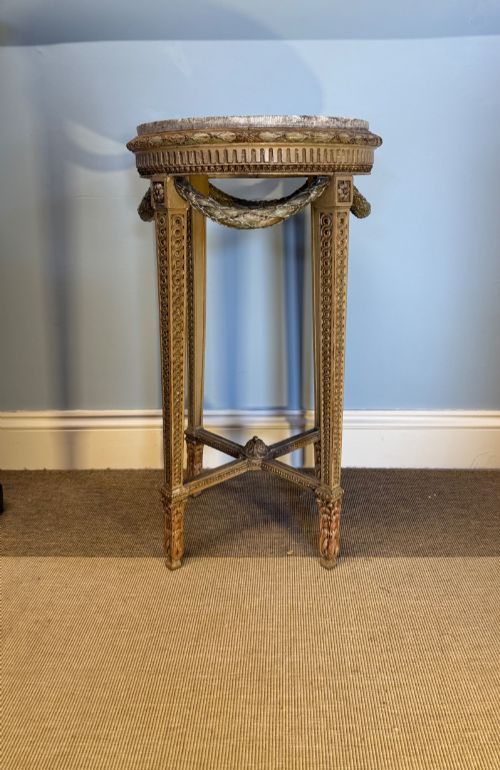
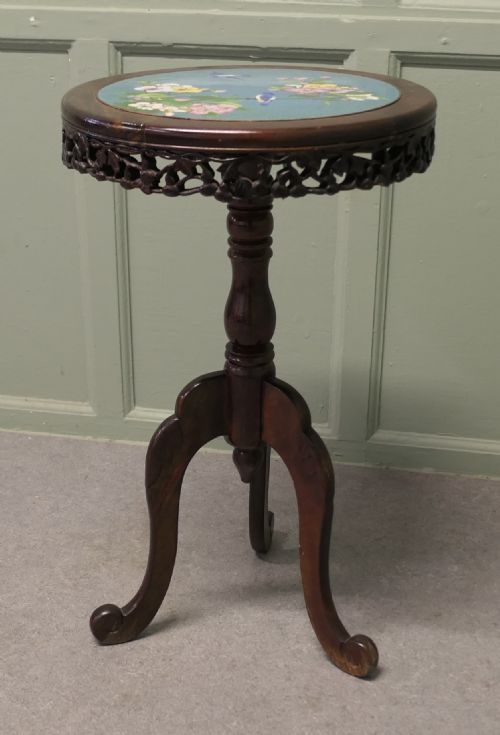
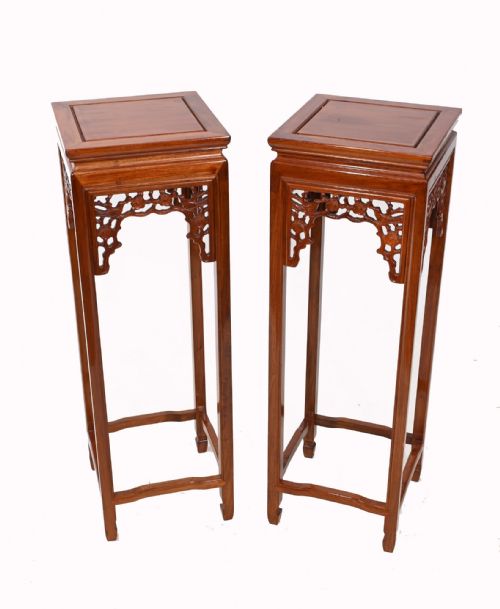
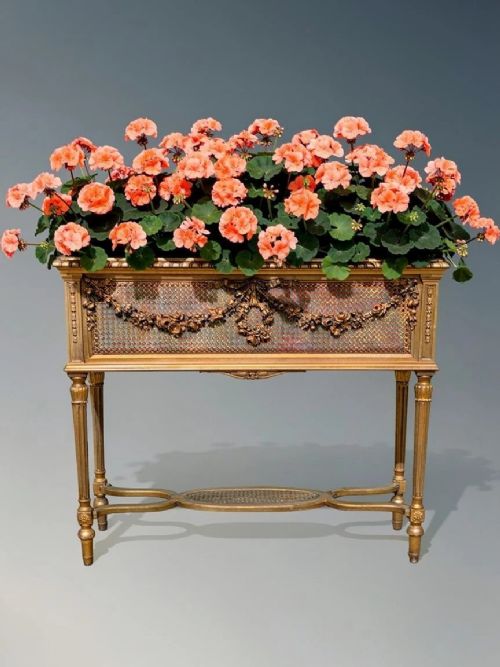
The selections available range from 19th-century Chinese hardwood and marble-topped pedestals to Edwardian oak plant stands and French giltwood planters. Chinese export and Qing Dynasty pieces in dense timbers dominate the selection, alongside European Arts and Crafts interpretations.
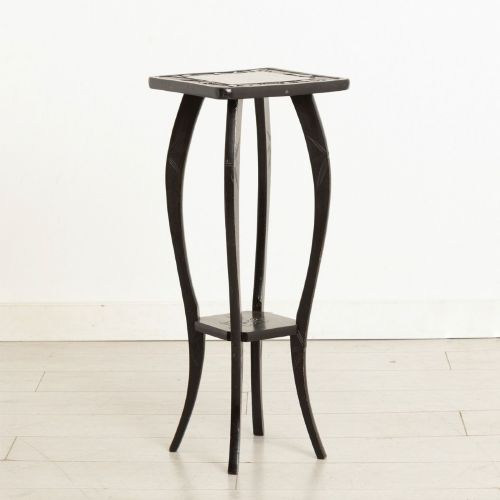
Makers utilised diverse regional vocabularies, pairing traditional Asian carving motifs with Western furniture types like wine tables and side tables. Buyers encounter forms ranging from simple tripod bases to heavily carved multi-tiered stands.
Materials and Construction Techniques
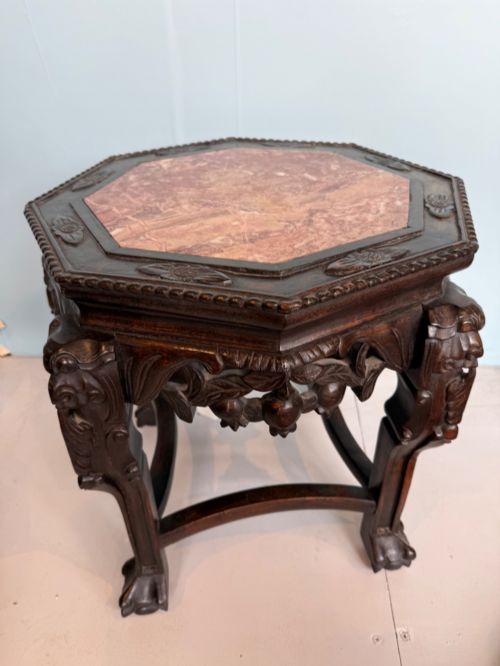
Craftsmen built these stands using heavy exotic and domestic timbers including hardwood, rosewood, padouk, oak, walnut, and mahogany. Many oriental pieces utilise dense tropical hardwoods shaped by hand chisels to create deep relief carvings of floral and botanical motifs.
Surface treatments and secondary materials define the construction of specific regional types, incorporating inset variegated marble tops, mother-of-pearl inlay, and cloisonné. European examples occasionally employ ebonised wood, giltwood, cane panels, or turned barley twist legs to achieve distinct aesthetic profiles.
Listings feature hard timbers including padouk, rosewood, and oak alongside marble inserts and cane work across the nineteenth and twentieth centuries.
Evaluating Quality and Execution
Quality rests in the crispness and depth of the hand carving, where superior examples display sharply undercut foliage and balanced proportions rather than shallow, mechanical stamping. The choice and density of timber dictate the piece's structural integrity and finish longevity.
Integration of secondary materials marks the distinction between standard production and finer studio output. Well-fitted inset marble slabs, secure joinery, and intact mother-of-pearl or lacquer work elevate the standing of individual tables and pedestals.
Liberty of London
The Carved Flower Stand Glossary
- Torchere
- A tall standing pedestal or ornamental stand originally designed to hold a light, now commonly used for plants and vases. These slender supports raise floral displays to eye level.
- Jardiniere
- An ornamental pot or stand intended for holding plants or flowers indoors. They appear in ceramic, metal, or wood constructions.
- Padouk
- A heavy, durable tropical hardwood prized for its rich reddish-brown colour and stability. Craftsmen utilised it for intricate oriental carvings.
- Hongmu
- A Chinese term translating to red wood, used to describe dense tropical hardwoods utilised in traditional furniture. It acquires a deep patina over time.
- Chinoiserie
- European artistic style reflecting Chinese motifs and decorative techniques. It frequently appears on imported and domestic occasional tables.
Carved Flower Stand: Frequently Asked Questions
What is a carved flower stand used for?
These pieces elevate potted plants, ceramic vases, and jardinières to create focal points within interior spaces. They lift botanical displays off the floor to showcase foliage and floral arrangements.
Historically, they also functioned as small occasional tables for lamps, decorative objects, or tea service. Their compact footprints made them adaptable additions to period rooms.
How do I identify Chinese hardwood stands?
Look for dense tropical timbers such as padouk or rosewood combined with deep, pierced carvings of prunus, dragons, or floral scrolls. Many incorporate inset marble tops designed to protect the wood from moisture.
Construction details often feature traditional joinery without visible metal fasteners. The weight of the timber and the crispness of the hand-carved relief indicate the period of manufacture.
Where should I place a plant stand at home?
Position them in corners, beside seating, or near windows where natural light supports both the stand and the plant it holds. Tall torchères suit empty wall spaces, while low pot stands fit beneath windows.
Ensure the surface material, such as marble or treated hardwood, matches the moisture requirements of the plant pot placed upon it.
How do I care for antique wooden stands?
Maintain the timber by dusting regularly with a soft, dry cloth and avoiding placement near direct heat sources or strong sunlight. Excessive temperature fluctuations can cause wood to split.
Apply occasional appropriate wax polish to nourish hardwoods and maintain the natural lustre of the grain. Protect marble inserts from acidic liquids.