

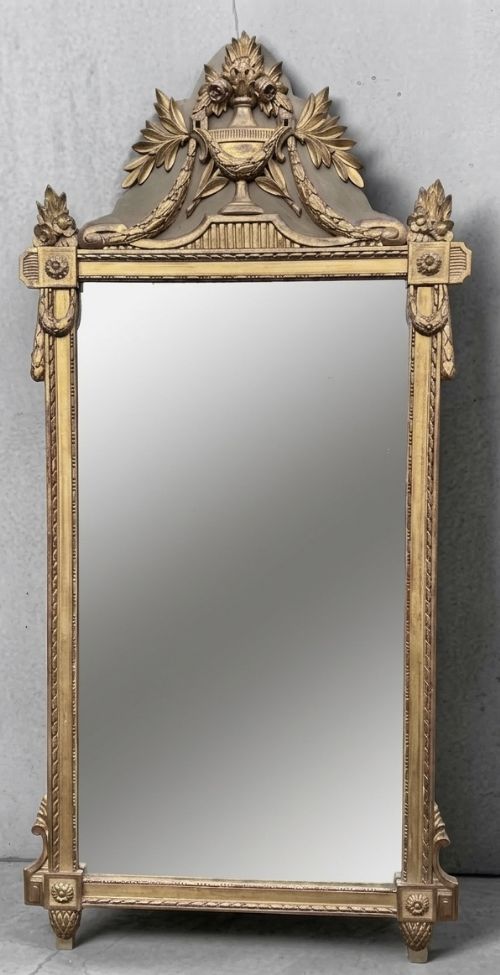
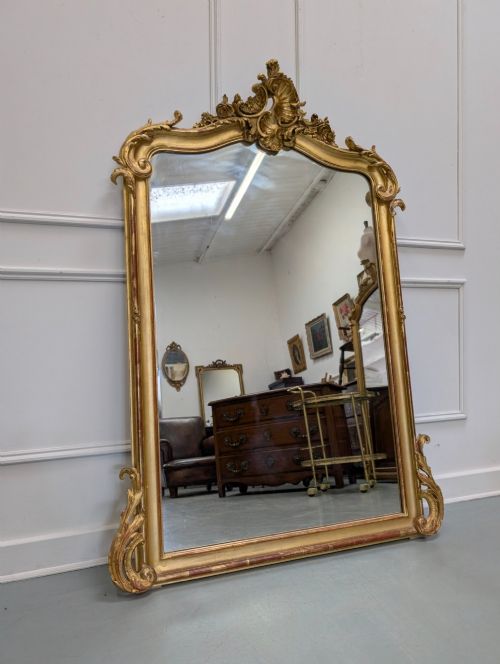
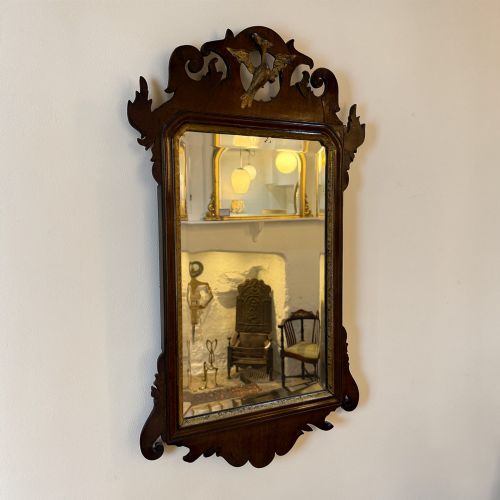
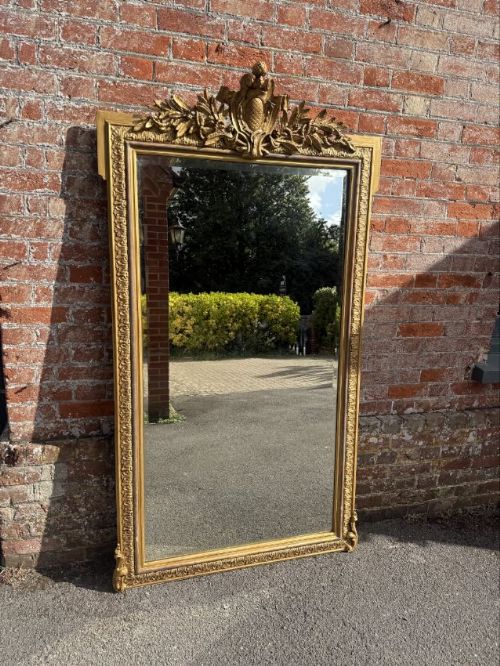
Carved Cresting Pier Mirror
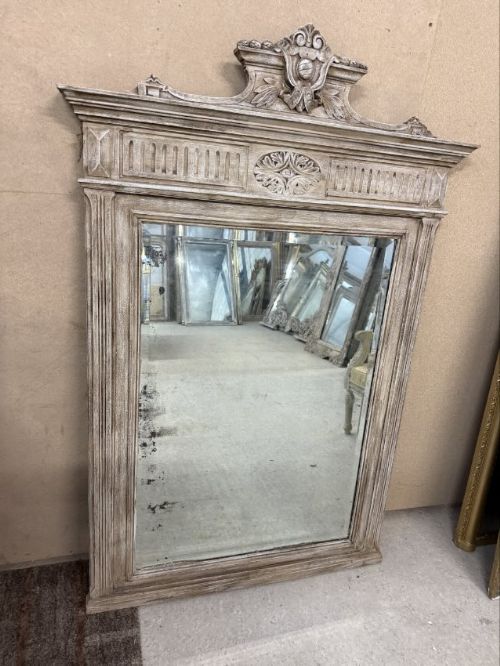
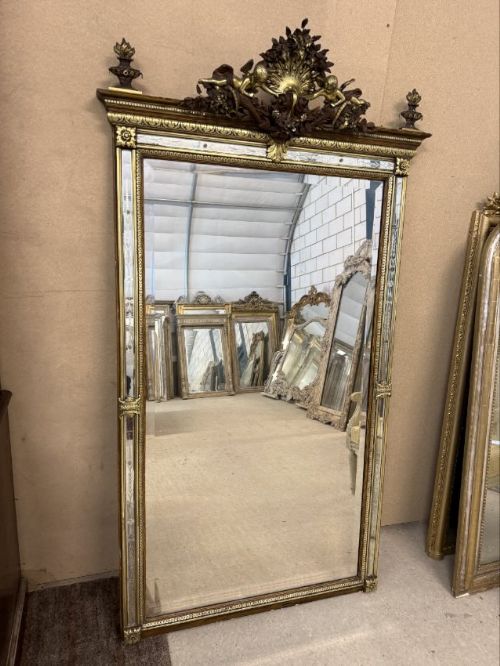
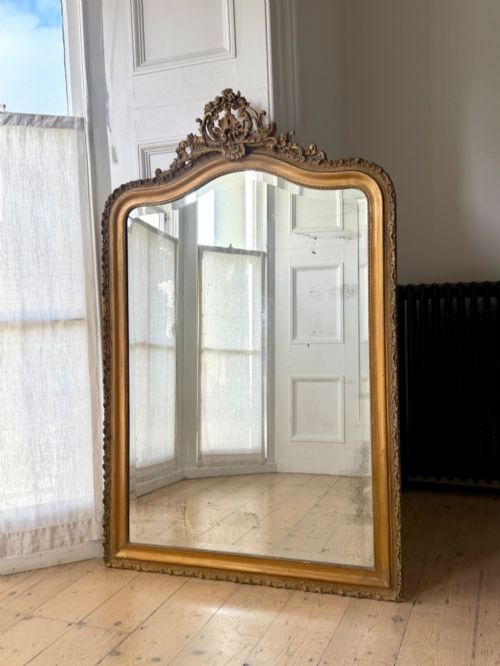
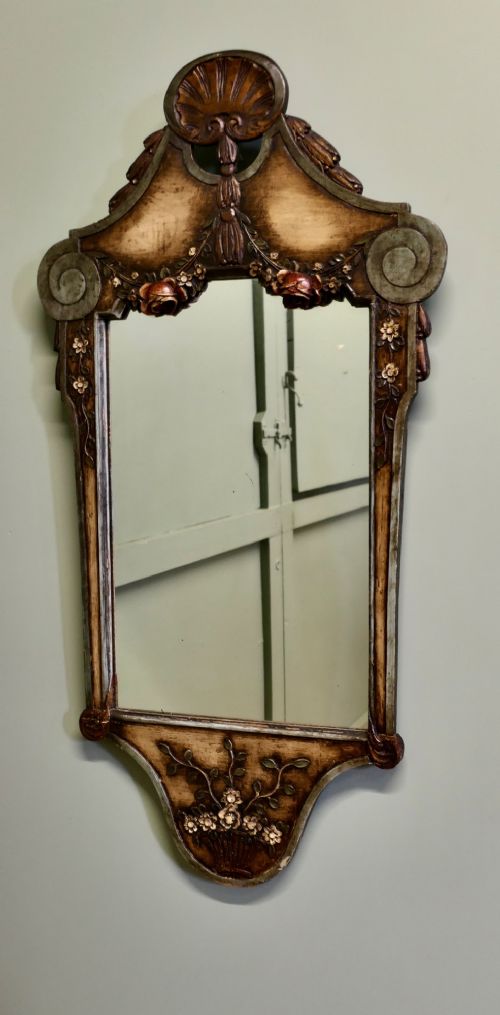
When you search for a carved cresting pier mirror, you are looking at tall vertical glasses designed to hang between windows, often topped with elaborate woodwork.
Carved Cresting Pier Mirror
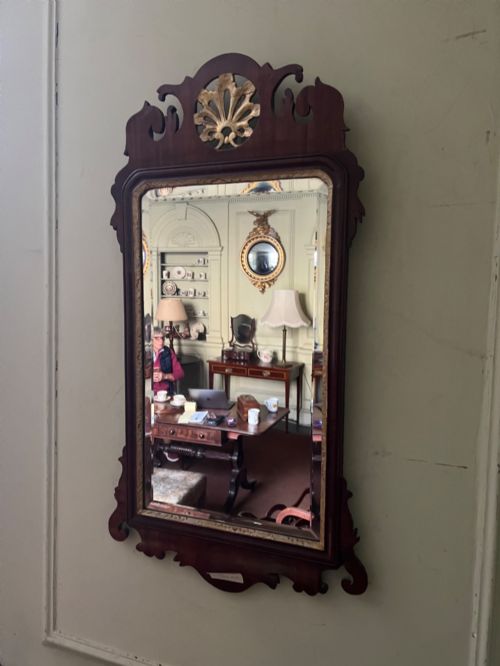
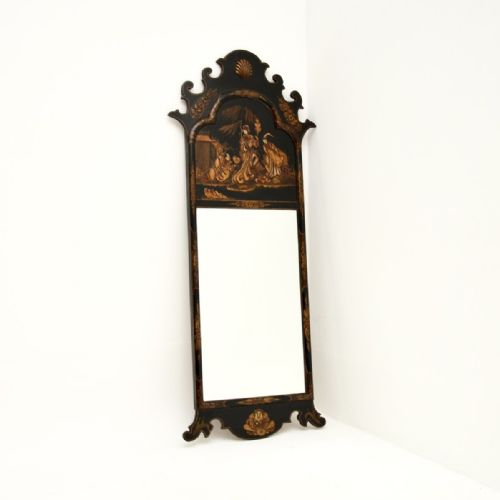
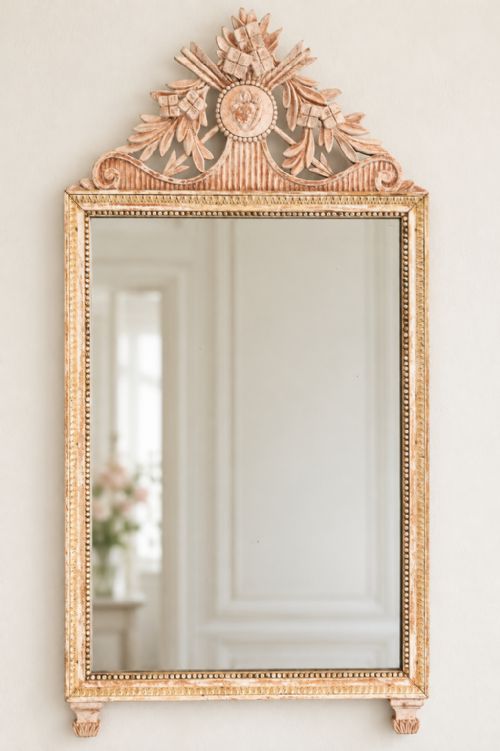
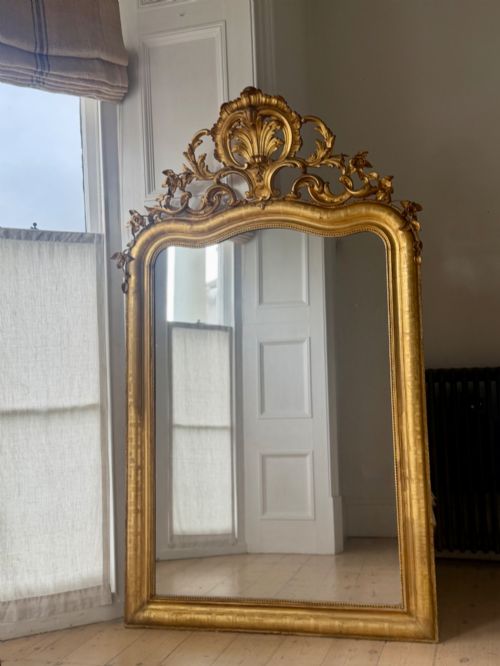
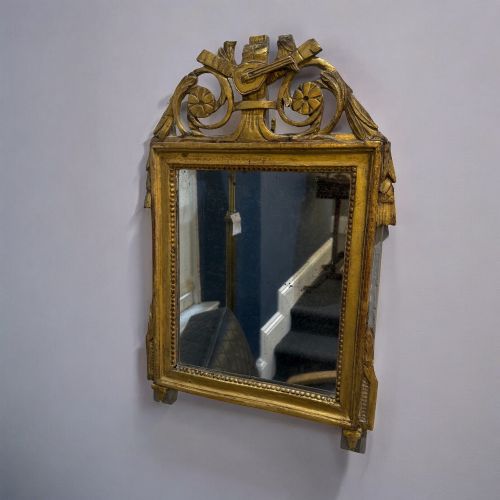
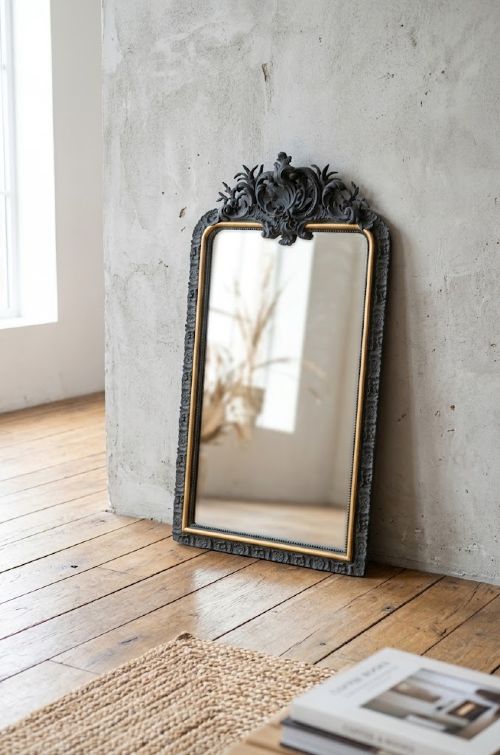
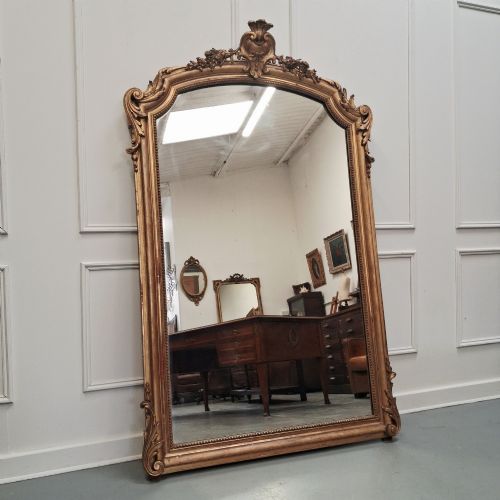
A carved cresting pier mirror is a vertical wall glass designed specifically to occupy the narrow wall space between two windows. On this page, the pieces you encounter most frequently date from the nineteenth century, with strong representation from Georgian and Victorian periods.
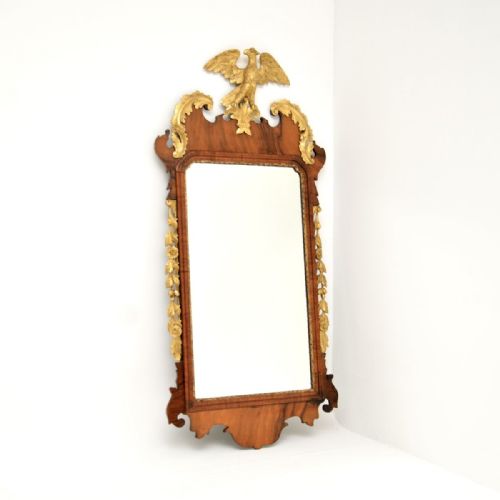
The frames appear in various forms, ranging from French Empire and Louis XVI styles to Chippendale fretwork and giltwood rococo revivals. These vertical glasses serve to bounce natural light around a room while anchoring the vertical proportions of interior architecture.
Makers and designers drew on classical and continental vocabularies, producing both grand architectural glasses and domestic wall mirrors with prominent wooden crests. The survival of original glass plates and carved crests determines the character of each individual piece.
How they were made
Makers carved timber bases from walnut, mahogany, or pine before applying layers of gesso to build up intricate relief ornament. Gold leaf or paint finishes were then laid over the prepared surfaces to catch the light.
Glass production relied on traditional techniques, resulting in mercury backing or bevelled plates that show subtle age variations. Pine and hardwood carcases provide the structural support behind the gilded or painted wooden decoration.
Carved Cresting Pier Mirror Retail Price Guide 2026
Typical asking prices for carved cresting pier mirror among the pieces listed under this phrase on Sellingantiques today, from the lower quarter to the upper quarter. They describe what is for sale here now, not the wider market.
French influence appears frequently through Louis XVI, Empire, and Rococo revival wall mirror styles.
What varies in quality
The crispness of the hand-carved detail on the cresting separates superior examples from softer, more mechanical later copies. Deeply undercut foliage, scrolls, and pierced fretwork demonstrate the hand of a skilled carver rather than a mass-produced moulding.
The integrity of the original surface finish, whether gesso, giltwood, or paint, dictates the visual authority of the glass. Original mercury plates with natural foxing retain an atmospheric depth that modern replacements lack.
Gillows Of Lancaster·John Belchier·William Kent
The Carved Cresting Pier Mirror Glossary
- Pier mirror
- A tall vertical looking glass designed to hang on the wall space between two windows. These glasses often include decorative crests at the top.
- Gesso
- A mixture of chalk, gypsum, and size applied to a wooden base to create a smooth surface for gilding or painting. This material allows carvers to achieve sharp, intricate relief details.
- Mercury glass
- A type of silvering produced by pouring a mercury-tin amalgam between two sheets of glass or onto the back of a single plate. It creates a dark, reflective depth unique to older mirrors.
- Fretwork
- Ornamental design created by cutting patterns through thin boards using a scroll saw or piercing tools. This technique defines Chippendale style frames.
- Parcel-gilt
- A finish where portions of an object are gilded with gold leaf while other areas show the exposed wood beneath. This highlights specific carved details against a contrasting background.
Carved Cresting Pier Mirror: Frequently Asked Questions
Where should I hang a pier mirror?
These tall glasses work best on narrow expanses of wall between windows, echoing their original architectural purpose. They make small rooms feel larger by reflecting natural daylight across the interior.
Ensure the wall fixings can support the combined weight of the heavy wooden frame and glass plate. Positioning them at eye level maximises their decorative impact.
How do I identify a mercury glass plate?
Mercury plates display a mottled, dark reflective quality with small dark spots known as foxing. This appearance comes from the historic silvering method used before modern chemical processes.
Under closer inspection, the glass often shows minor ripples and variations in thickness across the surface. These optical traits confirm the age of the plate.
What is carved cresting?
Carved cresting refers to the decorative wooden ornament fixed to the very top of a mirror frame. It often takes the form of scrolls, leaves, ribbons, or architectural motifs.
This sculptural element draws the eye upward and balances the vertical proportions of the glass below. The complexity of the carving usually indicates the ambition of the piece.
How do I care for antique giltwood?
Dust the carved surfaces gently with a soft, dry brush to prevent dirt accumulation in the recessed areas. Avoid using liquid cleaners or polishes that can lift the delicate gold leaf.
Keep the mirror away from direct sunlight and damp environments to protect the gesso and wood substrate. Stable room temperatures preserve the original finish.