

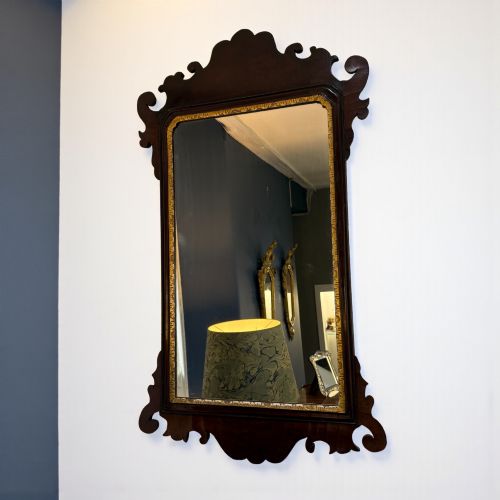
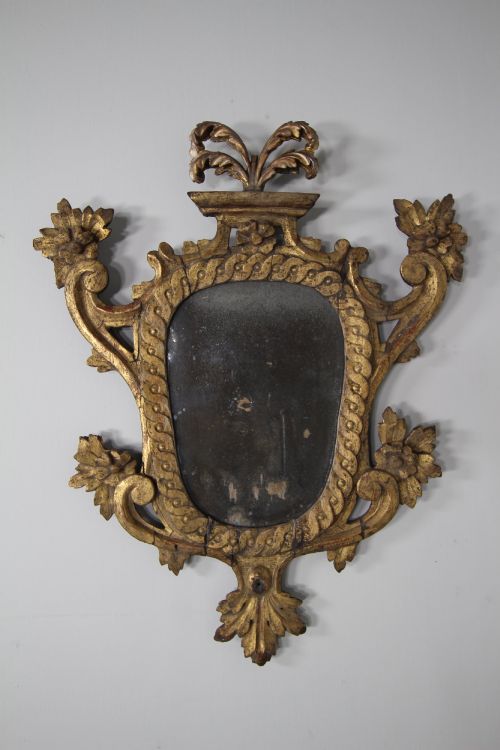
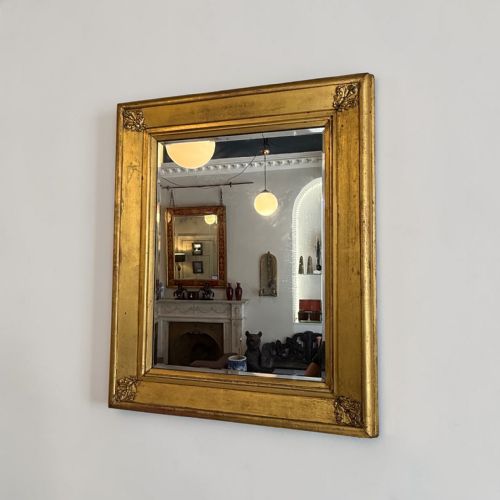
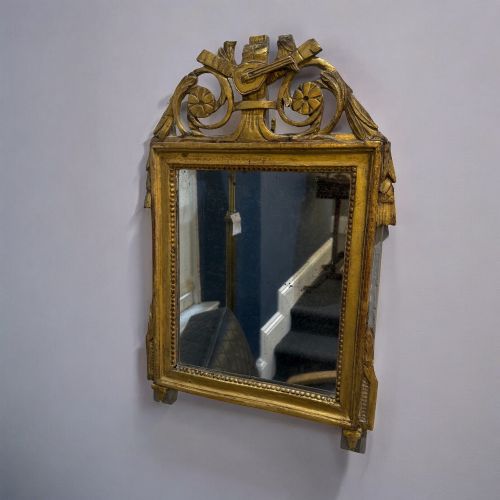
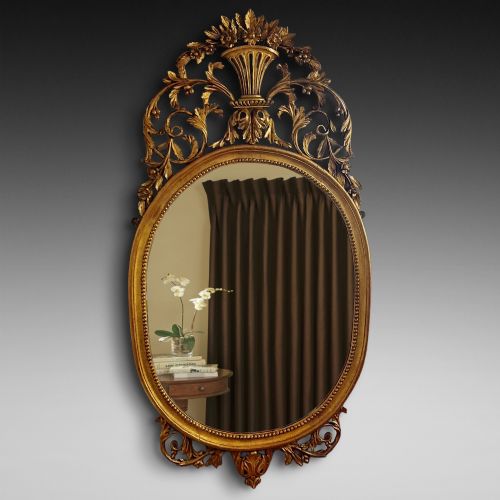
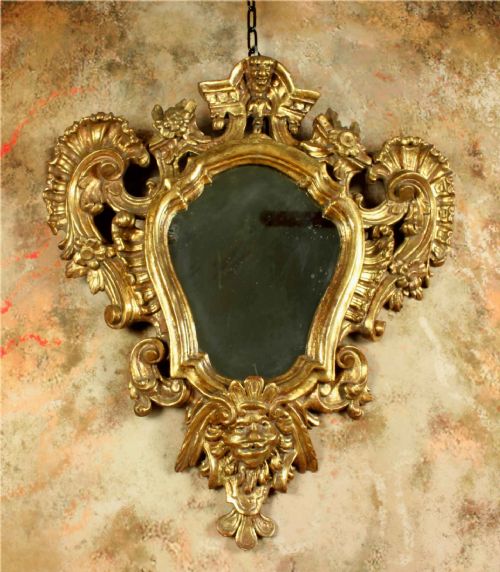
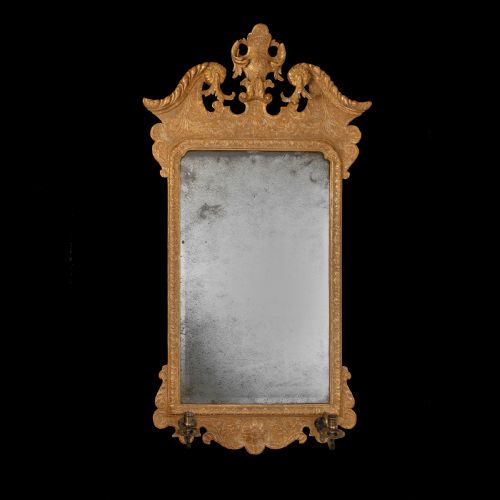

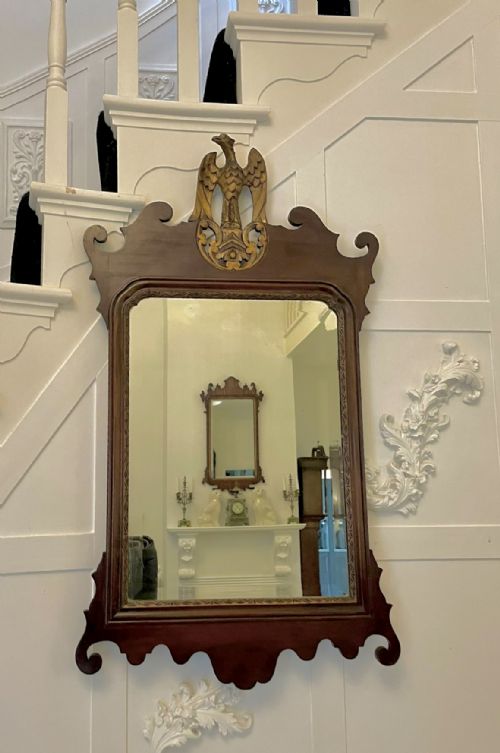


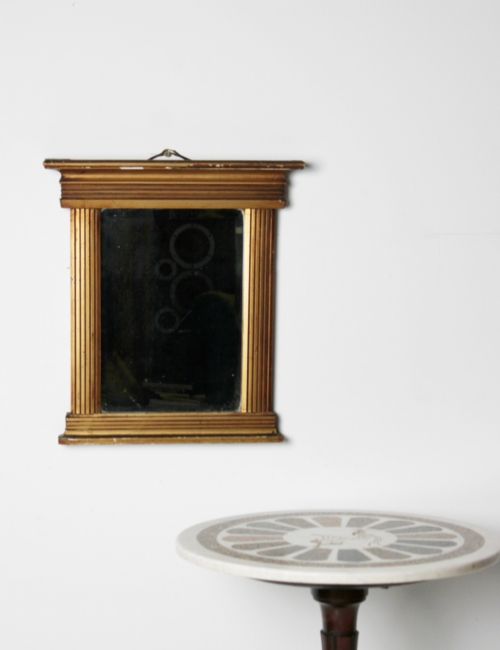
Georgian Gilded Hanging Mirror
A georgian gilded hanging mirror brings instant warmth and reflected light to a room through centuries of traditional craftsmanship.
Georgian Gilded Hanging Mirror
When you search for a georgian gilded hanging mirror, you are looking at wall-hung pieces designed to amplify natural light and decorate principal rooms. The selection here spans authentic 18th century works alongside later revival pieces from the Victorian and Edwardian eras.
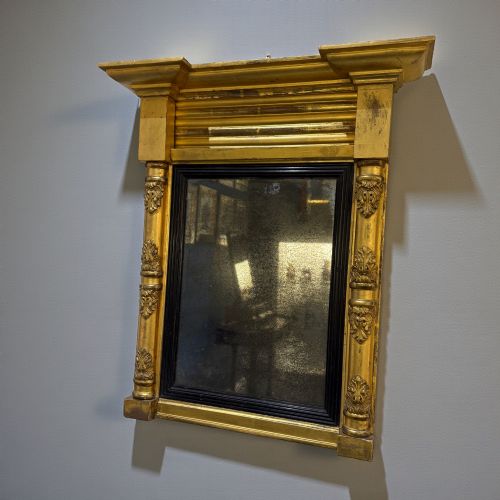
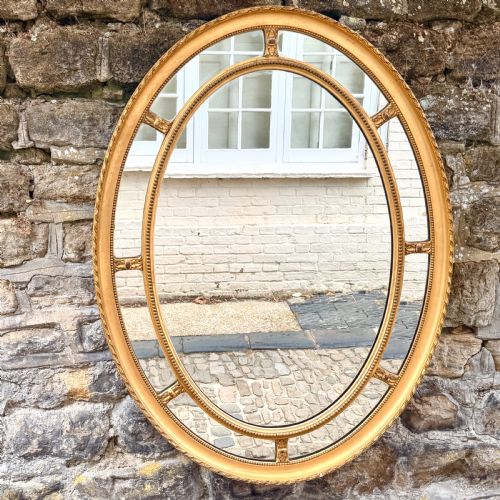
Most examples take the form of wall mirrors and pier mirrors intended for placement between windows or above mantelpieces. Forms range from vertical rectangular plates to dramatic ovals and architectural frames.
Originating primarily from British workshops, the pieces incorporate regional interpretations of classical motifs. Alongside standard Georgian production, you will encounter revival styles referencing George II and George III aesthetics.
How they were made
Makers constructed the structural frames using timber foundations such as mahogany, walnut, and softer woods. Carvers shaped the intricate details directly into the wood or applied moulded gesso layers to receive subsequent ornamentation.
The characteristic golden finish relies upon applied gold leaf or specialist gilding techniques over prepared surfaces. Mirror glass plates, including early Vauxhall examples, were hand-silvered and fitted into the rabbet behind securing pins.
Georgian Gilded Hanging Mirror Retail Price Guide 2026
Typical asking prices for georgian gilded hanging mirror among the pieces listed under this phrase on Sellingantiques today, from the lower quarter to the upper quarter. They describe what is for sale here now, not the wider market.
What varies in quality
The crispness of the hand-carved details distinguishes standard production from exceptional examples. Fretwork frames depend upon the precision of the piercing and the integrity of the timber joints.
Surviving original mirror glass plates and undisturbed historic gilding carry significant weight in the overall character of the piece. The depth and layering of the gold leaf application reveal the skill of the original gilder.
The Georgian Gilded Hanging Mirror Glossary
- Giltwood
- Timber that has been coated with gold leaf over a prepared ground. This technique provides the signature metallic brilliance seen on period frames.
- Gesso
- A plaster-like mixture applied to wood frames to create a smooth base for carving or gilding. It allows for sharp relief ornament.
- Pier glass
- A tall mirror specifically designed to hang on the wall space between two windows. These pieces maximised light reflection in dark rooms.
- Fretwork
- Openwork ornamentation cut from thin wood panels using a fretsaw. It defines the scrolling outlines of many wall mirrors.
- Vauxhall glass
- Early mirror glass characterised by bevelled edges and slight optical distortions. It indicates production associated with historic English glassworks.
Georgian Gilded Hanging Mirror: Frequently Asked Questions
Are these mirrors fitted with their original glass?
Some surviving examples retain their historic plates, whilst others have received replacement glass over the centuries. Original plates often display characteristic foxing, minor pitting, and subtle surface waves.
Replacements are sometimes fitted during conservation work to restore clear reflection. Examining the silvering from the reverse side helps determine the age of the glass plate.
How should I clean a gilded frame?
Dust the gilded surface gently using a very soft, dry brush to remove particles without disturbing the finish. Avoid liquid cleaners, modern chemical sprays, and abrasive cloths that can strip the delicate gold leaf.
Moisture can soften the underlying gesso and damage historic water gilding. Professional conservators should handle any deep cleaning or repairs to the metallic surfaces.
What is the difference between Georgian and revival styles?
Authentic Georgian pieces date from the 18th and early 19th centuries and carry the authentic wear of their period of origin. They reflect the contemporary design tastes of cabinetmakers working under George II or George III.
Revival pieces were manufactured later during the Victorian or Edwardian eras referencing those earlier historical designs. These later interpretations often utilise machine-prepared timber whilst adopting classical decorative vocabularies.