

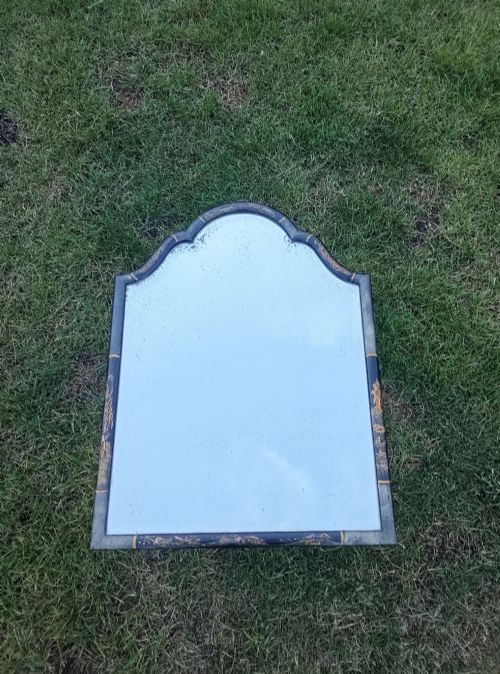
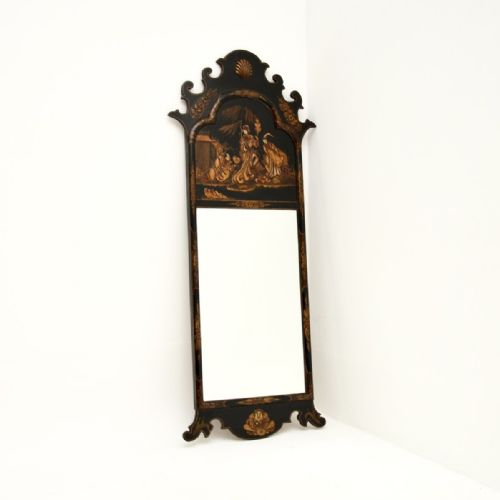
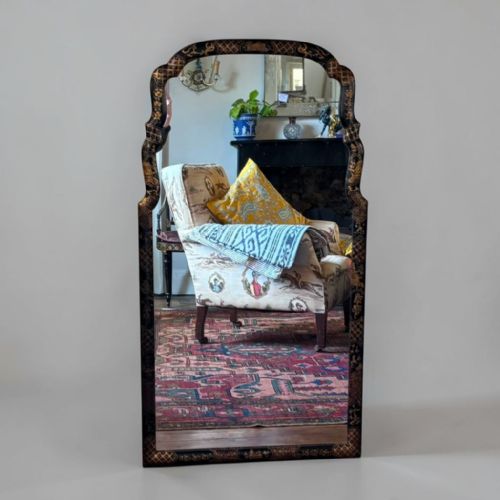
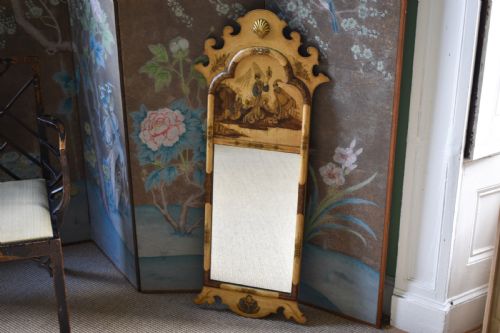
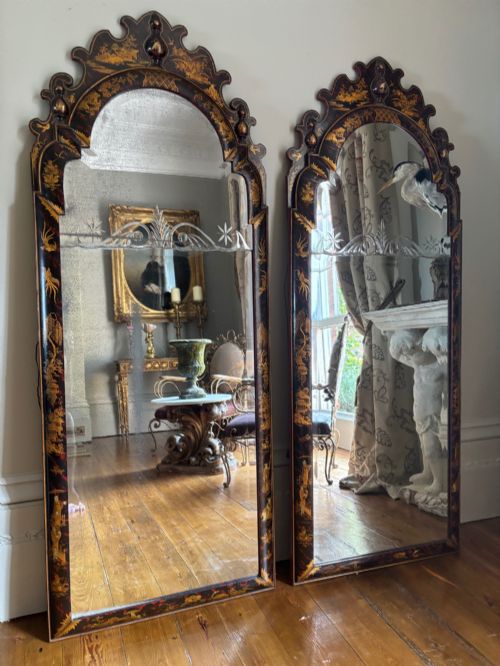
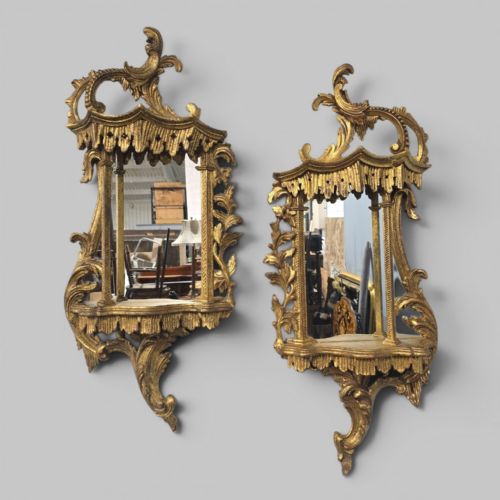

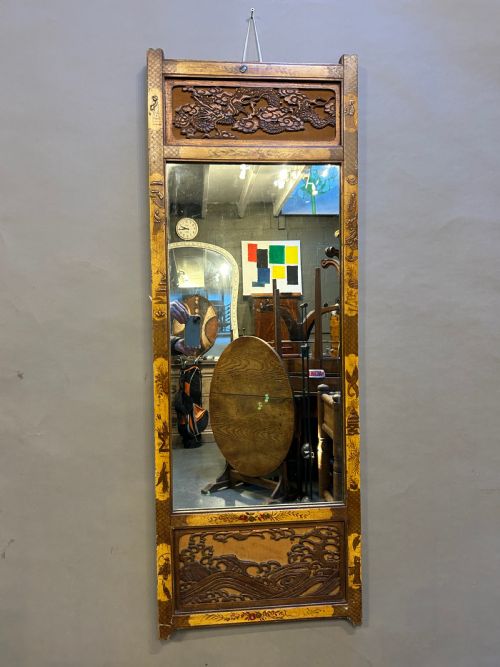


Gilt Chinoiserie Pier Mirror
A gilt chinoiserie pier mirror brings a dramatic, exotic focal point to a room through painted lacquer and gilded wood.
Gilt Chinoiserie Pier Mirror
A gilt chinoiserie pier mirror combines elaborate Asian-inspired motifs with European framing, designed specifically to hang on the narrow wall between windows. These decorative wall mirrors draw the eye with intricate scenes painted on lacquer surfaces, framed by ornate woodwork. Buyers seeking this phrase encounter wall mirrors spanning from the Georgian period through to early twentieth-century revivals.
The aesthetic bridges several distinct eras, encompassing genuine Georgian pieces alongside later nineteenth-century interpretations and early twentieth-century revivals. Queen Anne revival examples and Chinese Chippendale style pieces appear frequently among the listings, each bringing a specific interpretation of eighteenth-century taste. Forms range from compact wall mirrors to large carved wood hall mirrors designed to command a space.
Dating across these pieces stretches from around eighteen hundred through the nineteenth century and into the nineteen-twenties and thirties. The physical presence of these items makes them natural centrepieces for a hallway, drawing room or reception space. Understanding the interplay between the lacquered ground and the gilded frame helps identify the character of each individual mirror.
How they were made
Construction relies heavily on timber and carved wood as the primary structural base for the frames. Artisans shaped these wooden carcasses to support both the reflective glass and the decorative embellishments. Gold leaf application and general gilding provide the brilliant metallic finish that defines the outer edges.
Surface decoration relies on lacquer techniques to build up the characteristic Asian-inspired scenes. Carved wooden elements are integrated into the overall design, particularly in Chippendale rococo and Chinese Chippendale style examples. The combination of glass, carved wood and lacquered panels requires skilled craftsmanship to achieve a cohesive decorative object.
Gilt Chinoiserie Pier Mirror Retail Price Guide 2026
Typical asking prices for gilt chinoiserie pier mirror among the pieces listed under this phrase on Sellingantiques today, from the lower quarter to the upper quarter. They describe what is for sale here now, not the wider market.
Listings feature items spanning the Georgian period, the nineteenth century, and twentieth-century decades up to nineteen-thirty.
What varies in quality
Depth and intricacy of the carved wooden elements distinguish the construction of individual mirrors. Sharply defined carving in the gilt wood frames indicates a higher standard of craftsmanship than softer, less detailed moulding. The richness of the lacquer work and the clarity of the painted chinoiserie scenes further separate standard examples from finer ones.
Age and period execution play a significant role in determining the character of each piece, distinguishing eighteenth-century craftsmanship from later nineteenth and twentieth-century revivals. The preservation of the original gold leaf and lacquer surface dictates the visual impact of the mirror today. Material selection, from the choice of underlying timber to the quality of the glass plate, contributes to the overall integrity of the object.
The Gilt Chinoiserie Pier Mirror Glossary
- Pier mirror
- A tall wall mirror designed specifically to hang on the narrow pier of wall space between two windows. These pieces often sat above a pier table to reflect light into darker corners of a room.
- Gilt
- A thin layer of gold applied to the surface of wood or other materials. This technique adds a bright, reflective metallic finish to frames and decorative elements.
- Lacquer
- A durable resin-based varnish applied in multiple layers and polished to a smooth finish. It serves as the dark or coloured background for painted chinoiserie decoration.
- Chinese Chippendale
- A sub-genre of the rococo style incorporating pagoda roofs, lattice patterns and asymmetric motifs inspired by Chinese design. Thomas Chippendale popularized these exotic flourishes in British furniture and mirror frames.
Gilt Chinoiserie Pier Mirror: Frequently Asked Questions
Where should I hang a pier mirror?
These mirrors work best on narrow expanses of wall between windows, traditionally known as piers, where they maximise natural light. They also function effectively as focal points above mantelpieces or console tables in principal reception rooms.
Because many examples, such as large carved wood hall mirrors, possess considerable visual weight, ensure the wall fixings are secure. Positioning them opposite a light source enhances the brightness of the room.
How do I identify a revival piece?
Revival pieces often date from the nineteenth or early twentieth centuries, adopting earlier aesthetics like Queen Anne or Chippendale styles. Examining the construction methods, the condition of the timber, and the formulation of the lacquer helps determine the exact period.
While a genuine Georgian mirror carries eighteenth-century construction traits, revival items exhibit the manufacturing techniques of eighteen-eighty or nineteen-twenty. Comparing the gilding and carved wood details against known period examples clarifies the timeline.
What is the difference between gilt wood and gold leaf?
Gold leaf refers specifically to beaten gold sheets applied to a prepared surface during the gilding process. Gilt wood describes the resulting wooden object that has been decorated with this metallic finish.
Understanding this distinction helps in appreciating how artisans achieved the luminous surfaces seen on these frames. The application method influences how the metal reflects light and ages over time.
How do I care for a lacquered mirror?
Dust the lacquered surfaces gently with a soft, dry cloth to prevent the accumulation of grit. Avoid using chemical cleaning sprays or abrasive materials that might damage the delicate painted chinoiserie details.
Keep the mirror away from direct sunlight and excessive moisture to protect both the lacquer finish and the underlying timber. Regular, gentle maintenance preserves the integrity of the painted scenes and the gilt frame.