





Antique Hall Mirror Decorative
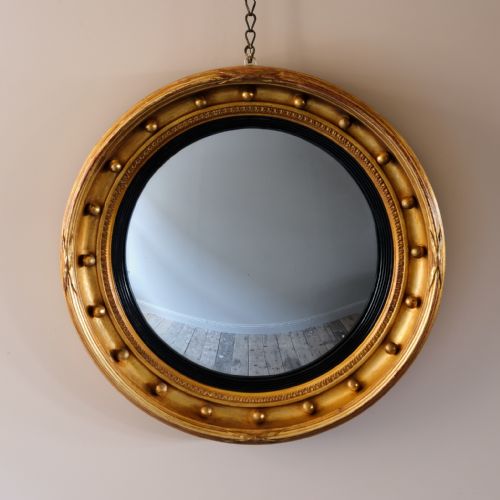
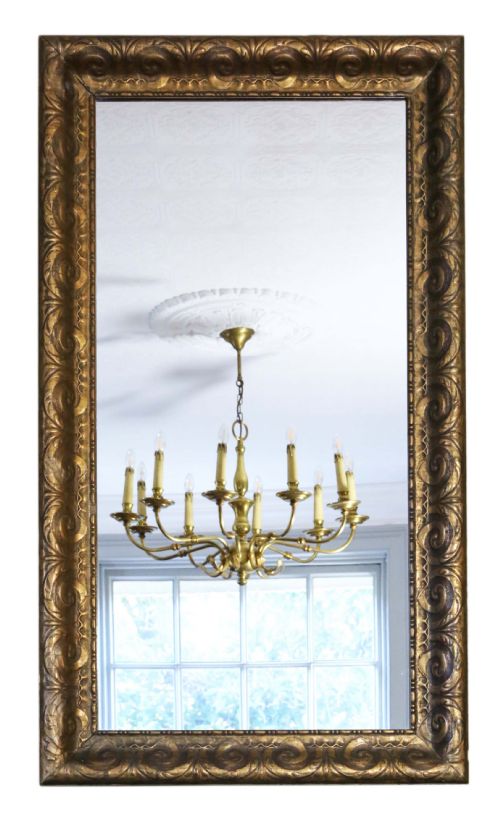
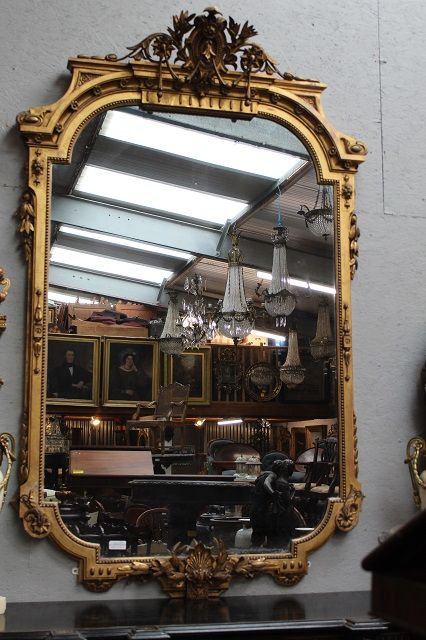
These antique hall mirror decorative pieces bring reflective depth and period character to entranceways, predominantly appearing in nineteenth-century giltwood, gesso, and carved timber forms.
Antique Hall Mirror Decorative
When searching for an antique hall mirror decorative piece, buyers encounter wall-mounted looking glasses designed to catch the light in entrance spaces and corridors. The selection on this page relies heavily on nineteenth-century examples, alongside early twentieth-century Edwardian pieces and specific revival styles.
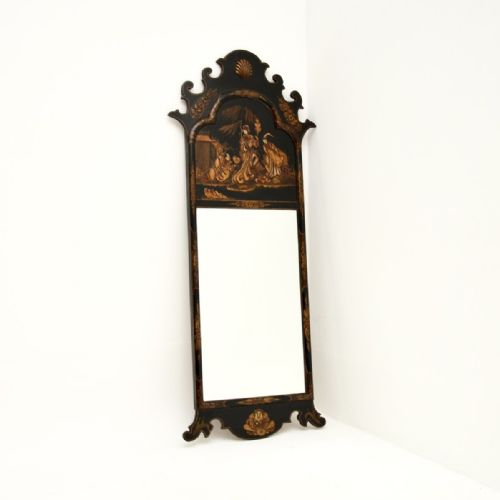
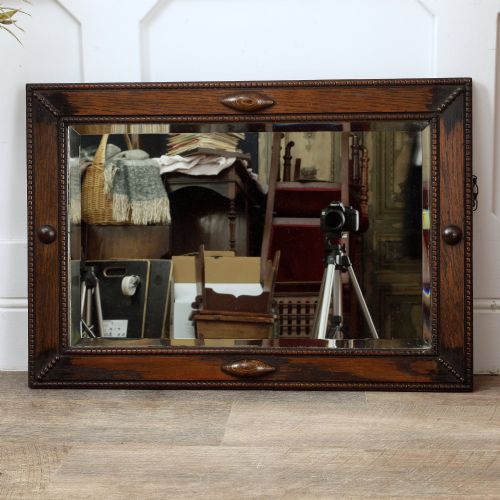
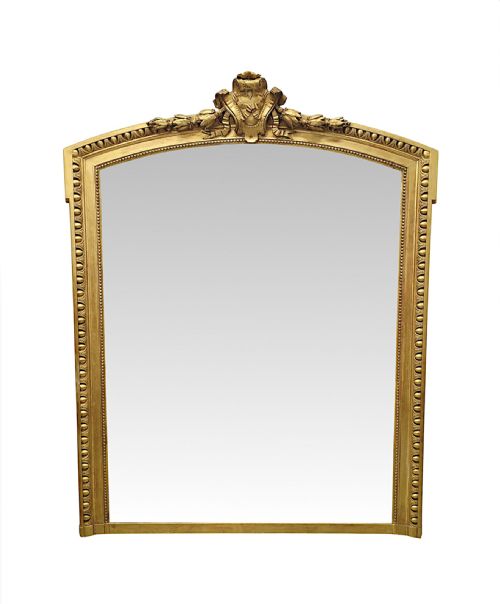
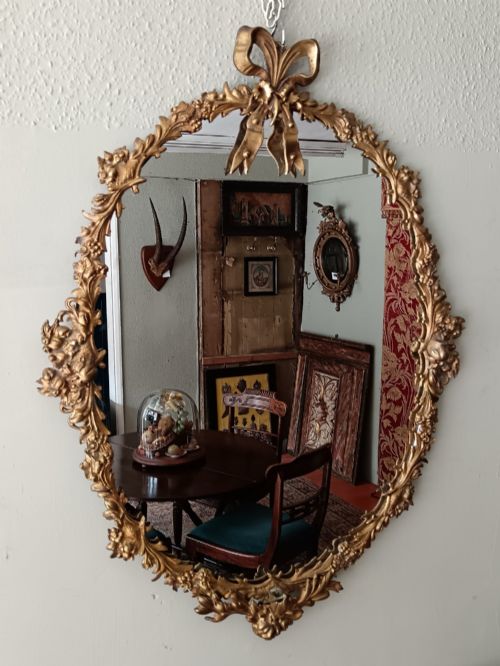
The dominant forms are large giltwood overmantel mirrors, tall pier mirrors, and ornate oval or arched wall glass. Pieces range from French Louis XVI and Baroque revivals to Georgian Chinoiserie and Edwardian oak-framed variations.
Makers such as Nosotti's appear among the listings, adding documented Victorian provenance to grander carved giltwood formats. Simpler domestic requirements are met by walnut, mahogany, ebonised wood, and simulated wood finishes dating from the late Victorian era onward.
How they were made
Carved timber frames form the structural backbone of these mirrors, utilising woods such as oak, walnut, mahogany, rosewood, kingwood, and ebonised timber. Skilled artisans shaped the solid wood foundations by hand before applying decorative surface treatments.
Giltwood and gesso pieces depend on meticulous layering of chalk preparation, composition ornament, and gold leaf applied over timber. The resulting high-relief floral cartouches, scrolls, and neoclassical motifs reflect traditional nineteenth-century workshop practices.
Glass plates are bedded into the rebate of the frame, occasionally noted as replaced or original. Specialised finishing techniques encompass over-painting, silvering, and inlay work, seen in Italian Renaissance revival walnut and Dutch brass valet mirrors.
Antique Hall Mirror Decorative Retail Price Guide 2026
Typical asking prices for hall mirror decorative among the pieces listed under this phrase on Sellingantiques today, from the lower quarter to the upper quarter. They describe what is for sale here now, not the wider market.
Listings feature periods spanning from the Georgian era through Victorian, Edwardian, and Art Deco styles, utilising giltwood, gesso, marble, and bamboo.
What varies in quality
The distinction between standard domestic mirrors and exceptional pieces rests upon the crispness of the hand-carved gesso and the depth of the gilding. Superior examples display sharply defined floral motifs, central cartouches, and balanced proportions without clumsy restoration.
Material choice dictates structural integrity, with dense hardwoods like walnut and rosewood offering longevity compared to softer composition mouldings. Original mercury or early silvered glass plates with authentic oxidation contrast against newly replaced modern mirrors.
Provenance and stylistic adherence elevate certain pieces, such as documented works by makers like Nosotti's or rigorous Adams and Louis XVI revival designs. The harmony between the original frame construction and the reflective plate marks the measure of a finer piece.
Nosotti's
The Antique Hall Mirror Decorative Glossary
- Giltwood
- Timber that has been covered with a thin layer of gold leaf. This technique provides a luminous surface that catches hallway light.
- Gesso
- A plaster mix applied to wood frames to create a smooth surface for carving and gilding. It allows intricate relief ornamentation.
- Overmantel
- A large mirror originally designed to hang above a fireplace mantelpiece. These grand proportions frequently suit large entrance halls.
- Cartouche
- An ornamental tablet or frame resembling a rolled-up piece of paper. It often forms the decorative centrepiece at the top of a mirror frame.
- Pier glass
- A tall, narrow mirror designed to hang on the wall space between windows. They visually expand interior room dimensions.
Antique Hall Mirror Decorative: Frequently Asked Questions
Where should I hang a large giltwood mirror?
These mirrors suit principal reception rooms, entrance hallways, and above console tables where they anchor the wall space.
Ensure the wall fixings are secured directly into masonry or studs to support the substantial weight of timber and glass.
How do I identify a nineteenth-century frame?
Examine the construction joints at the corners, the hand-applied gesso layers, and the depth of the timber backing.
Period pieces exhibit tool marks, hand-carved details, and oxidized silvering on the glass plate that modern reproductions lack.
What is an overmantel mirror used for?
Overmantel mirrors were traditionally positioned above fireplaces to reflect candlelight and brighten dark Victorian interiors.
In modern settings, their generous proportions make them effective hallway centrepieces for checking attire before leaving.
Are original mirror plates usually kept?
Some pieces retain their original silvered or mercury glass plates, showing subtle foxing and age spots.
Other mirrors feature new glass fitted to maintain clear reflection while preserving the antique frame.