

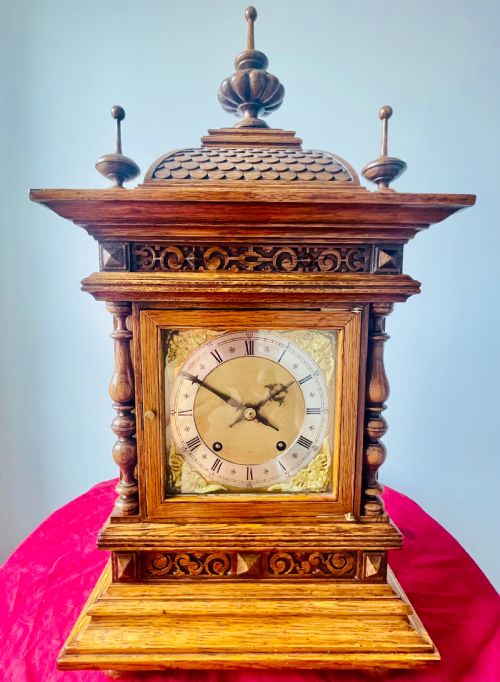
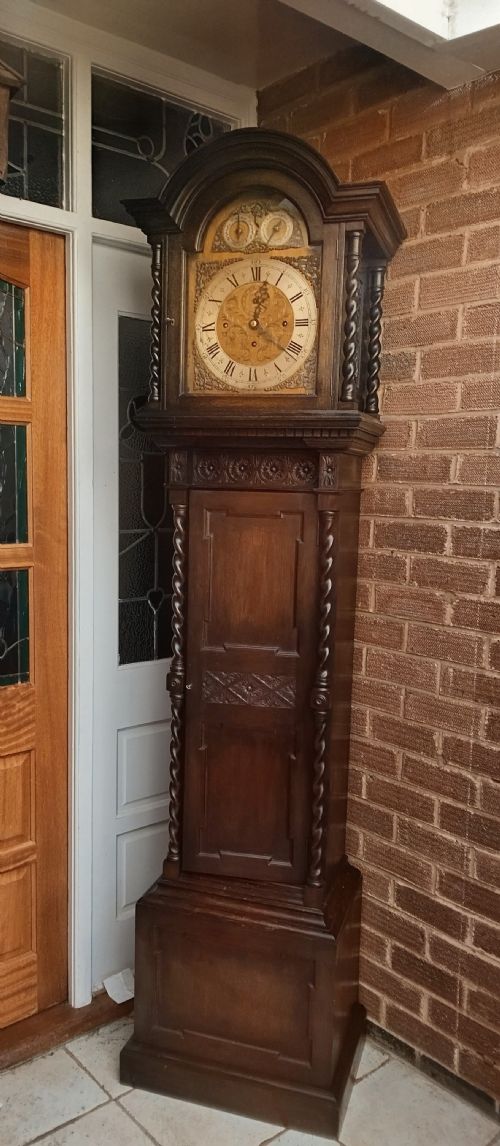
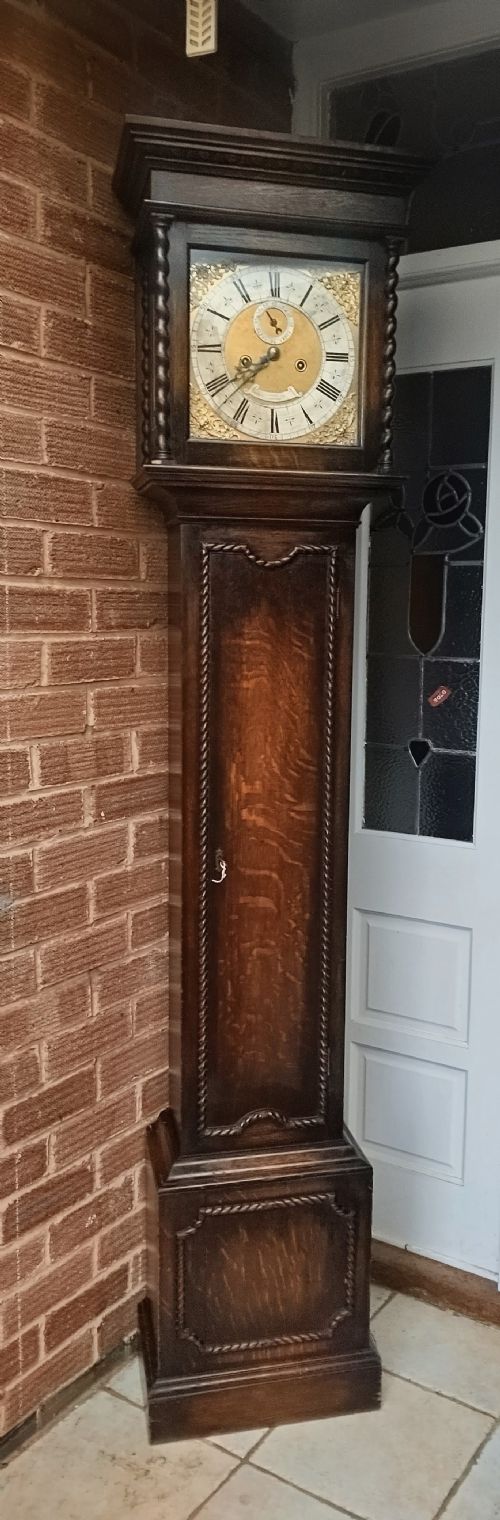
Carved Brass Dial Clock
Carved brass dial clock examples combine precision timekeeping with centuries of timber and metal craftsmanship.
Carved Brass Dial Clock
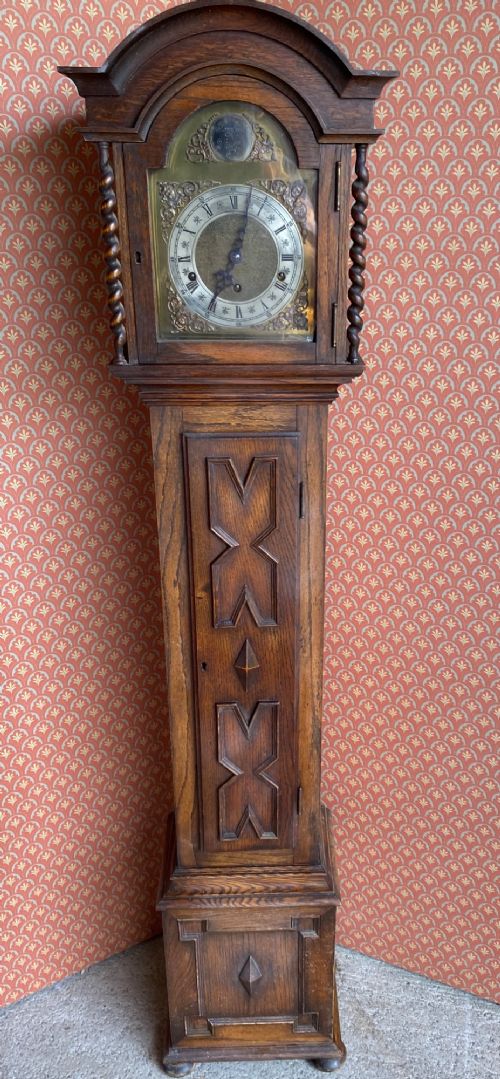
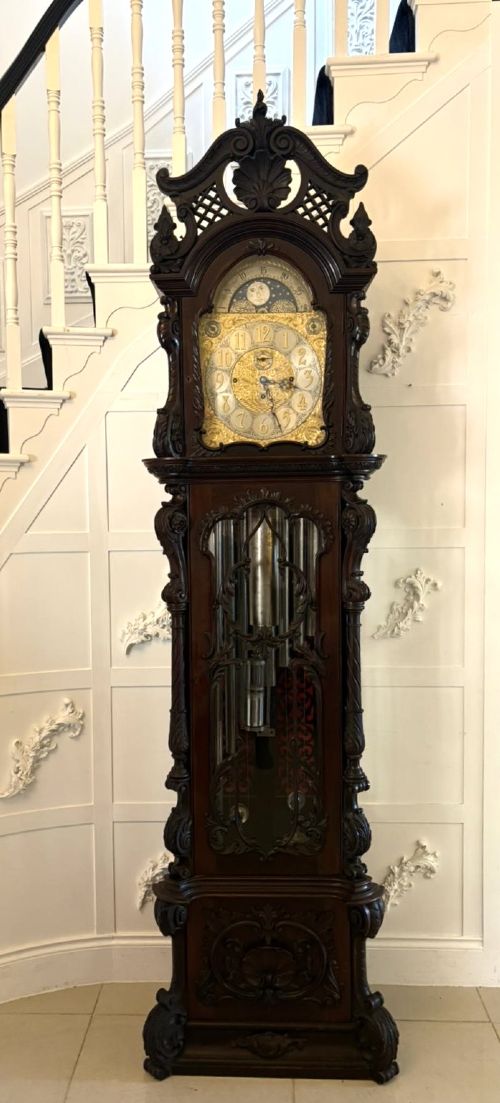
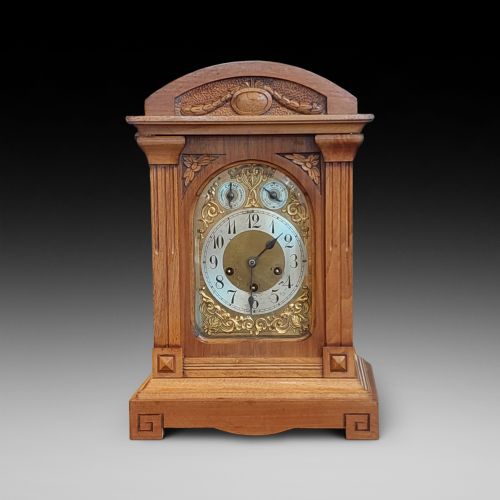
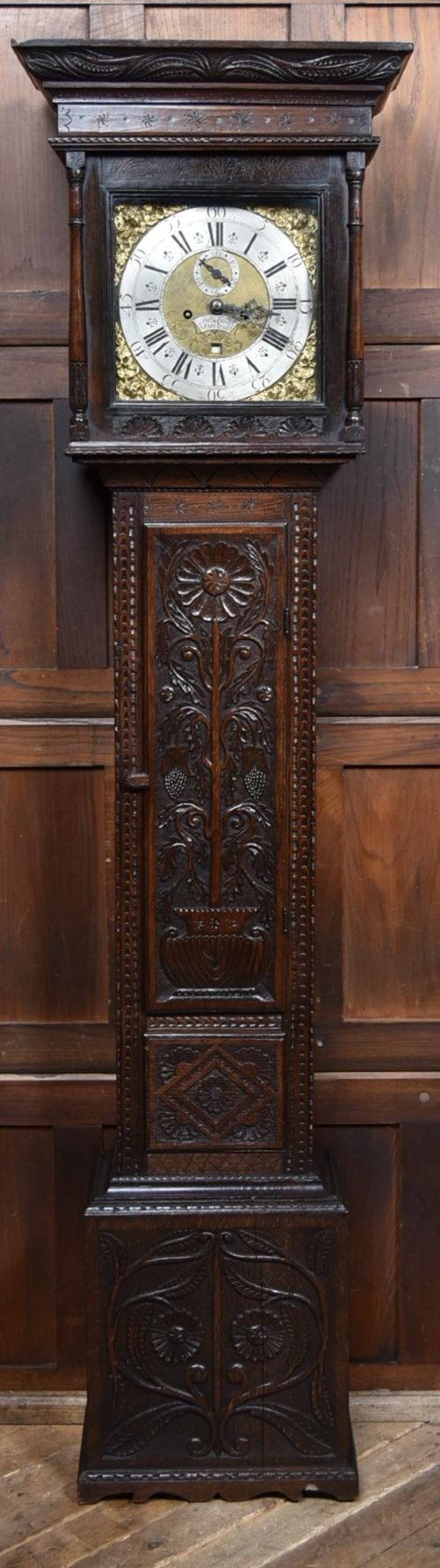
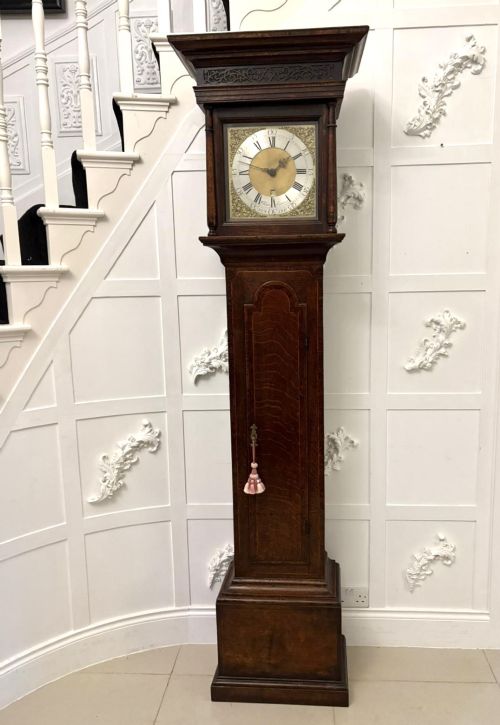
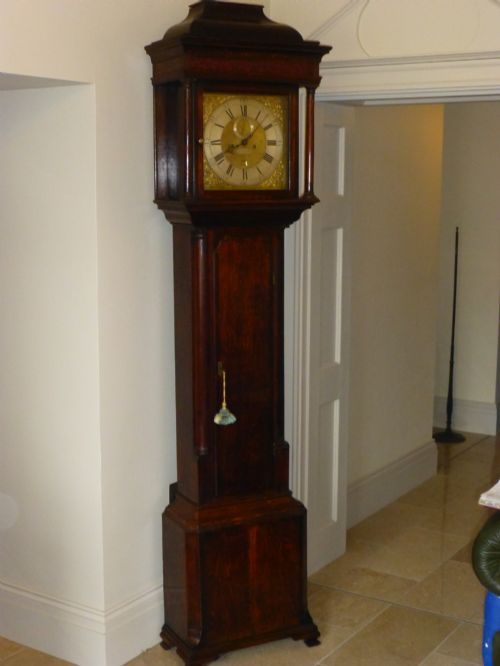
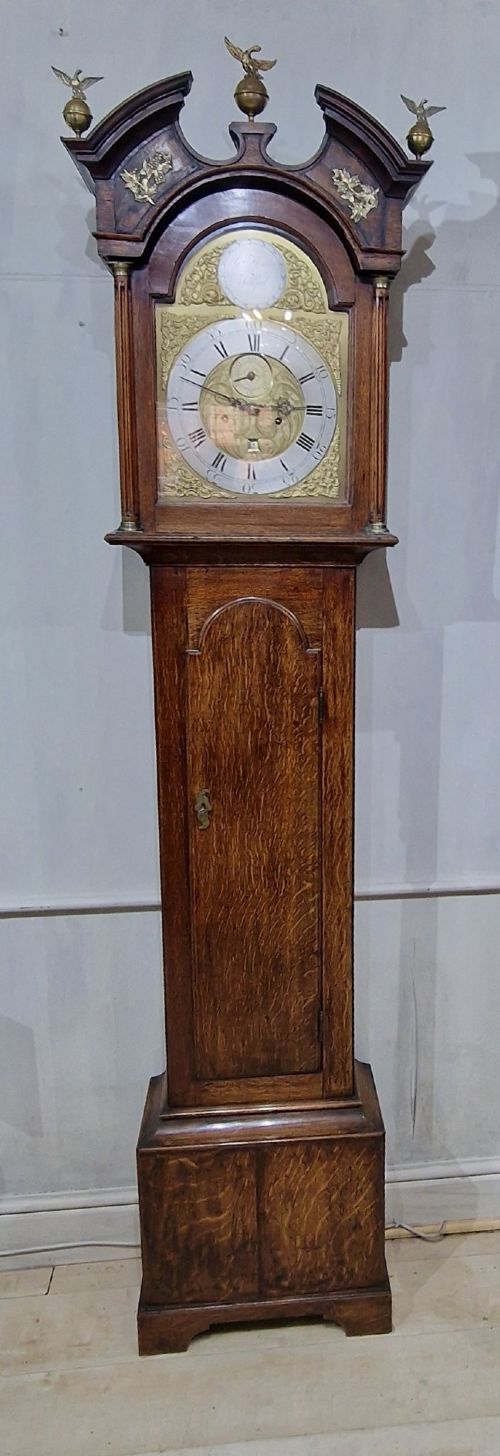
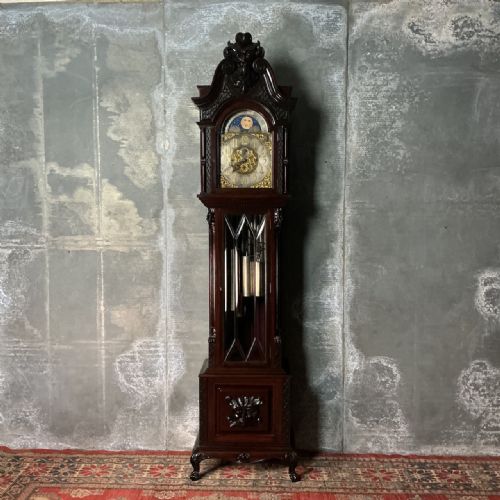
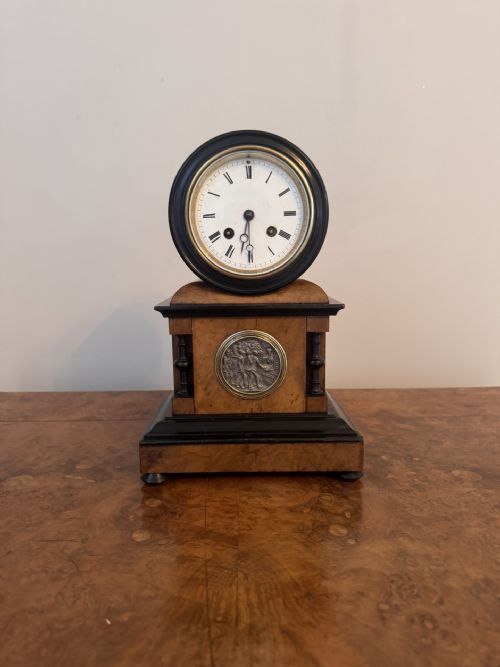
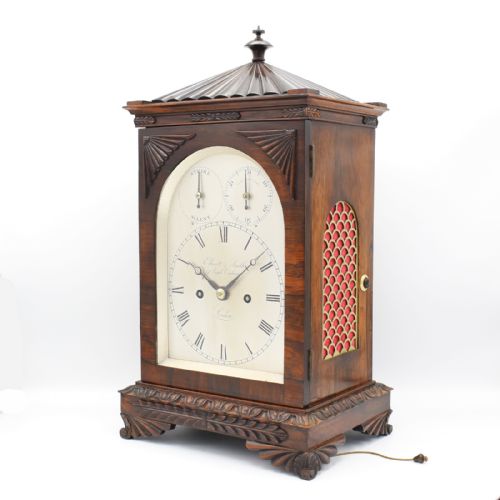
A carved brass dial clock sits within a tradition spanning the 17th century through the Georgian, Victorian, and Edwardian eras. Buyers encounter longcase clocks, wall clocks, and mantel pieces housed in timber cases.
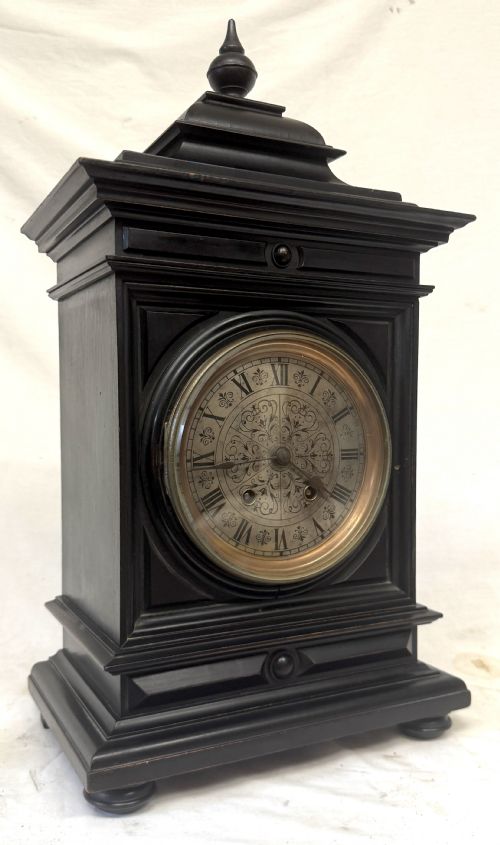
The evidence shows these timepieces appearing in oak, mahogany, walnut, and ebonised wood alongside brass components. Formats range from tall grandfather clocks to compact bracket and drop dial wall clocks.
Origin points across the listings include English, Scottish, and continental workshops. Makers and regions such as London, Chester, and Germany appear across the surviving inventory.
Materials and construction methods
Cases utilise solid timbers including oak, walnut, and mahogany, frequently shaped with carved details and glass viewing panels. Dial faces combine brass plates with engraved numbers, silvered chapters, and enamel accents.
Internal mechanisms rely on fusee movements, pendulum systems, and striking trains of brass and steel. Makers mounted these movements into robust wooden cabinetry designed to protect the gears.
Listings span the 17th century through the Georgian and Victorian periods, utilising oak, mahogany, walnut, brass, and glass.
Separating high grade timepieces
Execution of the brass dial carving and engraving sets superior pieces apart from standard production. Crisp detailing on the metalwork indicates skilled handcrafting rather than mechanical stamping.
The integration of the timber case with the movement dictates overall integrity. Well-proportioned cabinetry using burr oak, figured walnut, or solid mahogany reflects higher workshop standards.
Jn° Smith·Richard Corless·James Hendrie·Andrew Thom·Winterhalder & Hofmeier·Mappin & Webb·Dent of London·Edin Burgis
The Carved Brass Dial Clock Glossary
- Fusee
- A conical pulley used in spring-driven clocks to maintain even power delivery as the mainspring unwinds. This mechanism ensures more accurate timekeeping throughout the duration of the wind.
- Drop dial clock
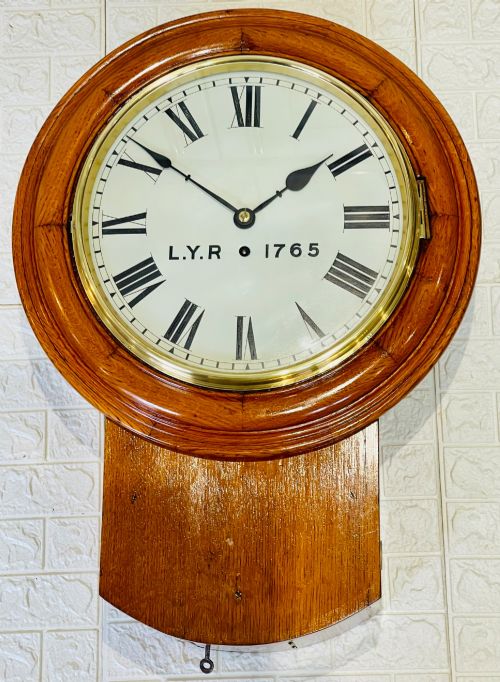
- A wall-mounted timepiece featuring an extended lower wooden case designed to house a swinging pendulum. These clocks were widely utilised in offices, railway stations, and domestic rooms.
- Grandfather clock
- A tall freestanding pendulum clock enclosed in a wooden case resting on the floor. These large timepieces are also designated as longcase clocks in historical records.
- Bracket clock
- A portable table or shelf clock originally designed to sit on a wall bracket. Many examples feature substantial brass dials and intricate striking or chiming movements.
- Silvered dial
- A brass clock face treated with a silver solution to create a matte white finish that enhances legibility. The numerals and markings are typically engraved and darkened for contrast.
Carved Brass Dial Clock: Frequently Asked Questions
How do I wind a fusee clock?
Fusee movements require a specialised key inserted into the dial or side access door to tension the spring gradually.
Care must be taken not to overwind the mechanism, ensuring the chain or cord rests properly on the conical pulley.
Where were longcase clocks placed historically?
Longcase clocks stood in hallways, stairwells, and principal living rooms where their chimes could be heard throughout the house.
Their substantial height required placement on solid, level flooring to keep the pendulum swinging evenly.
What is the difference between a bracket clock and a mantel clock?
Bracket clocks historically originated as portable timepieces with carrying handles intended for placement on wall shelves. Mantel clocks developed later to sit directly on fireplace ledges and furniture surfaces.
Both categories encompass wood and brass construction across Victorian and Georgian periods.
How do I identify a Victorian wall clock?
Victorian wall clocks often feature fusee or chain movements housed in round mahogany or ebonised wooden frames with glass bezel doors. Drop dial variants include a lower trunk to accommodate the pendulum.
Signatures on the dial or movement backplate frequently indicate the maker and operating location.