





Period English Brass Clock
A period english brass clock brings centuries of mechanical mastery and warm metalwork directly into a room.
Period English Brass Clock
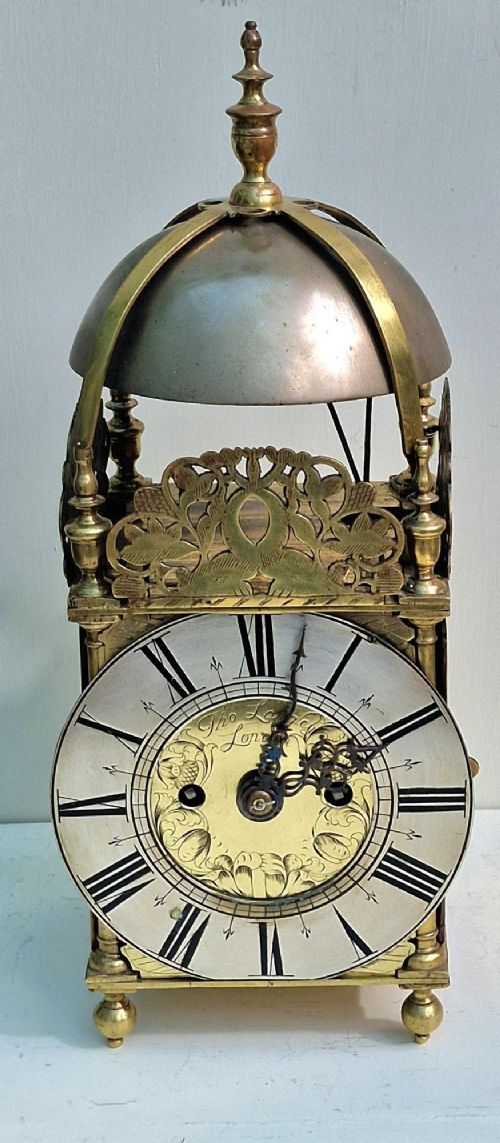
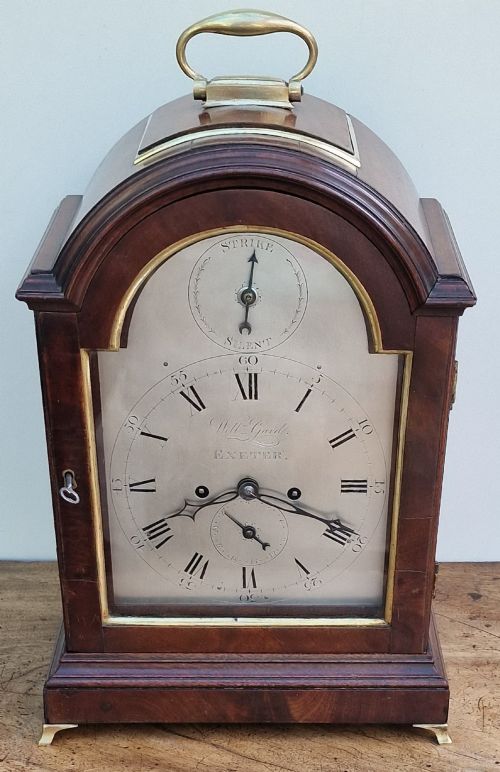
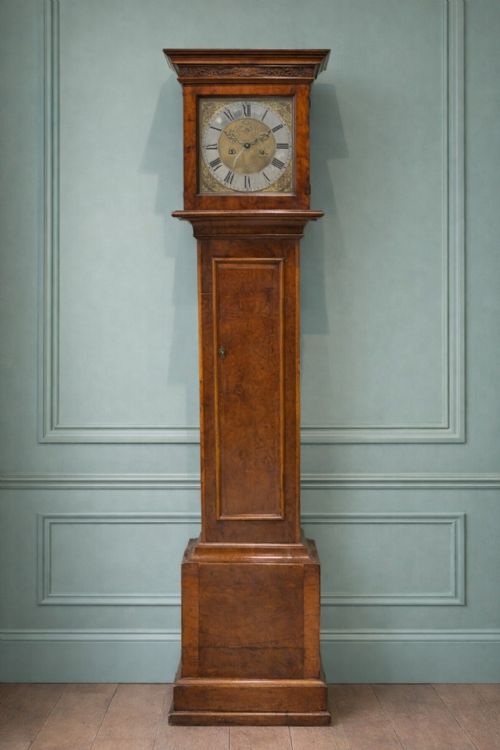
A period english brass clock encompasses diverse mechanical timepieces ranging from early wall-hung lantern clocks to substantial bracket and longcase designs. These domestic regulators span multiple centuries, capturing shifts in domestic interior ornamentation from the seventeenth century onward.
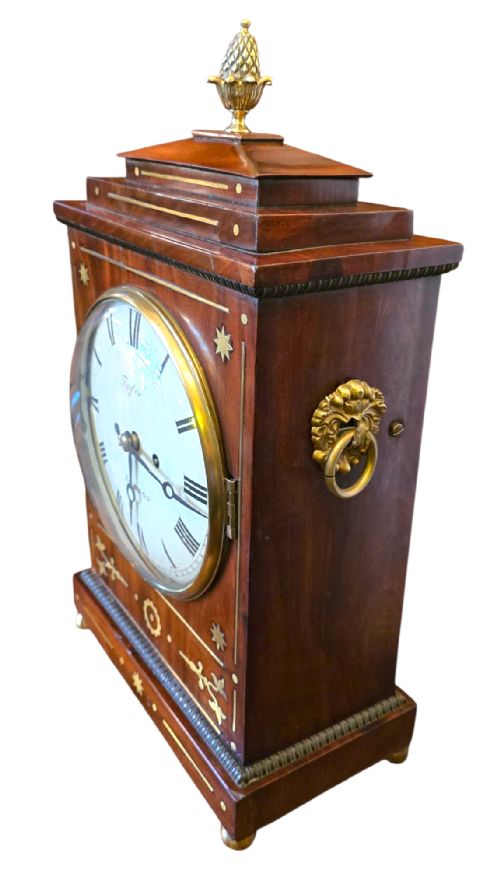
The selection frequently highlights bracket clocks and lantern clocks, alongside architectural longcase and wall-mounted variants. Makers from London and regional centres produced these works using robust brass components housed within timber or metal cases.
Materials and construction methods
Makers constructed movements primarily from brass, iron, and steel, relying on fusee mechanisms to maintain steady power delivery. Dials frequently incorporated enamel elements, while cases combined brass mounts with timbers such as mahogany, oak, ebony, walnut, and burr elm.
Craftsmen utilised cast and hammered brass for frames and chapter rings, pairing metalwork with finely joined wooden cabinetry. Gilt bronze and glass further augmented these assemblies, balancing structural integrity with refined surface decoration.
A gilt bronze mantle clock captures a mischievous cherub reaching persistently for birds resting safely in a tree.
Distinctions in execution and design
Superior examples demonstrate refined proportion within the case and intricate engraving upon the brass dial plate or movement backplate. Master watchmakers ensured that mechanical components operated with precise tolerances, while cabinetmakers selected choice timbers and veneers.
The relationship between the movement and its housing dictates distinction, where original brass mounts and untouched dial signatures elevate the piece. Subtle variations in chapter ring layout and cast brass ornamentation separate standard regional production from works by prominent London makers.
Thomas Langley·William Gard·L. Vick·William Speakman·Samuel Tinham·Peter Closon·James Ogden Senior·Taylor of London·William Clement·Joseph Saer·FB Adams·Baetens·Fatton Eleve De Breguet
The Period English Brass Clock Glossary
- Fusee
- A conical pulley used in spring-driven clocks to ensure even tension on the gear train as the mainspring unwinds. This device compensates for the decreasing force of the spring.
- Lantern clock
- An early brass chamber clock designed to stand on a bracket or hang on a wall, featuring prominent corner posts and an exposed bell on top. These domestic pieces represent some of the earliest portable timekeepers.
- Bracket clock
- A portable table or shelf clock, originally built with a sturdy bracket for support. Over time, the term persisted for spring-driven clocks housed in compact wooden cases.
- Verge escapement
- An early mechanical escapement mechanism that regulates the speed of a clock by controlling the swing of a balance wheel or pendulum. It produces a distinctive ticking rhythm.
- Longcase clock
- A tall pendulum clock housed in a wooden tower case designed to protect the weights and pendulum. They are frequently referred to colloquially as grandfather clocks.
Period English Brass Clock: Frequently Asked Questions
What is a fusee movement?
A fusee movement employs a conical pulley and cord to equalise the power delivered by the mainspring as it runs down.
This mechanical arrangement helps the clock maintain consistent timekeeping throughout its running period.
How do I identify a lantern clock?
A lantern clock is a brass wall or bracket clock characterised by corner pillars, frets, and an exposed bell on top.
These early timepieces often display engraved dials and heavy brass frames typical of seventeenth-century production.
Where were these clocks made?
These clocks originated in workshops located in London as well as regional English towns such as Exeter, Salisbury, and Stroud.
Urban and provincial makers supplied these timepieces for domestic residences and civic spaces.
What woods were used for the cases?
Cabinetmakers utilised timbers such as mahogany, oak, ebony, walnut, and burr elm to house the brass movements.
These woods were often polished, inlaid, or carved to complement the metal mounts and dials.