


Carved Black Cabinet
These carved black cabinet examples span centuries of dark wood and lacquer artistry, offering striking storage for the discerning collector.
Carved Black Cabinet
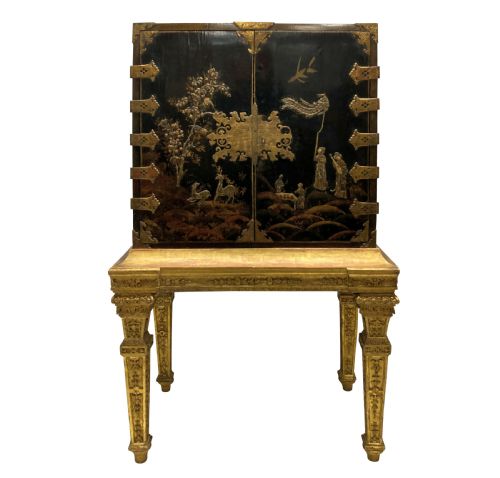
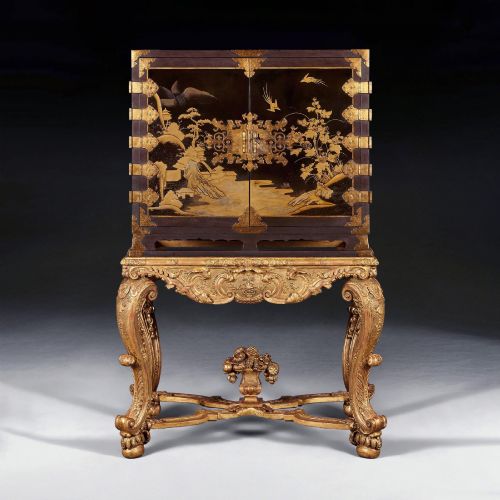
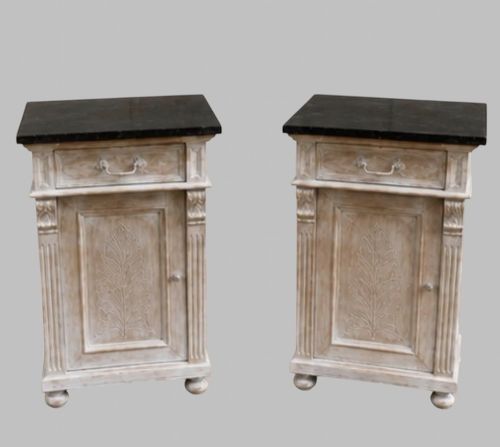
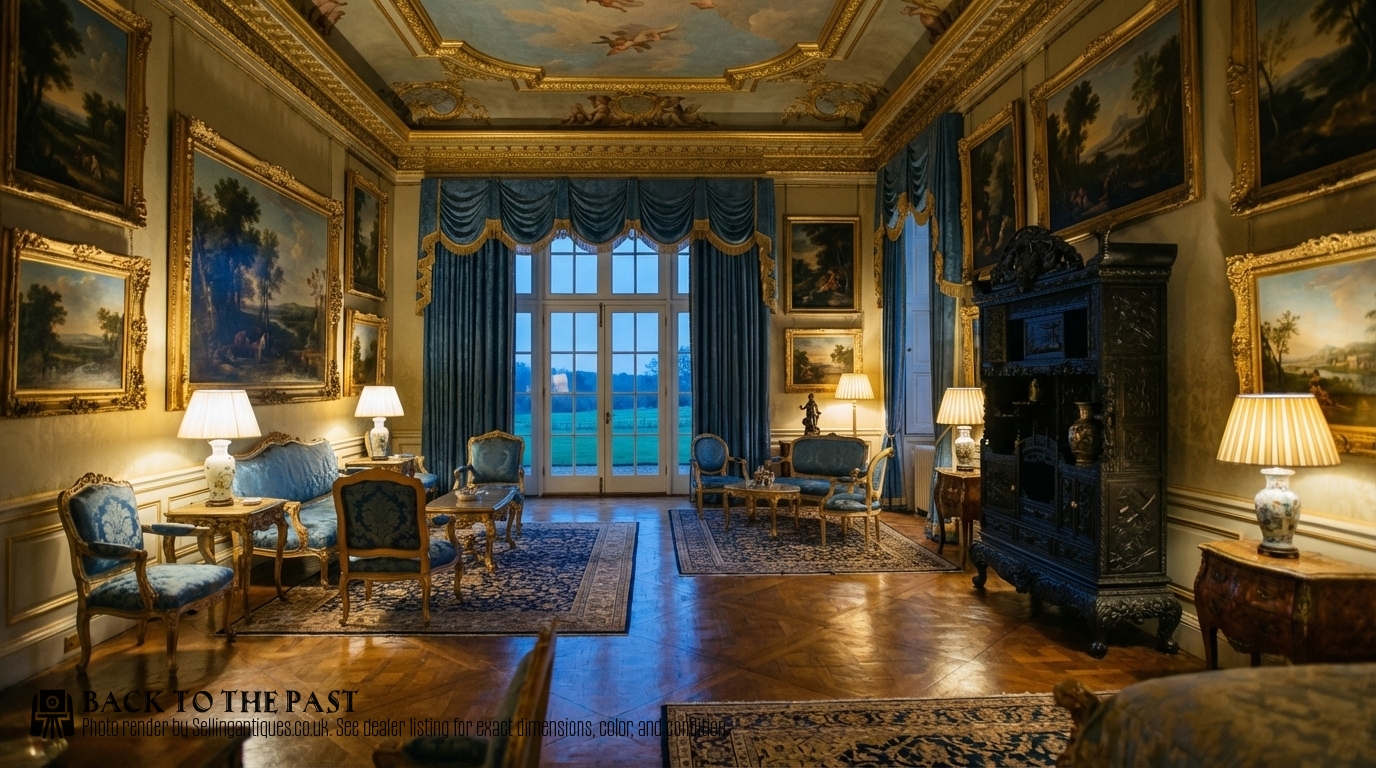
A carved black cabinet delivers dark, dramatic presence through ebonised hardwood, black lacquer, or painted finishes, serving as a striking focal point in a room. When exploring this selection, buyers frequently encounter pieces ranging from compact bedside units to elaborate cabinets on stands.
The diverse origins recorded here stretch across European workshops and Asian export studios, encompassing William and Mary designs, Victorian pieces, and Japanese lacquer work. Forms vary widely from music cabinets and display units to grand armoires and architectural bookcases.
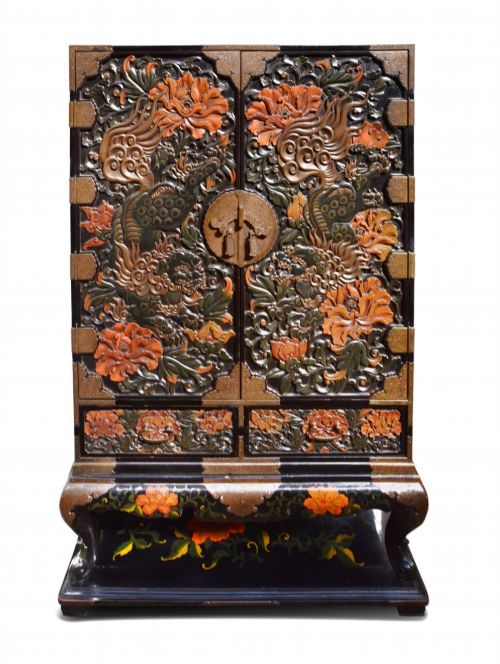
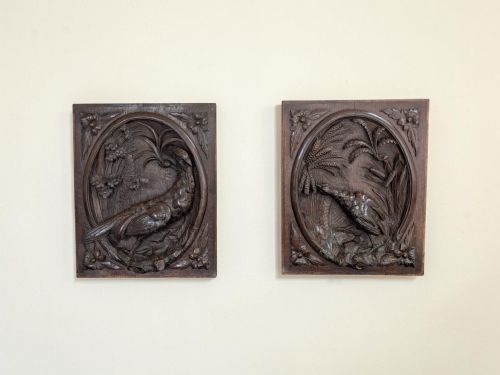
Each carved black cabinet combines utility with ornamental carved relief, depicting Chinoiserie motifs, floral details, or architectural columns. These works bridge practical storage needs with the decorative ambition of various historical periods.
What varies in quality
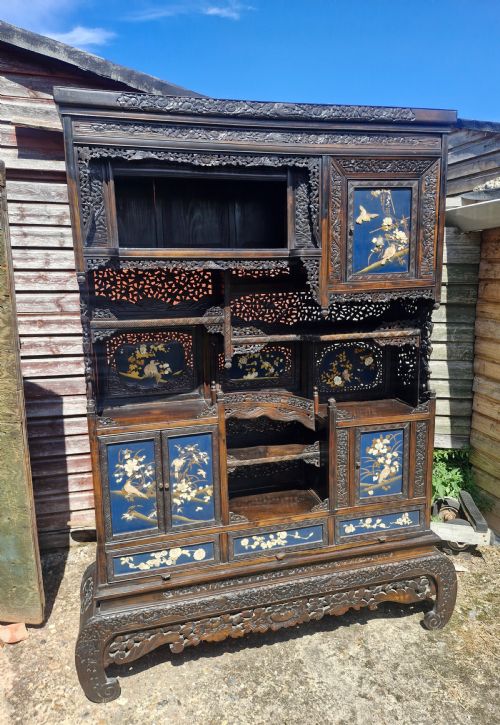
The refinement of the carving stands as a primary differentiator, where crisp, deep relief work on hardwood or lacquer outclasses shallow, mechanical pressing. Superior pieces demonstrate integration between the cabinet body and its supporting stand, particularly in complex designs like cabinets on stands or tiered shodana.
Material selection and finish integrity dictate the upper tier of the range, distinguishing genuine period lacquer and patinated ebonised oak from later repainted surfaces. Original hardware, intact marble tops, and cohesive decorative schemes elevate an example well above standard utility pieces.
Styles recorded across these cabinets include Chinoiserie, Aesthetic Movement, William and Mary, and Qing Dynasty influences.
Henry Ogden & Son
The Carved Black Cabinet Glossary
- Ebonised
- Wood treated with stain, dye, or polish to simulate costly ebony. This dark finish gained popularity during the Victorian and Aesthetic Movement periods.
- Chinoiserie
- European artistic styles reflecting Chinese motifs and decorative techniques. These designs frequently appear on lacquered cabinets and screens from the seventeenth century onward.
- Shodana
- A traditional Japanese tiered display cabinet or shelf unit. These pieces often feature asymmetric compartments, sliding doors, and intricate carved woodwork.
- Regence
- A French transitional design style preceding the full Rococo movement. It is characterised by symmetrical scrolling foliage and robust carved stands.
- Armoire
- A large wardrobe or cupboard used for storing clothing. European examples often utilise painted walnut or oak construction.
Carved Black Cabinet: Frequently Asked Questions
What is a cabinet on stand?
A cabinet on stand comprises a distinct upper storage box set upon an elevated base with legs. This form lifts the decorative surface closer to eye level.
Such pieces often combine substantial storage capacity below with ornate carving across the supporting frame.
How do I identify a Japanese export cabinet?
Japanese export cabinets typically display traditional lacquer work, intricate carving, or detailed panel scenes created for Western markets. They frequently date to the late nineteenth or early twentieth century.
Their construction often incorporates distinct regional joinery methods differing from contemporary European furniture.
Where should I place a bedside cabinet?
Bedside cabinets fit comfortably beside a bed to provide enclosed storage and a surface for lighting or books. Their compact dimensions suit smaller bedroom layouts.
Pairing matching cabinets creates symmetry, while singular painted or carved versions serve as accent pieces.
How do I care for lacquered wood?
Lacquered surfaces require gentle cleaning with a dry or slightly damp soft cloth to preserve the finish. Avoid harsh chemical cleaners and direct sunlight.
Maintaining stable room humidity prevents the timber beneath from expanding and stressing the lacquer layer.