



Antique Oriental Etagere
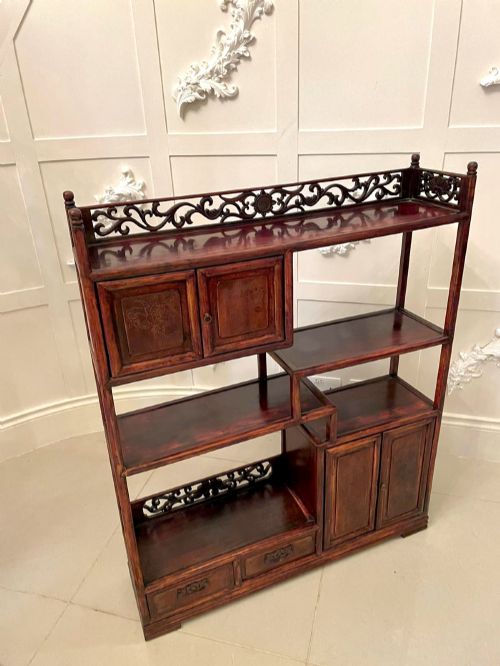
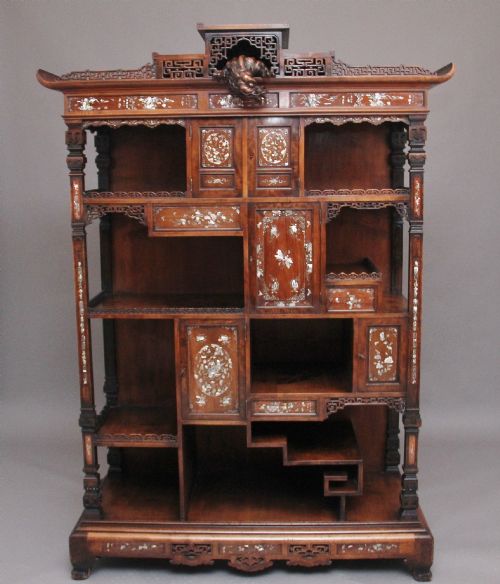
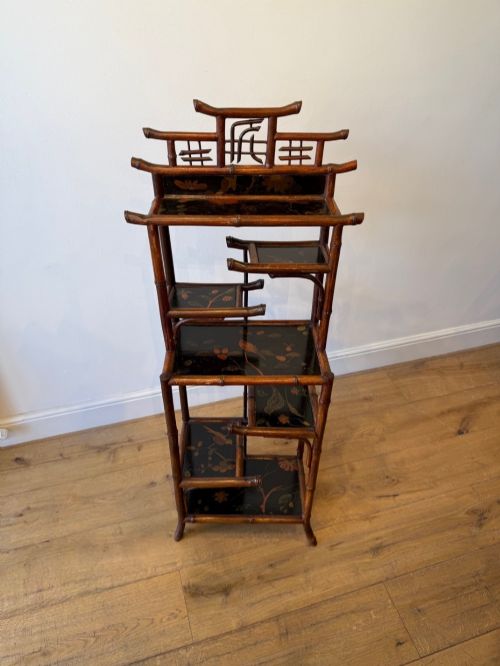
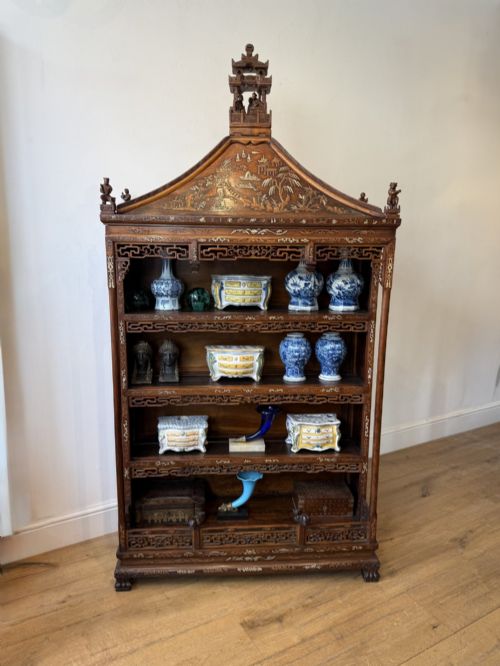
An antique oriental etagere brings layered display space and distinct craftsmanship into a room, offering versatile shelving for treasured objects.
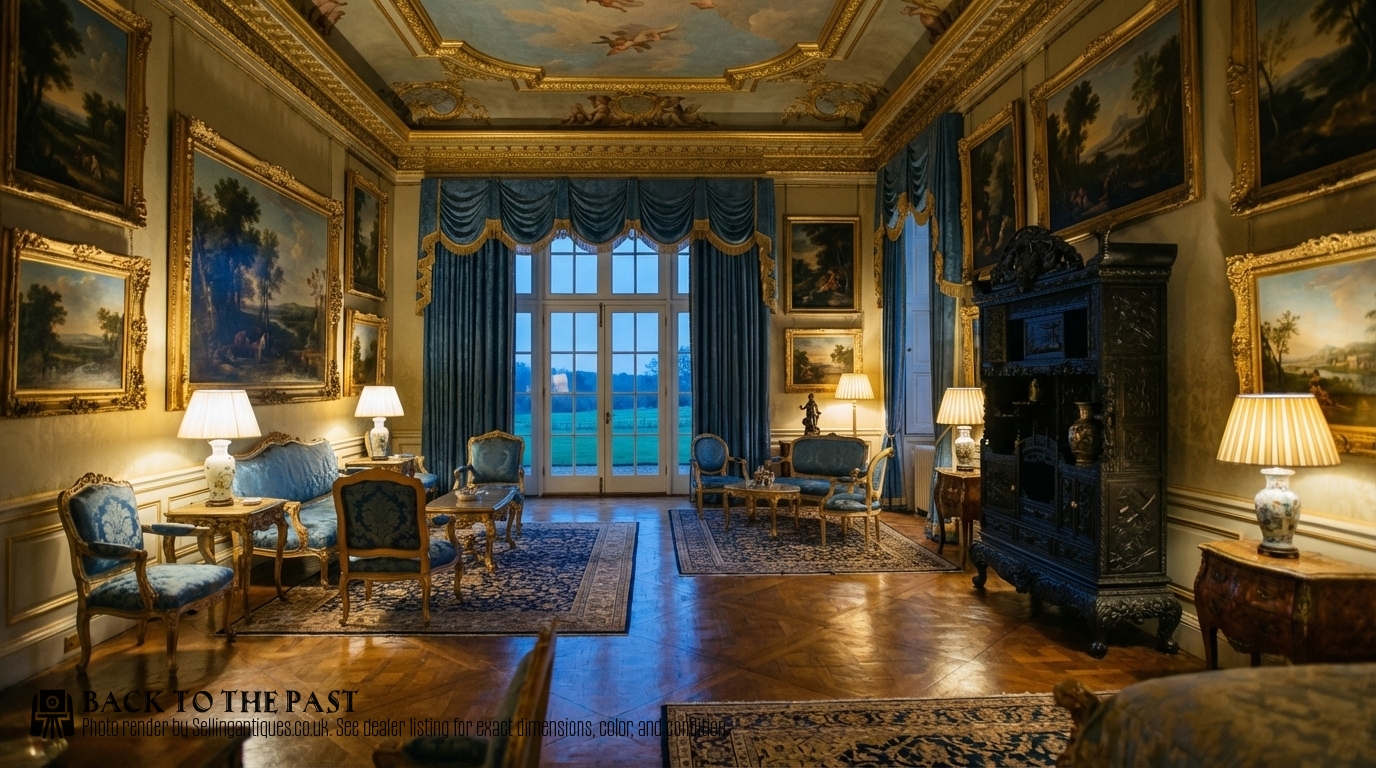
Antique Oriental Etagere
An antique oriental etagere encompasses open display shelves, music cabinets, and shodana cabinets originating from the nineteenth and early twentieth centuries. Buyers search for these pieces to introduce structured display tiers and intricate carving into an interior scheme.
The selections available here range from Chinese hardwood open cabinets and Qing Dynasty dwarf side-cabinets to Japanese Meiji Period shodana cabinets and bamboo display shelves. European interpretations inspired by Eastern design, including French Japanese style padouk cabinets and Aesthetic Period bamboo pieces, also appear frequently.
Forms span from tall display cabinets and corner units to floor clocks and lacquer shelves utilising materials from hardwood and rosewood to bamboo and walnut.
How they were made
Construction relies heavily on dense timbers such as hardwood, rosewood, padouk, and walnut, frequently combined with bamboo frames and glass panels. Artisans shaped these materials into complex frameworks designed to support multi-tiered shelving and enclosed compartments.
Surface treatment involves traditional lacquer work, ebonising, and profuse carving that reflects Chinese Qing Dynasty motifs or Japanese Meiji and Taisho craftsmanship. Metal elements such as brass appear alongside glass doors to accent the structural woodwork.
The selection includes forms such as open cabinets, music cabinets, display shelves, and floor clocks from Chinese and Japanese origins.
What varies in quality
Quality differences stem from the depth and precision of the carving, the selection of timber, and the integrity of the structural joinery. Pieces featuring dense rosewood or intricately carved hardwood stand apart from lighter bamboo or simpler wood constructions.
The sophistication of the design, whether a restrained Chinese open cabinet or a profusely carved Japanese shodana with multiple compartments, dictates the overall standing of the piece within the range.
Gabriel Viardot·Gabriel-Frederic Viardot
The Antique Oriental Etagere Glossary
- Etagere
- A piece of furniture consisting of a set of open shelves for displaying small objects or ornaments. These tiers allow for varied arrangement of decorative items.
- Shodana
- A Japanese multi-shelved cabinet or shelving unit featuring staggered compartments and sliding doors. Such pieces were designed for the display of art objects and scholarly treasures.
- Japonisme
- A nineteenth-century Western movement in art and design influenced by Japanese aesthetics. This style shaped European interpretations of Eastern cabinetry and display shelves.
- Padouk
- A heavy, durable tropical hardwood prized for its rich colour and stability. Artisans utilised this dense timber for fine nineteenth-century display cabinets.
- Hongmu
- A traditional Chinese term for dense hardwoods used in quality furniture making. These durable woods support intricate carving without splintering.
Antique Oriental Etagere: Frequently Asked Questions
What is an antique oriental etagere?
An antique oriental etagere is a multi-tiered display unit or cabinet originating from Asian traditions or European interpretations of Eastern design. These pieces provide open and closed shelving intended for presenting decorative objects.
Such furniture spans traditional Chinese hardwood cabinets and Japanese shodana units alongside late nineteenth-century European pieces inspired by Asian aesthetics.
How were these cabinets used?
These cabinets served primarily to display precious ceramics, bronzes, scholars' rocks, and other valued possessions in traditional interiors. The varied compartments allowed owners to curate small collections within a single piece of furniture.
In Western homes during the nineteenth century, similar etageres and shodanas fulfilled a comparable decorative role, showcasing imported ornaments and curiosities.
Where do these pieces originate?
The pieces originate from Asian workshops in China and Japan, spanning periods such as the Qing Dynasty, Meiji Period, and Taisho era. Other examples hail from European makers working in distinct styles like Japonisme and Chinoiserie.
This blend of Eastern workshops and European interpretation creates a diverse group of nineteenth and early twentieth-century furniture.
How do I style an etagere?
An etagere works best when used to display a curated selection of objects with varied heights and textures across its shelves. The open tiers allow light to pass through, making them suitable for placing against walls or within room corners.
Balancing heavier ceramic or bronze pieces on lower shelves with lighter items above maintains visual stability across the tiered structure.