




Warm Brown Curio Cabinet
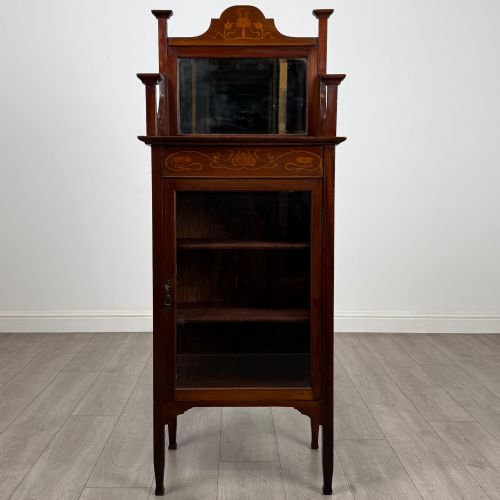
A warm brown curio cabinet holds small treasures behind glass, bringing rich timber tones and refined display space to a room.
Warm Brown Curio Cabinet
A warm brown curio cabinet is built to showcase small possessions while protecting them from dust behind glass panels. These pieces take several forms across the selection, ranging from tall freestanding vitrines to compact table-top boxes.
The assortment on this page draws heavily from Edwardian and later periods, alongside nineteenth-century examples. Mahogany and walnut dominate the timber choices, offering rich brown surfaces that anchor the display.
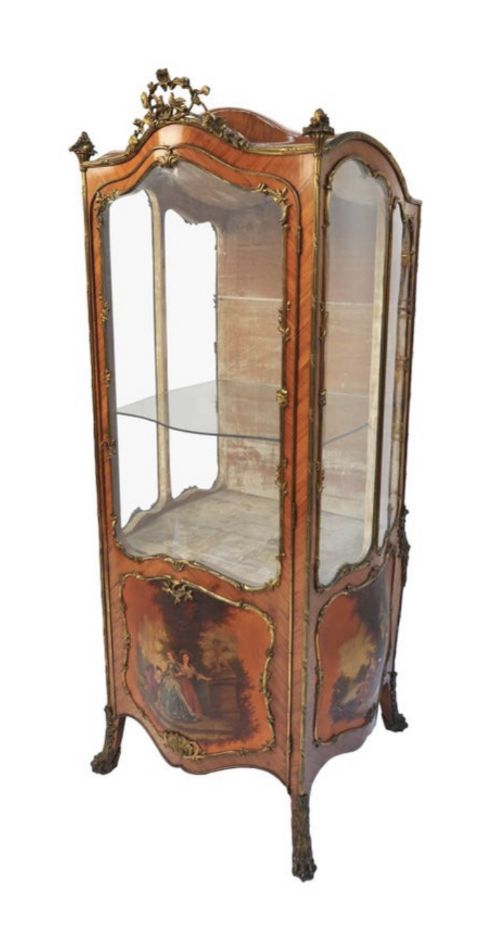
Makers adapted classical vocabulary for these cabinets, resulting in styles that span French Rococo Revival, Art Deco, and Sheraton Revival. Each piece balances functional timber framing with expansive glazing to maximise visibility.
How they were made
Cabinet makers utilised dense hardwoods like mahogany, walnut, and kingwood for the primary structures, often incorporating satinwood stringing and delicate inlay work. These timbers provide the foundational strength needed to support glazed doors and mirrored interiors.
Metal components such as brass hinges, locks, and cast ormolu mounts add structural definition and decorative contrast to the timber. Glass panels are fitted carefully into frames to create secure viewing chambers for precious objects.
Listings feature timbers including mahogany, walnut, and kingwood, paired with glass and brass across various historical periods.
What varies in quality
The standard of a warm brown curio cabinet rests on the precision of its timber selection and joinery. Finer examples display carefully matched grain patterns and crisp inlay work that integrates harmoniously with the primary wood.
Hardware quality further distinguishes the range, with cast ormolu mounts and substantial brass fittings marking superior production. The clarity of the glazing and the condition of interior fabric linings complete the assessment of execution.
The Warm Brown Curio Cabinet Glossary
- Vitrine
- A glass-fronted cabinet designed specifically for displaying fine porcelain, curiosities, or decorative objects. The term originates from the French word for glass.
- Bijouterie cabinet
- A low glazed display case or table built to hold jewellery and small trinkets. These pieces often feature hinged lids or glazed upper sections.
- Ormolu
- Gilt bronze mounts applied to furniture for decorative effect during the eighteenth and nineteenth centuries. The technique involves a mercury amalgam applied to bronze.
- Kingwood
- A dense, heavy timber with rich brown and violet-brown figuring, frequently used as a veneer in fine cabinet making. It gained popularity in elite French workshops.
- Inlay
- A decorative technique where contrasting materials such as satinwood or brass are inserted into recesses cut into the timber surface.
Warm Brown Curio Cabinet: Frequently Asked Questions
What fits inside a curio cabinet?
These cabinets suit collections of small ceramic pieces, glassware, miniatures, and curiosities that benefit from enclosed display. The glass panels keep dust away while allowing an unobstructed view from multiple angles.
Larger floor-standing vitrines accommodate taller objects on internal shelves, whilst compact apothecary boxes and bijouterie pieces hold flat or tiny items.
How do I date a brown cabinet?
Dating relies on identifying the prevailing style, construction methods, and timber treatments evident in the piece. Edwardian items often feature lighter satinwood inlay on mahogany, whereas Art Deco examples display geometric lines in walnut.
Nineteenth-century pieces frequently show heavier classical revival motifs, such as French Rococo or Sheraton influences, reflected in their mountings and proportions.
Where should I place a cabinet?
Position these cabinets away from direct sunlight to protect timber finishes and any internal fabric linings from fading. A stable interior wall with moderate humidity prevents the timber and veneer from shifting.
Ensure the room has sufficient ambient light so the glazed panels can properly reflect and illuminate the contents displayed inside.
How do I care for timber cabinets?
Maintain the timber surface by dusting gently with a dry, soft cloth rather than using silicone-based sprays. Periodic waxing helps nourish hardwood finishes like mahogany and walnut.
Check brass hinges and locks occasionally to ensure they move freely without placing undue stress on the surrounding wood frame.