
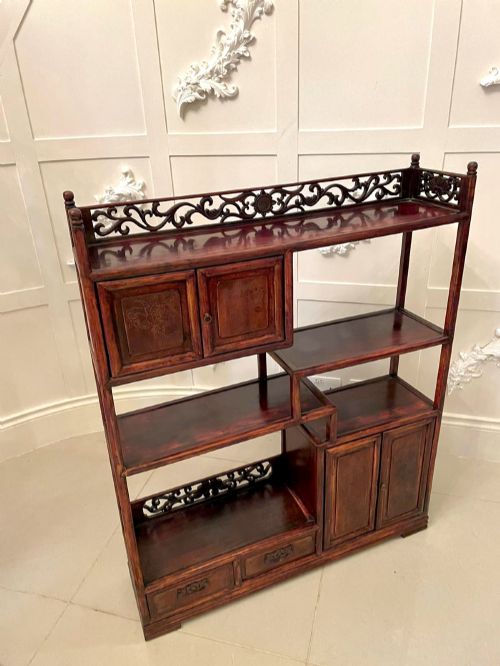
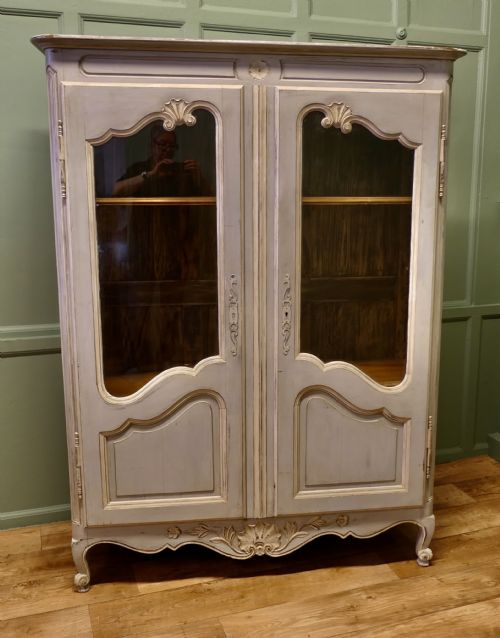
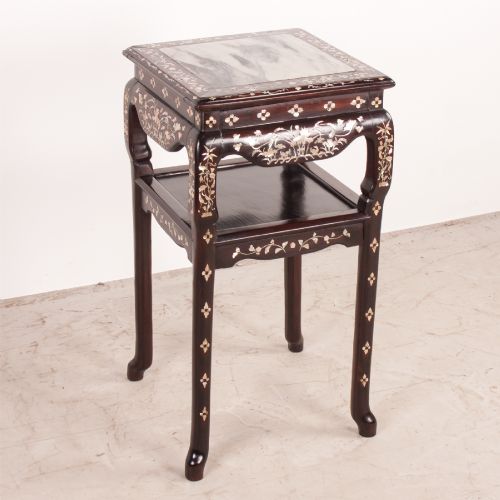
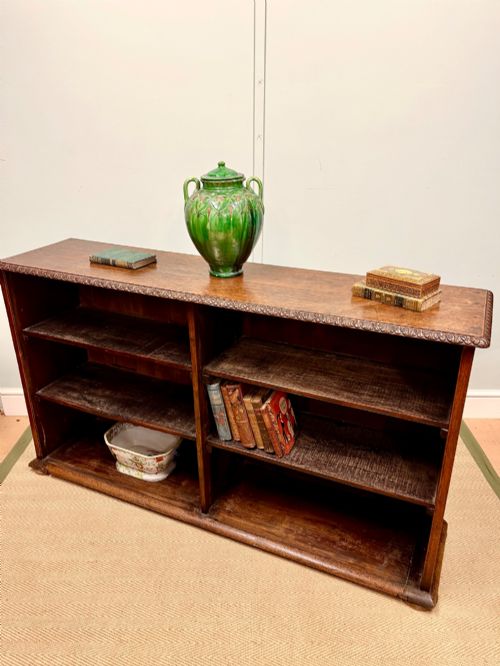
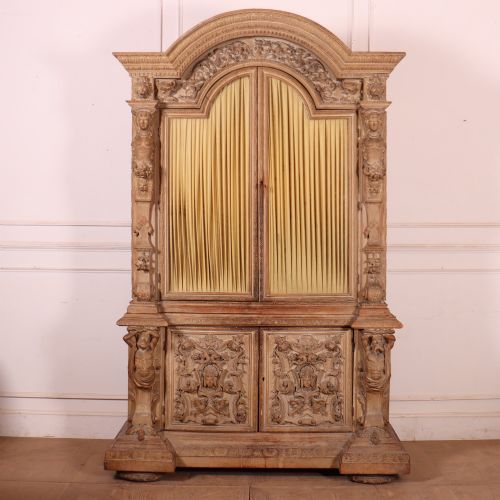


Carved Timber Display Cabinet
A carved timber display cabinet brings sculptural detail and glass-fronted protection to any room.
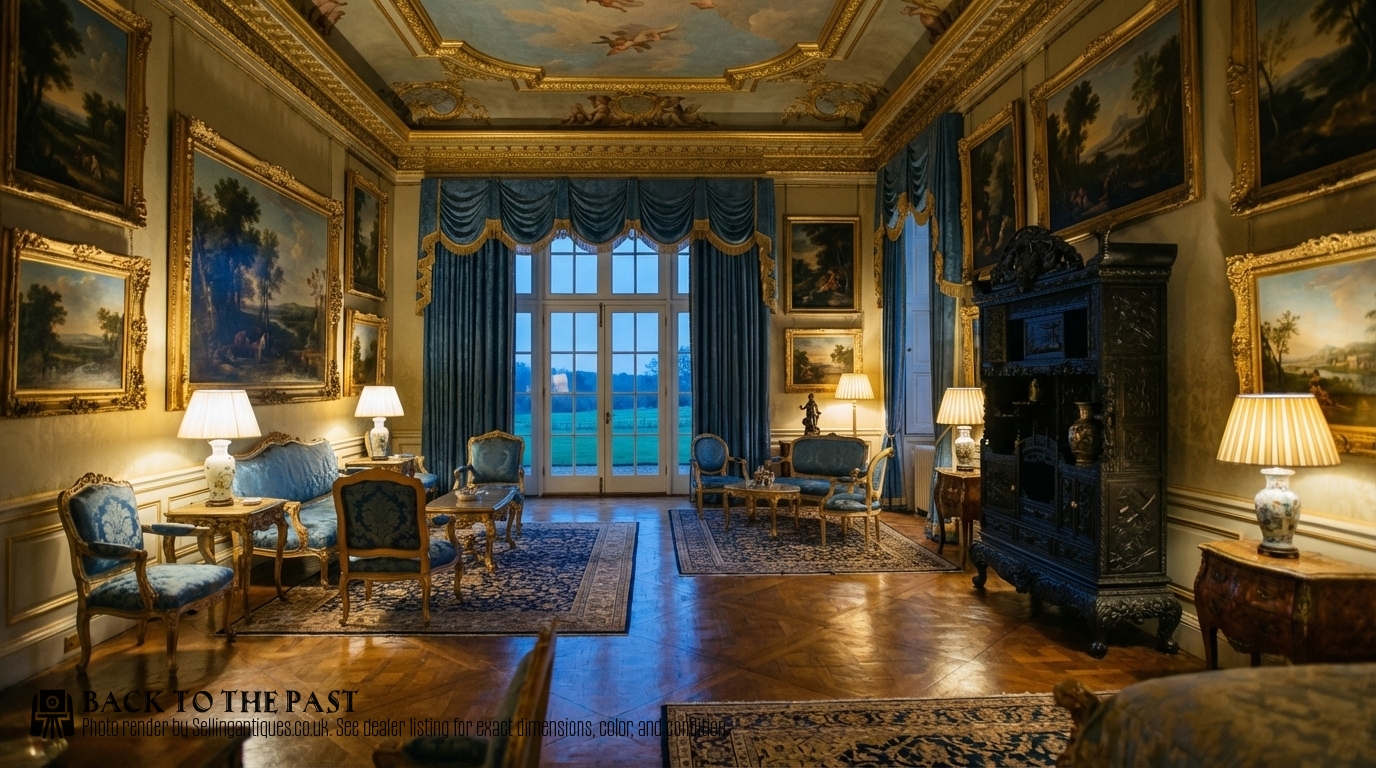
Carved Timber Display Cabinet
A carved timber display cabinet unites timber construction with glazed panels to showcase curated collections. These pieces range from towering nineteenth-century bookcases and vitrines to compact dwarf side-cabinets and shodana cabinets.
The selection encompasses diverse regional traditions, from English Victorian walnut and mahogany to Chinese hardwood, Anglo-Indian forms, and Italian Renaissance Revival designs. Buyers frequently encounter nineteenth-century production alongside earlier or later iterations.
Forms extend beyond traditional display cabinets to incorporate bookcases, vitrines, cupboards, and side-cabinets featuring carved ornamentation. Each variant serves to elevate interiors while housing precious objects securely behind glass.
Materials and construction methods
Construction relies upon dense timbers including mahogany, walnut, rosewood, teak, elm, and zitan, frequently paired with clear glass panels. Artisans shape these materials into robust frames capable of supporting heavy glass doors and shelving.
Decoration involves elaborate manual carving, relief work, and occasional inlay such as mother-of-pearl or boxwood. Workshops utilise traditional joinery techniques to assemble complex cabinetry that endures across centuries.
Materials documented across the available pieces include mahogany, walnut, rosewood, teak, elm, zitan, brass, marble, and glass.
Distinctions in craftsmanship and design
Quality reveals itself in the crispness and depth of the timber carving, where confident hand-chiseled relief separates superior workshops from routine production. The choice of dense hardwoods like rosewood or zitan indicates a higher tier of manufacture.
Proportion and structural integrity distinguish exceptional examples, ensuring that glazed doors hang true and internal shelving bears weight without sag. The integration of fine details, such as specialised joinery or complementary secondary timbers, elevates the overall standard.
Gillows
The Carved Timber Display Cabinet Glossary
- Vitrine
- A glass-fronted cabinet designed specifically for displaying porcelain, curiosities, and fine objects. These pieces prioritise visibility through large glazed door panels.
- Shodana
- A traditional Japanese display cabinet featuring asymmetric shelving, cupboards, and sliding doors. Artisans frequently decorate these forms with intricate carved motifs.
- Zitan
- A dense, heavy Asian hardwood prized by master cabinetmakers for its dark colour and fine grain. This material takes crisp, detailed carving exceptionally well.
- Chiffonier
- A low sideboard or cabinet developed during the nineteenth century, often equipped with enclosed cupboards and a raised upper shelf. They provide practical storage alongside display surfaces.
- Bookcase
- A piece of furniture fitted with horizontal shelves for storing books, sometimes enclosed by glazed doors to protect volumes from dust.
Carved Timber Display Cabinet: Frequently Asked Questions
What is a shodana cabinet?
A shodana is a Japanese display cabinet featuring asymmetrical shelving and compartments designed for ornaments. These pieces highlight intricate carving and fine joinery.
They emerged during the Meiji and Taisho periods, offering distinct visual complexity compared to Western cabinetry.
How do I clean timber and glass?
Dust timber surfaces gently with a dry, soft cloth to protect the polished finish and carved details. Avoid modern chemical sprays that can degrade historic polish.
Use a mild glass cleaner applied to a cloth rather than directly onto the glass, preventing moisture seepage into the surrounding wood frame.
Where should I place a display cabinet?
Position your cabinet away from direct sunlight to prevent the timber from fading and the internal contents from bleaching. Stable room temperatures protect the joints and prevent wood shrinkage.
Ensure the floor is level so the glazed doors open smoothly without binding against the frame.
How do I distinguish Victorian from earlier pieces?
Victorian pieces often display heavier proportions and machine-assisted joinery alongside hand carving, reflecting industrial production methods. Earlier eighteenth-century examples rely entirely on manual joinery.
Examining secondary timbers and backboards helps reveal the chronological origins of the construction.