


Antique Ebonised Dresser
An antique ebonised dresser or related storage piece brings striking dark surfaces and period form into a room.
Antique Ebonised Dresser
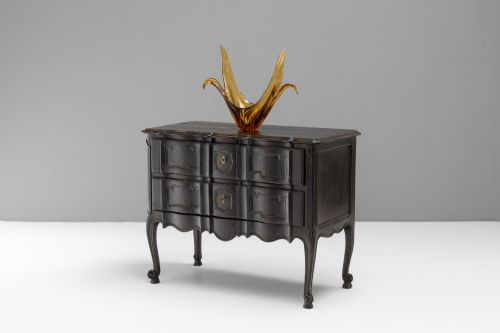
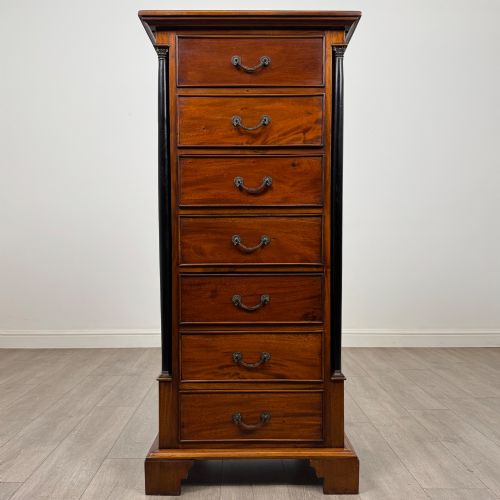
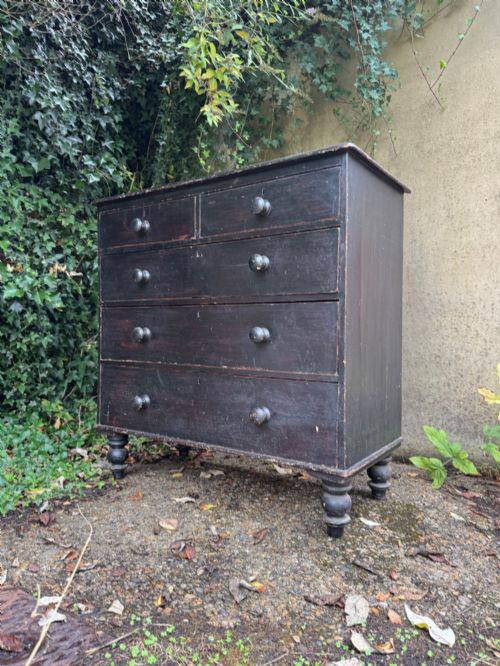
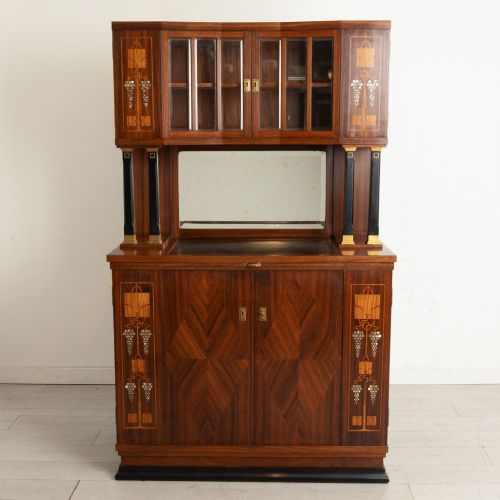
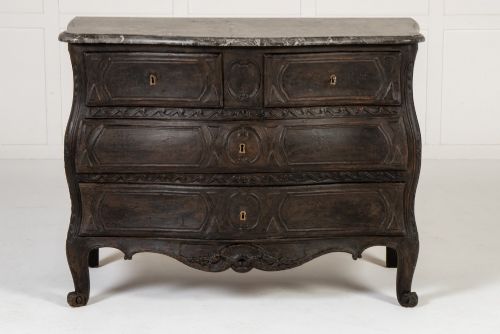
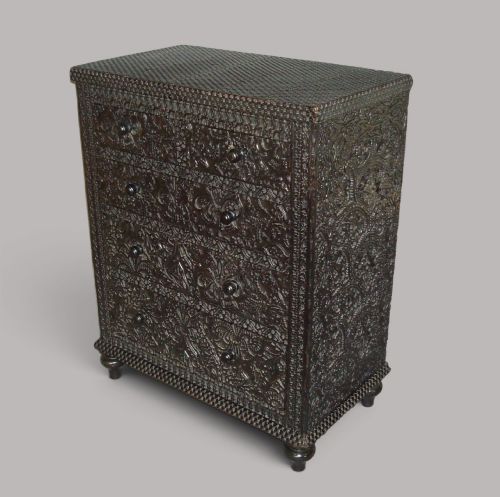
When you search for an antique ebonised dresser, you encounter dark-stained or blackened wooden furniture spanning the eighteenth, nineteenth, and early twentieth centuries. The selection encompasses chests of drawers, commodes, and sideboards executed in styles ranging from Regency and French bombe to Aesthetic Movement and Biedermeier.
The pieces appearing on this page include walnut, mahogany, pine, and birch bodies treated with ebonisation to imitate ebony. Formats vary from small provincial chests and narrow drawers to marble-topped commodes and display cabinets.
Materials and construction
Cabinetmakers utilised dense hardwoods and secondary timbers such as pine and mahogany, applying ebonised finishes to achieve a uniform black lustre. Surface treatments often combined with brass hardware, marble tops, and metal mounts.
Joinery techniques reflect the specific period of manufacture, from eighteenth-century dovetailing to nineteenth-century framing methods. The application of the dark finish required careful preparation of the timber substrate to ensure an even tone.
Materials recorded across the inventory include ebonised wood, walnut, mahogany, marble, brass, and pine.
Distinguishing quality across pieces
The standard of a piece rests upon the crispness of its ebonised finish and the integrity of the underlying timber. Superior examples display refined proportions, intact decorative hardware, and well-executed joinery.
Pieces featuring secondary materials like marble or brass mounts demonstrate greater ambition in design. The depth of the dark surface and the preservation of the original wood grain beneath indicate the level of craftsmanship.
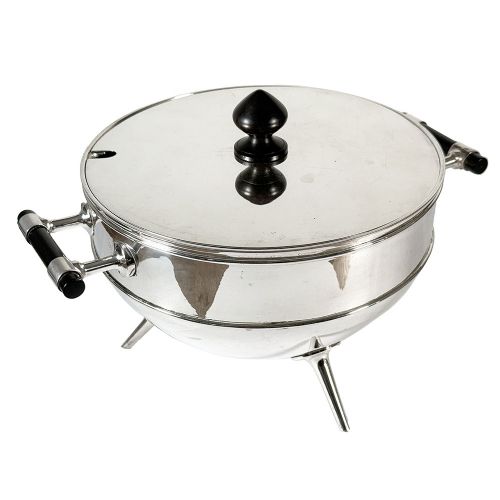
August Ungethüm·Christopher Dresser·Hukin & Heath
The Antique Ebonised Dresser Glossary
- Ebonised wood
- Timber treated with stain, paint, or chemical processes to simulate expensive ebony. This finish gained popularity during various nineteenth-century revival periods.
- Bombe commode
- A chest of drawers featuring outward-curving convex fronts and sides. Originating in France, this silhouette requires advanced woodworking skill.
- Aesthetic Movement
- A late nineteenth-century design style emphasising visual beauty over narrative content. Furniture from this movement often employs ebonised finishes influenced by Japanese art.
- Biedermeier
- A central European style dating from the early to mid-nineteenth century. It prioritises utilitarian comfort and clean lines over excessive ornamentation.
- Regency
- An English design period spanning the early nineteenth century. Pieces from this era frequently incorporate classical motifs and dark finishes.
Antique Ebonised Dresser: Frequently Asked Questions
What is an ebonised finish?
An ebonised finish is a dark treatment applied to wood to make it resemble solid ebony. Cabinetmakers used stains and polished coatings to achieve this dramatic black appearance.
This technique was particularly favoured during the nineteenth century for furniture influenced by Asian design or classical revivals.
How do I clean ebonised wood?
Clean ebonised surfaces with a soft, dry cloth to remove dust. Avoid harsh chemical cleaners or excessive moisture that might damage the dark finish.
Applying a suitable wax occasionally helps protect the surface and maintain the sheen of the blackened wood.
Where should I place a dark chest?
These dark storage pieces work well against lighter walls to create strong visual contrast in a room. They suit both traditional hallways and contemporary living spaces as focal points.
Ensure the piece is placed away from direct sunlight to prevent the ebonised finish and timber from fading over time.
How do I date these pieces?
Dating relies on examining the construction methods, drawer dovetails, and secondary woods used inside the piece. Stylistic markers such as brass hardware and overall proportions also indicate the period of manufacture.
Comparing the decorative style to known design movements helps narrow down the decade in which the furniture was made.