




Canvas Coastal Artwork
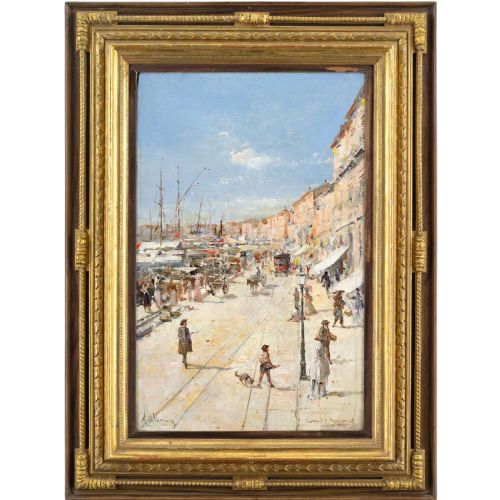
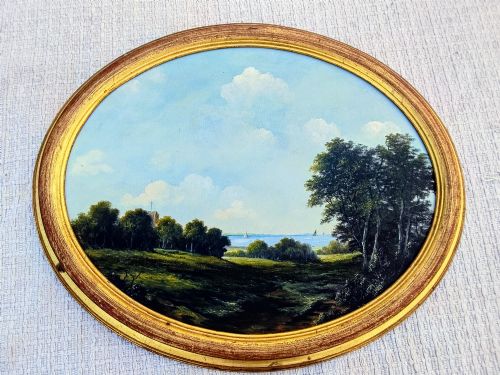
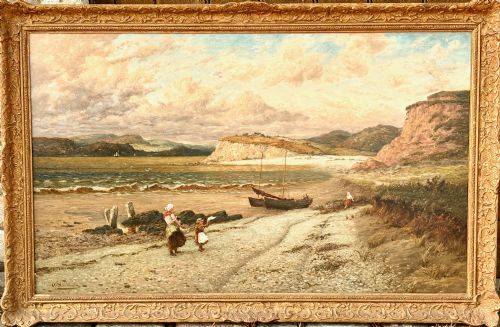
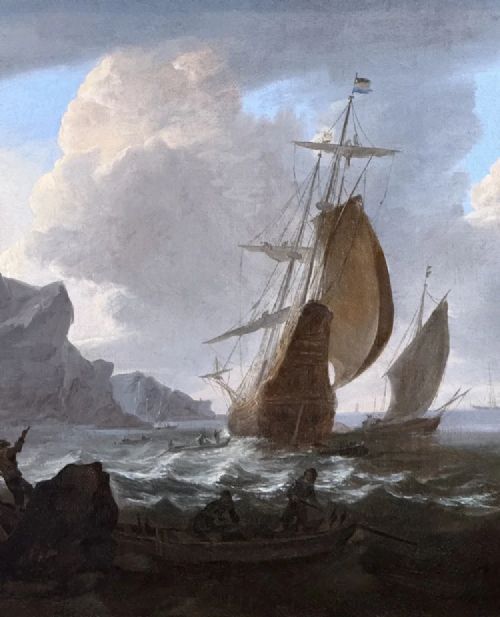
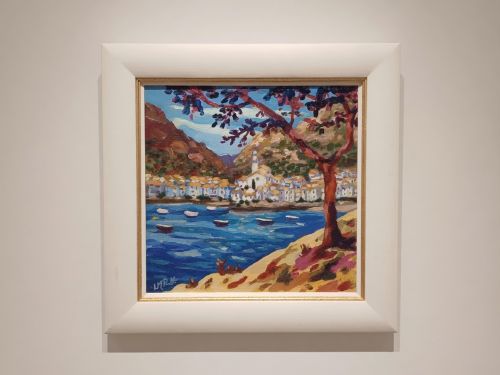
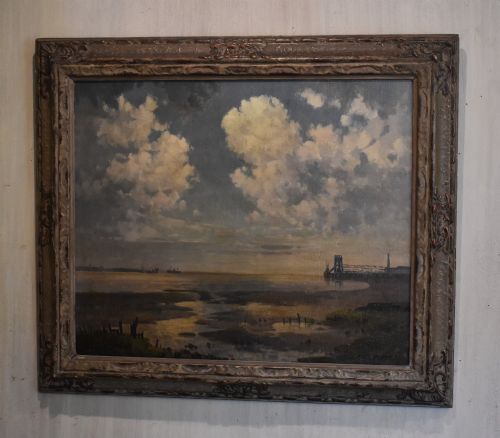
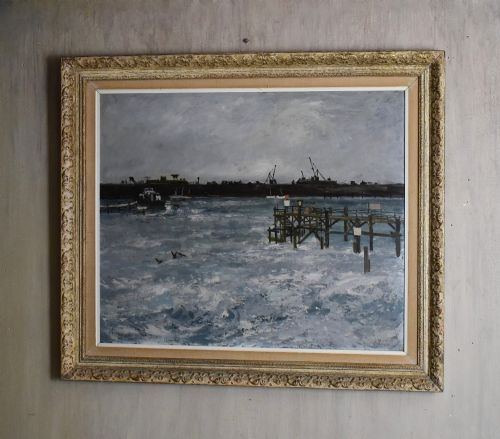
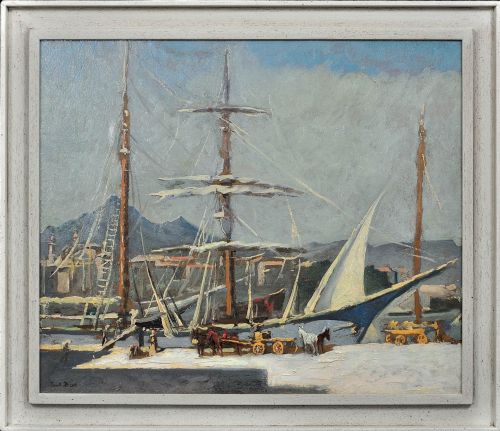
When you search for canvas coastal artwork, you find oil paintings capturing marine scenes and seaside views across multiple periods.
Canvas Coastal Artwork
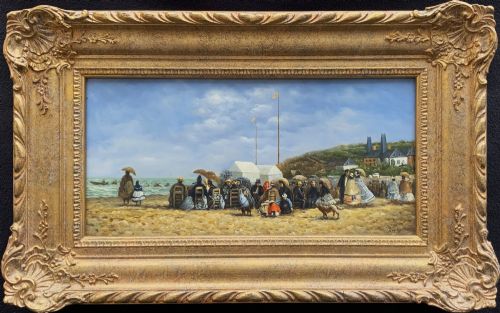
The canvas coastal artwork available on this page spans from the nineteenth century through the mid twentieth century, encompassing various interpretations of maritime life and shorelines. These pieces range from detailed Victorian harbour scenes to impressionistic coastal vistas painted by British and European artists.
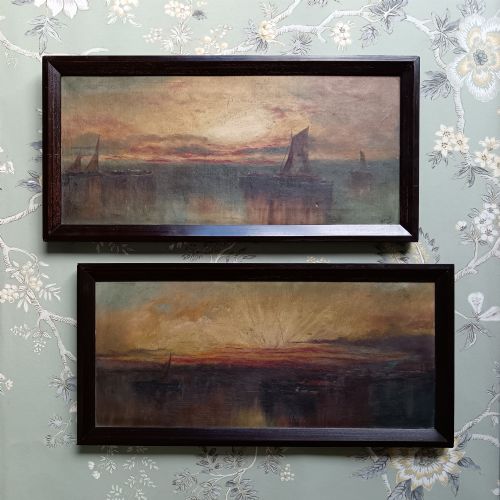
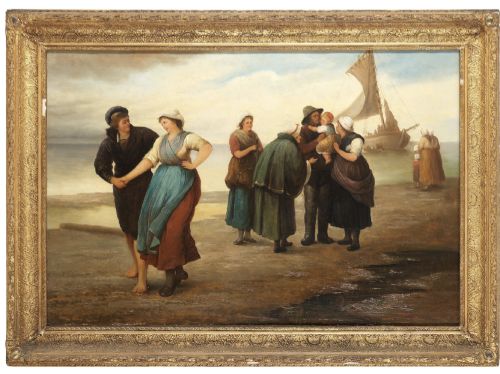
Buyers encounter works executed in oil paint on canvas, sometimes housed in original giltwood frames that reflect the aesthetic of their period. Subjects include rocky seascapes, fishing boats off the coast, and tranquil beach gatherings recorded by named painters and regional schools.
Materials and methods
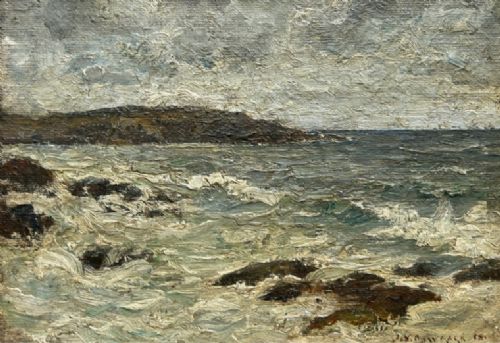
These works are created primarily using oil paint applied to woven canvas supports stretched over wooden frames, occasionally utilising board as a base. Artists built up textures through layered brushwork and impasto techniques to capture the movement of waves and atmospheric coastal light.
Many of the older canvases are preserved within carved and gilt wood frames that complement the maritime subject matter. The physical construction relies on traditional stretcher frames and linen or cotton canvas grounds primed for oil media.
Listings feature oil paint on canvas and wood across periods from the nineteenth century to 1960.
Distinctions in quality
Quality in these maritime paintings rests upon the artist's handling of light, atmosphere, and spatial depth within the coastal setting. Superior examples demonstrate confident brushwork and accurate observation of marine conditions rather than formulaic execution.
The integrity of the canvas support and the preservation of the original pigment layer contribute significantly to the standing of a piece. Furthermore, works retaining their period giltwood frames often present a more complete historical object.
Clifford Hanney·Peter Brannan·Donald McIntyre·Abraham Hulk I·John Wilson Carmichael
The Canvas Coastal Artwork Glossary
- Impasto
- A technique where paint is laid on an area of the surface in very thick layers, usually thick enough that the brush or painting-knife strokes are visible. This method adds tactile three-dimensional qualities to crashing waves and textured cliffs.
- Giltwood
- Wood that has been treated with gold leaf or a gold-coloured finish. This material is commonly found on the decorative frames enclosing nineteenth-century marine paintings.
- Maritime
- Relating to the sea, ships, or seafaring activity. It defines the primary subject matter depicted across these coastal landscapes and harbour scenes.
- Post-Impressionism
- A predominantly French art movement that developed from about 1886 to 1905, leading out of impressionism. Artists working in this style explored vivid colours and distinct brushstrokes in seaside settings.
Canvas Coastal Artwork: Frequently Asked Questions
What periods do these paintings cover?
The selection spans from the nineteenth century through the mid twentieth century. Pieces reflect various historical aesthetics from Victorian maritime traditions to mid-century impressionism.
Specific decades represented include the 1860s, 1900s, 1920s, and 1950s. Each era brings distinct stylistic approaches to depicting the sea and shore.
How do I identify the framing style?
Many works retain their original giltwood or carved wooden frames characteristic of their period of creation. These frames often provide clues regarding the age and origin of the artwork.
Examining the corner construction and the backing materials helps determine whether a frame is contemporaneous with the canvas.
Where were these coastal scenes painted?
The locations depicted include British coastal spots such as St Ives, Morecambe Bay, and the Isle of Man. European harbours in France, Italy, and Sicily also feature prominently.
Artists frequently travelled to working ports and fishing villages to record maritime activity directly from life.
How should I care for oil paintings on canvas?
Keep paintings away from direct sunlight and fluctuating humidity to protect the oil paint and canvas support. Gentle dusting with a soft, dry brush maintains the surface without disturbing the pigment.
Avoid using liquid cleaners on the canvas or the giltwood frame. Professional conservation should be sought for any structural repairs.