
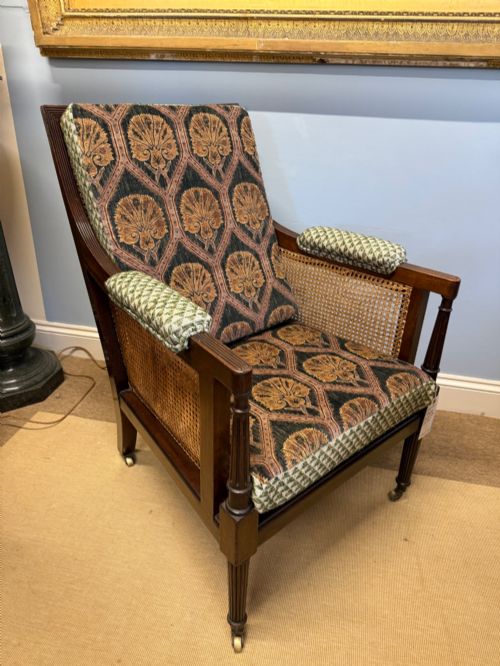
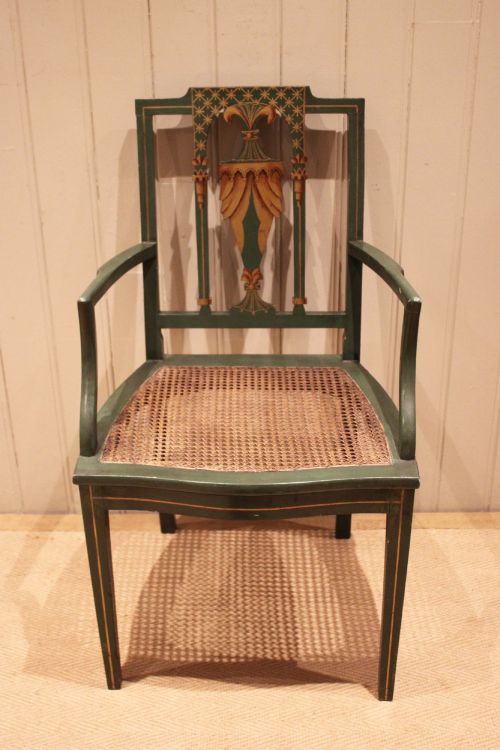
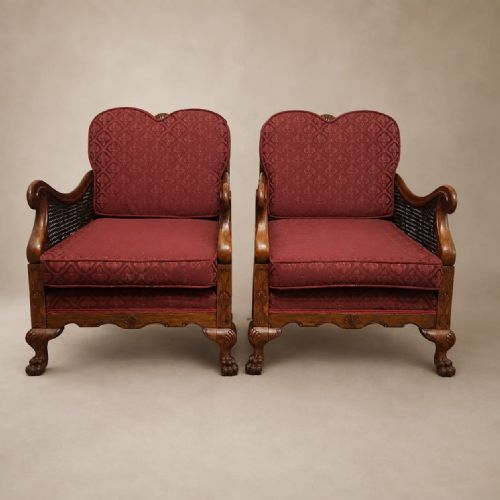
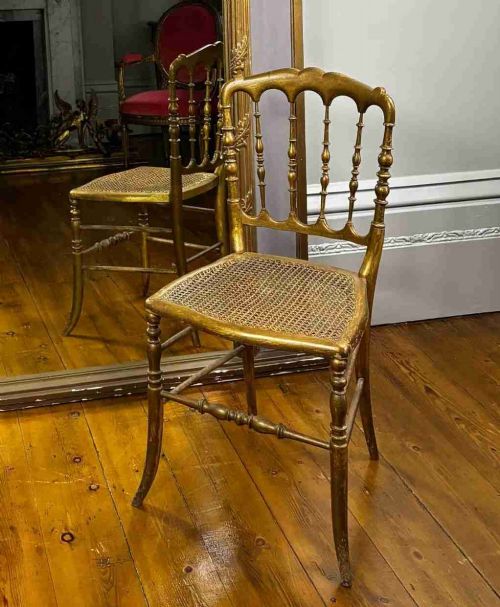
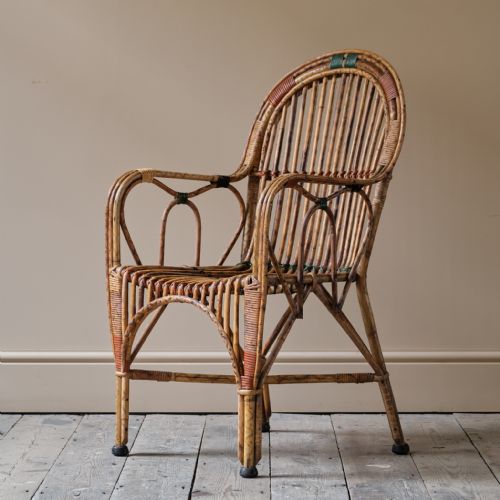
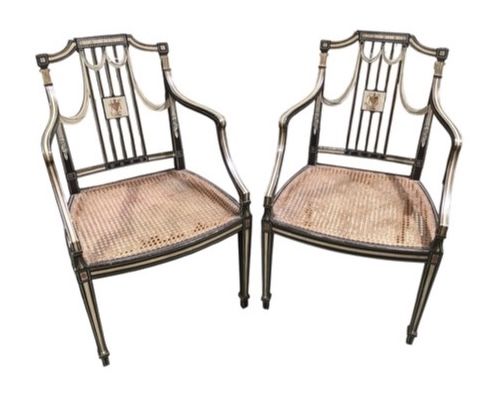
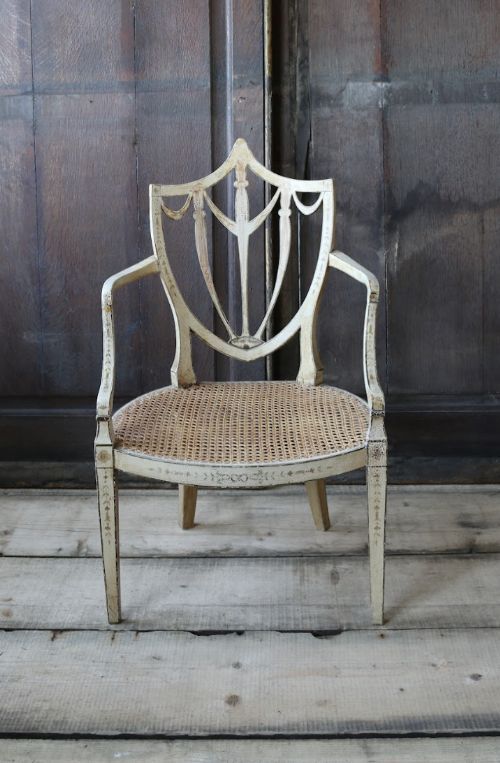

Caned Seat Accent Chair
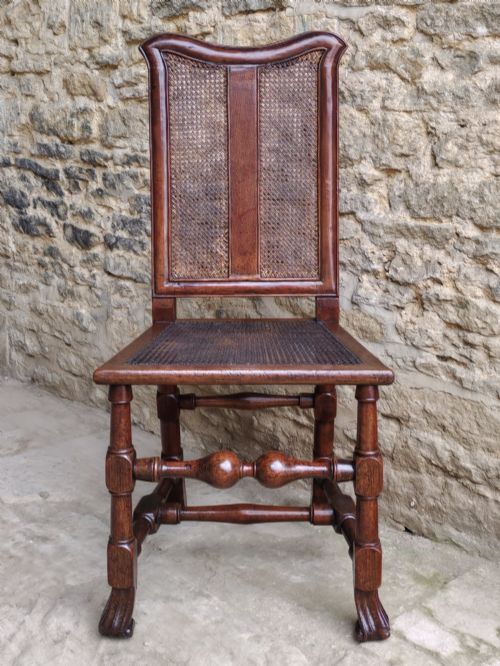
A caned seat accent chair brings open rattan work and timber framing together to offer a light, decorative seat for a room.
Caned Seat Accent Chair
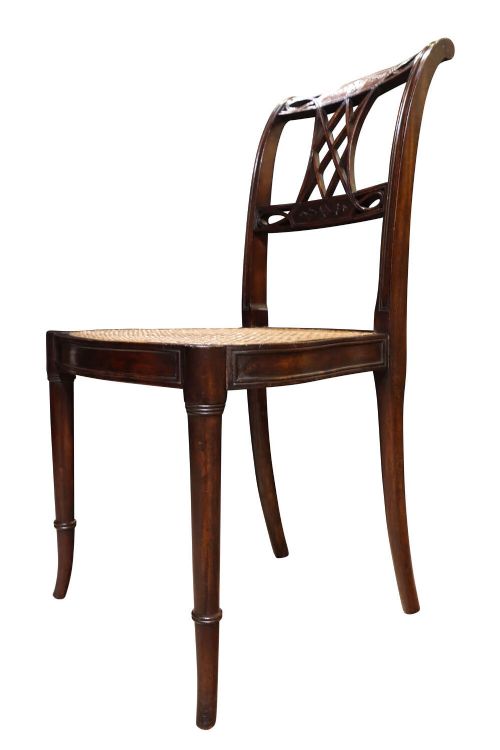
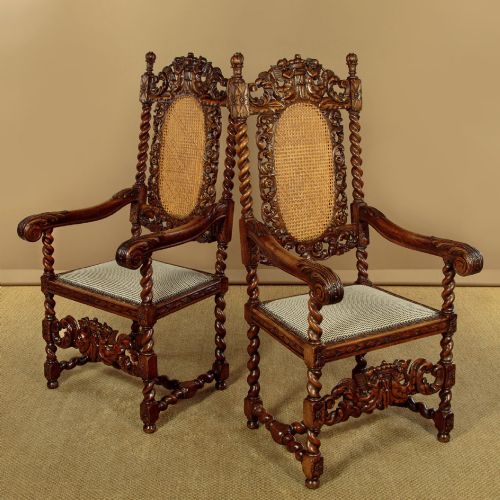
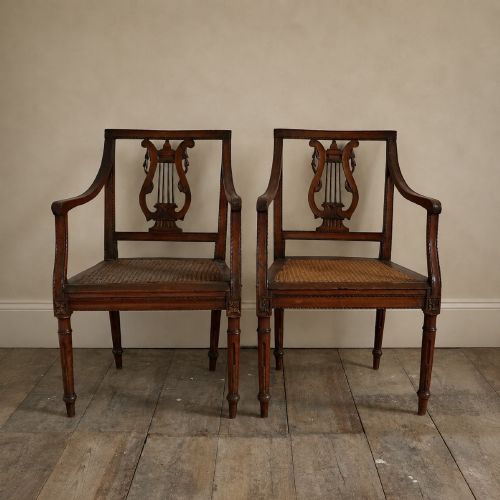
A caned seat accent chair appears in various forms across centuries, including side chairs, armchairs, bergères, and salon seats.
The selections span the 17th century through the 1920s, showing revived tastes like William and Mary alongside Regency and Edwardian pieces.
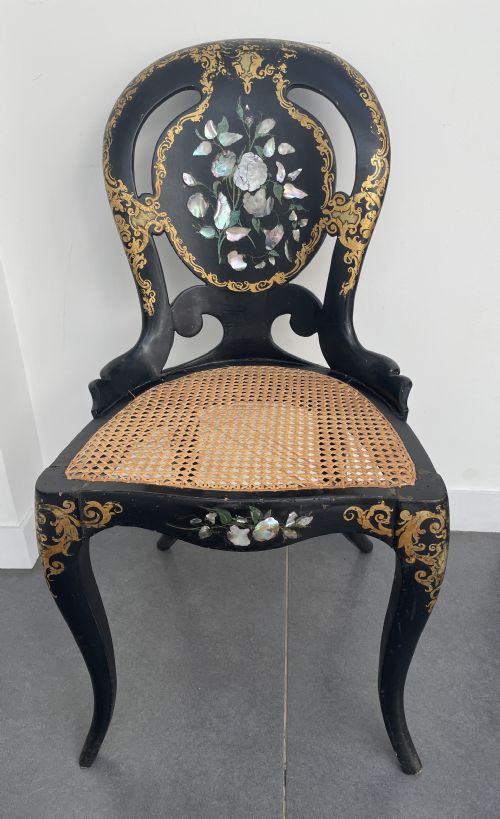
Makers utilised woods such as mahogany, walnut, oak, and satinwood alongside painted or gilded finishes to shape these occasional seats.
Materials and construction
Framing timbers like walnut, mahogany, and oak provide structural support, frequently shaped with turned legs, carved details, or parcel gilt highlights.
Cane and rattan weave through seat rails or back frames to create a resilient, breathable mesh surface.
Additional elements such as brass, mother of pearl inlay, and fabric cushions integrate with the timber and woven panels.
The documented periods span from the 17th century through the early 20th century, encompassing revival styles like Carolean and Regency.
Craft and finish
The refinement of the timber carving and the tightness of the woven cane distinguish simpler utilitarian examples from more ambitious salon pieces.
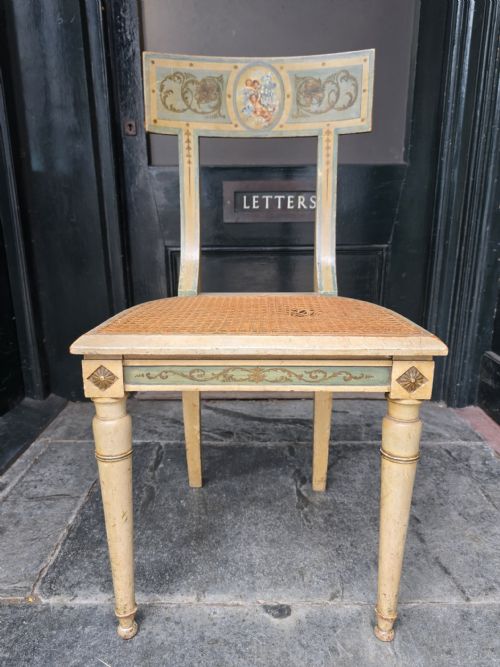
Original surface treatments, such as early paint, faux rosewood, or gilding, elevate the integrity of a piece compared to later surface alterations.
Waring & Gillow
The Caned Seat Accent Chair Glossary
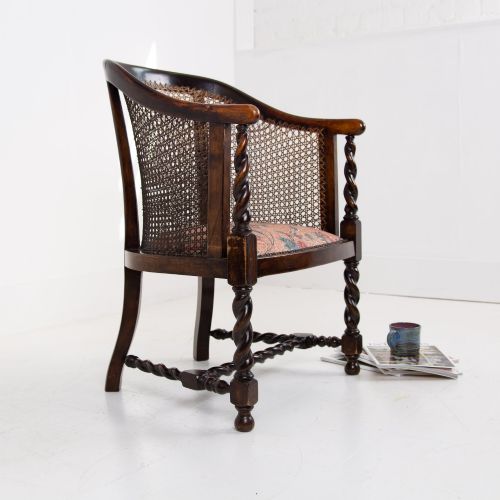
- Bergère
- An upholstered armchair with enclosed sides, frequently featuring woven cane panels on the back and arms. This French form provides a deep, comfortable seat.
- Caning
- The woven mesh material made from rattan palm strips utilised for seats and backs. It offers flexibility and airflow.
- Klismos
- An ancient Greek chair design characterised by curved, concave legs and a sweeping backrest. Revival versions adapt this classical silhouette for 19th-century interiors.
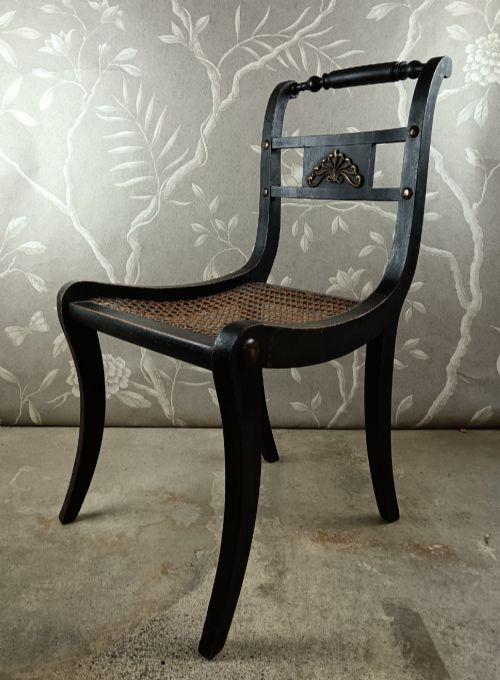
- Sabre leg
- A gently curved, outward-swooping furniture leg resembling a cavalry sword. This profile appears frequently on Regency seating.
- Trafalgar
- A British furniture style associated with the early 19th century, often featuring ebonised finishes and classical mounts. Pieces in this taste celebrate naval victories of the period.
Caned Seat Accent Chair: Frequently Asked Questions
What is a caned seat accent chair?
A caned seat accent chair is a movable timber seat featuring a woven rattan panel in the frame.
These pieces function as decorative items in bedrooms, hallways, and drawing rooms across multiple historic periods.
How do I care for antique cane?
Antique cane requires gentle cleaning with a slightly damp cloth to prevent the natural fibres from drying out and snapping.
Keeping the chairs away from direct heat sources helps preserve the elasticity of the woven rattan over time.
Are these chairs comfortable to sit in?
The woven cane surface offers natural give and spring, providing a supportive seat for occasional use.
Many period bergères and armchairs also accommodate loose cushions for added padding.
How do I date a caned chair?
Dating relies on identifying the underlying timber species, the turning or carving style of the legs, and the assembly methods.
Stylistic cues such as Regency sabre legs or Edwardian inlaid mahogany provide clear chronological markers.