
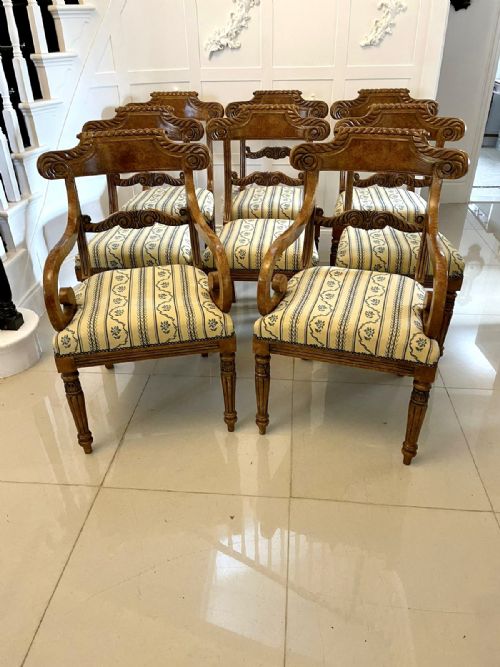


Georgian Painted Carver Chair
A georgian painted carver chair brings vibrant colour and classic craftsmanship into a room, offering both historical character and comfortable seating.
Georgian Painted Carver Chair
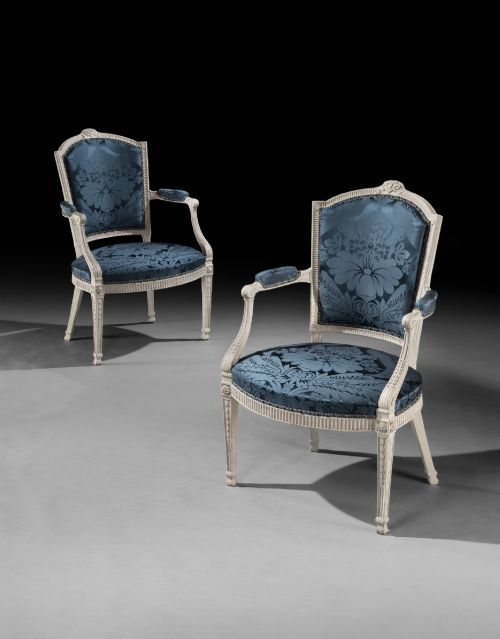
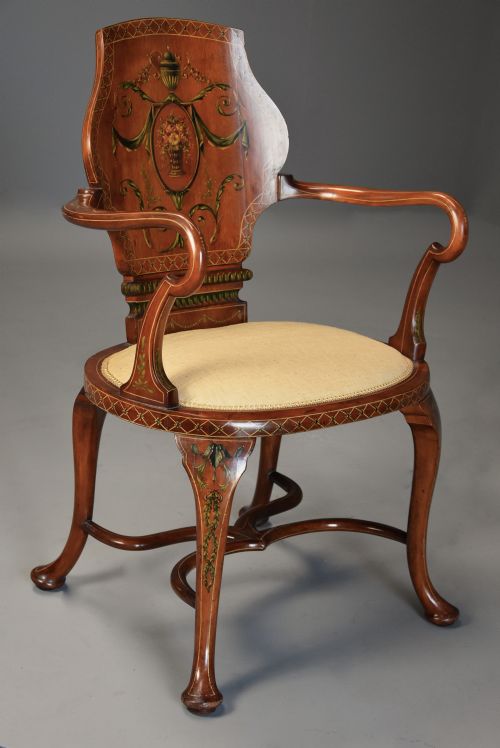
A georgian painted carver chair is an armchair featuring decorative painted surfaces, originating primarily from the eighteenth century and later revival periods.
You will encounter pieces ranging from authentic eighteenth-century George III designs to later Edwardian and Victorian interpretations influenced by earlier styles.
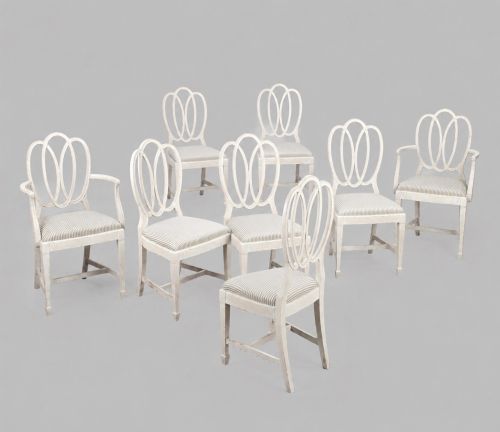
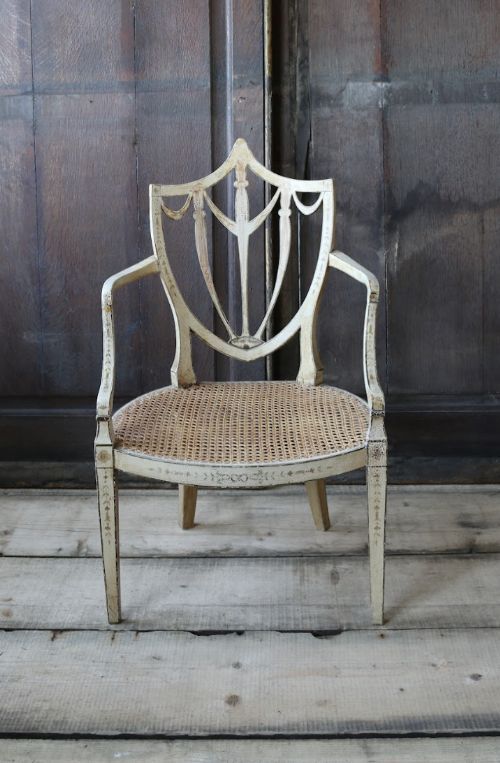
These items typically function as desk chairs, dining chairs, or occasional armchairs, often incorporating distinctive elements like shield backs, ladder backs, or caned seating.
Materials and Construction
These chairs are constructed from various timbers including mahogany, ash, and satinwood, frequently finished with paint, polychrome decoration, or parcel gilt details.
Seating areas often utilise materials such as cane, rush, or upholstered fabric to complement the wooden frames.
Construction techniques include traditional joinery combined with detailed surface decoration like japanning or faux bird's-eye maple effects.
Design styles represented include George III neoclassical, Regency, Hepplewhite, and vernacular country traditions.
Assessing Quality and Execution
Quality reveals itself in the crispness of the painted decoration and the finesse of the underlying woodwork, from simple vernacular forms to refined neoclassical designs.
The integrity of the original paint layer and surface finish distinguishes superior examples from pieces with later or heavy-handed overpainting.
Proportion, structural sturdiness, and the subtlety of decorative flourishes such as block feet or floral motifs separate standard pieces from exceptional ones.
Gillows
The Georgian Painted Carver Chair Glossary
- George III
- A period of British design spanning the latter half of the eighteenth century. It encompasses refined classical styles associated with makers like Hepplewhite and Sheraton.
- Bergere
- An enclosed upholstered armchair with a wooden frame. The sides and back are frequently caned for a lighter appearance.
- Parcel gilt
- A decorative technique where specific carved or raised details are highlighted with gold leaf. This contrasts with the primary painted or polished wood surface.
- Japanning
- A European imitation of East Asian lacquerwork. It involves layered varnishes and decorative motifs applied to furniture surfaces.
Georgian Painted Carver Chair: Frequently Asked Questions
Where should I place a painted carver chair?
These chairs work well as standalone accent pieces in a hallway or bedroom, or as a desk chair in a study. Their decorative painted surfaces also allow them to sit effectively at the head of a dining table.
Because they combine structural woodwork with artistic finishes, placing them away from direct heat sources helps preserve the paint and timber.
How do I distinguish an original Georgian piece from a later copy?
Examine the timber, construction joints, and the wear patterns on the painted surface to understand the age of the piece. Eighteenth-century examples often display hand-cut joinery and authentic patina developed over centuries.
Later Edwardian or Victorian revivals usually feature cleaner interior construction and different ageing characteristics in the paint layers.
What maintenance do painted wooden chairs require?
Dusting the surface regularly with a soft, dry cloth prevents the accumulation of dirt that can dull painted and gilt details. Avoid using harsh chemical cleaners or abrasive polishes that might damage the historic finish.
Maintaining stable room humidity protects both the underlying wood from splitting and the painted decoration from flaking.
Can these chairs be used for daily seating?
Most antique carver chairs remain structurally sound for everyday use, provided the joints are secure and the seating material is intact. Caned and rushed seats offer resilient support while maintaining a traditional aesthetic.
Checking the stability of the arm supports and legs ensures the chair can safely accommodate regular sitting.