





Camphorwood Blanket Chest
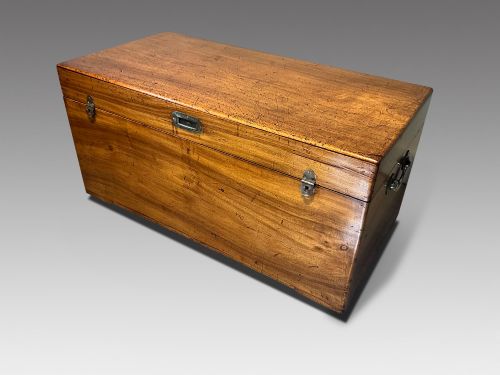
A camphorwood blanket chest brings distinctive aromatic timber and rugged hardware into a room, serving as both practical storage and historic furniture.
Camphorwood Blanket Chest
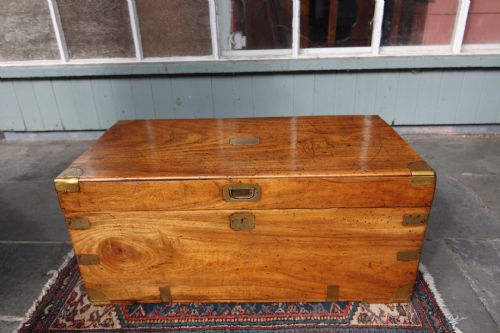
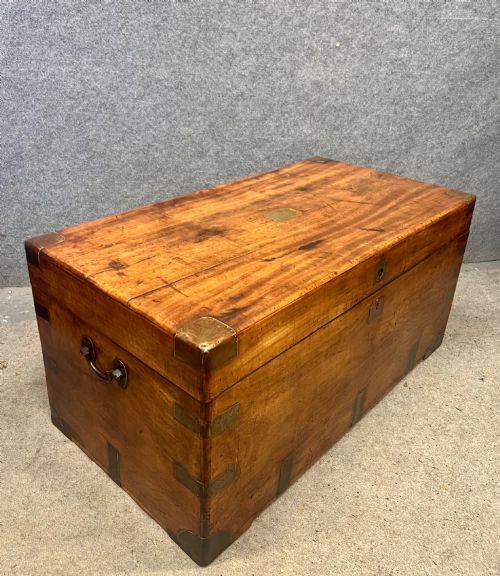
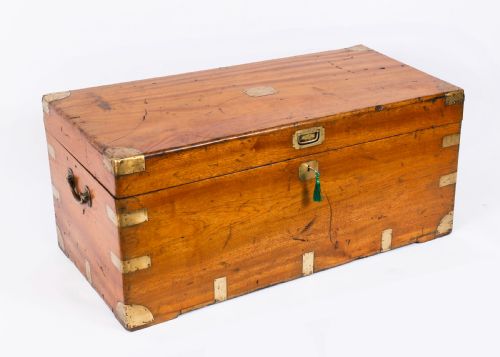
A camphorwood blanket chest is a sturdy storage box designed to hold textiles, blankets and personal possessions securely. Buyers searching for a camphorwood blanket chest encounter robust trunks and coffers spanning the nineteenth century, Victorian era and Georgian periods.
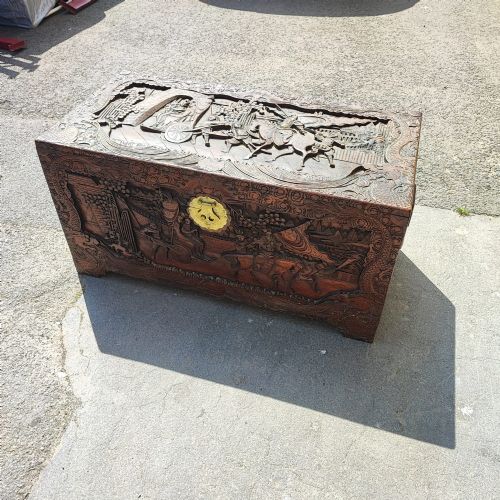
The pieces appearing most frequently on this page include military campaign trunks and Chinese export chests. These range from plain brass-bound sea chests to richly carved oriental storage boxes made for travel and trade.
Makers and workshops constructed these chests for utility during transit, which explains the presence of recessed brass handles and reinforced corners. Today, collectors utilise them as coffee tables, blanket boxes and deep storage furniture in modern interiors.
Materials and construction methods
Carpenters utilised solid camphorwood for its natural insect-repellent properties and distinct fragrance, pairing the timber with durable secondary woods like teak or ebony. The dense grain resists warping, making the wood ideal for long sea voyages and tropical climates.
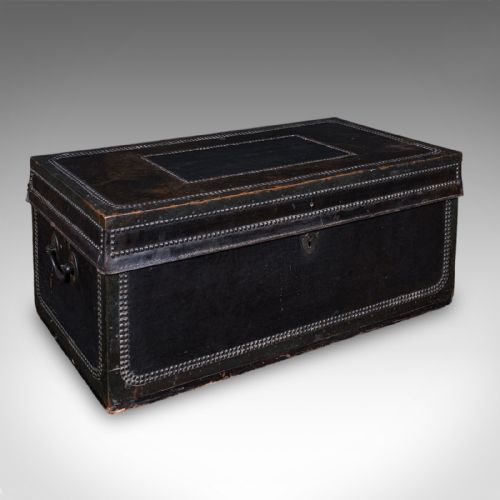
Metalwork played a critical structural role, with smiths applying brass corners, iron straps and rope handles to protect the edges during military campaigns and trade missions. Leather covers and painted finishes also appear on specific export pieces from China.
Joinery focused on strength, employing heavy dovetail joints and sturdy timber panels to withstand the rigours of transport. Brass bound fittings were screwed firmly into the wood to secure the lid and base under heavy use.
Listings on this site include pieces from the Georgian, Victorian, and nineteenth century periods, constructed from camphorwood, brass, teak, and leather.
Factors that distinguish the work
The standard of carving and the crispness of the brass hardware separate ordinary utility trunks from finer export pieces. Deeply carved oriental foliage and crisp brass bound corners indicate skilled workshop production rather than utilitarian manufacture.
Condition of the original timber and hardware dictates the character of the piece. Chests retaining their original recessed brass handles, leather straps and working locks demonstrate greater integrity than those with replaced fittings.
The Camphorwood Blanket Chest Glossary
- Campaign trunk
- A portable chest built in sections with recessed handles and reinforced corners for military officers on the move. These pieces were designed to withstand frequent dismantling and rough transport.
- Brass bound
- Furniture edged or cornered with brass strapping to protect the wood from impact. This metalwork is typical of nineteenth century campaign and sea chests.
- Coffer
- A large wooden chest traditionally used for storing valuables, linens or documents. They often feature heavy lids and robust locking mechanisms.
- Anglo Indian
- Furniture made in India by native craftsmen using British military and domestic forms. These items frequently combine local hardwoods like teak and camphor with traditional European designs.
- Chinese export
- Goods manufactured in China specifically for Western markets during the eighteenth and nineteenth centuries. These pieces blend traditional Chinese joinery with styles requested by foreign traders.
Camphorwood Blanket Chest: Frequently Asked Questions
What is a camphorwood blanket chest?
A camphorwood blanket chest is a large storage box made from aromatic camphor timber, historically used for protecting garments from moths and dampness during travel.
These pieces range from plain nineteenth century military campaign trunks with brass fittings to elaborately carved Chinese export chests.
How do I use one at home?
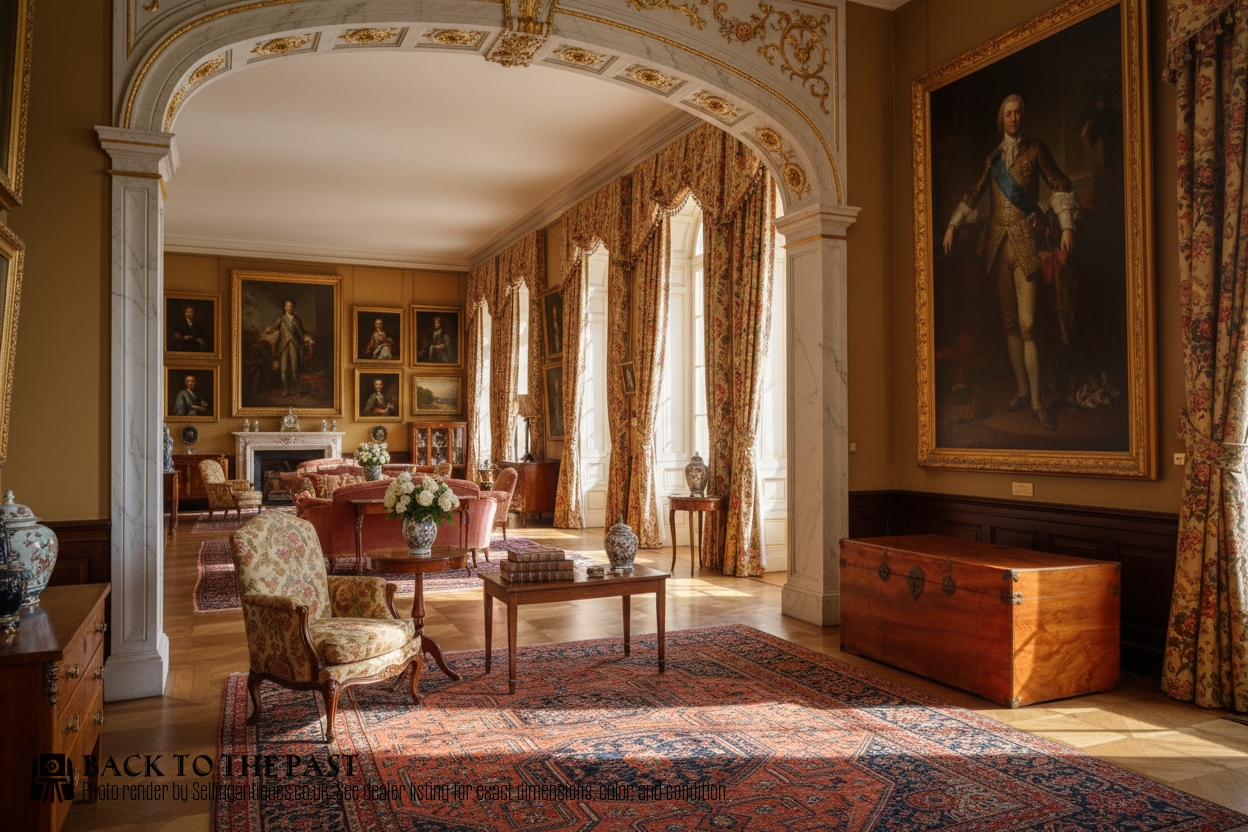
You can utilise a camphorwood chest at the foot of a bed for linens, or position it in a living room to function as a low coffee table with internal storage.
The natural fragrance keeps stored blankets and woollens fresh while the sturdy lid provides a stable surface for everyday objects.
How do I date a camphorwood chest?
Dating relies on examining the hardware, construction methods and stylistic clues such as brass bound corners and recessed military handles.
Georgian and Victorian examples typically display hand-dovetailed joints and heavy brass strapping, whereas early twentieth century pieces often feature deep oriental carving.
Why do these chests smell strongly?
The distinct aroma comes from the natural oils present within the camphor timber itself, which protects the wood from insects and decay.
This scent remains active for generations and serves as a primary characteristic of authentic chests.