
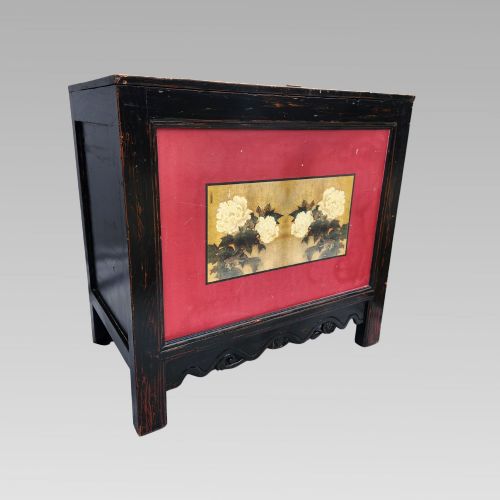


Oriental Wooden Coffer
An oriental wooden coffer is a sturdy storage chest designed for travel or household use, prized for its aromatic timber and decorative metalwork.
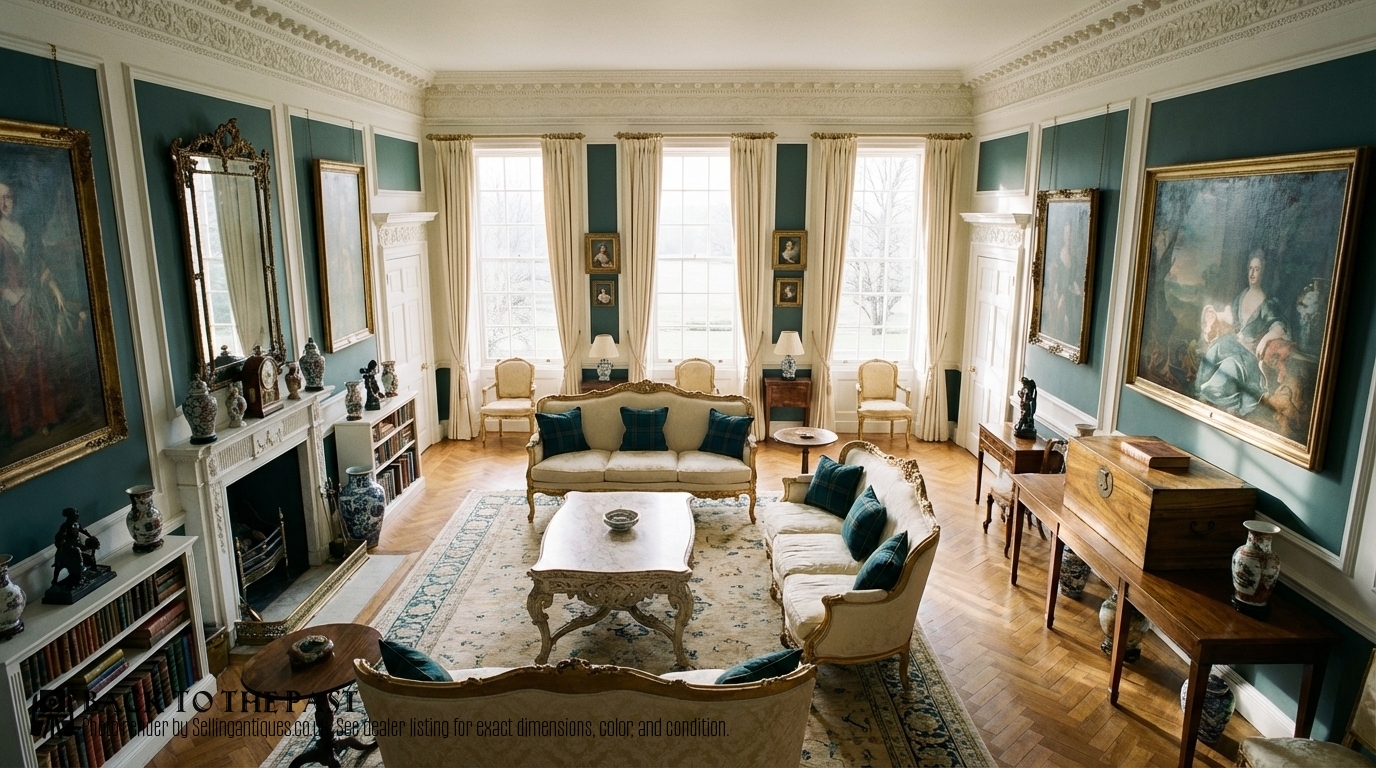
Oriental Wooden Coffer
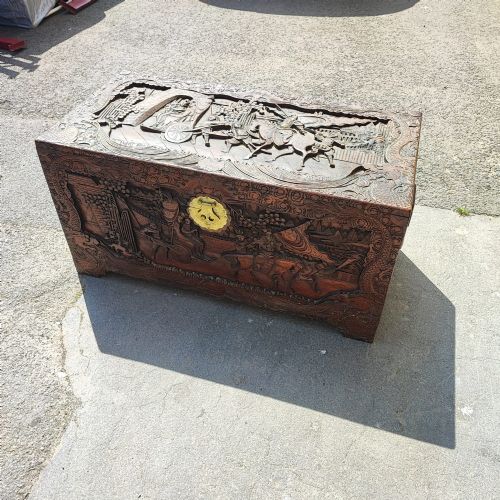
An oriental wooden coffer serves as a traditional storage vessel, frequently encountered in forms such as camphorwood trunks, blanket boxes, and travel chests. These pieces originate from diverse geographic regions and stylistic traditions, including Chinese export, Qing dynasty, and Anglo-Indian designs.
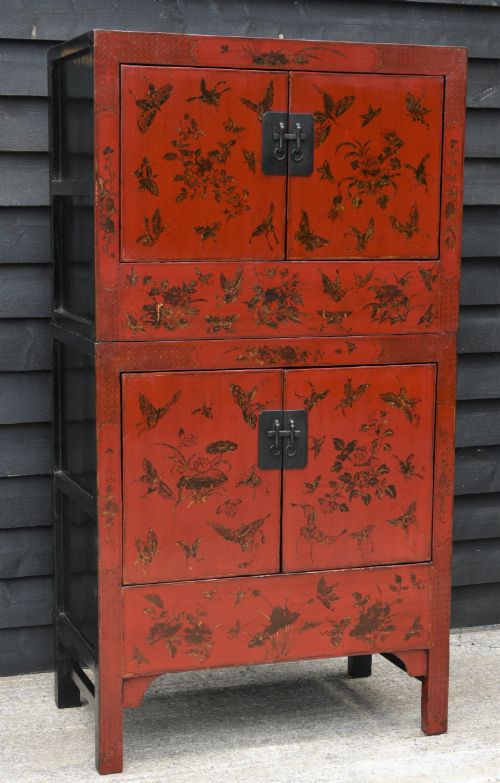
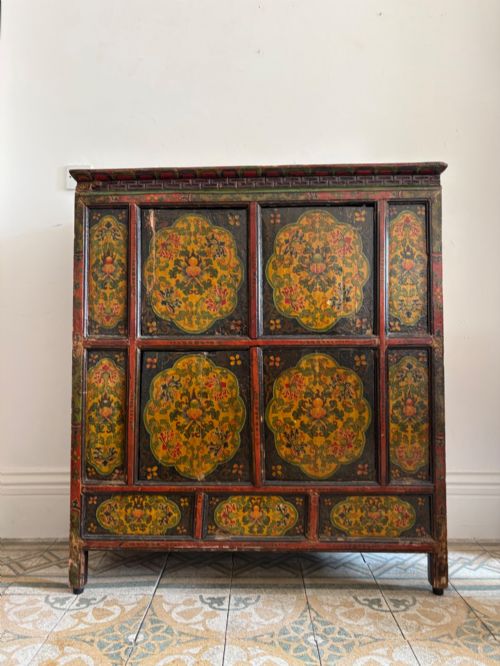
The selection ranges from simple provincial storage boxes to elaborate red and black lacquered cabinets, carved marriage chests, and studded Zanzibar chests. Dating spans multiple centuries, with numerous examples surviving from the seventeenth, eighteenth, and nineteenth centuries alongside early twentieth-century interpretations.
Materials and Construction
Makers utilised resilient timbers such as camphor wood, teak, rosewood, elm, and general hardwood to construct these chests, often selecting specific woods for durability and resistance to insects. Camphor wood was particularly favoured for blanket boxes and luggage chests due to its natural aromatic properties.
Construction techniques incorporate traditional joinery supplemented by functional metal hardware in brass, iron, and copper. Surface decoration frequently involves hand-carved panels, floral painting, or layers of red and black lacquer.
Camphor trunks retain their distinct herbal aroma across centuries, meaning these old travel chests still scent an entire room upon opening.
Evaluating Quality and Craftsmanship
Quality in these chests is determined by the depth and precision of hand-carving, the integrity of the timber, and the originality of the hardware. Pieces featuring intricate floral motifs or figural scenes executed with sharp detail distinguish themselves from simpler utility boxes.
The survival of original surface finishes, such as hand-painted lacquer or early patinated wood, elevates a piece significantly. Furthermore, complete and original brass straps, hinges, and lock plates indicate a higher grade of manufacture.
The Oriental Wooden Coffer Glossary
- Camphor Wood
- A resilient, aromatic timber commonly used for storage trunks to protect textiles from moths. It is native to Asia and valued for its distinctive scent.
- Zanzibar Chest
- A traditional East African chest featuring heavy brass studding and strapwork, often constructed from teak or rosewood. These pieces reflect historic trade links between the Middle East, India, and East Africa.
- Lacquer
- A durable resin finish applied to wood in multiple layers and often polished or painted. Chinese export examples frequently display red or black lacquer with floral decoration.
- Tansu
- A traditional Japanese mobile storage chest built from wood with iron fittings. These cabinets were designed for domestic organisation and transport.
- Coffre Fort
- A French term for a strongbox or fortified chest, occasionally used to describe heavily secured storage trunks. These reinforced boxes were built for secure transport of valuables.
Oriental Wooden Coffer: Frequently Asked Questions
What were oriental wooden coffers used for?
These chests were primarily utilised for storing valuable textiles, clothing, and household goods at home or during travel. Their robust construction and secure metal fastenings made them reliable luggage for merchants and officials.
Specific variants like camphor chests protected garments from insects through natural wood oils, while marriage cabinets held ceremonial dowry items.
How do I identify the age of a chest?
Dating relies on examining construction methods, wood patina, hardware style, and decorative techniques. Eighteenth-century and nineteenth-century examples often exhibit hand-cut joinery and period-specific brass fittings.
Comparative study of regional styles, such as Qing dynasty carving or Edwardian production, helps narrow down the period of origin.
How should I care for an antique wooden chest?
Maintain the wood by keeping the chest away from direct heat sources and extreme humidity fluctuations to prevent splitting. Regular dusting with a soft, dry cloth preserves the dry or polished surface patina.
Avoid abrasive chemical polishes, particularly on lacquered or painted surfaces, to protect the original finish.
Are these chests suitable for modern living spaces?
These pieces function exceptionally well as living room coffee tables, hallway benches, or bedroom blanket boxes while providing practical hidden storage. Their substantial timber presence anchors a room and complements both traditional and contemporary interiors.
The flat lids and sturdy frames allow them to double as display surfaces for lamps or decorative objects.