

Burr Wood Cabinet
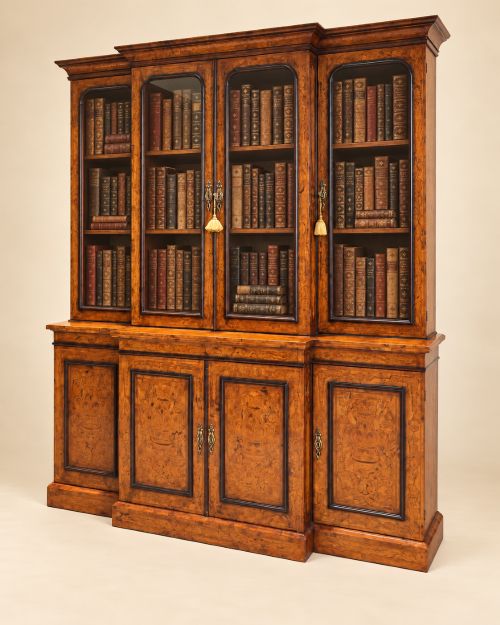
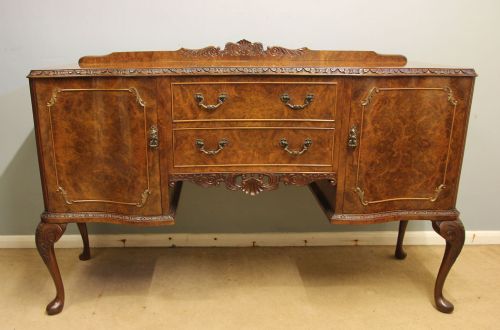
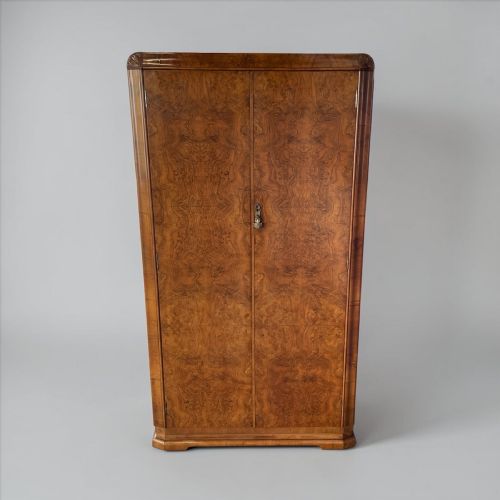
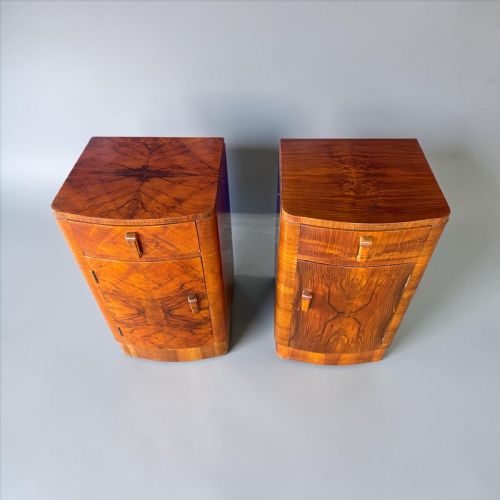
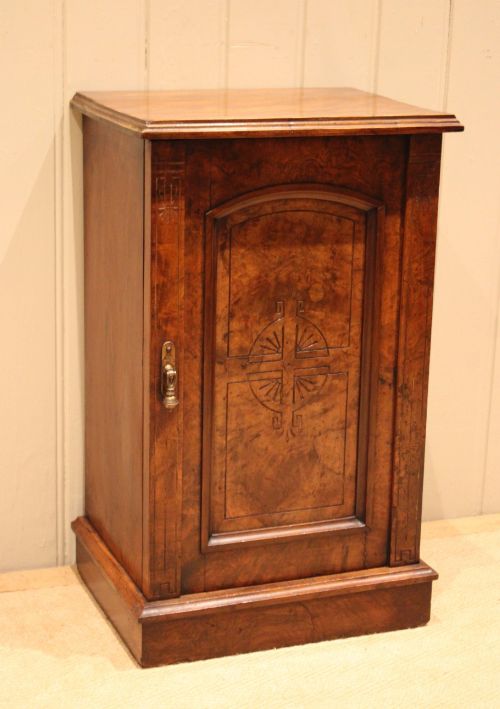
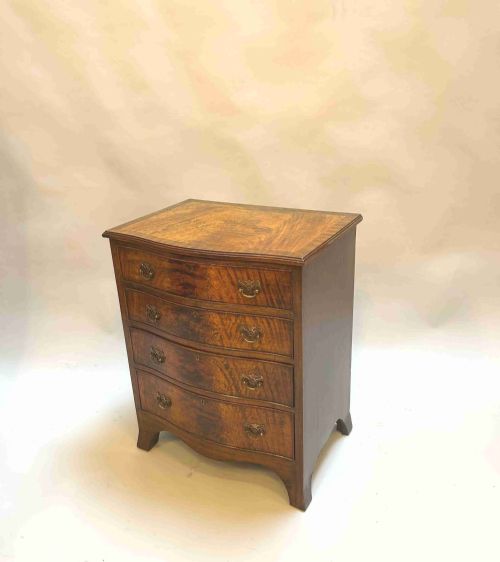
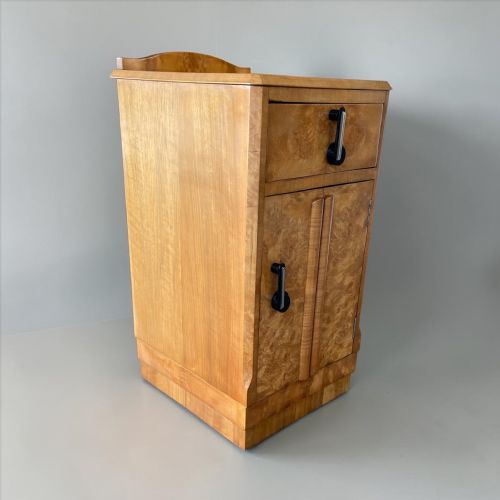
A burr wood cabinet brings extraordinary natural grain patterns into a room, serving as a striking storage piece built from highly figured timber.
Burr Wood Cabinet
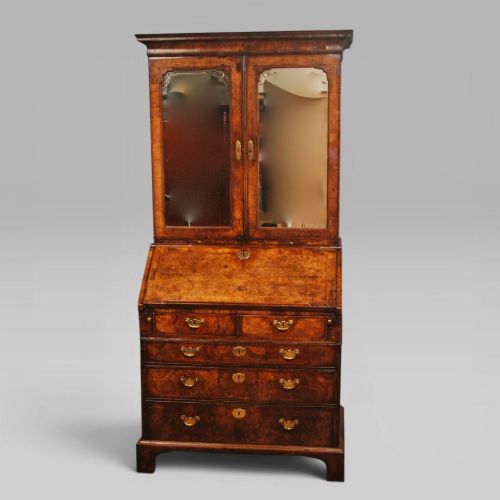
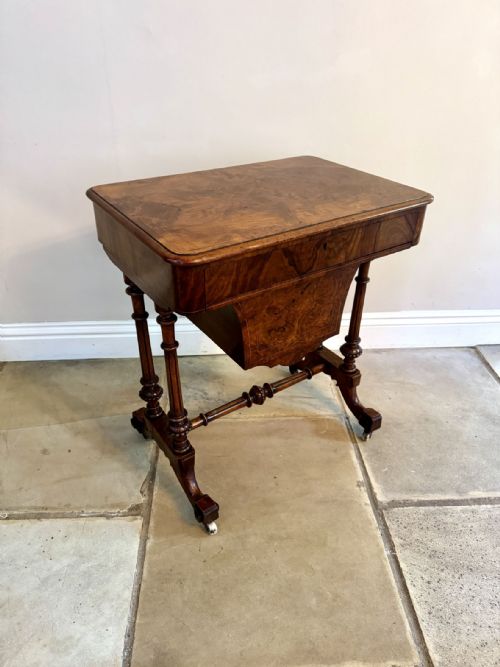
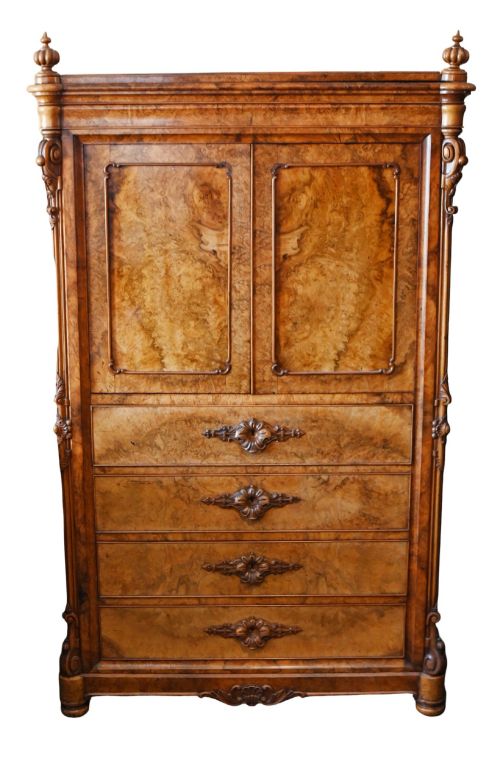
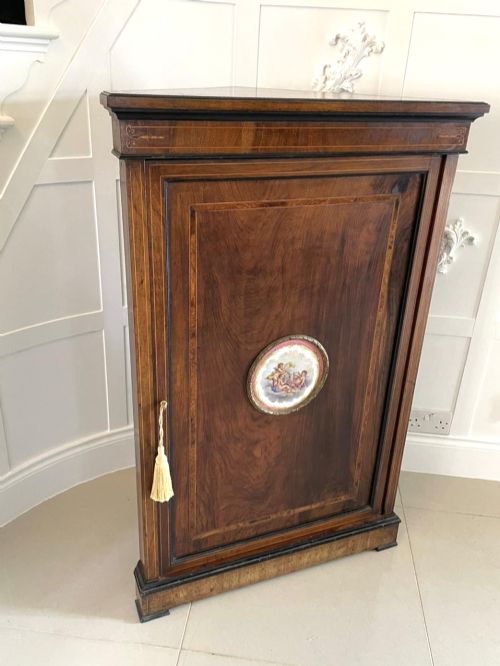
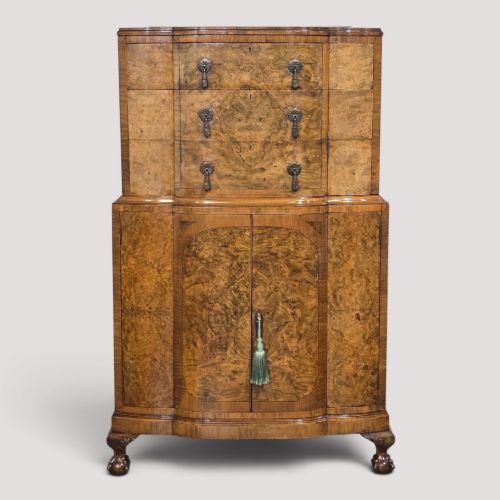
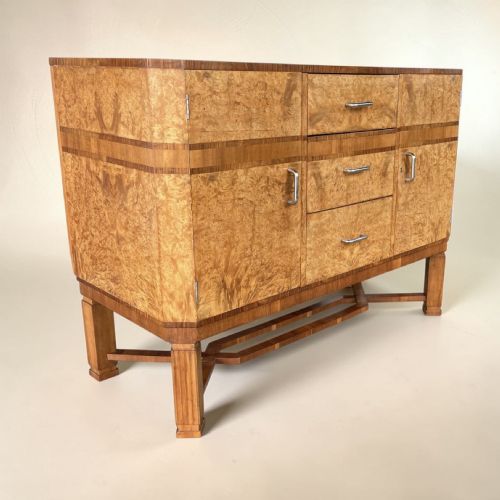
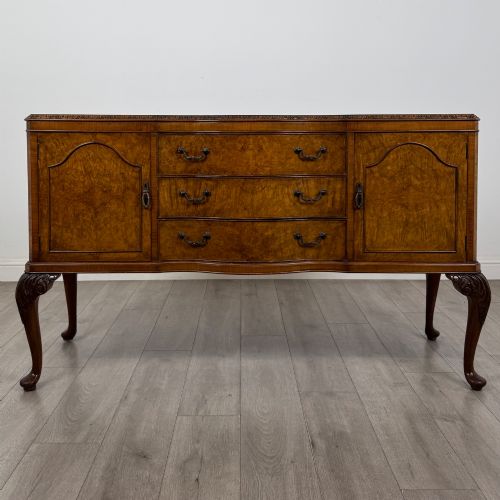
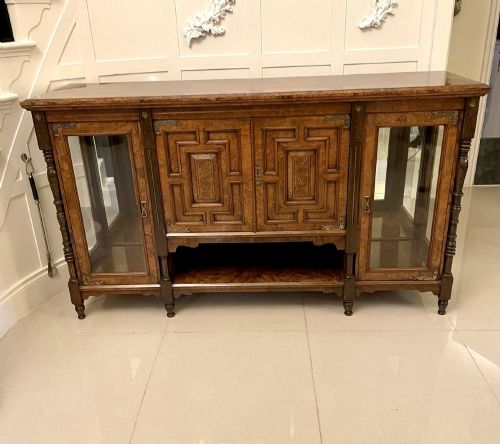
A burr wood cabinet takes many forms across this selection, ranging from bedside tables and cocktail cabinets to large sideboards, credenzas, and linen presses. Buyers seeking this phrase encounter pieces spanning from the eighteenth century through the Victorian era and into the Art Deco period.
The most common examples on this page date from the Victorian period and the nineteen-thirties, utilising the rich figuring characteristic of burr walnut, burr elm, and burr yew. These items function equally well as practical storage and as decorative focal points within traditional and modern interiors.
Materials and construction techniques
Cabinetmakers applied thin veneers of highly figured burr timber - such as walnut, elm, birch, and amboyna - onto stable underlying carcases to showcase intricate swirls and knot formations. This technique required skilled hand-cutting and precise placement to achieve symmetrical grain patterns across doors and drawer fronts.
Construction frequently incorporated secondary timbers, decorative brass hardware, or ormolu mounts, whilst polished glass and marble tops appeared on specific sideboard and bedside variants. Joinery relied on traditional methods suited to each period, from Georgian cabinet work to twentieth-century Art Deco production.
Listings feature burr walnut, burr elm, burr birch, and burr amboyna across periods from the eighteenth century to the Art Deco nineteen-thirties.
Distinctions in craftsmanship and finish
The quality of a burr wood cabinet rests primarily on the density, movement, and matching of the grain across the visible surfaces. Superior pieces display continuous, book-matched veneer patterns that flow seamlessly from one drawer or door to the next, demonstrating the maker's careful selection of timber.
Structural integrity and the retention of original brass or ormolu fittings further separate finer examples from standard production. The depth of the hand-finished polish also dictates visual success, allowing the complex figuring of the wood to catch the light effectively.
Harry & Lou Epstein
The Burr Wood Cabinet Glossary
- Burr wood
- Timber harvested from tree growths containing distorted, knotty grain patterns. This produces highly decorative swirls prized for cabinet facades.
- Veneer
- A thin slice of ornamental wood applied to a structural wood base. This method allows cabinetmakers to utilise expensive figured timber economically.
- Book-matching
- A technique where adjacent veneer leaves are opened like a page and applied side by side. This creates symmetrical mirror-image patterns across furniture fronts.
- Credenza
- A low sideboard or cabinet originally designed for serving food or displaying items. Victorian versions often feature curved glass doors and elaborate marquetry.
- Ormolu
- Gilded bronze furniture mounts and decorative details. French and nineteenth-century pieces frequently employ this metalwork to accent cabinet corners and legs.
Burr Wood Cabinet: Frequently Asked Questions
How do I clean burr walnut?
Dust regularly with a soft, dry cloth to prevent surface scratching. Avoid chemical sprays or excessive moisture which can damage the delicate veneer.
Apply a traditional beeswax polish occasionally to nourish the timber and maintain a soft lustre. Buff gently along the grain with a clean cloth after application.
Where should I place my cabinet?
Position the piece away from direct sunlight and strong heat sources such as radiators. Rapid temperature changes cause timber to warp and veneers to lift over time.
Ensure the floor is level so doors and drawers align correctly. Use furniture pads if the piece rests on hard flooring.
How do I date a burr cabinet?
Examine the construction methods, drawer linings, and hardware styles. Dovetail joints, backboards, and handles often indicate whether a piece originates from the Georgian, Victorian, or Art Deco era.
Compare the secondary woods inside the carcase with known period examples. Certain eras favoured specific structural timbers behind the decorative veneer.
Can I use a cocktail cabinet daily?
Modern use requires sensible precautions to protect the historic polish and interior fittings. Glassware and bottles should be placed down gently to avoid interior scuffing.
Keep mirrored or glass surfaces clean with mild glass cleaner applied to a cloth rather than sprayed directly onto the wood.