





Decorative Walnut Furniture
Decorative walnut furniture brings warmth and grain into a room, offering everything from tallboys to inlaid cabinets shaped across four centuries.
Decorative Walnut Furniture
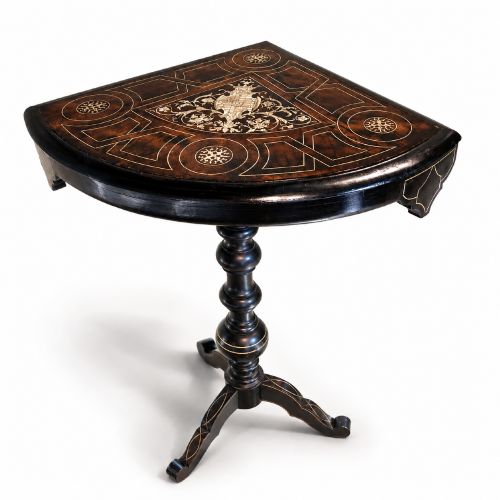
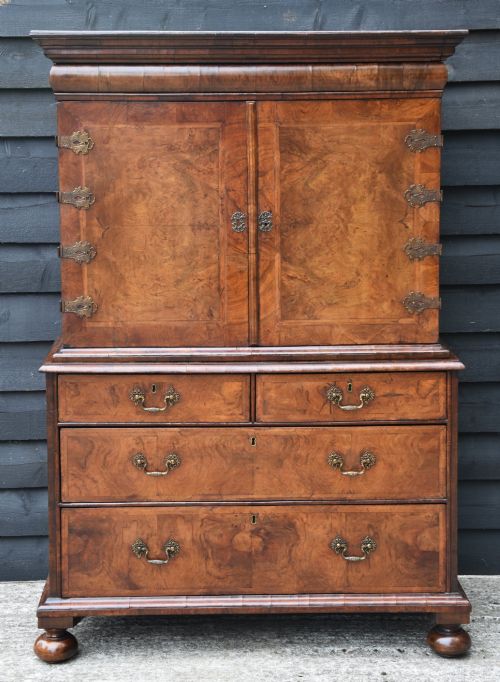
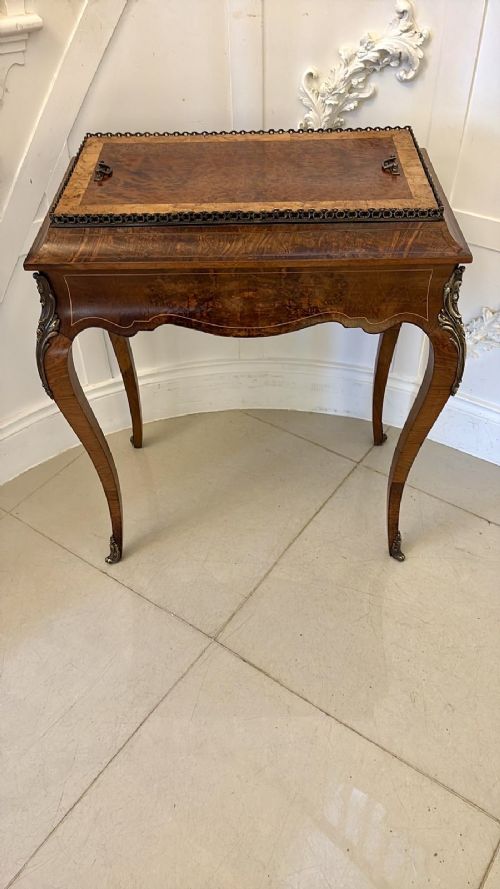
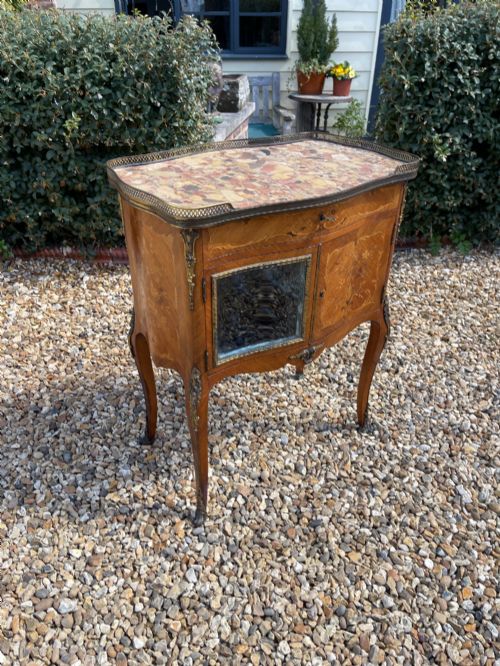
Decorative walnut furniture encompasses a rich selection of historical forms ranging from seventeenth-century William and Mary cabinets on chests to late nineteenth-century French display pieces and sideboards. Buyers exploring this category encounter substantial storage pieces like tallboys alongside occasional items such as demi-lune console whatnot tables and jardinière stands.
The aesthetic vocabulary spans multiple revival movements, featuring Queen Anne corner cabinets, Italian Renaissance Revival pedestals, and Louis XV style planters mounted in ormolu. These survivors demonstrate the enduring appeal of figured timber across diverse European traditions.
While storage items dominate the core offering, domestic furnishings also stretch to hand-painted French beds and heavily carved Flemish chairs. Each piece highlights the timber's inherent visual weight, whether through plain dark surfaces or intricately figured burr veneers.
What varies in quality
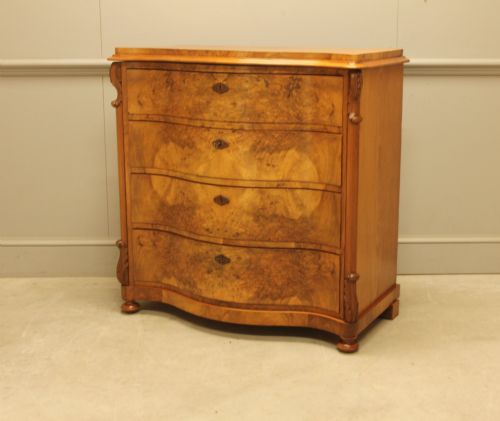
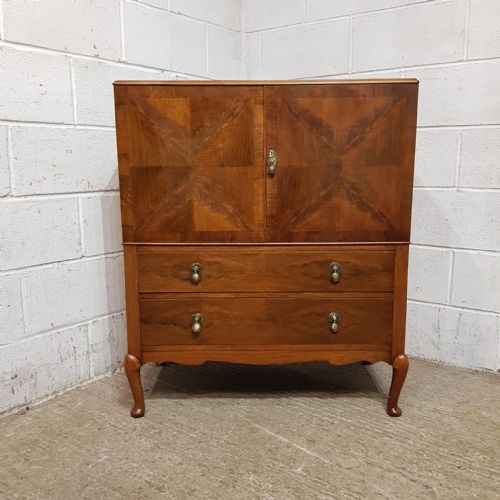
The grade of timber selection dictates the visual impact, distinguishing simple domestic items from exceptional pieces featuring matched burr walnut veneers. Figured grain arranged with symmetry across large drawer fronts or cabinet doors demonstrates superior cabinet-making ambition.
Depth of carving and integration of decorative mounts set individual examples apart. Crisp execution in Italian carved pedestals or French ormolu mounts elevates the piece beyond standard production.
Decorative Walnut Furniture Retail Price Guide 2026
Typical asking prices for decorative walnut furniture among the pieces listed under this phrase on Sellingantiques today, from the lower quarter to the upper quarter. They describe what is for sale here now, not the wider market.
The listings span periods from the 17th century through to Edwardian times, using walnut, brass, ormolu, and marble.
The Decorative Walnut Furniture Glossary
- Burr walnut
- A prized veneer taken from the wart-like growths on walnut trees. It yields swirling, highly decorative patterns across cabinet doors and tabletops.
- Tallboy
- A tall chest of drawers standing on a base or lower chest section. This form provides substantial vertical storage while displaying timber surfaces.
- Ormolu
- Gilded bronze mounts applied to furniture. Makers used these cast metal decorations to accent French tables and cabinets.
- Whatnot
- An open set of tiered shelves used for display. These pieces became popular for holding decorative objects in nineteenth-century interiors.
- Demi-lune
- A half-moon shape used for console tables and sideboards. This curved profile allows furniture to sit flush against a wall whilst softening room geometry.
Decorative Walnut Furniture: Frequently Asked Questions
How do I care for walnut furniture?
Keep walnut pieces away from direct heat sources and strong sunlight to prevent the timber and veneers from drying out or fading. Regular dusting with a soft, dry cloth preserves the polished surface without building up residue.
Apply a microcrystalline wax sparingly when the timber appears dry, buffing it gently to maintain the natural sheen of the grain.
What is a cabinet on chest?
A cabinet on chest is a substantial storage form comprising an upper enclosed cupboard resting upon a lower set of drawers. This architectural format developed during the seventeenth century to house precious textiles and papers.
The separation allows the upper section to display fine joinery and veneering while the lower chest anchors the entire piece to the floor.
How do I identify French revival styles?
French revival pieces often incorporate scrolling cabriole legs, asymmetrical floral marquetry, and gilt bronze mounts. These design cues echo the luxury of earlier royal courts.
Look for serpentine fronts and shaped aprons that mimic eighteenth-century aesthetics while utilising nineteenth-century construction methods.
Where should I place a jardiniere table?
A jardiniere table works best in a bright room where its metal liner can safely hold potted plants or floral arrangements. Because these pieces often feature water-resistant inserts, they suit garden rooms and drawing-room windows.
Ensure moisture does not spill onto surrounding wood veneers during watering to protect the integrity of the antique surface.