

Burr Walnut Wooden Chest
Burr walnut wooden chests are rich with swirling grain and deep patination, offering both historical utility and a striking focal point for a room.
Burr Walnut Wooden Chest
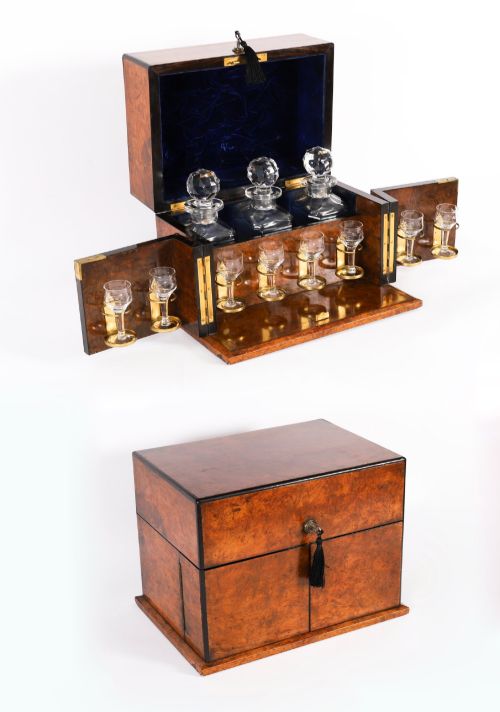
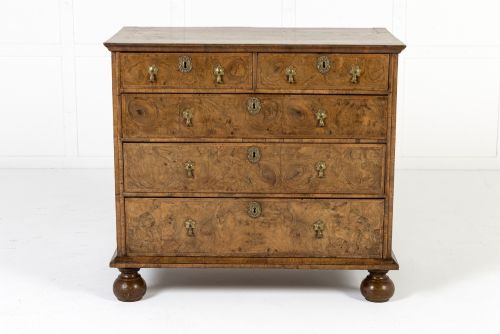
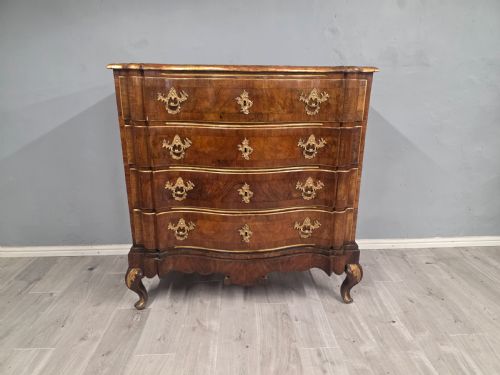
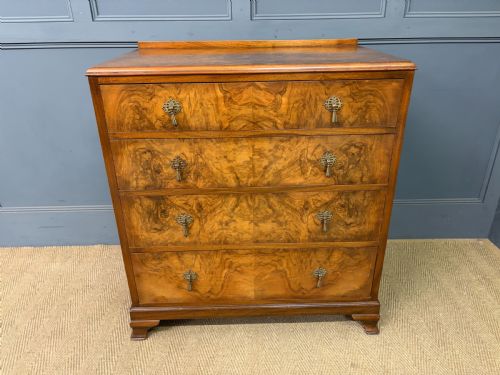
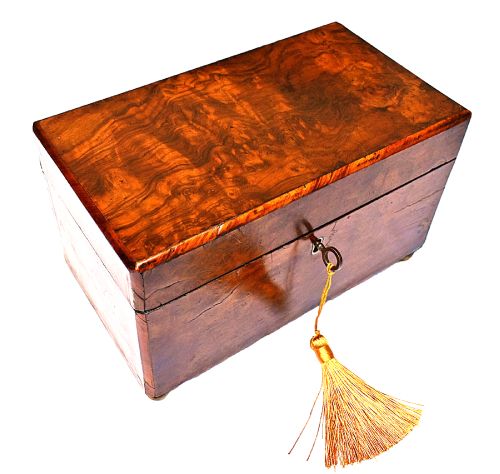
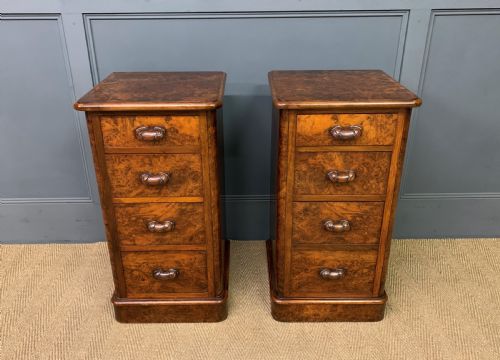
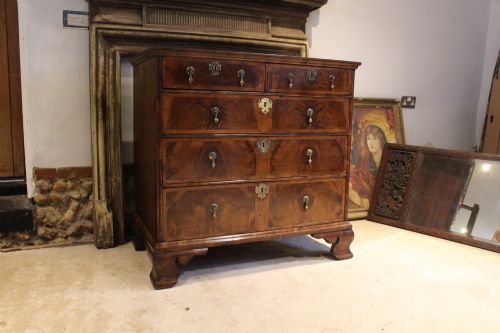
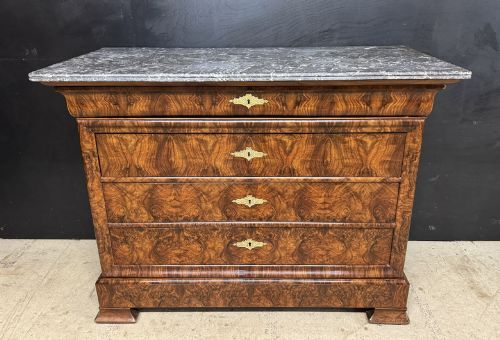
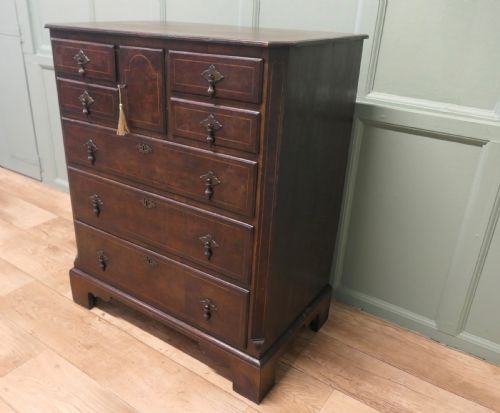
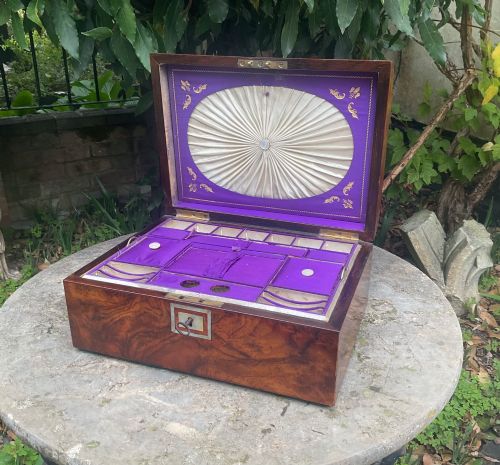
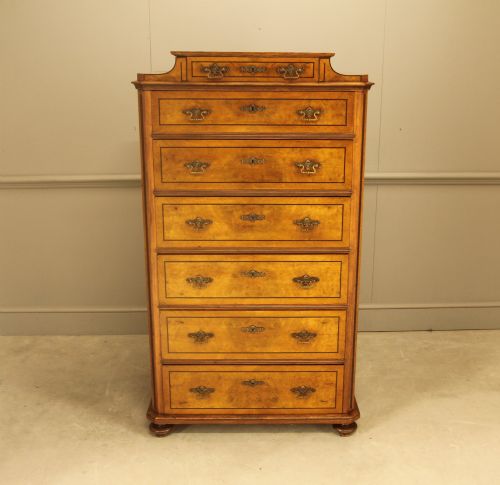
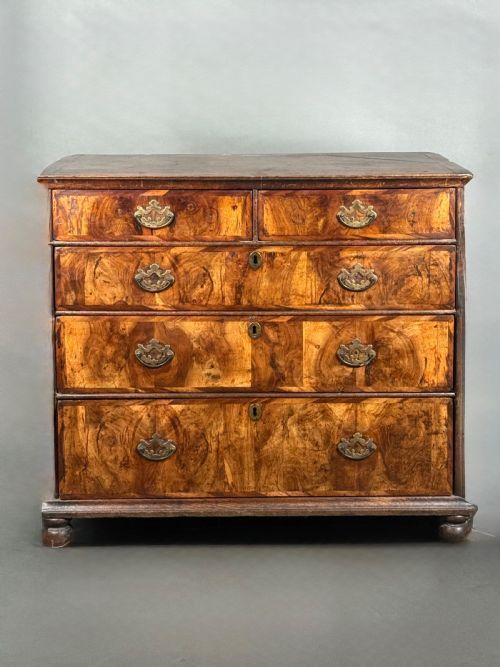
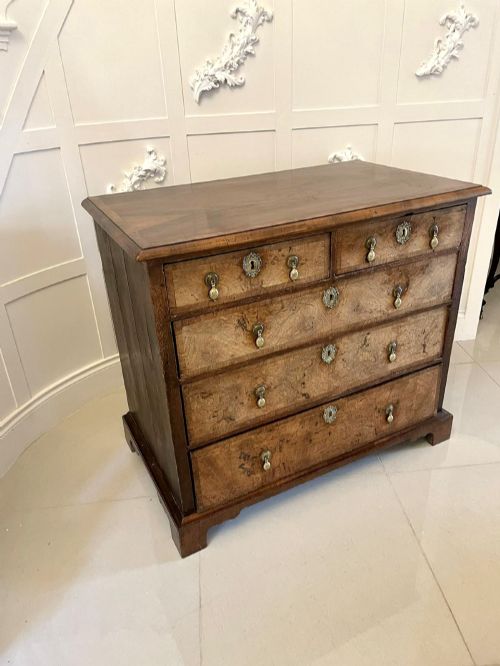
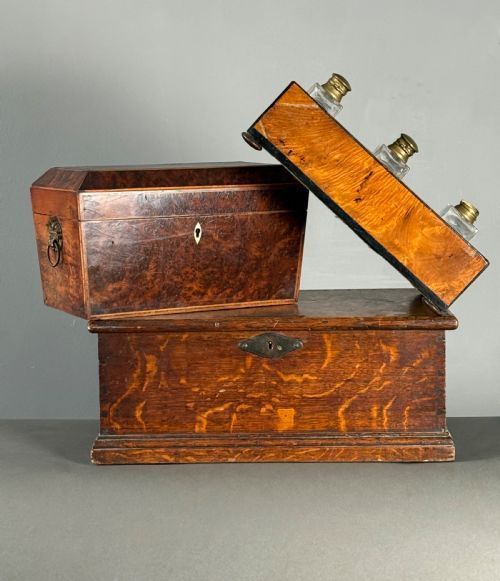
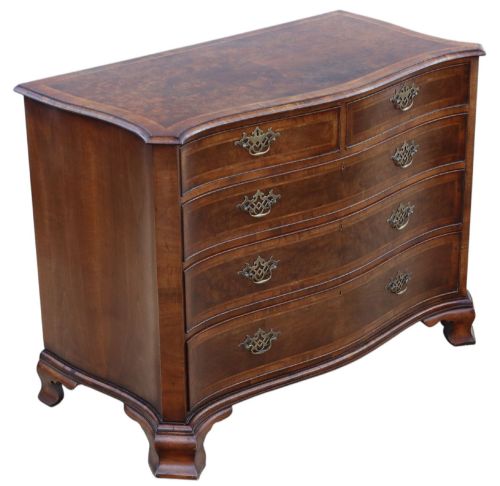
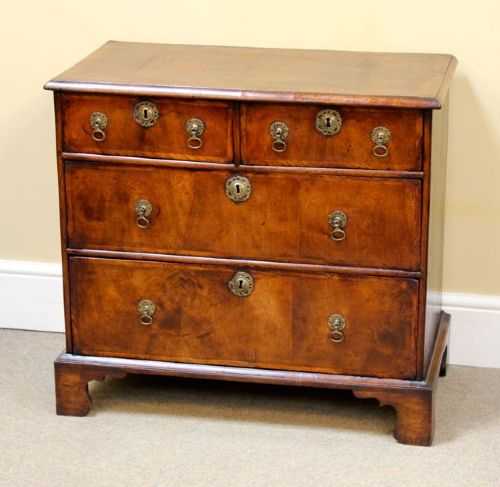
A burr walnut wooden chest is a storage piece defined by its highly figured timber, ranging from substantial 18th-century Georgian and Queen Anne drawer units down to compact tea caddies and decorative boxes. You encounter these in forms such as tall chests, serpentine commodes, bedside tables, and linen presses originating across British, Continental, and Swedish workshops.
The selections span distinct eras from the late 17th-century William and Mary period through Victorian iterations to 1920s and 1930s revivals. Pieces built in the Georgian style or during the reigns of George I and George II sit alongside mid-Victorian bedside chests and Louis Philippe commodes.
Larger chests of drawers provide functional bedroom storage with graduated drawers, while smaller boxes and caskets serve tabletops with compartments for tea, cards, or sewing equipment. Buyers searching this phrase meet everything from grand oak-lined case furniture to diminutive Victorian writing and game caskets.
How they were made
Cabinetmakers utilised walnut and burr walnut veneer applied over secondary structural timbers like oak or pine to create complex, swirling patterns on drawer fronts and lids. Crossbanding and stringing often frame these figured panels, bordered by solid mouldings.
Hardware such as brass handles, escutcheons, and hinges are fastened to secure the panels and drawers. Details like mother-of-pearl, bone, or boxwood inlay frequently embellish smaller caskets and sewing boxes from the Victorian era.
Construction methods evolved from early dovetailing on 18th-century carcases to later 19th-century mechanisms like the locking stile found on Wellington chests. Timber selection favoured the knotted growths of the walnut tree, sliced thinly for veneering.
Burr Walnut Wooden Chest Retail Price Guide 2026
Typical asking prices for burr walnut wooden chest among the pieces listed under this phrase on Sellingantiques today, from the lower quarter to the upper quarter. They describe what is for sale here now, not the wider market.
Listings feature burr walnut wooden chests spanning the 18th century to the 1930s, including Georgian, Victorian, and Edwardian examples.
What varies in quality
The choice and matching of the burr walnut veneer dictate visual impact, with superior examples displaying continuous, symmetrical grain patterns across multiple drawers. Inferior pieces rely on disjointed veneer segments or lack the depth of finish found in early period items.
Construction integrity separates master cabinetwork from routine production, evident in tight dovetail joints, original brass hardware, and secondary woods like solid oak rather than deal or pine. The handling of crossbanding and the retention of a warm, natural patina reflect the maker's original skill.
Gillows
The Burr Walnut Wooden Chest Glossary
- Burr walnut
- A veneer sliced from the distorted growth or knot of a walnut tree. It yields highly intricate, swirling grain patterns prized in cabinetmaking.
- Crossbanding
- A narrow strip of veneer laid perpendicular to the surrounding grain. It creates a neat decorative border around drawer fronts and tabletops.
- Serpentine
- A furniture front or top shaped with a convex centre flanked by concave curves. This contour requires precise woodworking and adds visual movement.
- Wellington chest
- A tall, narrow chest of drawers secured by a hinged vertical locking bar on one side. This design originated in the 19th century.
- Linen press
- A tall storage cabinet featuring upper sliding trays or shelves above a set of lower drawers. They were traditionally used to store household linens.
Burr Walnut Wooden Chest: Frequently Asked Questions
What is a burr walnut chest?
A burr walnut chest is a piece of wooden furniture surfaced with intricately figured veneer derived from tree growths. These range from large bedroom drawers to small tabletop caskets.
Craftsmen prized this timber for its rich movement and depth, building functional storage units that doubled as decorative showpieces in period interiors.
How do I date an antique chest?
Dating relies on examining construction techniques, hardware styles, and secondary woods like oak or pine. Drawer dovetails and locking mechanisms shifted significantly between the 17th and 19th centuries.
Stylistic markers such as cabriole legs, bracket feet, and specific veneer treatments also anchor pieces to eras like the reign of Queen Anne or the Victorian period.
Where were these chests placed?
Larger chests of drawers and linen presses stood in bedrooms and dressing rooms to hold garments and household textiles. Smaller boxes and tea caddies sat on reception room tables.
Bedside chests flanked sleeping quarters, while decorative caskets held playing cards, sewing equipment, or valuables in parlours and studies.
How do I care for walnut furniture?
Walnut furniture requires placement away from direct sunlight and heat sources to prevent the wood and veneer from drying out or splitting. Maintaining stable room humidity protects the fragile burr surfaces.
Periodic application of appropriate wax polish preserves the natural sheen and feeds the timber without building up heavy residue.