



Burgundy Wool Tribal Weaving
These pieces of burgundy wool tribal weaving bring rich crimson palettes and nomadic artistry directly into modern interiors.
Materials and construction
The material foundation relies heavily on hand-spun wool and natural dyes, occasionally supplemented by cotton foundations and silk highlights to emphasise specific patterns. Weavers utilised durable wool yarns to construct dense pile surfaces and flatweave structures capable of enduring daily nomadic existence. Natural dye sources yielded the characteristic deep burgundy, red, and brown tones that aged gracefully over decades of light and use.
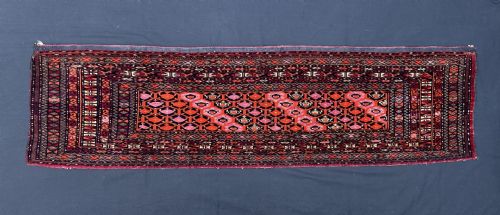
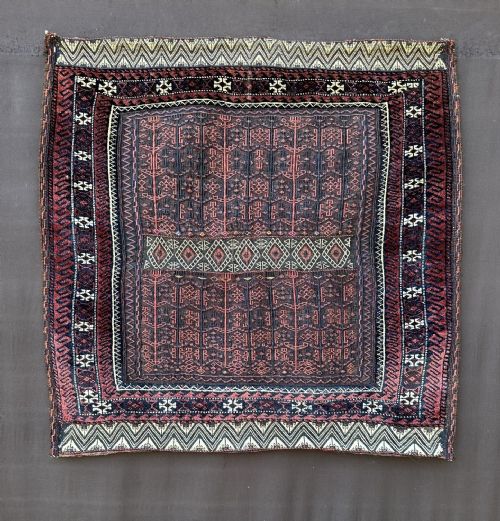
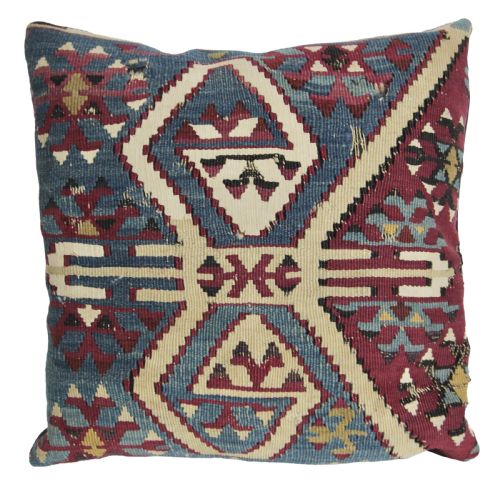
Construction methods vary between pile carpets, soumak kilims, and plain weave structures, often combining multiple techniques within a single textile like a torba with a plain weave back. The handling of the fibre produces tactile surfaces where individual knot counts and weave tightness dictate the crispness of the geometric design. Artisans structured tent bands and larger rugs to serve structural or ceremonial purposes within tribal dwellings.
Assessing quality in nomadic textiles
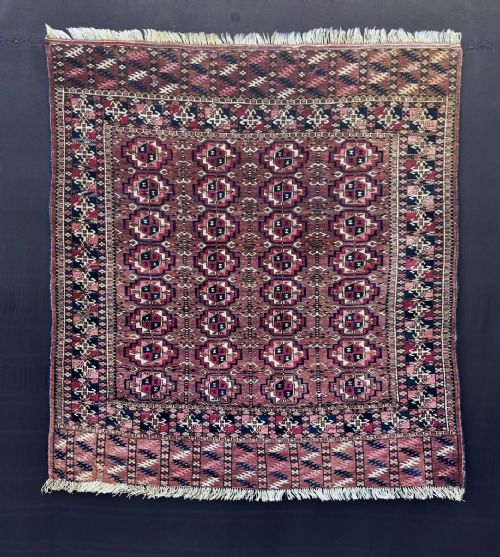
Quality reveals itself in the density of the weave and the precision with which intricate motifs, such as guls and curled leaves, are rendered across the wool surface. Finer examples display meticulous knotting and tighter structural integrity, which allows complex tribal iconography to remain sharp and legible. The vibrancy and depth of the natural dyes also separate standard pieces from exceptional ones, as well-executed dye baths retain rich tonality over time.
The completeness of the textile and the survival of original plain weave backs or long kilim ends contribute significantly to desirability. Greater care in hand-spinning the wool and sorting materials yields a more tactile handle and a resilient pile. Pieces that maintain structural soundness alongside finely balanced proportions represent the upper tier of this textile tradition.
Camels wore elaborate asmalyk trappings during wedding processions, ensuring that nomadic transport doubled as a rolling gallery of fine red wool weaving.
The Burgundy Wool Tribal Weaving Glossary
- Torba
- A small storage bag face produced by nomadic tribes, typically hung inside a tent. These rectangular textiles often display intricate gul patterns.
- Chuval
- A large storage bag made by Turkmen and other Central Asian groups for household belongings. They frequently feature rows of major guls.
- Gul
- A medallion motif repeated across carpets and bags to identify specific tribes or clans. Each design variation carries traditional symbolic meaning.
- Asmalyk
- A pentagonal trapping used to decorate camel flanks during wedding processions. These ceremonial pieces are prized for their distinctive shape and fine work.
- Soumak
- A flatweave technique wrapping weft threads over warp threads to create a textured, durable surface. This method produces crisp diagonal lines and geometric precision.
Burgundy Wool Tribal Weaving: Frequently Asked Questions
What is a torba used for?
Nomadic families utilised torbas as utilitarian storage bags inside tents to hold personal possessions, clothing, or smaller household goods. They were typically suspended against the lattice walls where their patterned faces remained visible.
Over time, these functional bag faces became valued as decorative panels, leading to many being preserved separately from their original plain weave backs.
How do I care for antique wool rugs?
Protect antique wool textiles by keeping them out of direct sunlight and using breathable underlays to prevent slipping. Gentle vacuuming without a beater bar removes trapped dust without straining fragile old foundations.
Professional textile conservators should handle any significant cleaning to preserve the natural dyes and historical wool fibres.
How are different tribal rugs identified?
Tribal attribution relies on examining specific structural elements, colour palettes, and repeating motifs such as distinct guls or border patterns. Groups like the Tekke, Yomut, and Ersari maintained characteristic design vocabularies passed down through generations.
Comparing knot direction, fringe finishes, and secondary colours helps narrow down the probable weaving region.
Where can I hang a wall hanging safely?
Mount textiles on a wall by distributing the weight evenly using a fabric sleeve or a padded velcro support system. Avoid hanging heavy pieces by single points or nails that pierce the historical wool or cotton foundation directly.
Choose interior walls away from damp zones and excessive heat sources to maintain the stability of the natural materials.